Tag: Deepfakes

  • TikTok Deepfakes – Manipulated videos with face-swapping technology

    TikTok Deepfakes – Manipulated videos with face-swapping technology

    TikTok is one of the leading social media platforms for new generation youngsters. It has become one of the most used applications in the world. In 2019, TikTok was the most downloaded application, with more than 46 million downloads just in the first quarter of the year.

    TikTok Deepfakes - Manipulated videos with face-swapping technology

    Recently, a face-swapping technology, Deepfakes, has become widely popular among TikTok users. There are several users of TikTok who have gained immense popularity just by creating short 60 second videos in the app.

    There are also some users who use the content from such popular TikTok users to make themselves famous. The face in the videos is replaced with different caricature faces or other human faces to attract more viewers to their own accounts.

    TikTok Deepfakes

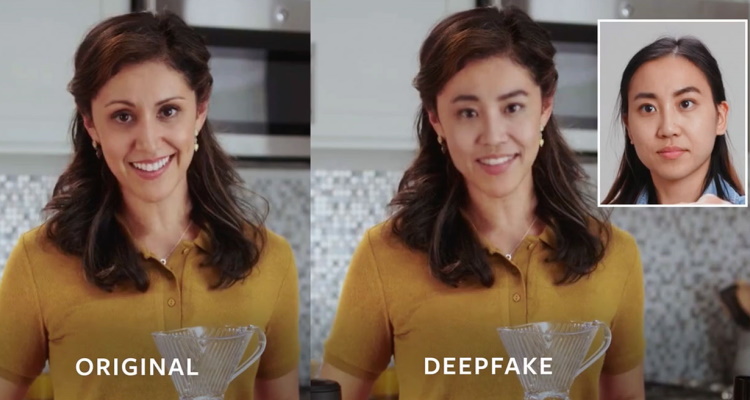
    This face-swapping technology is known as deepfakes, which is a term used for videos or images. Later, that have been doctored using artificial intelligence to suggest something fake. Deepfakes are often used by comedians and other influencers to create a video or image. Hence, they would seem like someone has said or done something, whereas, in reality, nothing of that sort has happened.

    Wrapping it up

    A lot of users have also expressed their concern on how this technology could be misused to spread misinformation or affect reputations. Facebook has also recently banned the use of such deepfakes on the platform. However, it also has certain loopholes.

  • Twitter Wants Your Feedback on Its Deepfake Policy Plans

    Twitter Wants Your Feedback on Its Deepfake Policy Plans

    Fake news and rumors are supposed to spread faster than a fact. When it comes to Twitter, things spread at double speed. Bad-faith bots and bad human decisions go hand in hand in this micro-blogging platform to amplify false messages across the world. So, what to do when it comes to controlling social media? The reason why twitter wants tour feedback on its deepfake policy plans

    Twitter Wants Your Feedback on Its Deepfake Policy Plans

    Well, this question is not uncommon. Twitter is also trying hard to create a policy to handle manipulated and synthetic media, according to the company which added the same on a blog post and it needs your suggestions.

    Here’s what Twitter has to say about the so-called deepfake policy plans, fakes, or other terms told by most of us.

    Del Harvey, Twitter Trust and Safety VP added, “We are expecting to define any manipulated and synthetic media as any audio or video clip or photo which has been fabricated or altered highly in a way which seems to misguide people or changes its previous purpose.”

    Considering the presidential election in the US running in November 2020, there has been a peer pressure on social media platforms. The are advising to deal with the threat of misleading items like deepfakes (in which AI is used to create videos, which seem too real to be true in which a person seems to do or say something they haven’t.)

    In a blog post, Twitter has laid out a new proposal saying that it is expecting to put a notice for tweets which are sharing “manipulated or synthetic media” and to warn people before sharing or liking any tweet, or adding links to a story presenting why most sources feel that the particular item is manipulated or fake.

    Further Plans Of Twitter

    The company further added that it is planning to remove tweets that contain manipulated or misleading media which could cause serious damage or affect physical safety.

    Twitter has also defined manipulated and synthetic media as any kind of audio, image or video file which has been “significantly made-up or distorted” in a way to mislead the audience or changes its previous meaning. It could either consist of manually changed “shallow fakes” or “deepfakes”.

    Last year, Twitter banned deepfakes intended to intimate media. It has made changes in policy to prohibit videos or images which frame the face of a person onto the nude body of another person.

    Though there is no incident of major political events in which a deepfake video could be used in the US, there is still a risk of fake video that can cause turmoil. It happened with a clip of Nancy Pelosi, the House Speaker in May. Her speech felt slurred as it was slowed down manually.

    Post Pelosi’s incident, Mark Zuckerberg, Chief Executive of Facebook, was seen in a spoof video in which he seems to say “the one who controls the data, controls the future” on Instagram. The Facebook-owned app Instagram didn’t remove the video.

    Adam Schiff, Intelligence Committee Chairman, US House of Representatives, wrote to the CEOs of Google, Facebook, and Twitter, asking for plans to control the threat of deepfake videos and images before 2020 elections. Twitter has initiated its new proposal asking the public to share their feedback with #TwitterPolicyFeedback hashtag before November 27.

    Amazon Web Services has also announced to join Microsoft and Facebook in their research with “Deepfake Detection Challenge”.