Category: Phones

  • Sony Xperia 2 Will Likely Be The Company’s First 5G Phone

    Sony Xperia 2 Will Likely Be The Company’s First 5G Phone

    According to My Drivers, a new Sony flagship is about to be launched, most likely to be named the Xperia 2. Sony will have a press conference at the MWC. During this time, the phone could be exhibited as well. Following the trend of 2020 flagships, the Xperia 2 will probably run on Qualcomm Snapdragon 865 chip as well. The SoC will be paired with the Snapdragon X55 modem for 5G connectivity. If this happens, the Xperia 2 will be Sony’s first-ever 5G smartphone.

    Sony Xperia 2

    The smartphone could come with a 4K HDR OLED panel with a 21:9 aspect ratio similar to its predecessor, the Xperia 1. This will make Xperia 2 one of the first 4K phone by Sony to support the next-gen internet connectivity. The screen is believed to be quite large at 6.6-inches. With regards to the camera, the Xperia 2 will have four cameras at the rear. Rumours abound, with some claiming that the primary unit will be a 48-megapixels sensor and others believing it would be a 64-megapixels sensor.

    Sont Xperia 5G
    Sony Xperia 5G

    Besides the main sensor, the camera unit will have a 12-megapixels ultra-wide-angle sensor and a 12MP telephoto unit with 3x optical zoom. Sony’s 2020 flagship is also expected to feature the Time Of Flight sensor for portrait shots. The phone is also likely to have 8K video shooting capabilities.

    Other features of the Xperia 2 includes IP68 protection against water and dust and fast charging. It will have also NFC, making contactless payment possible. While there is a chance that the company might name this upcoming flagship Sony Xperia 2, there is also a chance it might not. If it does not, other possible names include Xperia 1.1, Xperia 1 Premium, Xperia 0, or Xperia 5 Plus.

    Sony’s 2020 flagship

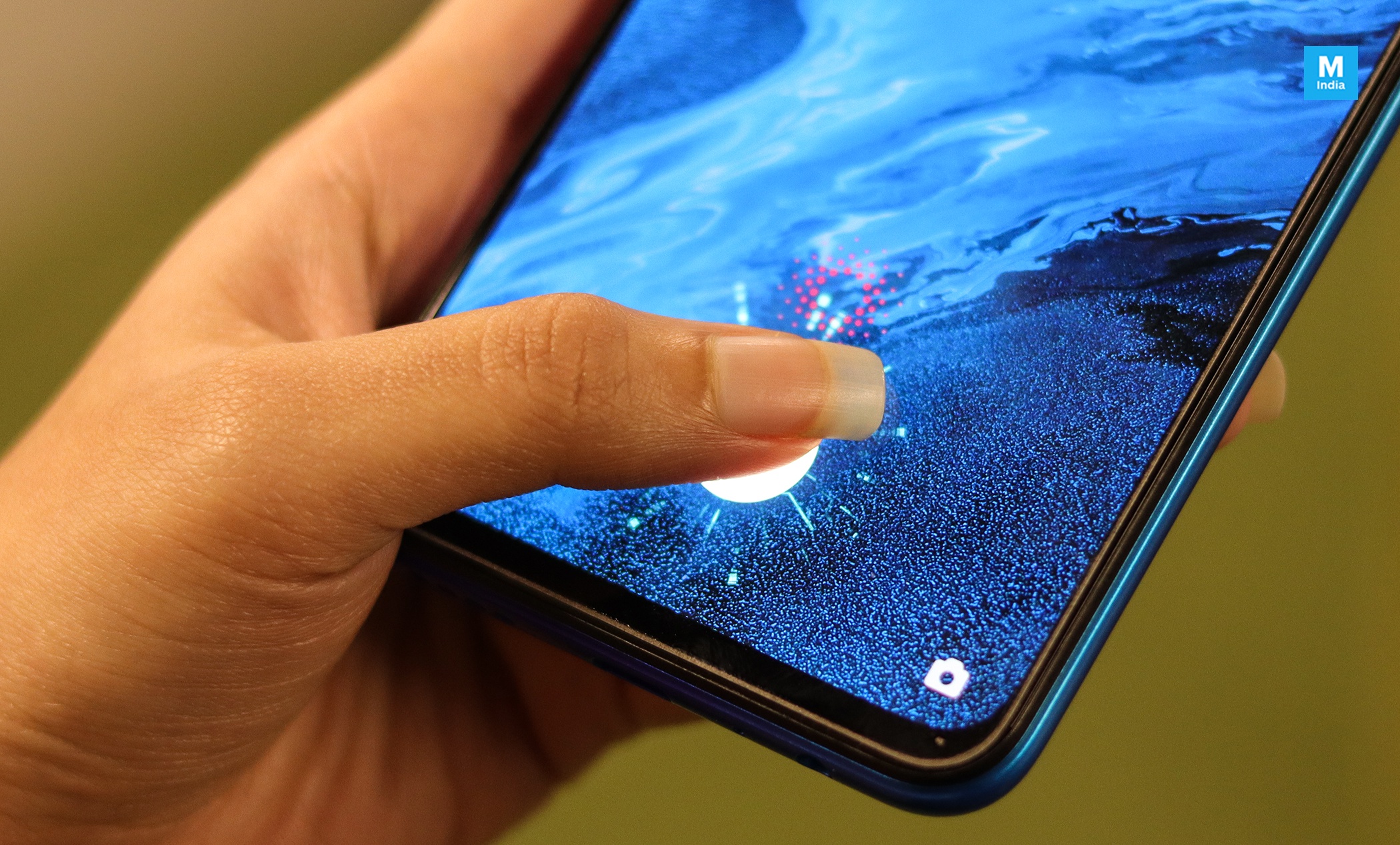
    According to several reports, the Xperia 2 (we will continue calling it that for now!) will have an 8-megapixels selfie shooter. With regards to speakers, it will sport dual front-firing ones. The dimensions of this smartphone are 168.2 x 71.6 x 8.1mm. The camera unit at the back does give way to a slight bump, but it is nothing very jarring. One thing that Sony has decided to retain is the physical fingerprint reader. Where most other companies have discarded the physical scanner on their flagships in favour of the in-screen fingerprint reader, Sony has decided to stick to the original option.

    Sony Xperia 5G
    Sony Xperia 5G

    The phone is expected to run on a near-stock version of Android 10. It will also continue to have the 3.5mm headphone jack. While the price tag is hefty which is nothing surprising. It is because it is supposed to be a high-end flagship. It is still more affordable than other 5G models that are currently in the making right now. If the phone is well received, it could gain more popularity thanks to its affordable price tag and high-end features. It would also be a huge relief to Sony which has not had a break in the smartphone market for quite some time now.


  • Samsung Galaxy S10e Review

    Samsung Galaxy S10e Review

    The Galaxy S10e was Samsung’s last flagship for 2019. The unique point with this model was that it had all the latest features, but the price point was incredibly affordable. Naturally, the other S10 models are better with more eye-catching features, but the smaller size is a great appeal to some. While we are still talking about the S10e, Samsung has already launched another flagship – the Samsung Galaxy Note 10. In addition to the S Pen stylus, it also comes with a time-of-flight sensor and features a triple-camera setup. The one thing that the S10e has on its side is the price appeal.

    For that price, you will, of course, have to sacrifice some comforts. Users will not have curved screen sides, an in-screen fingerprint sensor, or a telephoto lens. On the other hand, it has a 5.8-inch all-screen display, excellent performance that is fast and smooth, and a stunning camera.

    Samsung Galaxy S10e Review
    Samsung Galaxy S10e Review

    Design

    The Galaxy S10e has a ton of features. Although it might fall short when compared to the likes of S10 Plus, it still packs some serious power. One thing we have noted is that as the main flagships steadily get larger, there is a group of users who have steadily stuck to the smaller phones, perhaps since it could be handled more easily. It is the lightest of all the S10 models. As mentioned before, the S10e does not have an in-screen fingerprint scanner. Instead, the company decided to go ahead with a biometric fingerprint pad at the rear. This is located within an enlarged power button on the top-right side. One would not have thought this setup could be responsive, but Samsung has surprised us.

    Aesthetically, the phone looks a flagship in every sense. It comes with a chromed aluminium case having elegantly rounded corners that we usually see in the Galaxy S models. There is no third camera, so you might find the rear having a narrower camera casing. There is no heartbeat sensor here either. The S10e is available in six colours – Prism Black, The pearlescent Prism White, Prism Blue, Flamingo Pink, Prism Green and Canary Yellow. The last two options are not available in the US and are reserved for other regions. The left side of the phone houses the volume rocker below which sits the Bixby button. You can now set it to activate other apps as well. At the bottom, you will find the 3.5mm headphone jack, microphone port, USB-C port, and speaker grille.

    Display

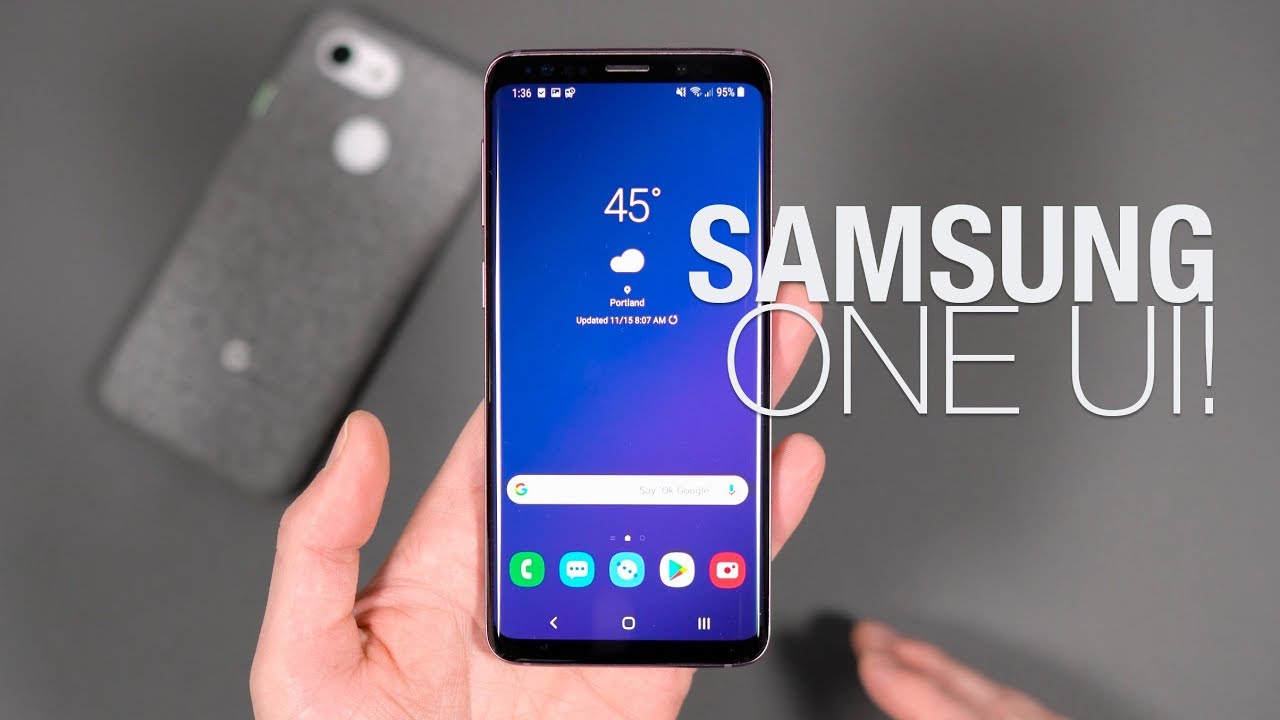
    The 5.8-inch AMOLED display of the Galaxy S series is present here as well. The crisp details, rich colours, and vibrant display all make it a great experience. If you don’t appreciate the default colour balance, you can easily change it using the Vivid Mode. If you compare it with the iPhone XS Max, the display of these two models are almost on the same level, except that the XS Max does better with dark scenes. The S10e features Corning Gorilla Glass 5 on front and back. You will notice that the front has a punch-hole in the top-right corner for Infinity-O’ display. While it is noticeable, it does not stick out very much.

    Samsung Galaxy S10e
    Samsung Galaxy S10e

    Performance and Battery

    The Samsung S10 phones are among the first to showcase the new Snapdragon 855 chipset. The phone has a 6GB RAM and 128GB of storage, which is more than enough in most cases. You can multi-task, swap apps, and do so much yet hardly notice any lag. If you do need more space, you can always use a MicroSD card. The phone can keep up with all your gaming requirements, even if you play heavy-duty ones, such as Fortnite and more. One thing you might hear is that playing such games could lead to battery loss and even heat up the phone.

    Coming to the battery, the S10e supports a 3,100mAh battery which is large enough to last you through the day. With regular use, such as browsing, chatting, and some music, this should last you quite some time. You can use the 15W fast charging to recharge. Although it is not the fastest-wattage charging out there, it does its job. In the latest news, the S10e can now charge other wireless devices itself thanks to a new feature called Wireless PowerShare.

    Wireless PowerShare

    The idea behind this is that you can use your Galaxy S10e to wirelessly charge other devices that have Qi-enabled charging. All you need to do is to place the second device near the rear of the S10e. While it does work, the charging speed is quite low. This means you cannot use the phone as you transfer charge.

    Samsung Galaxy S10e Camera
    Samsung Galaxy S10e Camera

    Camera

    The Samsung Galaxy S10e features two rear-facing main cameras. One of them is the dual-aperture f/1.5-2.4 12MP main camera while the other is a 16MP f/2.2 ultrawide shooter. The former comes with OIS for smoothing out shaky footages. Unfortunately, users will have to accept the lack of telephoto lens. However, thankfully, it still retails the wide and ultrawide sensors. Regardless, the S10e still is a step ahead of Samsung Galaxy S9 which was released with a single dual-aperture shooter. The main camera has a 77-degree field-of-view while the ultrawide has 123-degree FOV allowing you to take in a lot more.

    In the bright sunlight, you will notice that the photos come out stunning. In fact, it is even better than the ones taken with iPhone XS Max and Huawei Mate 20 Pro. On the other hand, the interior images don’t do nearly as well. Night photography is currently ruled by Google Pixel 3 and the S10e needs to come a long way before it can compete in this space. The ultrawide lens can be used for panoramas, allowing you to capture more context.

    Verdict

    The Samsung Galaxy S10e is a perfect-sized phone that users would be able to use with one hand. The fact that Samsung’s interface works even better in a smaller frame is an additional advantage. With Android 9 Pie out of the box with One UI, you can be sure that the phone is an excellent option to consider.

  • Moto G7 Power- A Complete Review

    Moto G7 Power- A Complete Review

    On the first look of the Moto G7 power, it is easy to shun it off for having a less impressive look. This is not to necessarily say that the G7 is not a good phone rather it bears a common similarity in the frontward appearance to other modern smartphone devices.

    Moto G7 Power

    If you are a fan of the great Motorola G7 series then you probably know that that series offered three entries thus the Moto G7, Moto G7 Play, and the Moto G7 Power.

    All three smartphones bear a great difference especially price-wise with the G7 Play being the cheapest in the series with a standing price of $199 as compared to the moto G7 which still stands at about $299.

    The G7 Power was intended to fall into this same category of price ranges with Motorola still sticking to ensure that they come up with devices that are both efficient and pocket-friendly.

    The G7 Power was priced at $249 dollars and has a number of great perks for such a price which we will get into in just a bit.

    Special features of this device

    Albeit, the one thing that is genuinely admirable about this device is its spec formation and how closely similar it is to its predecessor, the Moto G7.

    The G7 Power bears a single 12-megapixel camera, 32 Gigs of storage, and 3GB of memory.

    The largest notable difference between the G7 Power and the G7 is the battery size. With a 5,000mAh battery, the G7 Power overweighs its predecessor which only has 3,000mAh battery capacity.

    In theory, what the G7 Power has done is gaining more battery power at the expense of the performance which is not really a bad move really if you’d ask me. This has played a huge and major role in the phenomenal battery life of the Moto G7 Power.

    Design of G7 models

    There is barely any difference in comparison to other G7 models in the design of the Power. The only visible difference, again, is the black bar at the top of the screen which replaces the teardrop notch in the G7 series and the bezels on the Power are slightly thicker as compared to the G7, which is the same as the overall thickness of the Power

    The phone is equally heavier than the G7 with an average weight of 198 grams as opposed to the 172 grams of the G7.

    This device is backed up by Qualcomm’s Snapdragon 632 Processor, with 3 GB of memory and 32GB of storage. The Bluetooth 4.2 LE and 802.11a/c also do a fair job.

    The phone has a 1520 x 720 display which cannot necessarily match up to its predecessor in a lot of ways but will surely get the job done and the display feels just as effective as most phone displays of this generation are.

    The back of the phone has a 12-megapixel camera that has a fingerprint reader settled right underneath it with a Motorola logo.

    The phone features a USB Type-C charging port that also doubles up for data transfer which is admirable due to the enhanced speed of data transfer.

    Headphones and many more features

    The phone also features a headphone jack that is 3.5mm and located on the top side of the phone. The sim card/microSD card slot all located on the left side of the phone.

    The series is well-known for its P2i Nano-coating water-repellent material which the company did not shy away from using on this device at all.

    However, there is still room for some more improvement in terms of these dustproof and slightly water-resistant features that the company deals with.

    The phone primarily comes with Marine Blue as its main color. This is sadly the only color that the phone comes in. maybe in the near future, the company may incorporate many other colors but for now, that’s all that there is.

    The phone also has the power button and the volume rocker all located on the right side of the phone.

    Performance of Moto G7 Power

    The Moto G7 Power has admirably proven to be a phone that’s outstanding. But the most appealing aspect of this phone performance-wise is evidently the battery life.

    The phone is obviously built to optimize itself for this specific purpose. This is even evident from the way that Motorola has cut down on specs to make room for the bigger battery.

    On average the battery is powerful, which to last 14 hours on a benchmarking test. This is more than one can say for the G7.

    Photos are also fairly crisp and the camera delivers on a lot of aspects that most phones do. In ideal lighting conditions, photos had great quality and were overly fair with some clear and crisp properties.

    The camera, however, struggles when it comes to lighting bright or dim lighting conditions.

    Motorola’s Android Software tweaks

    However, are a feature that is to be admired. Moto actions make it easy for the user to turn the camera on and off using gestures. This is also available for features such as the phone flashlight etc.

    The G7 Power is without a doubt is having a fair price. Hence, with it, there are a lot of admirable features available. For a phone’s price is around $249, it has a lot within it that just classifies it above that price.

    But this is the normal business structure of Motorola and its honestly not that new. The company tries to make sure that all of its devices are mostly available and pocket-friendly.

    In terms of specs, I honestly think that the company has really outdone itself. I honestly don’t mind giving up an extra camera in exchange for more battery time and usage.

    Conclusion

    The whole G7 series is admirable and it is safe to say that it is a dependable series. However, I would gladly put my money on the G7 Power any day.

    It is the phone you’d want to go for in case you want some extreme features in a basic phone and pocket-friendly size.

  • OnePlus 8 Pro Leak Claims That It Will Include A Display Camera Hole

    OnePlus 8 Pro Leak Claims That It Will Include A Display Camera Hole

    There have been multiple rumours and leaks recently revealing that the OnePlus 8 Pro will come with a display camera hole. The OnePlus 8 Pro Leak repeatedly mention the camera hole’s existence, making it almost certain that the phone will have a display camera hole. GizmoChina, the tech news outlet, shared an image of a seemingly legitimate OnePlus 8 Pro screen protector. The screen protector also comes with its top-left edge cut off, clearing any doubts fans had about the display camera hole.

    OnePlus 8 Pro Leak

    If leaks are accurate, the newest OnePlus phones will include a camera hole on the top-left corner of its display. The design choice is not shocking at all since a lot of phones in 2020 opt for this design. Samsung’s upcoming Galaxy S20 flagships will also sport a display camera hole in the centre. Other upcoming devices like the Huawei P40 are also expected to follow the same trend and include a pill-shaped display camera hole. Even Samsung’s second foldable smartphone – the Galaxy Z Flip will sport a display hole.

    OnePlus 8 Pro Leak
    OnePlus 7T Pro

    The source shared two images of the screen protector. The first one comes with the edge cut off, while the second one does not. The first screen protector appears flat, while the second one is curved. The difference in the two protectors could only be revealing the material of the protectors, and nothing else. The first one looks like it’s made of plastic, and the second one looks like an authentic tempered glass protector. CAD-based renders of both the OnePlus 8 and 8 Pro surfaced last year. Based on these renders, the two phones are expected to feature remarkably similar designs.

    The upcoming flagships will feature 120Hz displays and a Snapdragon 865 processor. Both variants will be made out of metal and glass and will feature a curved display. The primary difference between the two will be visible on the back since the camera modules will look slightly different. The phones will have super slim bezels, and the backsides of the phones will be curved as well. The alert slider will surely make a comeback, and so will the in-display fingerprint scanner.

    OnePlus 8 series

    Out of the box, the OnePlus 8 series phones will come pre-loaded with Android 10, along with the standard OxygenOS skin. The phones will come with a warp charger in the box, and the Snapdragon 865 will power the upcoming OnePlus flagships.

    Both the OnePlus 8 and 8 Pro are rumoured to boast proper dust and water resistance certifications – which is a first for OnePlus’ devices. Both devices will also feature a high refresh rate 120Hz display according to the leaks. The phones are expected to arrive in Q2 2020, probably in April or May.

  • Google Pixel4 Does Not Work With Some USB Cables | Fans are Dismayed

    Google Pixel4 Does Not Work With Some USB Cables | Fans are Dismayed

    While the Google Pixel4 brings its share of cutting edge features to the smartphone market, there is already a long list of things people dislike about the phone. The small battery capacity is something users are griping about. However, not being able to charge the phone with every charger makes matters worse. The charger itself isn’t what poses the problem – it’s the cable. The Pixel4 does not charge or transfer data with some third-party USB cables. The phone’s reliance on USB Power Delivery enables all USB-C to USB-C cables to work just fine. However, it’s the USB-C to USB-A cables that pose problems with the phone

    Google Pixel4 Side
    Google Pixel 4 Side

    What Is USB Power Delivery And Why It Matters

    Google’s Pixel range of smartphones relies on a technology called USB Power Delivery (PD) to charge the phones. You will find this technology in all of Google’s chargers. Since the tech is found on all of Google’s phones (the first Pixel too!), we know that all the phones in the series use the same technology to charge. However, the smartphone will not charge or transfer data when some specific cables are in use. The same wires work correctly with older devices like the Pixel 3. The technology works great and charges at about 15W. The Pixel4 charges fine with other charges that support USB Power Delivery (PD) over USB-C to USB-C connectors. Third-party USB PD products and older Pixel chargers work just as well.

    USB-C to USB-C works just fine. However, you will not be able to charge the Pixel4 with USB-A chargers. Quick Charge ports, power banks, and even the standard ports on your laptop or your PC will not work. However, swapping out to another cable may allow you to connect a Pixel 4 to these devices to charge it. If the cable has a purple identifier, it most certainly will not work with the Pixel4. The problem does not stop here.

    Google Pixel4
    Google Pixel4

    Issue With USB Accessories

    The Pixel 4 does not work with USB-C to 3.5mm adapters from other companies. In particular, the USB-C to 3.5mm adapters from Huawei and OnePlus do not work. Considering that Google no longer includes an audio adapter in the box, it is irritating. The smartphone does work with the Pixel 3’s audio adapter. The phone does not work with any USB-C HDMI dongle, whereas phones from competing brands like Samsung and Huawei do. However, only a few phones support wired HDMI screen mirroring these days, and it is a rare feature to come by. Regardless, Google is stern about what it does and doesn’t support over a Pixel’s USB-C connector.

    Conclusion

    Along with its own products, Google is also attempting to dictate stricter terms regarding the design of the chargers and cables on its Android partners’ smartphones. It looks like Google wants all Android devices to support USB-PD. Regardless, while most cables will work with the it, there is a subset of cables that won’t. To ensure that your Pixel 4 works with your power bank, head to Google’s store and grab the official USB-C to USB-A cable.


  • Galaxy Note 10 Plus vs. Mi Note 10 | Which is Better?

    Galaxy Note 10 Plus vs. Mi Note 10 | Which is Better?

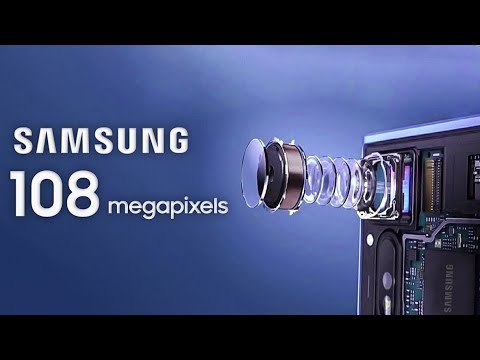
    The Mi Note 10 and the Galaxy Note 10 Plus are an odd match-up – comparing a decidedly mid-range phone with a full-fledged flagship does not seem fair. The similarity in their names has nothing to do with the reason we’re comparing the two phones. The upcoming Galaxy S20 will reportedly feature a 108MP primary camera as a part of a multi-module setup – which is a massive upgrade from the 12MP camera setup.

    Galaxy Note 10 Plus
    Galaxy Note 10 Plus

    A Quick Comparision

    Comparing the two phones will give us a clear picture of how much better the cameras on the S20 will be.  First things first, the 108MP camera is not nine times better than a 12MP one. Camera systems are complicated – and since the two cameras come from two different generations of sensors, a direct comparison of area, size, or megapixels is not practical. Regardless, getting the numbers out of the way will help.

    The 108MP sensor has roughly three times the area of the 12MP sensor. There are 2.25x more pixels on the Xiaomi Mi Note 10‘s camera. When you combine four adjacent pixels into one, the resulting pixel is about 30% larger than the average pixel on the Galaxy phone. Modern mobile camera systems boast not only stellar hardware, but they also make use of cleverly designed software. Multiple photos are stacked seamlessly in the background, which helps reduce noise, enhance dynamic range, and capture better night shots.

    Galaxy Note 10 Plus Display
    Galaxy Note 10 Plus Display

    You would guess that a photo by a 108MP camera would be much, much better than a photo captured by a 12MP camera that has been around for several years now. In general, yes, the pictures have more detail; however, the greater detail does not necessarily make the photos better. Let us first look into both the phone’s hardware before drawing any conclusions.

    Camera Hardware Overview

    Xiaomi’s Mi Note 10 is the first phone to come out with a 108MP primary camera. The camera sensor is an extension of a lineup that comprises of a widely used 48MP model, a 64MP model that’s getting increasingly more popular, and a robust 32MP model primarily utilized in front-facing camera applications. All of these sensors have different sizes, but they work on the same concept – they use a Quad Bayer filter array (and not the Bayer filter).

    Mi Note 10 Features
    Mi Note 10 Features

    The semantics of why it’s called ‘Quad’ are a bit murky; however, the essence of it is that the filter groups four neighbouring pixels under the same Red, Green or Blue colour filter. The grouping allows the four of them to capture the same primary colour at different exposures.

    In this way, a 48MP Quad Bayer sensor ends up capturing a 12MP image that has a better dynamic range, lesser noise, and a little extra detail that the conventional 12MP sensor would capture. Applying the same principles to the 108MP sensor in the Mi Note 10, we get a resultant 27MP image in the default camera mode. The hardware specifics of both the cameras are consequential to the images we capture from the two.

    Mi Note 10 Imaging
    Mi Note 10 Imaging

    Camera

    First up, the Mi Note 10’s primary camera sensor is adequately large – coming in at 1/1.33″, it is the largest camera sensor found on a phone’s camera in modern times. When you couple that with a bright f/1.7 aperture lens, the result is the thinnest depth of field on a phone camera. It can mean different things – either a nicely blurred background in portraits you shoot or a loss of sharpness in the scenes with varying depth. The loss of sharpness is particularly apparent with nearby subjects since the depth of field gets even shallower.

    On the other hand, the Galaxy Note 10 Plus features a dual aperture mechanism on its primary camera setup, and hence, can stop down to f/2.4 in a good light. In good lighting, you will get some extra sharpness and extra depth of field in the images you shoot, but the camera is capable of opening up to f/1.5 to gather more light (when the scene calls for it).

    Mi Fingerprint
    Mi Note 10 Fingerprint

    Even though it is a smaller sensor, it is no match the Mi Note 10’s light gathering capability. Technically, the Mi Note 10 should have the edge over the Galaxy phone, on the grounds of sensor size and optics rather than mere resolution. However, looking at the samples themselves before concluding makes it much more apparent why exactly the 108MP camera is better than the 12MP camera.

    Daylight Samples

    On comparing the daylight samples of both the phones, here are the differences you will notice:

    • The Xiaomi phone has resolved the dotted pattern on the balcony blinds. Meanwhile, the Note 10+’s lower resolution camera combined with Samsung’s sharpening algorithms results in a ‘made-up’ rendition of the patterns.
    • All 12MP cameras fail at this in one way or another, so the revelation is not shocking by any means.
    • The Mi Note 10’s higher resolution benefits in this case.
    • There is also finer detail and crispness in the image captured by the Xiaomi phone – and you
      Mi Vlog and Night Mode
      Mi Note 10 Vlog and Night Mode

      will begin to notice some of the details the Samsung phone did not capture.

    • The Galaxy Note 10+’s rendition of random detail like the grass looks particularly artificial, while the Mi Note 10 captures a much more natural photo.
    • The Mi Note 10’s images could use post-processing tweaks, and a little sharpening and contrast/ adjustment will go a long way and bring some more pop in the photos.
    Galaxy Note 10 plus Imaging
    Galaxy Note 10 plus Imaging

    Verdict

    The Xiaomi Mi Note 10 offers meaningful resolution benefits over the Galaxy Note 10 Plus; however, the increase in detail is visible when viewing the images up close only. On the other hand, for social media sharing purposes and at standard magnifications, other aspects of the image’s quality take centre stage.

    Galaxy Storage
    Galaxy Note 10+ Storage

    These include colour renditions and HDR processing, which is where the lower resolution Galaxy Note 10 Plus still reigns supreme. The highly anticipated Galaxy S20 will likely feature a 108MP sensor, and it will be interesting to see how well Samsung uses the sensor to bring ultra-high resolution cameras to the mainstream smartphone market.

  • OnePlus Concept One Smartphone To Use ‘Invisible Camera’ Tech

    OnePlus Concept One Smartphone To Use ‘Invisible Camera’ Tech

    The OnePlus Concept One impressed crowd with its ‘Invisible Camera’ technology at CES 2020. And the same tech is coming to a future OnePlus smartphone. Pete Lau, OnePlus’ CEO, confirmed this during a recent podcast with The Verge. Mr. Lau made his first-ever appearance on a podcast as a guest at The Verge. During the half-hour podcast, he confirmed that the OnePlus Concept One’s ‘Invisible Camera’ technology would come to a production smartphone in the future.

    He did not say exactly when, though, and no further details have been revealed. Mr. Lau did say that it will happen soon. In the same podcast, the CEO also confirmed that OnePlus doesn’t plan on releasing a foldable smartphone anytime soon.

    OnePlus Invisible Camera
    OnePlus Invisible Camera

    OnePlus Concept One: Invisible Camera

    Now, if you’ve been out of the loop, the ‘Invisible Camera’ technology is quite impressive. OnePlus implemented an electrochromic glass in the back panel of the OnePlus Concept One. This electrochromic glass turns opaque when a current passes through it. The glass turns opaque, causing the camera lenses behind the glass to disappear – giving the phone a modern and sleek look.

    Once you turn off the current by opening the Camera app, the glass becomes transparent, and the cameras work normally. The glass is not just a cosmetic feature since the lenses also use the glass as an ND filter. The ND filter can be activated via the Concept One’s ‘Pro mode’ option in the Camera app. The ND filter offers a ton of benefits. The filter enables you to have longer shutter speeds, which blocks excessive light from reaching the lens.

    OnePlus Concept One
    OnePlus Concept One

    ND filters are a technology that digital cameras on the market have been using for quite some time now. It is possible that OnePlus will release the Concept One smartphone at some point, and not create another phone as a whole. Mr. Lau did not clarify whether this will happen, or the tech will come packed in an entirely new phone. We can assume that the OnePlus 8 series phones will not come with the electrochromic glass. Nothing suggested that it will, at least till now. Plus, the Concept One wouldn’t have featured it if the were to come with the OnePlus 8 series.

    The OnePlus 8 series is expected to arrive in April or May of 2020. The company is expected to announce the series in May, although the phones may even come sooner than expected. If OnePlus sticks to the release cycle, the OnePlus 8 series will launch in May. However, since rumours and leaks have begun to circulate a lot earlier than before, the handsets could arrive in March or April. The OnePlus 8 series will have three phones – the OnePlus 8, the OnePlus 8 Pro, and the OnePlus 8 Lite.


  • Honor 9X review | All Details And Specifications

    Honor 9X review | All Details And Specifications

    The Honor 8X was without a doubt one of 2018’s most impressive budget phones that went out of its way to combine both a big screen and tiny bezels and power under the hood was just overwhelming. The smartphone played its part and did not disappoint.

    That’s why people were pretty hyped up to hear that the smartphone of the year had a baby brother; the Honor 9X. There is a lot of controversies and both good and bad media that surrounded this phone’s release. We want to have a glimpse at how the phone is and how it performs both generally and camera-wise.

    Honor 9X

    The phone’s front is almost literally all screen from top to bottom and side to side and offers a pop-up selfie camera not forgetting the thee back cameras that this bad boy has.

    9X Phone from Honor has a Kirin 710F processor which is in itself a mid-range chipset and a storage capacity of 128GB which is backed up with 4GB or 6GB ram according to the user’s preference and taste. The phones bag a 4000mAh battery that will offer you a substantial amount of usage time.

    We are going to have an in-depth analysis of the phone to find out if it has the characteristics that could dim it worthy to be flagged as great as the Honor 8X was.

    Camera

    The camera on the phone is capable of shooting a resolution of 12MP on default. The maximum resolution of the main camera is, however, 48MP which is needless to say very good and just by using the default 12MP camera setting you to get quite crisp images.

    Though one thing that’s for sure is that this phone is not going to necessarily win any best camera phone of the year awards. But the general camera is awesome and works okay for a phone of this kind of budget.


    The phone delivers better noise-handling through down-sampling pixel-counts. Though when in good lighting the user can be able to use the max resolution setting. This means that the average camera work is just good for taking general pictures so in case you want to have some professional shots then I personally wouldn’t recommend this phone.

    The phone is quite elegant and is among the few Huawei phones that still have Google’s licenses incorporated within it. Those who are aware of Huawei’s past will tell you about how the device was first banned in the US etc.

    Well, a good look on the phone will show you how much it bears a great resemblance to the much popular Huawei P Smart Z. Now, most critics have complained that the device is not new but rather a spin-off of the original P smart Z device. I do not want to throw any shade or start off any infinite debates, but I’ll just describe the phone what it is; A good smartphone.

    Design

    The device has a sleek design and a very awesome screen to body ratio. The notch-less screen goes a long way in defining the phone’s character and its general appealing features. The company did an awesome job in designing this device as it bears so much youth and confidence within it.

    The navigation bars are of course on screen and it has Android 9 including Huawei’s EMUI 9.1. the fingerprint sensor is also presumably really fast.

    The screen is an LTPS IPS LCD with 1080 x 2340 px resolution all under 6.9 inches scoring an aspect ratio of 19.5:9.

    The main disappointment of this device, however, is the lack of an ultrawide shooter.

    Battery

    The phone’s battery is quite admirable, you can charge it using a USB type C port. It is very awesome especially with the speed that this type of USB cable transfers data at. This is something that most smartphones are taking up as a new look for their devices.

    There is very little that you can hear of this device in general. Other than it’s a good device and will serve all your basic needs for a phone that is priced at such a budget price.

    Unboxing

    In the box, Honor 9X phone comes with a company built screen protector, a charging cable, an adapter, and a pair of earphones for the latter. This is a basic set like all other smartphones and the thing that is making this phone better is a 3.5mm jack for earphone usage. The phone also connects to GSM/HSPA/LTE networks which are quite useful in today’s smartphone world.

    Unboxing Honor 9X

    What’s worrying, however, is how many bad reviews it keeps getting against its good reviews. The phone is a budget phone, therefore, comparing it to other high-end devices would be a big downgrade for anyone with any actual smartphone knowledge. These types of phones work to deliver as many features as they can while also trying to maintain their average budget.

    This being said, I can personally declare that the HONOR 9X goes a long way in performing all of its duties as a budget smartphone and just having all the features it has alone is enough to call it a phone that is worth the money that it offers. With three rear-facing cameras, who wouldn’t want to have a smartphone of this caliber and with such great attributes.

    Bottom Lines

    Aside from that, the general design of the smartphone is just as admirable as it is mouth-watering. There’s just so much that is admirable off of the very look and feel of Honor 9X. In fact, if not for the ultra-wide camera, it is definitely a phone worth getting yourself.

    Especially if you are working on a tight budget and are heading for something that is both elegant and having a good set of specifications under the hood.

    More about the phone is available on Huawei’s official sites and reference sites as well as information about the pricing and everything else about the phone.

  • Will my phone get Android 9 Pie in 2020?

    Will my phone get Android 9 Pie in 2020?

    While Android 9 Pie is not exactly new, not every device is running on it. Many devices from different manufacturers are slated to receive Android 9 Pie update in 2020. Since your smartphone is expected to be more secure and functional, this update is an important piece of news. Let’s take a look at all the smartphones that are getting the Pie update this year.

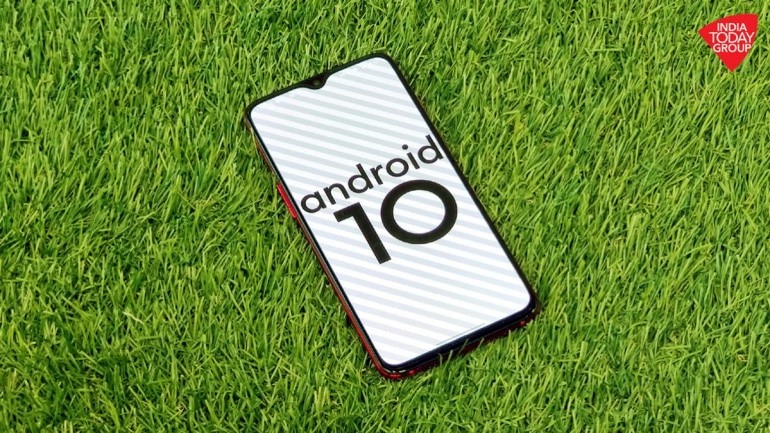
    While most smartphones are either included in an updated plan or have already received the update, there are some unfortunate models that were promised with the Pie update but have not received it yet. BlackBerry KEY2 is among them. Most of Google devices are now running on Android 10. Google’s Pixel phones already have received Android 10 updates.

    LG V30 will receive its update this year. Other popular devices by LG, including LG G7 ThinQ, LG V30, and LG V20 have already got the update. OnePlus devices scheduled for the Pie update include OnePlus 6, OnePlus 5/5T, and OnePlus 3/3T.

    Samsung: Android 9 Pie Update

    Looking at Samsung’s update schedule, the phones that are expected to receive the update in 2020 are below.

    • Galaxy S9/S9+
    • Galaxy Note 9
    • Galaxy Note 8
    • Galaxy S8/S8+
    • Galaxy A6/A6+
    • Galaxy A7 (2018)
    • Galaxy A8 (2018)/A8+ (2018)/A8 Star
    • Galaxy A9 2018
    • Galaxy J2 2018/J2 Core
    • Galaxy J4
    • Galaxy J6+
    • Galaxy On7
    • Galaxy Tab S4 10.5
    • Galaxy J4+
    • Galaxy J6
    • Galaxy J7 (2017)/J7 Duo/J7 Neo
    • Galaxy Tab S3 9.7
    • Galaxy Tab A 2017
    • Galaxy Tab A 10.5

    "<yoastmark

    Huawei 

    Huawei is counted to be one of the largest and most popular manufacturers. The official announcement for Pie update includes the following devices.

    • Huawei Mate 10
    • Huawei Mate 10 Pro
    • Huawei Mate 10 Porsche Design
    • Huawei Mate RS Porsche Design
    • Huawei P20
    • Huawei P20 Pro
    • Honor 10
    • Honor View 10
    • Honor Play

    Sony

    While Sony too has not gained popularity in the Android smartphone sector, it still provided its Pie updates

    • Sony Xperia XZ2
    • Sony Xperia XZ2
    • Sony Xperia XZ2 Compact
    • Sony Xperia XZ Premium
    • Sony Xperia XZ1
    • Sony Xperia XZ1 Compact
    • Sony Xperia XA2
    • Sony Xperia XA2 Ultra
    • Sony Xperia XA2 Plus

    "<yoastmark

    Motorola

    Coming to Motorola, the following phone will get the Android 9 Pie update. In fact, some of them have already received it.

    "<yoastmark

    Nokia Android 9 Pie Update

    Nokia, for its part, is working on releasing an update for the following devices.

    • Nokia 3
    • Nokia 5
    • Nokia 5.1 Plus
    • Nokia 6
    • Nokia 6.1
    • Nokia 7 Plus
    • Nokia 7.1
    • Nokia 8
    • Nokia 8 Sirocco

    HTC

    HTC has not really been doing well in the last few months. However, the company is updating the smartphones mentioned below.

    • HTC U12+
    • HTC U11
    • HTC U11+
    • HTC U11 Life

    With almost all the leading smartphone device manufacturers planning on Android 9 Pie update, we hope you receive the update soon. The exact dates of these updates are not known. Since the roll-out has already started, you should probably receive it soon enough. Keep an eye out!

  • Pocophone F2 Could Just Be A Rebranded Redmi K30

    Pocophone F2 Could Just Be A Rebranded Redmi K30

    Xiaomi’s Poco brand is called Pocophone in other countries besides India. The company recently announced that they plan to get started on developing mobile games in 2020. Poco has only one phone to its credit so far. However, despite this, the Poco F1 became quite popular. The next in the series, the Pocophone F2 will be out for release sometime in 2020. 91mobiles recently found out a listing for a new Poco device on the Bureau for Indian Standards (BIS) website. Here, the model number listed suggests that the upcoming phone might not be an entirely new device. According to the BIS listing, the POCO smartphone is featured with a model number M1912G7BI. This points us to the Redmi K30 4G. If you take a look at the Chinese listings for Redmi K30 4G, you will see that it comes with model numbers M1912G7BC and M1912G7BE.

    Redmi K30
    Redmi K30

    Xiaomi has its own practice of coming up with a model number. In its devices, the company generally uses the last letter in the model number to denote the target market. So, the C and the E refers to the Chinese and European markets respectively. The new model number, M1912G7BI, ends with an I. This suggests that the device is likely to be sold in the Indian market.

    Xiaomi and Poco

    At the moment, there is not much detail on whether the Redmi K30 4G is the basis for Poco’s upcoming device, Poco F2. However, it is pretty sure that the model that is based on K30 4G will definitely come out under the Poco brand. This phone will have a Snapdragon 730G processor, up to 256GB of expandable storage, 6GB to 8GB of RAM, and a 4,500mAh battery. The phone is likely to be retailed as an upper mid-range model.

    The Redmi K30 4G features a 120Hz FHD+ 6.67-inches LCD screen in addition to a headphone port and a side-mounted fingerprint scanner. On the camera front, the device has a dual punch-hole cut-out for a 20MP/2MP sensor pairing. The quad rear camera setup boasts of a 64MP main camera, 8MP ultra-wide sensor, 2MP macro camera, and 2MP depth sensor. The phone’s price will be almost similar to the Chinese market.

    Pocophone F2
    Pocophone F2

    Pocophone F2

    The upcoming Poco smartphone, the Poco F2, is basically a rebranded Redmi K30. It will simply be Redmi K30 in terms of looks and most of the specs. The software will be a bit different. POCO will have its own take on MIUI on top of the phone, but the design and display are likely to stay the same.

    The Poco F2 will run on MIUI Global 11.0.2 on top of Android 10. With regards to the design, the device will have a pill-shaped display hole in the top-right corner. This is quite similar to the K30 model. All this is mere speculation doing the rounds on the internet since the company has not made any official announcements. Leaked information from different sources points us in this direction. The details about the F2 emerged on a Polish website with an image of the device.