Category: Phones

  • Redmi Note 8 Pro Vs Realme X2: Tested By Our Team

    Redmi Note 8 Pro Vs Realme X2: Tested By Our Team

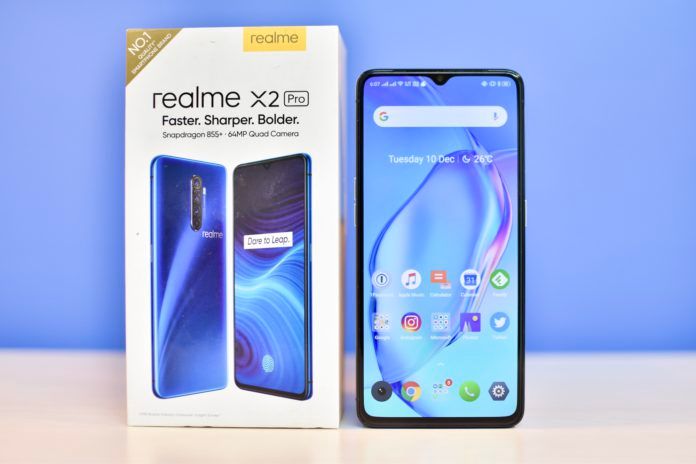
    Realme is a huge brand and a sister company of Vivo and Oppo. The main strategy of the company is to go ahead of Xiaomi and its ultra-successful Redmi lineup. They are working to create better products that Xiaomi’s Redmi series, both in terms of the features and price. Surprisingly, Realme has managed to be quite successful with the company releasing several popular products in 2019. Xiaomi and Realme engaged in a furious battle to prove their superiority against each other. The two most well-received models are Realme X2 and Redmi Note 8 Pro. Let’s see who wins the “Redmi Note 8 Pro Vs Realme X2” battle.

    Redmi Note 8 Pro Vs Realme X2
    Redmi Note 8 Pro Vs Realme X2

    Both these smartphones have quite a few features in common, such as a beautiful design, gaming-friendly performance, same-sized screens, and matching camera setups. Where the Realme smartphone boasts of a high-tech under-display fingerprint reader and a Super AMOLED panel, the Redmi smartphone comes with the latest MIUI version 11 and a massive battery. In this post, let’s take a look at how the Redmi Note 8 and Realme X2 perform against each other.

    Design and Build: Redmi Note 8 Pro Vs Realme X2

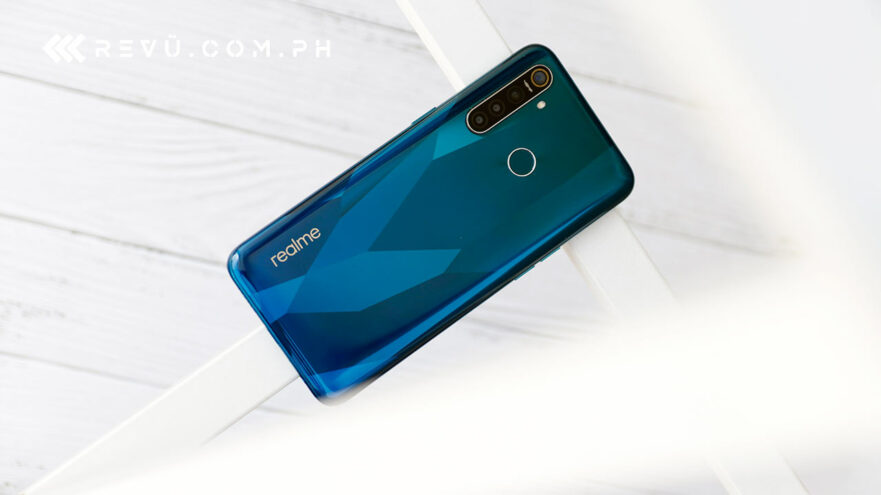
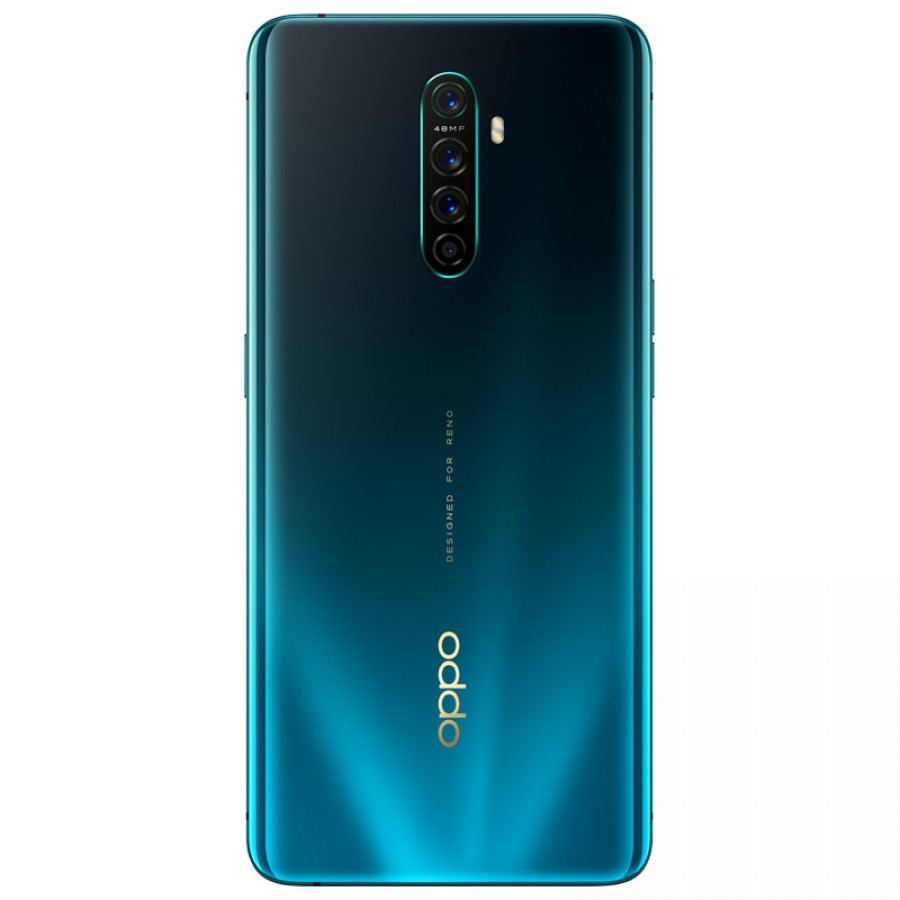
    If you are looking to differentiate between the phones in terms of build and material quality, both of them are quite similar. Both the model feature plastic frames and Gorilla Glass 5 panels. At the rear, Realme’s camera is located at the top left corner while Redmi’s camera is in the centre. Both offer classic white and black colours in addition to some vibrant ones. The screen is very similar with both the models sporting a large screen with rounded corners and droplet-cutouts. While the Redmi Note 8 Pro features a large 6.53″ IPS LCD screen, the Realme X2 has a smaller but 6.4″ Super AMOLED display.

    Since the Realme X2 has a thinner OLED panel, it also comes with an under-screen fingerprint reader. While Redmi’s scanner is at the back and not under-screen, it tends to work better and faster. The Redmi Note 8 Pro has a small white notification LED in the notch where the X2 does not have something like this at all. Realme X2 features a lovely matte finish, offering better handling and grip while the Redmi Note 8 Pro has a simple plastic frame. The X2 comes with a dedicated microSD slot but the Note 8 Pro features a hybrid solution where users can choose to go with either a second SIM card or extra storage.

    Redmi Note 8 Pro Against Realme X2
    Redmi Note 8 Pro Against Realme X2

    Displays

    The Realme X2 features a 6.4″ Super AMOLED screen with a waterdrop-styled notch. The smartphone has a resolution is 1,080 x 2,340px resolution with 19.5:9 aspect ratio and 403ppi density. As discussed above, the panel has rounded corners with Gorilla Glass 5 protecting it. The Redmi Note 8 Pro, on the other hand, has a larger 6.53″ IPS LCD screen. This model also has a waterdrop-shaped notch, 1,080 x 2,340 pixels resolution, and 19.5:9 aspect. However, the pixel density has dropped to 395ppi since the size of the panel is larger. We cannot compare the maximum brightness of the two phones since the brightness of AMOLEDs and LCDs cannot be reasonably compared since they are two completely different types of screens.

    Battery Life

    Coming to the battery, the X2 has a 4,000mAh battery while the Note 8 Pro beats that with a slightly larger one at 4,500mAh. In the tests, the Redmi Note 8 Pro performed better in web browsing, standby, and 3G talks. However, with video playback, the X2 did much better than the Note 8 Pro. In charging speeds, we can see a difference. The Realme X2’s battery is smaller and hence, the faster 30W charger allows the device to be charged to about 67% in 30 minutes. With regards to the Redmi Note 8 Pro, its 18W charger managed to charge only about 39%. For a full charge, you can expect the Note 8 Pro to take slightly more than 100 minutes while the X2 can get it done in 73 minutes.

    Redmi Note 8 Pro Camera
    Redmi Note 8 Pro

    Audio and Speakers Quality

    Both Redmi Note 8 Pro and the Realme X2 feature bottom-firing speakers with more or less the same output. We have noticed that the Realme X2 is slightly louder and better than the Note 8 Pro. With audio, both smartphones did extremely well. The Redmi Note 8 Pro can reach pretty high volume levels without distorting the sounds. Both devices worked excellently with an active amplifier and gave quite accurate outputs.

    ColorOS 6.1 Vs. MIUI 11

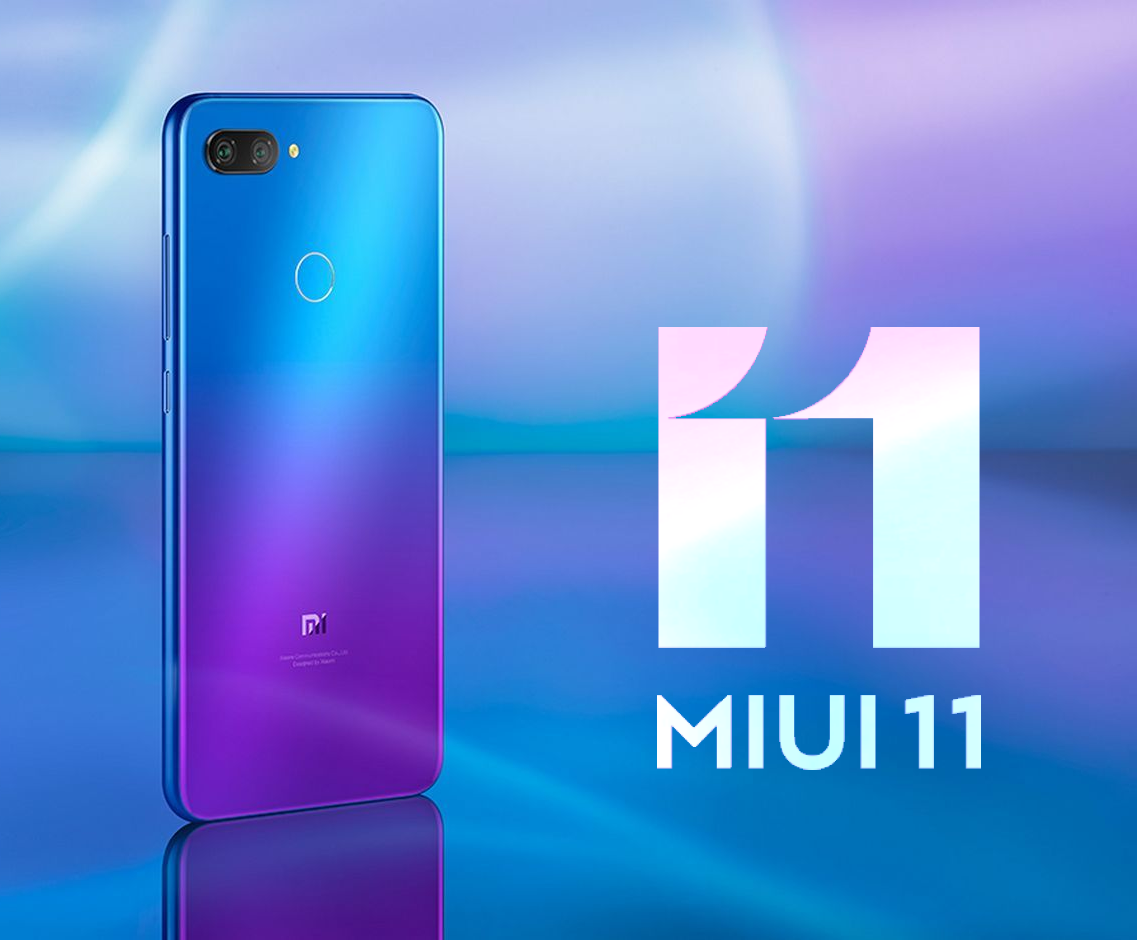
    Both the Redmi Note 8 Pro and Realme X2 run on Android 9-based launchers. The X2 is working on ColorOS 6.1 and is shortly expected to get the ColorOS 7 update in a few weeks. On the other hand, the Note 8 Pro is running on MIUI 11. Even if the device you purchase is with MIUI 10, you will find an MIUI 11 update waiting for you. Both ColorOS and MIUI has been in the works for a long time and the developers have been perfecting it. While they both look vastly different, they work on pretty similar lines, such as customization, robust options, and a simplified interface.

    Realme X2 Camera
    Realme X2

    Camera Comparision

    The X2 has a quad-camera at the rear with a 64MP primary cam with f/1.8 aperture, 0.8µm pixels, and PDAF. The 8MP ultra-wide snapper comes with 13mm f/2.3 lens and 1.12µm pixels, 2MP the macro camera is with f/2.4 with larger 1.75µm pixels, but its focus is fixed. The last one is a 2MP depth sensor and the set up comes with a single-LED flash.

    Coming to the Redmi Note 8 Pro, the phone also has a 64MP primary with f/1.89 aperture, 0.8µm pixels, and PDAF. Other sensors include an 8MP snapper with 13mm f/2.2 lens and 1.12µm pixels and a 2MP macro camera with f/2.4 aperture, 1.75µm pixels, and autofocus. The phone also has a 2MP depth sensor and dual-LED flash.

    Verdict: Redmi Note 8 Pro Vs Realme X2

    Both Realme X2 and Redmi Note 8 Pro are well-known rivals. However, they are quite similar in their features as well, not to mention the price tag! If you are not partial to one of the brands, you may have a hard time choosing between them since both the device perform equally well in most aspects.

  • Samsung Galaxy S10+: A Masterpiece on the desk

    Samsung Galaxy S10+: A Masterpiece on the desk

    Korean tech giant Samsung has sealed a decade embark on the launch of its Galaxy ‘S’ flagship series in 2019. To celebrate this, Samsung has launched the ‘Samsung Galaxy S10+’ flagship model. It is the latest smartphone in the series. Some sounds in the market claim it to be a master class and one of its kind. It has received a massive load of accolades from consumers as well as reviewers.

    Samsung Galaxy S10+ A Masterpiece on the desk

    Samsung Galaxy S10+ is a feature-packed bundle with a master quality build. It is superior and not in the same breath as its predecessors. Performance, build quality, camera, display, all are excellent and par expectations.

    Compared to its predecessors, Samsung has improvised the display and brilliant front camera positioning, long battery standby time, and a stunning new fingerprint sensor. It is available for sale online. It comes with a ram of 12 GB and a disk space of 1 TB.

    Let us get into detailed features of the celebration boy, a masterpiece now.

    Display

    The phone has a 6.4-inch Infinity-O Super AMOLED display. Undoubtedly, the viewing angle is wide with an excellent brightness level, enough not to struggle in the sunlight. Although S10 had a decent display with sufficient yellowness, yet Samsung has performed some fine-tuning of whites and colors.

    Few users may be at loggerheads here because it comes with only two display modes – Vivid and Natural. Just a tip for people who draw or doodle frequently – palm rejection technology isn’t entirely in the good books of S10+.

    A new feature is an on-screen fingerprint sensor. It has no physical boundaries, so you may have to learn a bit to hit the right spot. It does take a few seconds to come up. Also, there is no Iris sensor, so, it’s just physical fingerprint and facial recognition device.

    Design

    It is an extremely well-designed model with glass-metal combo fitting in a 6.4-inch display, making it a perfect luxury blend. It is pretty much similar in design with its antecedents S10e and S10s.

    There are two new features clubbed in the new piece. We’ve already talked about the fingerprint sensor. The front camera has got a private cut-off space, unlike S10, in which it covered the bar, reducing overall display height. With the cut-off display, height is increased up to all edges.

    Somehow, a few users may feel it blemish, but we’re sure you’ll get used to it. It’s salty to eyes initially, but you’ll mostly forget it once a movie takes your mind away from it.

    S10+ doesn’t do justice with your pocket size, as it’s too big to fit in most. Although, decent finish and elegant curved edges are soothing. It is handy and doesn’t slip. Thanks to its curvy edges at both sides.

    The overall design is classy, handy, and royal, with very fewer bezels around the cameras.

    Performance & Software

    Here as well, S10+ is unparalleled. S10+ has an Exynos 9820 processor with an 8 GB of RAM. It makes the phone a highly optimized one. No need for closure of background apps.

    8 GB RAM has brought laurels to the performance of the phone. You’ll be the happiest if you’re a gamer. Even if you open two high-end games alongside a few Social Medias, S10+ won’t let a wrinkle come over your head.

    S10+ is smoother than its predecessors. Also, due to the 4,100 mAh battery, it attracts you to use it over and over again. The phone tends to get hot but very minutely, which won’t bother you.

    It features Android Pie and One UI 1.1. Digital well-being and Bixby routine are new features of One UI 1.1. You can set methods for app/features opening and closing.

    Camera Quality  

    Excellent! One word sums up everything. Both rear and front cameras have par performance. It has 10 MP + 8 MP dual front cameras with minute bezels. You can use live focus with the front camera and play with many decorative features. You can consider it as a benchmark for future front cameras. Although, you may have to struggle a bit with its low-light performance.

    The phone has a triple rear camera of 12 MP primary, 16 MP & 12 MP secondary lenses. Samsung has added a lot of new features to the rear camera. To name a few – best shot, scene optimizer, HDR 10+ video recording with manual brightness setting, live bokeh, zoom bokeh, etc.

    However, the show’s topper is the 16 MP ultra-wide sensor. You can click ultra-wide pictures even after standing at a shorter distance. It offers you extremely superior quality without any noise. Overall, there will not be any daytime photography disappointment for you. However, night photography is more dependent on the camera’s self-judgment.

    Battery Life

    Samsung Galaxy S10+ has a 4,100 mAh battery, which is long enough for you not to charge it more than once a day (provided you’re a busy person out of mobiles). It doesn’t heat much to make you feel anything about it.

    But S10+ isn’t as good as its predecessor, S9. In terms of battery, S10+ is a little disappointing for users.

    Battery performance may get better with usage due to its”24hr intelligent battery” feature. A blend of 4100 mAh with Exynos, isn’t a very impressive move by Samsung.

    While market trend and benchmarking data still crown the Snapdragon processor to recommend battery performance. With 10 watts + power output, fast wireless charging is undoubtedly a clap for S10+. So far, the only attractive feature of battery.

    Conclusion

    It is a high-end and note consuming model, with a price range of $480 – $520. Price differs in different regions worldwide. It was released in mid-2019. It does have some fantastic features that fully justifies it as Samsung’s best flagship model. There are few hiccups compared to its rival Pixel and iPhone 11. With all the anniversary wishes, Samsung has put all the best features on the phone to let all users celebrate this victorious milestone.

  • Blackberry Goes Incognito Again After TCL Terminates The Contract

    Blackberry Goes Incognito Again After TCL Terminates The Contract

    The fate of Blackberry is still unknown after its official account tweeted the news, declaring that TCL will no longer have legal rights to design, develop, or even sell the BB mobile phones. These instances have dragged the brand into a dormant state, leaving its future unpredictable. It is the second time when it is going into limbo. TCL had previously taken over the dormant brand late in 2016, and this brought some hope. TCL did an excellent job and brought some light into the brand’s future. They came up with some fantastic devices, and everything seemed to be working out correctly until they announced that they would no longer make blackberry devices.

    If you have been keen on the series, you will realize that Blackberry Key 2 LE will, therefore, be the last version to be designed, manufactured, and sold by TCL. The other brand versions that Blackberry produced include Blackberry Key One and Blackberry Key 2The BB phones produced by TCL carried over the best features that brand’s lovers liked the most from the previous versions. To be precise, the physical keyboard, the durable battery, and some other security aspects made this brand version standout amongst the earlier versions.

    Blackberry
    Blackberry

    Why Has TCL Stopped Making Blackberry Phones?

    The agreement signed did not specify any specific duration within which TCL would produce BlackBerry phones. It was a long-term contract. The official announcement of the deal was made back in 2016, and it is now four years down the line. No one has a robust source of why TCL decided to terminate the agreement.

    The contract lifetime could have expired, or it could be due to poor market performance. Or it could be as a result of TCL’s plans to end the contract for reasons best known to them. Most likely, they may have made plans to uphold the world’s current domination in smartphones. It is essential to know that none of the above reasons is confirmed.

    What Is The Future Of Blackberry?

    The fact that TCL stopped making the phones doesn’t mean that it is the end of it. Who knows, another company might pick it up in the long run and still make more phones. The name is still recognizable and could earn a company quite a lot if firm strategies are effective. But even at that, we always have a clear sight of where Blackberry is going!

    Meanwhile, Blackberry is still operating, but this as a software company. The CEO, John Chen, had cancelled all its smartphone operations since he took over the company back in 2013, and that’s how TCL got their hand on the Global Blackberry License. Even though TCL does not make BB phones anymore, they have, however, promised to offer Customer Service and warranty support to every single functional phone out there till the end of August in 2022.


  • Xiaomi Redmi K30 5G Comes With a Price Tag of US $300

    Xiaomi Redmi K30 5G Comes With a Price Tag of US $300

    5G connectivity is a new thing. While not many players have jumped into this wave just yet, it is already making inroads among the common people. The premium smartphones like the Samsung Galaxy S10 5G and Huawei’s Mate 30 5G, which cost around the US $1000, were among the first generation of smartphones to receive 5G connectivity. Hence, the company is looking forward to disrupting this trend a bit by bringing a more affordable option into the market with Xiaomi Redmi K30 5G.

    More About Xiaomi

    Xiaomi is known to make affordable handsets, incorporating most of the premium features of bigger brands into compact and low-cost packages. Continuing on this path, it is now working to make 5G connectivity much more affordable. It’s a new smartphone, the K30 5G from the sub-brand Redmi is slated to cost one-third the price of a premium smartphone.

    Xiaomi Redmi K30 5G
    Xiaomi Redmi K30 5G

    Redmi K30-Features & Specs

    The K30 5G was unveiled recently in Beijing for 1999 Yuan or approximately US $285. The Xiaomi Redmi K30 5G also comes in two variants, with 5G, and without 5G. Both these versions are available for pre-order and are expected to be shipped soon.

    Even though the phone is much cheaper than the premium brands, it doesn’t compromise on the quality. It comes with a robust build housing a fast processor that can help you do various tasks like playing games, streaming videos, and switching between the apps much more smoothly. It also comes with a 64MP rear camera and a 20MP front selfie camera. Analysts see the launch of Redmi K30 as the starting of more affordable 5G phones. With more and more carriers getting on the 5G wave, it looks like Xiaomi is all set to make the most out of it.

  • Where Did Xiaomi’s Mi Mix Alpha Go?

    Where Did Xiaomi’s Mi Mix Alpha Go?

    As the year ended, it left the smartphone users with an important question, what on earth happened to Xiaomi’s futuristic smartphone, the Mi Mix Alpha one? It created a worldwide buzz when it was presented in September 2019, stating that it would become available in the last week of December 2019. It would have become Xiaomi’s new year’s gift to the smartphone watchers.

    Mi Mix Alpha’s Features

    This futuristic smartphone has a feature of the flexible screen that can wrap itself around the edges, who wouldn’t want that? This model promised viewers that it would have a triple camera setup, including a 108-megapixel shooter. This smartphone makes the Chinese tech company’s most expensive flagship!

    Xiaomi’s Mi Mix Alpha
    Xiaomi’s Mi Mix Alpha

    Competitors

    Despite all the possible competitors of Xiaomi’s Mi Mix Alpha, Huawei dared to launch its foldable Mate X in November 2019.

    Promise Of Future

    Its been more than a month, and yet the Chinese tech company doesn’t have a date for Mi Mix Alpha’s launch, probably due to the technical endeavours it carries, but they have said they would launch it as soon as they can. They are just speculations flying in the air of technology until we know more about the smartphone’s launch. The phone did cast a lasting appearance on Alibaba’s T-mall and Xiaomi’s online store in December but could not be bought by the smartphone searchers!

    Last Word

    Let’s hope we don’t have to wait for an undisclosed amount of time for Xiaomi’s Mi Mix Alpha smartphone to get launched! With such breath-taking features intact, the smartphone users find it difficult to wait around.

  • MIX Alpha Concept Phone by Xiaomi Soon To Hit the Markets

    MIX Alpha Concept Phone by Xiaomi Soon To Hit the Markets

    It’s been quite a while since Xiaomi unveiled its revolutionary MIX Alpha concept phone to the world. The all-screen phone, which created quite a buzz in the market when it was first revealed, maybe hitting the markets soon. Xiaomi launched the first phone in the Mi MIX series back in 2016. The phone, which was only intended to be displayed as a concept to show the future of smartphones, created quite a buzz in the market due to its Bezel-less display. This success pioneered the launch of a new series that showcased new and improved technologies like the piezoelectric earpiece and the slider mechanism. But, the MIX alpha, which was launched last year, blew the ball straight out of the park.

    MIX Alpha Concept Phone
    Xiaomi’s MIX Alpha Concept Phone

    Features & Specifications of MIX Alpha Concept Phone

    This phone comes with a wraparound POLED display, which covers the whole of the front and back except a small strip that contains the camera setup. It’s 180.6% screen to body ratio is genuinely mind-blowing, making it seem like something straight out of a sci-fi movie and speaks volumes about the level of innovation involved.

    The smartphone runs on Snapdragon 855 Plus chipset and comes with a 5G modem to run the show. Also, the 4050 mAh battery can keep the phone alive for an extended period, so that you can play games and enjoy your movies with ease. The 40W fast charging system can help get it all charged up quickly, and the 12GB RAM and 512 GB UFS 3.0 storage will ensure that you never run out of space.

    While it remains to be seen as to how the phone will sit among the masses, one thing is for sure: It will indeed be a landmark in the history of smartphone devices.

  • 5G Smartphone To Be Announced Globally By Realme At MWC

    5G Smartphone To Be Announced Globally By Realme At MWC

    Last year itself, 5G was said to have already become a strong reality. However, not a lot of 5G devices made the rounds. The 5G tech was still blossoming, which meant that most of the first releases were high-end models that most of us could not afford. Since the first-generation Qualcomm Snapdragon X50 modem was not released until December, the modem and carrier support were not very mature either. With the latest Snapdragon X55 modem launched in December 2020 seems to be the year of 5G smartphone. In developed markets, many companies are working to release their 5G products.

    MWC 2020
    MWC 2020

    A vast majority of the 5G smartphones is likely to be powered by Qualcomm Snapdragon 865 and the Snapdragon 765/G. They were released just last month. One of the first 5G smartphones to be launched in 2020 by Realme. The company has released the Realme X50 5G in China. Following the release, Realme plans to have a global release on February 24, 2020, at MWC 2020.

    Realme’s event description states, “Realme will host the first global launch event in 2020. In the 5G era, Realme will be dedicated to being the popularizer of cutting-edge technology, promoting the popularity of 5G networks worldwide and bringing new 5G phones with power and style to global users.” We hope this means that they are planning to launch at least one 5G-enabled device during the event.

    Realme X50 5G

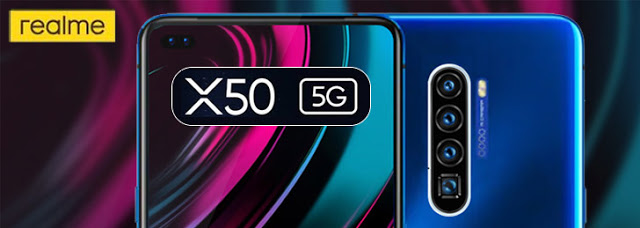
    If the Realme X50 5G does go on for a global release, it could possibly be one of the most affordable 5G models in the market. The phone is designed targeting a mid-range market featuring Qualcomm Snapdragon 765G SoC, 6.57-inch FHD+ IPS LCD with 120Hz refresh rate, 6GB/8GB/12GB of RAM with 128GB/256GB storage, 64MP Samsung ISOCELL GW1 primary camera, and a 4,200mAh battery. The camera unit also includes an 8MP ultra-wide-angle camera, a 12MP telephoto camera with 2x optical zoom, a 2MP macro camera, 16MP + 8MP – regular and wide-angle – punch-hole front cameras.

    Realme 5G Smartphone
    Realme 5G Smartphone

    On the first glance, the specs of this phone seem pretty similar to Redmi K30 5G. This model has only been released in China as of now. We will know more at MWC 2020. Although the products that the different companies are planning to launch has not yet been revealed, we are sure that the focus is going to be on 5G tech and 5G-based devices.

    5G in 2020

    With 5G tech taking off in 2020, Realme plans to be at the front. The company is planning to release its first 5G smartphone at the MWC 2020 scheduled next month. It will also be among the first 5G devices to be released this year. It looks as if Realme X50 5G could be launched in India soon. Besides this model, Realme could also be releasing more smartphones. However, it is not very likely that they will be 5G-enabled models. Maybe following the global released of the X50 5G, we can expect more 5G devices from the Chinese manufacturer.

  • Nokia 400 4G Feature Phone To Come With Google’s GAFP OS

    Nokia 400 4G Feature Phone To Come With Google’s GAFP OS

    In 2017, Nokia returned to the smartphone space with Android One smartphones with solid specs. Even when the company was unable to license smartphones (until 2017), it never lost faith in its feature phones. After HMD Global took ownership of Nokia’s smartphone segment, the company has made efforts to push better feature phones. The Classic Nokia 3310 4G was one of the first feature phones to launch and was instantly a hit. Now, they have come up with the Nokia 400 4G.

    Nokia 400 4G Feature Phone
    Nokia 400 4G Feature Phone

    The company has been in the dark for a while. However, it is now gearing up to launch a new feature phone dubbed ‘Nokia 400 4G.’ Besides the high-speed 4G connectivity, we expect to see it come with upgraded hardware and Google’s new GAFP OS – which is a software tailor-made for feature phones. The smartphone has a TA-1208 model number, and recently got an approval from the Wi-Fi Alliance, and also Bluetooth Certifications. The documents reveal some key details about the phone.

    It will feature Bluetooth 4.2, and support LTE. It will also feature a Unisoc processor, and the SC234X component will facilitate fast Wi-Fi. What’s worth noting is that the 400 4G will be the first handset to come with Google’s GAFP OS out of the box. GAFP OS is a special version of Android made explicitly for feature phones. Some more details of the handset will inevitably surface in the coming days. All the certifications hint at an imminent launch, and we’re just waiting for confirmation from the company.

  • Samsung Galaxy A71 Review

    Samsung Galaxy A71 Review

    Samsung continues to focus on the mid-range mobile market alongside the flagship market. The company showed off a new, striking mid-range phone at CES 2020 – the Samsung Galaxy A71. It believes that the phone will supply customers with everything they want – long battery life, plenty of cameras, and a large screen. The sleek design and the excellent specifications leave critics with no doubts that the phone is targeted towards a younger audience that spends a lot of time online – consuming and creating high volumes of video content.

    The successful relaunch of the Samsung Galaxy A series in 2019, where the Galaxy A40 became the line’s best-seller in the UK and Europe, has given the company the confidence to double-down. The Galaxy A71 sits towards the top of the range – nudging in just behind the newly launched Galaxy Note 10 Lite and Galaxy S10 Lite. The screen, camera, battery combo makes the phone seem like a good deal, but how does it all come together?

    Samsung Galaxy A71
    Samsung Galaxy A71

    In this post, we’ll review the Samsung Galaxy A71.

    Samsung Galaxy A71 Release Date

    The Samsung Galaxy A71 will release in early February, but no specific date has been announced. However, it seems like the phone will be on sale before the Galaxy S20 launch, which is scheduled to take place on February 11.

    Display

    The Samsung Galaxy A71’s design is all about the huge, 6.7-inch display. The display dominates the front of the handset, but the bezels are minimal, and the phone fits in hand better than you’d imagine. It features the Samsung Infinity-O screen technology. It’s not an entirely new style of screen, and we’ve seen it on previous devices from the firm. You will get a punch-hole camera design, with the camera at the top of the display. The camera sits in the notification bar, keeping it out of the way nicely – so not to intrude on general usage.

    Display
    Samsung Galaxy A71 Display

    One discrepancy is that the front-facing camera on the Galaxy A71 takes up more space than the camera on the cheaper Galaxy A51 – even though they have the same lens! The larger camera cut out is down to the fact that the Galaxy A71 uses a Super AMOLED Plus panel (the Galaxy A51 uses the regular Super AMOLED panel). The Super AMOLED Plus panel is thinner and lighter, but the trade-off is the camera cut-out, which needs to be a little larger. It’s not intrusive and does not affect the look or operation of the phone, but it’s a shame that Samsung couldn’t get a smaller camera cut-out for this phone too.

    Design

    The Galaxy A71 measures 163.6x76x7.7mm and weighs a decent 179g, which makes it relatively manageable to use. If you have smaller hands, you will still find it pretty massive, and stretching your thumb to the top of the screen is a struggle – especially during one-handed use. On the right side of the phone, you will find an easy-to-reach power button and volume keys. On the bottom, there’s a headphone jack, next to the 25W fast-charging USB-C port. The back looks stunning – Samsung has developed a new prism effect design for the rear of its latest A-series devices (the A51 and A71). The design gives the phone more character and makes it recognizable. You will be able to find the Galaxy A71 in a range of colours, including silver, black, blue, and pink.

    Samsung Galaxy A71 Camera
    Samsung Galaxy A71 Camera

    Shifting the focus back to the display, it’s 6.7-inch Super AMOLED Plus panel delivers a bright, colourful punch.  The screen has a Full HD+ resolution (1080 x 2400), which makes for a high level of detail on-screen. You can watch Netflix comfortably on this phone. There’s a fingerprint scanner embedded into the display, and users also have the option to use face recognition to unlock the phone.

    Camera And Battery

    One of the most significant selling points for any Samsung phone is the camera – and the A71 has plenty of them. The front-facing, 32MP camera produces high-quality shots, even in lousy lighting conditions. The selfie camera will satisfy selfie fans. On the rear, the Galaxy A71 packs four cameras. The primary sensor is a 64MP, f/1.8 sensor that captures super vibrant and detailed images. The 12MP, 123-degree ultra-wide camera enables you to fit more of your surroundings into a shot by tapping an icon on the screen. You also get a 5MP macro and two 5MP depth cameras for your close-up shots and background blurring effects (which Samsung calls Live Focus).

    Battery
    Samsung Galaxy A71 Battery

    The phone supplies a fully-featured camera experience, with many flagship camera modes and other additional features. The Samsung Galaxy A71 is a bit of a star when it comes to battery life. The company has squeezed a sizable 4,500mAh battery into the handset, which makes the battery bigger than the battery in the Galaxy Note 10 Plus (4,300mAh) and the Galaxy S10 Plus (4,100mAh). As of now, there’s no telling how long it will last on a single charge; however, fans are hoping that they’ll be able to get close to two full days of use before needing to charge the phone.

    Performance And Specs

    The Samsung Galaxy A71 is powerful – it comes with an octa-core processor and 6GB of RAM. Some regions will also get an 8GB variant. The device runs Android 10 out of the box, and the UI feels fluid and fast. You also get 128GB of internal storage, which is more than enough for many. If you do run out of space, though, the Galaxy A71 also has a MicroSD card slot that supports memory cards up to 512GB in size.

    Verdict

    The Samsung Galaxy A71 has a lot going for it, from the large, vibrant screen and power to the massive battery and feature-packed cameras. At the attractive price point, the phone looks like it is using the winning formula and will put Samsung back on top in the mid-range smartphone segment.


  • Motorola Razr 2020 To Have A 5G-Enabled Variant

    Motorola Razr 2020 To Have A 5G-Enabled Variant

    The Motorola Razr 2020 will get a 5G-enabled variant, but it seems like this variant will be exclusively available in China only. The phone is reportedly going to be on display at the China Industrial Design Exhibition in Wuhan, China, at the end of March. It is unlikely that the variant will be available in other regions, but things could change further down the road. As of right now, the Motorola Razr uses the Snapdragon 710 chipset, which is a mid-range chipset. However, the chipset does not support 5G, which means Motorola will need to pop in a new chipset.

    Motorola Razr 2020
    Motorola Razr 2020

    Motorola Razr 5G

    For the Motorola Razr 5G, the company would probably feature a Snapdragon 765G, one of the newer chipsets that Qualcomm revealed in December. It’s still a mid-range Snapdragon 700-series chipset, but it boasts more power than it’s predecessor, and most importantly, it supports 5G. There is no confirmation about the chipset the 5G version of the Razr will use. It could come with either one of the three processors that support 5G – the Snapdragon 765G, the Samsung Exynos 980, or the MediaTek Dimensity 1000L.

    Since the variant is likely to launch in China exclusively, we may see it come with the Samsung or the MediaTek chipset since they are more prevalent in that region. The original Motorola Razr foldable comes with a 2510mAh battery, making battery life a huge concern for users. Fans are also hoping that the 5G variant will come with a bigger battery.