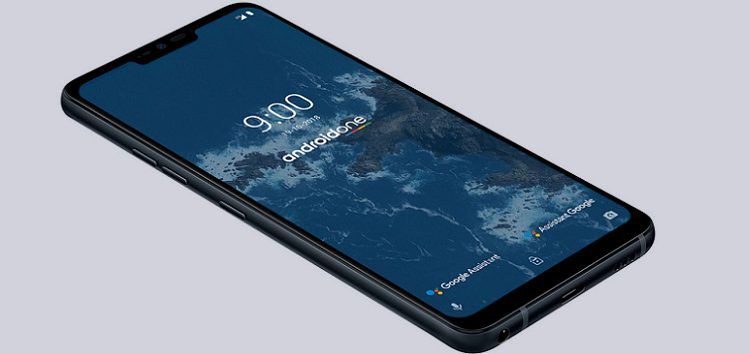
LG G7 One is an Android One based phone. This smartphone is all set to receive an update to Android 10. Earlier this month, LG G8 ThinQ received its Android 10 update. However, this was only for users in South Korea. Other LG devices are running on Android Pie at the moment. LG G7 One was released last year. It runs on Android One, which is Google’s attempt at providing a stock Android experience without the OEM branding. One major benefit of this is that users would be able to receive Android updates almost immediately.
We have successfully reached a stage where we receive new OS upgrades regularly, instead of once in a blue moon. Currently, Samsung started rolling out Android 10 to its 2019 flagships. Sony, Motorola, and LG followed suit. The latest one to receive Android 10 update is LG’s G7 One. Although the company is still working on this, the process has started. The G7 One was also the first LG phones receive the Pie update last year. The update is being rolled out in North America and hopefully, will soon be made available for other areas.
LG G7 One
It looks like LG is taking full and complete advantage of Android One updates. It would be a 750 MB update and will come with the November 2019 security patch. The latest Android OS Upgrade offers improved camera functionality and enhanced usability via Google Patch. The LG G7 One is not the Android One phone to receive Android 10. OnePlus phones, Motorola One Power and Nokia 7.1 also received updates to Android 10 in the last week.
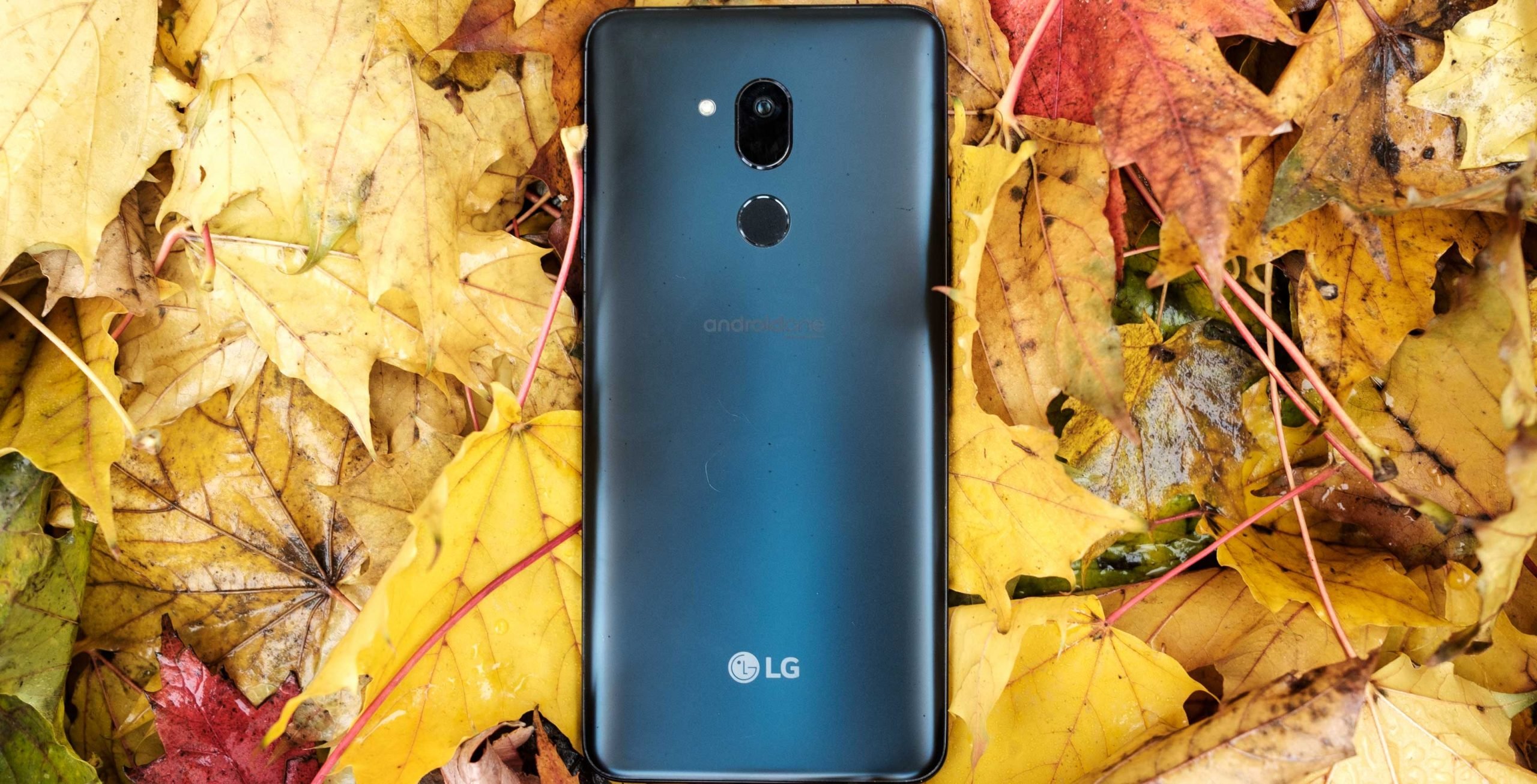
LG G7 One
While the first LG model to receive an update to Android 10 was G8 ThinQ, it was only for users in South Korea. Now, the G7 One model is all set to receive an update to Android 10 across North America. This smartphone was first released in 2018 as part of the Android One Program. That is why it does not come as a shock to know that it is one of the first LG phones to receive the latest update.
Of course, it is weird to see that LG’s mid-range phone is receiving Android 10 updates while its flagship models are still waiting for the same. Considering the fact that this is an Android One device and they usually have a very similar build to Pixel models; it is a bit surprising to see why it has taken this long. All in all, it was probably easier to update this and move on to the flagship devices.
LG G7 One Android 10 Updat
LG G7 One gets Android 10 update
The Android 10 update from LG G7 One model is being launched for the units in Canada. This 741MB over-the-air download will soon be made available for other areas as well. Besides the new OS version (of course!), you will be able to enjoy improved features as well. The very fact that updates have started rolling out gives us hope that it would be soon be made available for other regions and other phones.
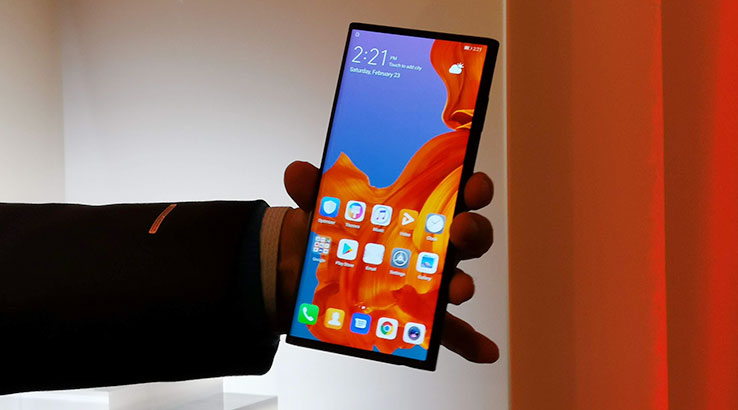
The Huawei Mate X is the next foldable phone to be released. It looks as if we are living in the future we dreamed of a few years back. This foldable smartphone is geared up for a 2019 release, probably towards the end of the year. This Huawei Mate X Review will give you all the juicy details. The phone has a solid hinge making it a pleasant experience using it. It has been designed to make it sturdy so that handling it will not be a nerve-wracking experience. The Huawei Mate X has a 6.6-inch and 6.38-inch screens on either side, and it would transform into an 8-inch Android tablet when you open it up.
This bezel-less model looks so much better than Samsung Galaxy Fold. The phone will be made available in two variants, both having the specs required to run such a device. The original version of Huawei’s Kirin 980 chipset will be joined by the 5G Mate X with the Kirin 990 chip. The camera array of the Mate X model has also undergone some changes. The phone will now use sensors and lenses from Huawei P30 instead of Mate 20, as it was supposed to do earlier.
You might be aware that the Huawei Mate X will be released amid tensions between Google and the company. The phone might not allow access to the Google Play Store and default Google apps will not be present either. This might be one thing that could provide an edge to Samsung Galaxy Fold as Huawei is its only competition in the foldable market right now.
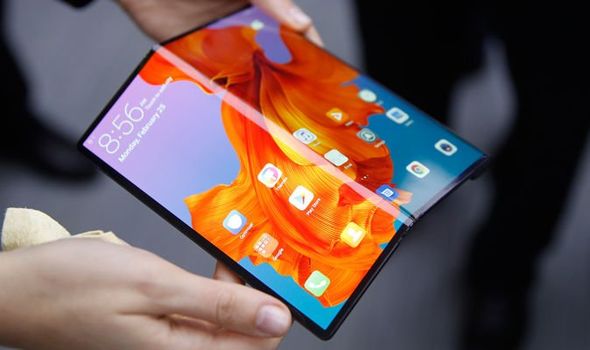
Huawei Mate X Unfolded
Design and Screen
Although it was apparent that Huawei has used a sturdy hinge system. The question here is how this system worked when the phone was in its folded mode. So, there is a button at the rear of the phone. Pressing this would release the back part of the display, letting it unfold into a tablet. Naturally, the front side of the smartphone is 6.6-inches of the all-screen display compared to Samsung Galaxy Fold’s 4.6-inch display with heavy bezels.
You may notice a vertical bar on the left of the back screen. This is where you will find the power button/fingerprint scanner combo, the USB-C port for charging, and the triple-camera system. Many of us might be apprehensive about unfolding or folding a phone since we are conditioned to think doing so will break it. Well, in most cases we would be right. However, with the latest trend of folding phones, we need to get more comfortable with such models since that is where we are heading right now.
Huawei claims that the foldable screen has undergone over 100,000 folds in lab-condition stress tests. They also have a case for added protection. What is surprising here is that it feels a lot sturdier in our hands than other comparable models. While the company says the clasp system is vital for the phone at this, maybe the upcoming phones would feature a hinge-free model.
Display
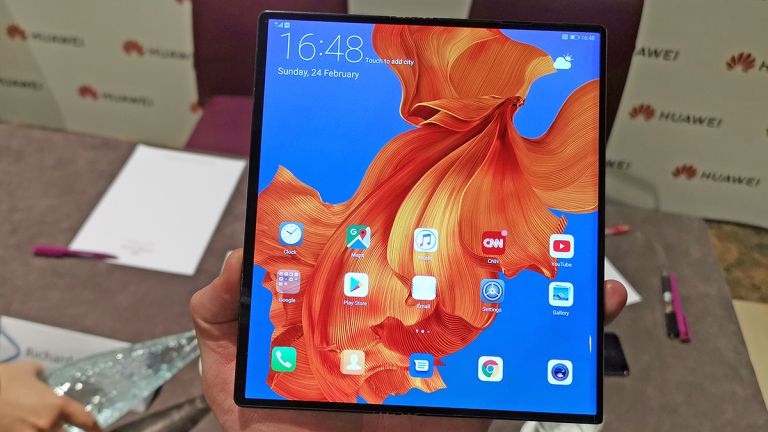
The display is where Mate X has gained followers. While Samsung showed off with a 4.6-inch display with heavy bezels, Huawei jumped up with an all-screen folded version that opens up to a FullView 8-inch display. The screen creates a virtual bezel as you fold it back again. It also works to save battery which could be due to Mate X’s screen technology. This OLED display has individual pixels that could be powered with the unused pixels remaining pitch black. This works differently to the LCDs where the entire panel needs to be lighted up at once.
Huawei Mate X Folded
Huawei believes that this power-saving feature is one of the main features of Mate X. Another common concern with delicate all-screen wraparound phones is their scratch resistance and durability. In most cases, these flexible plastic displays are more vulnerable to scratches than glass. The company, keeping this mind, is working on more durability tests. They hope to make it safer and more durable before it is set to launch.
Battery and Specs
Huawei Mate X features two batteries, totalling up to 4,500mAh. Since the Mate X has a larger screen compared to the Galaxy Fold, it naturally consumes more power as well. The foldable phone also features 55W SuperCharge tech which is far better than the usual 40W charging. Basically, this means that the phone could be charged from 0% to 85% in a mere 30 minutes.
The Mate X is powered by a Kirin 990 processor and a Balong 5000 5G modem. You will find that it works at superfast 5G speeds with only 3 or seconds to download a 1GB video. Earlier, the phone was set to run on the Kirin 980 processor, but the delays led to an upgrade. The phone comes with 512GB storage and support for expandable storage with Nano Memory.
Performance
The Mate X runs on a customised version of Android. The interface changes and optimises itself in milliseconds as you fold and unfold it. The general UI experience is seamless and smooth. With there being some time before it actually launches, we believe that the experience might be enhanced as well. EMUI is Huawei’s custom skin that is based on Android which is what is used here. The split-screen multitasking with the larger screen made things much easier. You could even use a mouse and keyboard with the tablet version of the phone. Huawei’s CEO has also implied that an EMUI desktop-style experience could be possibly seen sometime in the future.
Huawei Mate X Review
Camera
While we know that the Huawei Mate X has a triple-module system, we know little about anything else camera-related. There is no front camera since the rear screen doubles up as a viewfinder. Since the rear cameras are usually much better, this should give you some excellent selfies. If you want, you can set up the second screen to get a dual viewfinder. This allows the other person to see a preview of the picture you are taking. The megapixel sizes and aperture details are yet to be released.
Verdict – Huawei Mate X Review
Despite being an expensive phone, Huawei Mate X is certain to win hearts, especially after the foldable phone has gained some more popularity. It is extraordinarily thin with very less bezel. It has been designed to be sturdy and the camera is awesome. What else do we need?
Xiaomi Mi Mix Alpha smartphone was recently quite recently on the 24th of September 2019. The phone comes with a 7.92-inch touchscreen display with a resolution of 2088 x 2250 pixels. We have seen a ton of designs in the past year ranging from foldable phones to popup cameras. This ‘concept’ phone by Xioami was first released in China. While it is a pretty interesting and exciting smartphone, some feel that its design is not very practical. The Mi Mix Alpha is one of the first phones in the market to feature Samsung’s shiny new 108-megapixel SOCELL Bright HMX sensor. This should be a huge upgrade over the usual 48-megapixel Sony cameras. This 108-megapixel camera sensor was developed by Samsung in collaboration with Xiaomi. Let’s take a look at the Xiaomi Mi Mix Alpha Review.
Design
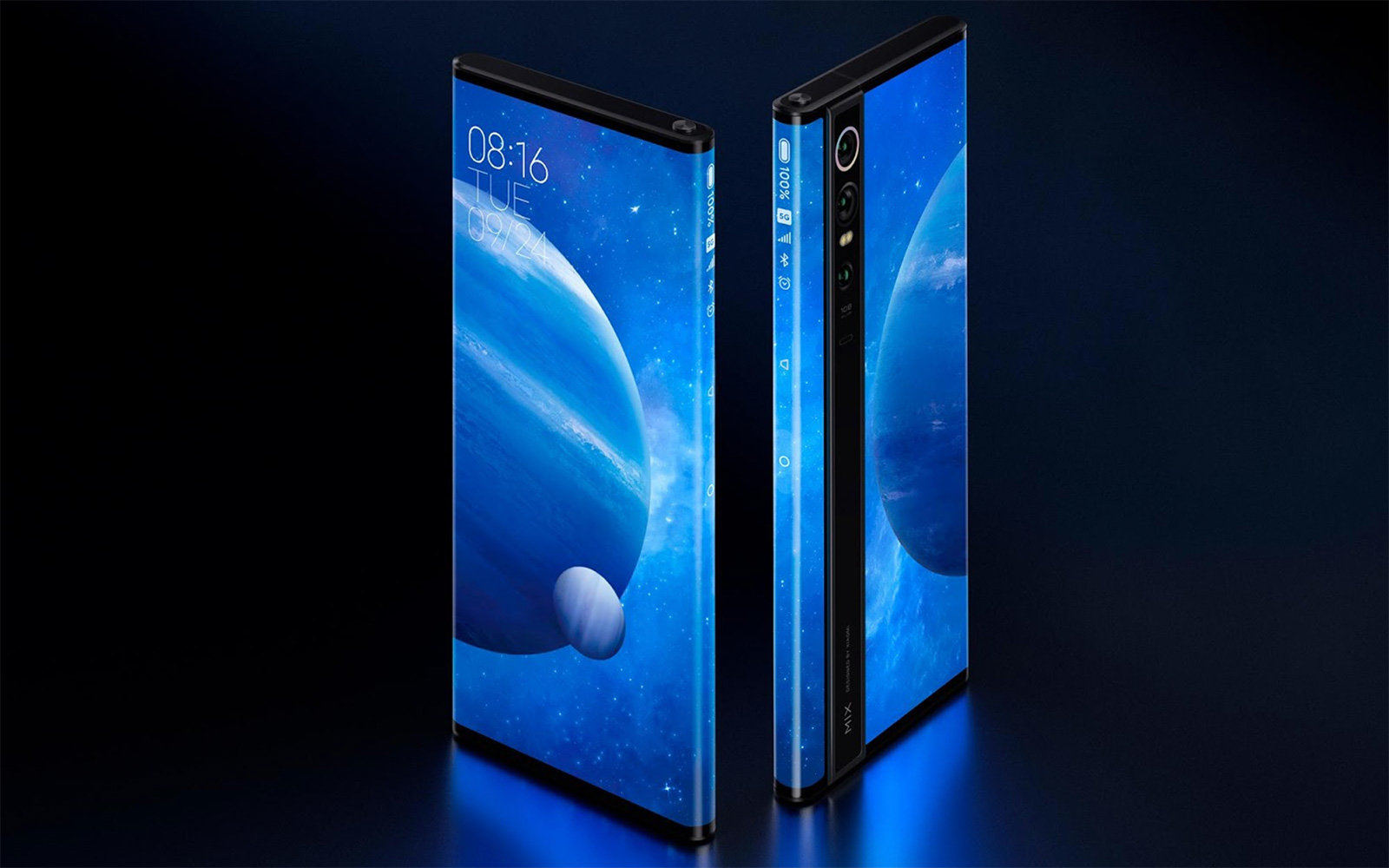
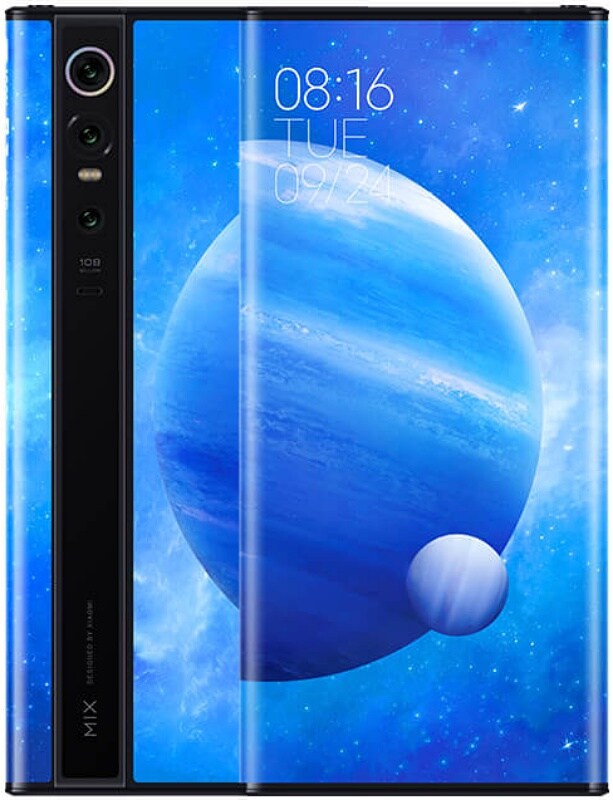
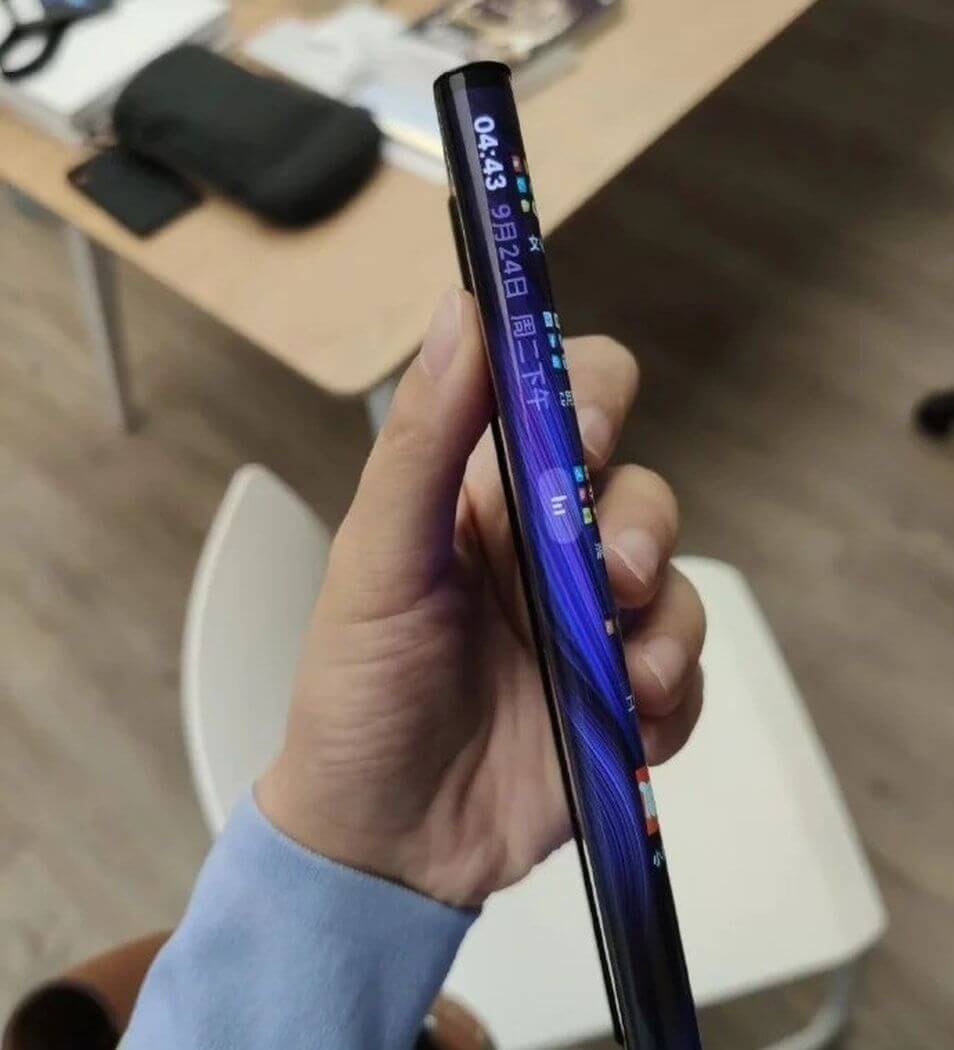
The Xiaomi Mi Mix Alpha has dimensions of 154.38 x 72.30 x 10.40mm. While it is the world’s first 108-megapixel camera, it’s aesthetics could have been designed better. It has been launched only in one colour – the classic black. It has a wrap-around all-screen design which makes it a bit impractical, to say the least. Basically, it doesn’t have any bezel at all. It is completely just screen. The screen, in fact, wraps around the edges and goes nearly to the back. While it may sound ultra-cool, it is not very practical. The other fingers holding the phone might inadvertently press something even if you don’t intend to do anything.
Xiaomi Mi Mix Alpha Review
If a phone is all-screen, durability will become a major concern. If you are very clumsy, like me, chances are that you will drop the phone multiple times and in the oddest places. Since the screen wraps around the edges, the chances of breaking it is very high. Users having regular glass-backed phones feel it is delicate and gets scratches quickly. How would a wrapped around screen fare? Another thing you might have to keep in mind is that you will never be able to use a protective case! The idea of such a screen is awesome and if you are careful user, go for it! However, it might not be suitable for the majority of us.
Display
Xiaomi’s Mi Mix series has always tried to enhance the phone screens. The original model of the phone started off the outrageous bezel competition. With the Mi Mix 3, the notch-less design came into being. With waterfall displays being the new trend, how could Xiaomi sit quietly? The company has designed the Mi Mix Alpha with extremely curved edges, designed to look amazing while helping make use of the 108-megapixel sensor.
The surround screen wraps up to the back where it meets the camera at the rear side. To an onlooker, it gives an effect of having been made almost entirely of the screen. They wouldn’t be wrong to assume this either! The usual icons of battery level and network signal are displayed on the side. The volume control buttons are designed to be pressure sensitive and are on the side of the phone. With a 180% screen-to-body ratio, this is the only one of its kind.
Other Specs
Xiaomi Mi Mix Alpha runs on MIUI Alpha based on Android. It features a whopping 512GB of inbuilt storage and 12GB of RAM. It is a dual-SIM smartphone where you can use only Nano-SIM cards on both the slots. The phone is powered by a 1.8GHz octa-core Qualcomm Snapdragon 855+ processor featuring 1 core clocked at 2.96GHz, 3 cores clocked at 2.42GHz, and 4 cores clocked at 1.8GHz. Connectivity options here include GPS, Bluetooth v5.00, USB Type-C, Wi-Fi 802.11 a/b/g/n/ac, Wi-Fi Direct, 3G, and 4G.
Xiaomi Mi Mix Alpha Wrapped Around Screen
If you are keen on the sensors and features on the phone, you might be glad to know that Xiaomi has got you well covered. Sensors include an ambient light sensor, barometer, accelero-meter, compass/ magnetometer, proximity sensor, temperature sensor, gyroscope, and fingerprint sensor. The phone allows users to use traditional ways of unlocking, such as PIN or Pattern. You could also set up face unlock.
With regards to its battery life, the phone relies on a 4,050mAh battery with 40W wired fast charging. This battery capacity should perhaps be enough if you don’t plan on having your wrapped-around screen on always.
Camera
The Xiaomi Mi Mix Alpha, of course, features the stunning 108-megapixel primary camera with an f/1.69 aperture and 0.8-micron pixel size. The secondary one features a 12-megapixel camera with an f/2 aperture and 1.4-micron pixel size. The third one is a 20-megapixel camera with an f/2.2 aperture and 1.0-micron pixel size. The camera setup has auto-focus and other features.
As you may know, Samsung developed the 108-megapixel camera sensor featuring here in partnership with Xiaomi. The pixels are combined into 2×2 squares for better light sensitivity in dark surroundings or low light. By doing this, it would be able to produce 27-megapixel images. Although the 1/1.33-inch sensor is quite large for the phone and provides the phone with a high light-gathering capability. You will not require a specific selfie camera either as all you need to do is to flip around your phone and use the viewfinder for the 108-megapixel shooter.
Xiaomi Mi Mix Alpha Camera Review
Maybe Xiaomi wanted to design something new for the launch of its first phone having a 108-megapixel camera sensor. Xiaomi says that the rear screen could be used as a viewfinder and take gorgeous selfies with the main 108-megapixel sensor. You wouldn’t have to trouble yourself either. All you need to do would be to turn your phone around, and there you go! All in all, the phone has a new design and has some great features to impress us.
Verdict – Xiaomi Mi Mix Alpha Review
While Xiaomi’s wrapped-around screen didn’t win many hearts, the idea behind it is not bad. This “concept smartphone” will not be mass manufactured. Instead, the company will initiate a small-scale production soon. The product will be released sometime in December. While there are concerns around the durability of the screen and its battery life, it has a ton of useful features as well.
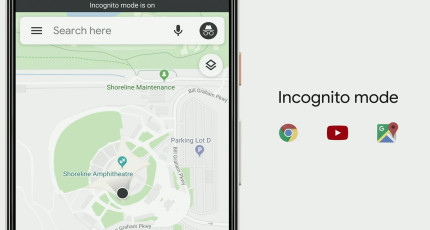
Google Maps usually stores your location history so that you can always look back and see the places you have visited. This is an excellent idea since you can always trace your history. Sometimes, this might not be so great, especially if you don’t want Google diligently following you to certain places. Previously, you would have had to turn off location history for that. However, Google has come to the rescue. Announced in early October 2019, the company is now launching an Incognito Mode for the Google Maps Android app. This will allow the users to use the map for a certain amount of time.
Google Maps Incognito Mode
What is Google Maps’ Incognito mode?
The idea behind the Google Maps Incognito Mode was first talked about at the I/O developer conference in May. It is expected to work similarly to the Chrome browser’s incognito mode. When turned on, users would be able to search for a location and even navigate to it using Google Maps. However, Google will not save it in history so your Google account will have absolutely no information regarding that. After Chrome’s success with Incognito Mode, Google released an Incognito mode for YouTube app on Android as well. This works in pretty much the same way as well. According to Google, these little features are designed to offer users more control over their privacy.
How can you turn on incognito mode in Google Maps?
Follow the short guide below to be able to turn on the incognito mode in Google Maps and use it accordingly.
Open the Google Maps application on your Android smartphone.
Click on your profile picture.
You will see an option called “Turn on Incognito Mode”.
Tap on it to switch it on.
You can switch it off the same way within the same menu.
One thing to note here is that once the user enters the incognito mode, they will not get any personalised suggestions from Google. So far, this feature is only available for Android users. iOS users might have to wait for some time. The feature is expected to launch for them soon too.
Google Maps Incognito Feature
The Launch And Other Features
The Incognito Mode of Google Maps is expected to be released on 9 December 2019. According to Google, Android users will now be able to make use of an additional feature. Users can now bulk-delete information from their Google Maps timeline and location history. These features will be received by iOS users soon enough.
Other features promised by Google at the I/O 2019 include filters that can auto-delete location history, app, and web activity. The tech giant believes that the incognito mode offers the users greater control over their privacy. That is why they have been introducing this mode for each Google application, starting with Chrome, then YouTube, and now Google Maps. This allows users to decide whether or not they want a certain activity of theirs traced and added to their history.
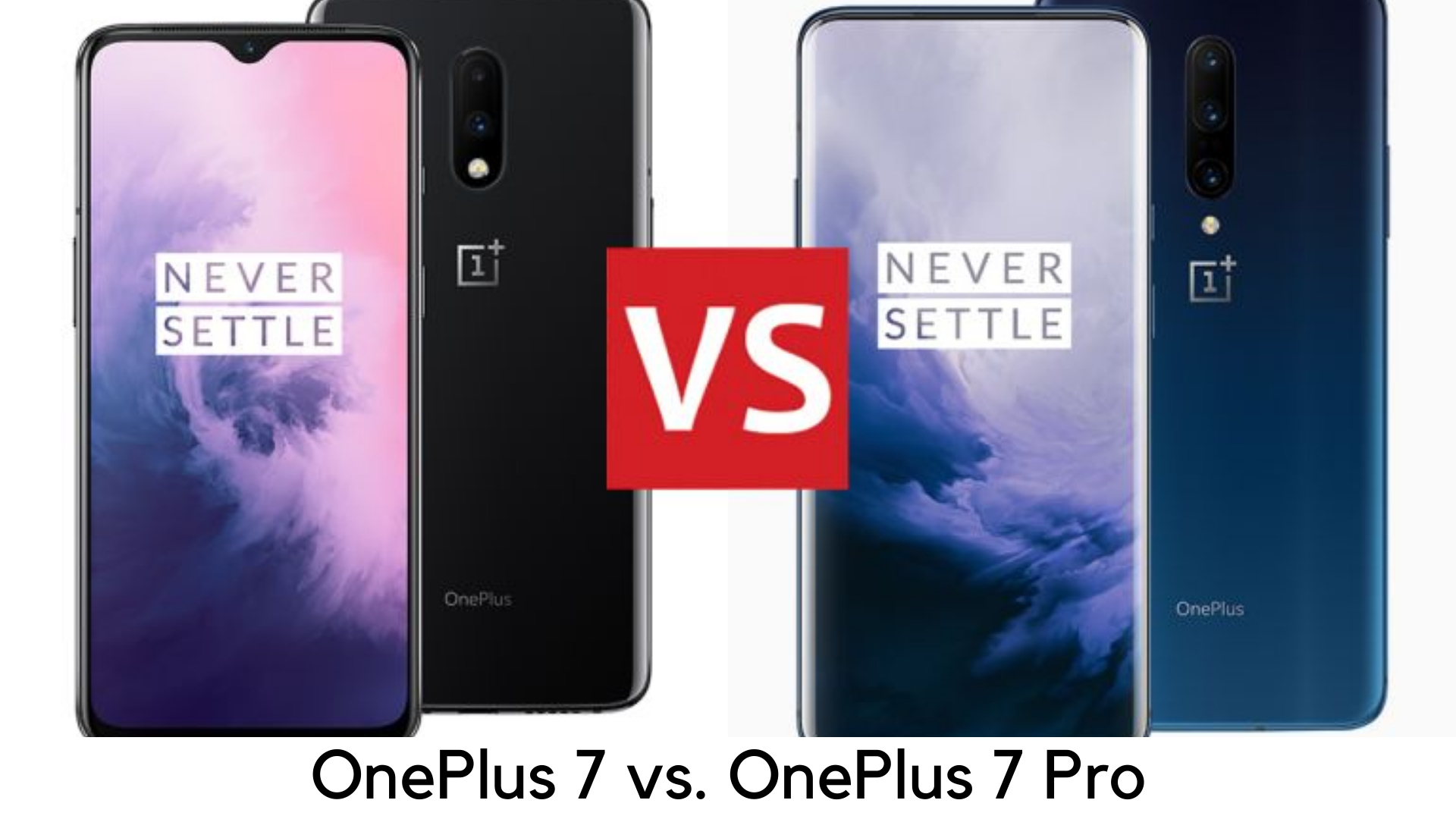
At a May 2019 event, OnePlus announced both OnePlus 7 Pro and OnePlus 7. It’s the first time OnePlus gone the “Pro” route and launched two different flagship phones for different needs of buyers. OnePlus 7 is here to meet the needs of the core audience who can’t pay the hefty price tag but wants a true flagship experience.
On the other side, all the innovation has been done on OnePlus 7 Pro with better design. In this review, we are going to discuss the major differences between both killer flagships and come out with an opinion on which one is better for you. If we talk about OnePlus 7 Pro vs. OnePlus 7, both devices are the successor to OnePlus 6T which was launched earlier this year. Keep reading to know further details that make them similar and different from each other.
OnePlus 7 Pro vs. OnePlus 7- What they have in common?
No compromise on premium, flagship look
Powerful processor
Latest Software
In-display fingerprint sensor
Both OnePlus 7 and OnePlus 7 Pro have premium glass and metal build qualities, just like the last predecessors by OnePlus. Both of these devices offer fast in-display fingerprint scanners and OLED displays and both of them are powered by the latest Qualcomm Snapdragon 855 chipset. They both run the latest Android platform with OxygenOS to deliver the same software experience.
OnePlus 7 Pro vs. OnePlus 7 – Key Differences
There are plenty of differences in comparison of OnePlus 7 vs. OnePlus 7 Pro, despite running the same software and having the same processor.
Display
OnePlus 7 – Flat 6.4-inch 60Hz display with 1240x1080p resolution
OnePlus 7 Pro – Curved 6.67-inch display with HDR 10+, 90Hz refresh rate and 3120x1440p resolution
OnePlus 7 features flat 6.4-inch OLED display and OnePlus 7 Pro features curved 6.67-inch OLED display. There is also a difference in resolution. OnePlus 7 sticks to full HD+ resolution and OnePlus 7 Pro having Quad HD+ display.
OnePlus 7 ends up with standard 60Hz while OnePlus 7 Pro comes with 90Hz refresh rate and HDR10+ support. On the display front, it makes a great difference and OnePlus 7 Pro is a big leap towards anything that is offered ever before by the company.
Design
OnePlus 7 – 182g, 157.7 x 74.8 x 8.2mm
OnePlus 7 Pro – 206g, 162.6 x 75.9 x 8.8mm
Both OnePlus 7 and OnePlus 7 Pro come with the premium build but OnePlus 7 Pro has full-view display with the pop-up selfie camera. One the other side, OnePlus 7 comes with a water-drop notch like OnePlus 6T. It removes the notch and adds some appeal. But pop-up selfie camera is definitely a matter of innovation.
OnePlus 7 has a dual rear camera like OnePlus 6T, but OnePlus 7 Pro is a step ahead with triple-rear camera setup. OnePlus 7 Pro is also heavier and larger than OnePlus 7. OnePlus 7 Pro is also one of the heavier devices around.
Camera
OnePlus 7 – 48MP+5MP Dual Rear Camera, 16MP the front camera in water-drop notch
OnePlus 7 Pro – 48MP+16MP+8MP Triple rear camera, 16MP pop-up selfie camera
OnePlus 7 Pro comes with 16MP pop-up selfie camera as well as a triple rear camera setup including 48MP main snapper, 16MP ultra wide-angle lens, and 8MP telephoto zoom lens. As compared to their predecessors, it is even more modern offerings with better photography performance. Pro is definitely the best buy if you are looking for a photography-centric phone.
OnePlus 7 features water drop notch with 16MP selfie camera on the display along with dual rear camera setup having 48MP main camera like Pro variant, along with 5MP depth sensor.
Battery and other specs
OnePlus 7 – 3700mAh
OnePlus 7 Pro – 4000mAh
Another the major difference in the latest OnePlus 7 series devices is fast charging capacity and battery capacity. OnePlus 7 Pro is powered by 4000mAh battery with 5V/6A Warp Charge 30 for quick charging. OnePlus claims it to be over 38% faster than previous charging techs. On the other hand, OnePlus 7 is having 3700mAh battery with 5V/4A 20W fast charging. Both devices don’t have wireless charging support.
Another best thing is that OnePlus 7 Pro has better haptic feedback with an improved vibration motor. There is the latest X-haptic vibration motor on OnePlus 7 Pro while a linear motor has been used in OnePlus 7. Both the devices have noise cancellation, dual stereo speakers, Dolby Atmos support, and signature alert slider.
Both devices have the futuristic in-display fingerprint scanner backed by the latest A 3-element lens which uses a modern algorithm and it is supposed to be faster than the one on OnePlus 6T. On both OnePlus 7 and OnePlus 7 Pro, the connectivity options are the same and have Bluetooth v5.0, 4G VoLTE, Wi-Fi 802.11ac, NFC, USB Type-C (3.1 Gen 1) port and GPS/A-GPS.
Both devices also lack 3.5mm headphone jack but you can use USB-C port on both devices as headphone port with wired earphones or, even better, you can pair your Bluetooth headphones with devices.
Hardware
OnePlus 7 – Available in 6GB/128GB and 8GB/256GB variants
OnePlus 7 Pro – Available in 6GB/128GB and 8GB/256GB variants
Both devices run on Qualcomm Snapdragon 855 chipset. You can buy OnePlus 7 with 6GB RAM and 128GB storage or 8GB RAM and 256GB storage options. On the other side, OnePlus 7 Pro is available with 6GB, 8GB, 12GB RAM options along with 128GB or 256GB storage options, as per the model. Both standard and Pro variants don’t have a microSD card slot. Both OnePlus 7 and 7 Pro have Dolby Atmos speakers and have great sound quality.
Price
OnePlus 7 – Starting at £499 onwards
OnePlus 7 Pro – Starting at £699 onwards
Hence, OnePlus 7 is the cheaper variant of both OnePlus handsets, obviously. The price range is starting at £499 for the base 6GB RAM variant up to £549 for 8GB RAM variant. On the flip side, OnePlus 7 Pro is starting at £699 while the highest variant cost is £799.
Verdict
OnePlus 7 Pro seems to be a more exciting and better option with a better display, in comparison to the base model, triple rear camera, pop-up selfie camera, more RAM and storage.
With that said, OnePlus 7 Pro costs £200 more than OnePlus 7. It is also heavy and hefty as compared to its competitors at this size and price. If you are looking for an upgrade to older OnePlus 3, 3T, 5 or 5T, you can go for OnePlus 7. But if you want all the innovative and futuristic features but can’t afford the flagships of Huawei or Samsung, you can consider OnePlus 7 Pro.
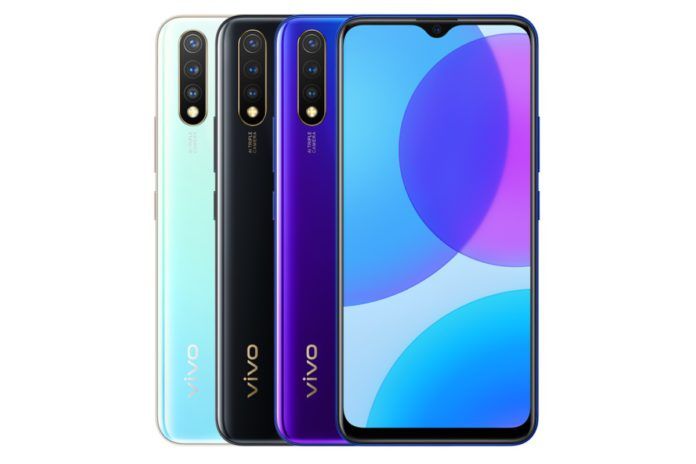
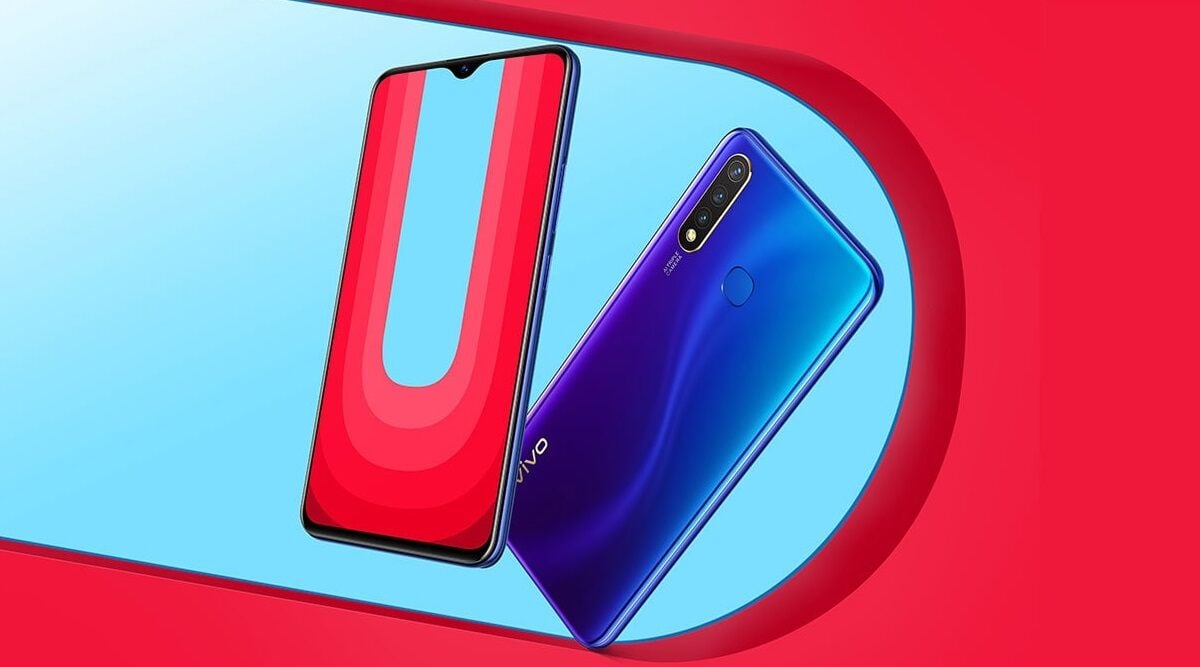
The latest Vivo U20 finally comes to India. This smartphone features a triple-camera set-up with an LED flash at the rear. The phone has a large 5000mAh battery with an 18W fast-charging system. Vivo U20 is designed to run on Funtouch OS 9 powered by Android 9 Pie. This phone succeeds the Vivo U10 model that was launched in September this year, not all that long ago. This new Vivo U20 model arrives in two variants – different based on its RAM specs. The model featuring 4GB RAM and 64GB internal storage is retailed at Rs 10,990 while the higher model having 6GB RAM and 64GB storage costs Rs 11,990.
Specs and Highlights
The Vivo U20 is a decent enough phone, especially considering the budget. The smartphone has seen several upgrades from the U10 model. This includes a bigger display, a far nicer camera, and a better chipset. Let’s take a quick tour of the Vivo U20’s specs and features. With regards to display, the phone boasts of a 6.53-inch capacitive display with FullHD+ resolution of 1080 pixels. It has a screen-to-body ratio of 91.3%. As already discussed, the phone is available in two different models – 4GB and 6GB RAM. It features a 64GB internal storage which is expandable.
Vivo U20
The phone lasts a day and more on the 5000mAh battery. It has an 18W fast-charging system, so you don’t have to wait for a long time as it charges up. The U20 model is available two stunning colours – Racing Black and Blaze Blue. It runs on 4th Generation Kryo CPU and 6th Generation Adreno GPU.
Camera Quality
Moving to the camera specs and quality, the phone has a triple-camera set-up. The cameras are lined up with the LED flash seated the last. The 16MP Sony IMX499 primary sensor comes with an f/1.8 aperture. There is also an 8MP sensor for super wide-angle shots and a 2MP the super macro shots. The primary camera features a PDAF sensor with Night Mode as well. The Vivo U20 does not disappoint selfie enthusiasts either. With a 16MP selfie shooter, you can be sure that your selfies will be stunning and vivid. It does not feature a punch-hole camera like the Vivo V17 either.
Special features
The latest Vivo U20’s battery is incredible. Vivo claims that it can last for about 273 hours on standby, 11 hours on video use, and about 18-20 hours on social media browsing. Another nice find here is the Snapdragon 675 chipset. This is usually seen in higher-end phones, so the U20 is one of the few in this price range featuring it. Thanks to this, users would be able to enjoy better performance and imaging results.
Vivo U20 with Triple Cameras
You will notice that the price of the 4GB RAM model and 6GB RAM model are different. Both the variants will go live starting November 28 from 12 PM onwards. You will be able to purchase them from Amazon.in and Vivo India E-Store. This model was mainly designed and developed by Vivo to compete with the likes of Realme who have been steadily gaining market share. With the release of U20, Vivo has captured a fair share of the market.
Samsung Galaxy S11 family is expected to be launched in three different screen size options in five different variants. This new range of devices come after the Samsung Galaxy S10 lineup. The S10 range of devices was released earlier in the year in four variants – the Galaxy S10, Galaxy S10+, Galaxy S10e, and Galaxy S10 5G. The latest series has only one variant with 5G support.
However, the company is geared up to release the Galaxy S11 models with both 5G and 4G LTE support. The largest of the three display sizes is rumoured to be 6.9 inches. The smallest one could be launched under the name Galaxy S11e, which will basically act as Galaxy S10e’s successor. This phone’s screen is expected to be either 6.2-inch or 6.4-inch. The regular Galaxy S11 will come with a 6.7-inch screen size while the Galaxy S11+ model will have the largest 6.9-inch display.
The Different Variants – Samsung Galaxy S11 Family
There are also rumours going around that mention that all the five variants would feature curved-edge displays. In other words, it would be totally different to the Galaxy S10e that came with a flat panel. Regarding connectivity, the device should be offered in both 5G and LTE variants for the smaller S11 models. The larger one would only be released with 5G support. Blass’ tweet tells us that these devices might be launched sometime in mid to late February. The timing is nothing new for Samsung with most of its smartphones launching at the same time of the year. The launch event might take place in San Francisco, California.
There are also rumours making rounds that the Galaxy S11 might feature Samsung’s latest 108-megapixel ISOCELL HMX sensor. If true, it would offer the users better camera features like Optical Image Stabilisation and 5x optical zoom. Some reports mention that the company might be planning to use the 108-megapixel sensor’s second-generation version. The company is not planning on offering only 5G support for its latest line, possibly so as to keep up with the demand for its current 4G-only models as well. The S11 phone will have a tall 20:9 aspect ratio. However, it is not known for certain if the punch-hole camera seen in S10 phones will continue here.
Samsung Galaxy S11
Samsung Galaxy S11 is in the works and is referred to with codename “Picasso”. This smartphone is expected to run on One UI 2.1 powered by Android 10 out-of-the-box. The Galaxy S11e might be released with model number SM-G970. It is expected that it would come with a 3,730mAh battery. Looking at Galaxy S11, it might come with a model number SM-G985/986, with a 4,300mAh capacity.
The company could release the Galaxy S11 family with Exynos 9830 SoC for international markets. For the US regions, Qualcomm Snapdragon 865 might be used. In addition to this, other reports suggest that Galaxy S and Galaxy Note series might be merged into a single flagship series the upcoming year. The Galaxy S11 might be released with S Pen support as well.
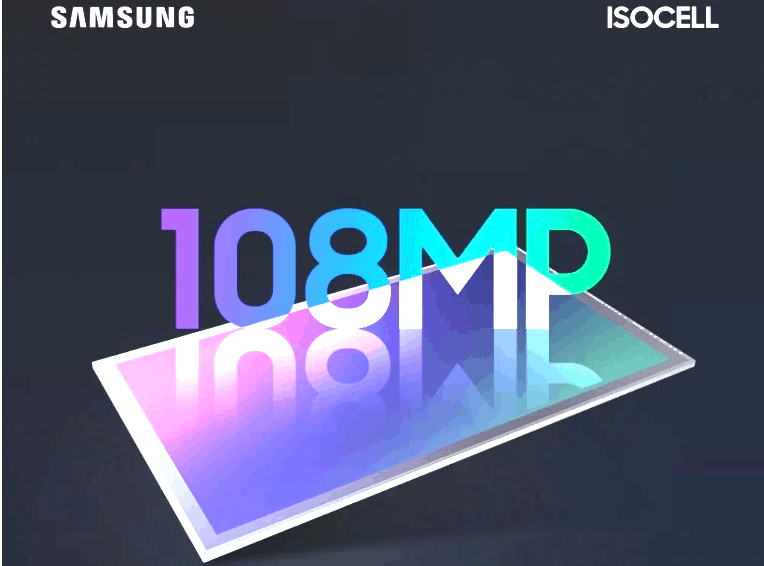
While the likes of Redmi and Realme are competing with 64MP camera phones and vying for market domination, Samsung has launched the world’s very first 108-megapixel smartphone camera sensor. This was developed in collaboration with Xiaomi. With this partnership, Xiaomi will become the first-ever company to release a smartphone featuring a whopping 108 megapixels camera. This camera sensor is the first one to go over 100 million pixels. You can expect a resolution comparable to that of a high-end DSLR camera.
Highlights Of The New Sensor
Let’s take a look at some of the highlight of this brilliant 108-megapixel camera sensor developed in partnership by Xiaomi and Samsung. It may come as a surprise, but this is not the first time these two companies have come together to work on camera sensors. Previously, Samsung and Xiaomi have collaborated to develop a smartphone that would use Samsung’s 64-megapixel ISOCELL GW1 sensor.
The name of this new 108-mega pixel sensor is ISOCELL Bright HMX sensor. The best part about them is that they are capable of shooting photographs even in extreme lighting conditions. Now that the development is done, Samsung will start mass-producing the ISOCELL Bright HMX sensors towards the end of August 2020. These sensors are 1/1.33-inch in size which makes it easier for them to allow more light. The large surface area doesn’t hurt either.
Samsung said that they used the new Tetracell technology which joins 4 pixels into one. This is what lets the sensors take better photos even in low light areas. Besides improving colour accuracy, it will also minimize noise. For brighter lighting conditions, this sensor will make use of the Smart-ISO mechanism. This allows us to take clearer images by adjusting the level of amplifier gains. Since this adjustment depends on ambient light, the photos will emerge to be more realistic, rich in colour, and vivid.
Xiaomi’s Plans
Now that the companies have successfully finished the development of this 108-MP camera sensor, Xiaomi will now release the world’s 1st smartphone featuring this new sensor. Xiaomi’s co-founder and president, Lin Bin, said, “As we continue our partnership, we anticipate bringing not only new mobile camera experiences but also a platform through which our users can create unique content.”
Samsung 108-megapixel camera
Currently, Xiaomi is playing in the 64-MP camera smartphone market, competing with Realme and Redmi. Its 64-MP camera smartphone is expected to be released towards the end of 2019. What comes as a surprise here is that even Samsung has plans for releasing a 64-MP camera smartphone. Xiaomi, Samsung, and Realme will all be using ISOCELL GW1 sensor. Samsung was the one who developed this sensor as well.
As of now, Xiaomi has not mentioned which one of its smartphones would be featuring the 108 megapixels camera. However, those following the market speculation that it could be the Mi Mix 4. The comment of a senior Xiaomi executive gave rise to this rumour. He mentioned that Mi Mix 4 is likely to better than Samsung’s ISOCELL Bright GW1.
Android is an open-source operating system designed and developed by Google. Since it is open-source, it is more vulnerable to malware attacks. With millions of applications on the Google Play Store, it is not practical for us to expect the company to keep an eye out, though they do their best. Some apps do escape their notice and it is up to us to remain safe. These malicious apps can pop up malicious links, steal your passwords, affect you financially, and generally ruin your experience. This is why we will talk about the Apps You Need to Uninstall in this post.
So, what can we do?
There are some specific apps and some app categories that you should stay away from. If you have it, it is highly advisable to uninstall them right away. In most cases, these apps would not be contributing anything to your productivity. In any case, there are always better and more secure alternatives available.
Types of Apps To Uninstall Immediately
In this section, we will discuss the different types or categories of application that you should uninstall from your smartphone right away. In the following section, we will cover the particular applications that are known to offer no productivity and are decidedly shady.
Battery Saver Apps
These battery saver apps don’t really help out in the way they are meant to. You might notice them extending the life an hour or two, but it rarely works like that in real-time! To actually conserve power, you will have to regular energy demand. For this, you will have to stop using or reduce the usage of energy-consuming apps. To do so, you would require control over the operating system. This, in turn, can only be granted by having root access. So, in short, your apps would not be able to actually help you save battery life if you don’t have root access.
Battery Saver Apps
Anti-virus Apps
We all tend to install anti-virus apps on our phones hoping and thinking that they would shield us from virus and other malicious codes. However, they don’t really protect us. All they do is to warn us and send us alerts about insecure applications that you may be installing. Even if you do have malicious files, these anti-virus apps wouldn’t be able to remove them. The best way to stay safe would be to stop using third-party APK files, which means that you don’t require an antivirus app anymore.
Cleaning Apps
Cleaning apps are a smart trick the developers use to trick you into downloading them and making you use them – for absolutely no rhyme or reason. We are so conditioned to use them that we never think twice either. You can always clean the cache and other things manually by going to your Settings menu. Besides not being remotely helpful, they are also huge power consumers.
Applications To Uninstall Immediately
Yahoo! MAP Free
Yahoo, once a popular name, is no longer all that trendy. Yahoo Maps was once highly used, but with others like Waze and Google Maps entering the market, Yahoo Maps just didn’t keep up. Although the Yahoo Maps are free, they are so forgotten that barely any of us remember it exists anyway. Besides this, in most phones, Google Maps comes pre-installed making it a pointless task to install a third-party application.
Yahoo! MAP Free
LiveXLive
This app gives the users a list of events happening nearby. You would be able to live stream it on your phone. While the idea behind it is nice, the app seems to have built-in malicious API in it. This could lead to damage to your phone.
Smule
Smule is pretty similar to the like of TikTok. Here, users upload their videos, and everyone would be able to view it. These kinds of apps usually come with tons of pop-up ads and it would be a surprise if it was full of malware as well. Sometimes, users would receive messages where they would be asked to join certain apps in return for cash rewards. For joining, you would have to give them your name, contact details, email address, and so on. They simply store this information and sell it later to third-parties.
Mobile Legends: Bang Bang
The ultra-popular game, Mobile Legends: Band Bang, is an MMORPG game. Whatever you do, stay away from this game and do not install it on your device. The game is known to have malicious libraries that can affect your phone and even steal data. Besides this, you will be pestered with pop up advertisements and malicious links.
SHAREit
SHAREit was once a very popular application. It allows users to share data between two devices. However, of late, the app does not work as efficiently as it used to do. Today, it is full of popups, malicious ads, and even has some offensive content. There are plenty of alternatives to SHAREit that are way more secure and reliable.
SHAREit
Facebook
You are certain to find Facebook on almost every device. However, with recent news arising about Facebook stealing data and so on, it is not really safe to continue using this. Thousands of Facebook users across the globe have boycotted this social media platform after it became apparent that data breaches were rampant here. If you must use Facebook, doing so from a browser is a better option.
Yahoo Search
Coming to Yahoo once again, it had a wildly popular search engine. Over time, it became filled with malicious content and is not a relaxing experience at all. Since Android is owned by Google, you will have Google Search come pre-installed on your smartphones. Despite that, if you still want some other search app, try Bing. It is far more effective than Yahoo.
Wrapping Up
If you have any of the above-mentioned apps on your phones, it is highly recommended that you uninstall them immediately. Do not fall for cleaning apps or battery saver apps either! With hundreds of clean, user-friendly, and functional apps being developed all the time, you are sure to find reliable and secure alternatives easily. Follow this list of Apps You Need to Uninstall immediately and never install them back again!
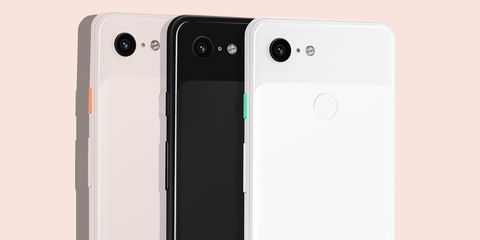
Google Pixel 3 XL is one of the most awaited phones. It comes with a large screen, a rick colour display, and takes simply the best pictures. While other phones like the Samsung Galaxy S10 Plus and the OnePlus 7 Pro also have pretty good features, the Pixel 3 XL is counted as the phone with the best camera in the market. It runs on Android Pie and has two front-facing cameras, one 12.2MP rear-facing lens, and an additional lens at the front for group selfies. It is easy to use, and the results are stunning.
Although the Pixel 3 XL isn’t Google’s largest device, it is one of the most affordable. It features enhanced aspects from Pixel 3a, has an extra camera, bigger camera, and a newer chipset. While it has a ton of awesome features, its design has a major drawback – the notch cut out at the top of the display. It is deeper than iPhone XS Max’s notch and larger than the one in Pixel 3. Besides the design, there is little reason to be unhappy with it. Let’s dive into this detailed Google Pixel 3 XL review.
Design
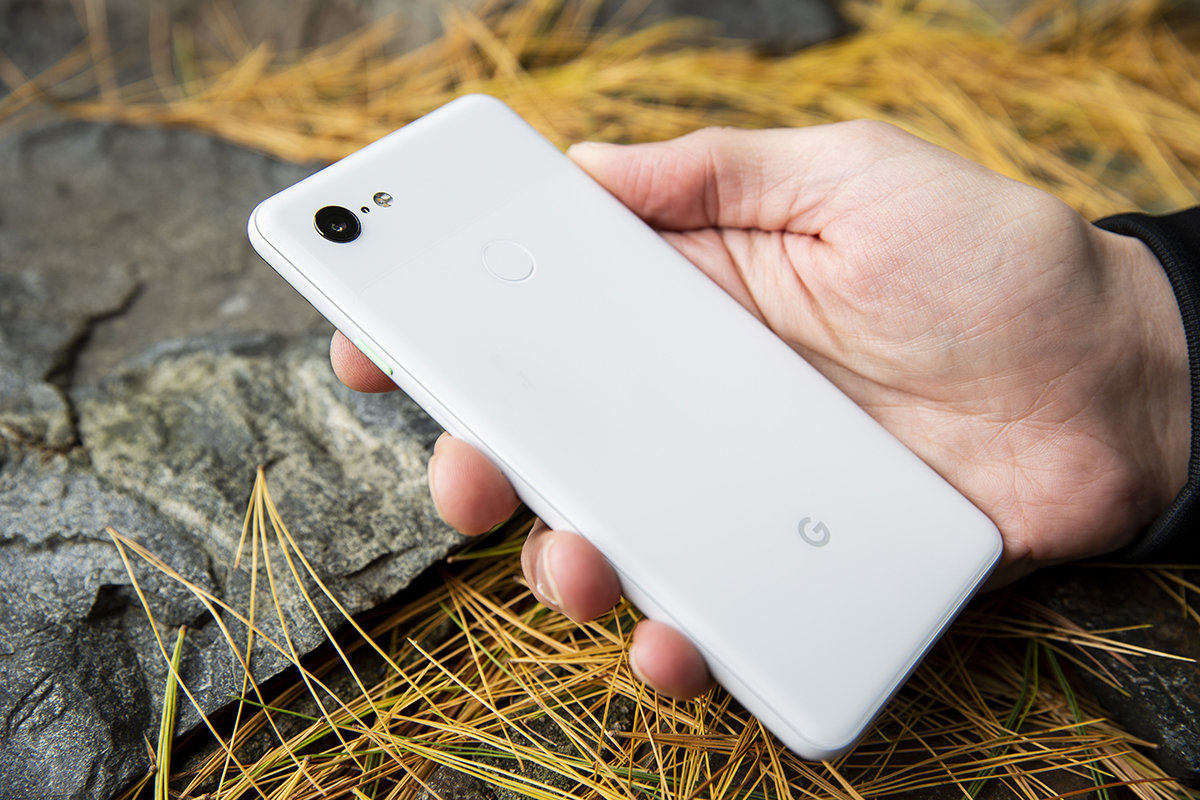
The Google Pixel 3 XL is definitely better than its predecessor Pixel 2 XL. You will not find any glass-and-aluminium look. Instead, the new design features an all-glass two-tone look. With glass at the top and textured matte glass towards the bottom, the phone’s back is as classy as it could be. The back is protected with Corning Gorilla Glass 5 which is also the material that guards the phone’s front. Although it can be operated with one hand, it becomes slightly difficult to do so. For a more comfortable experience, you will have to end up using both hands. Due to the glass back, it is also more slippery than its predecessor.
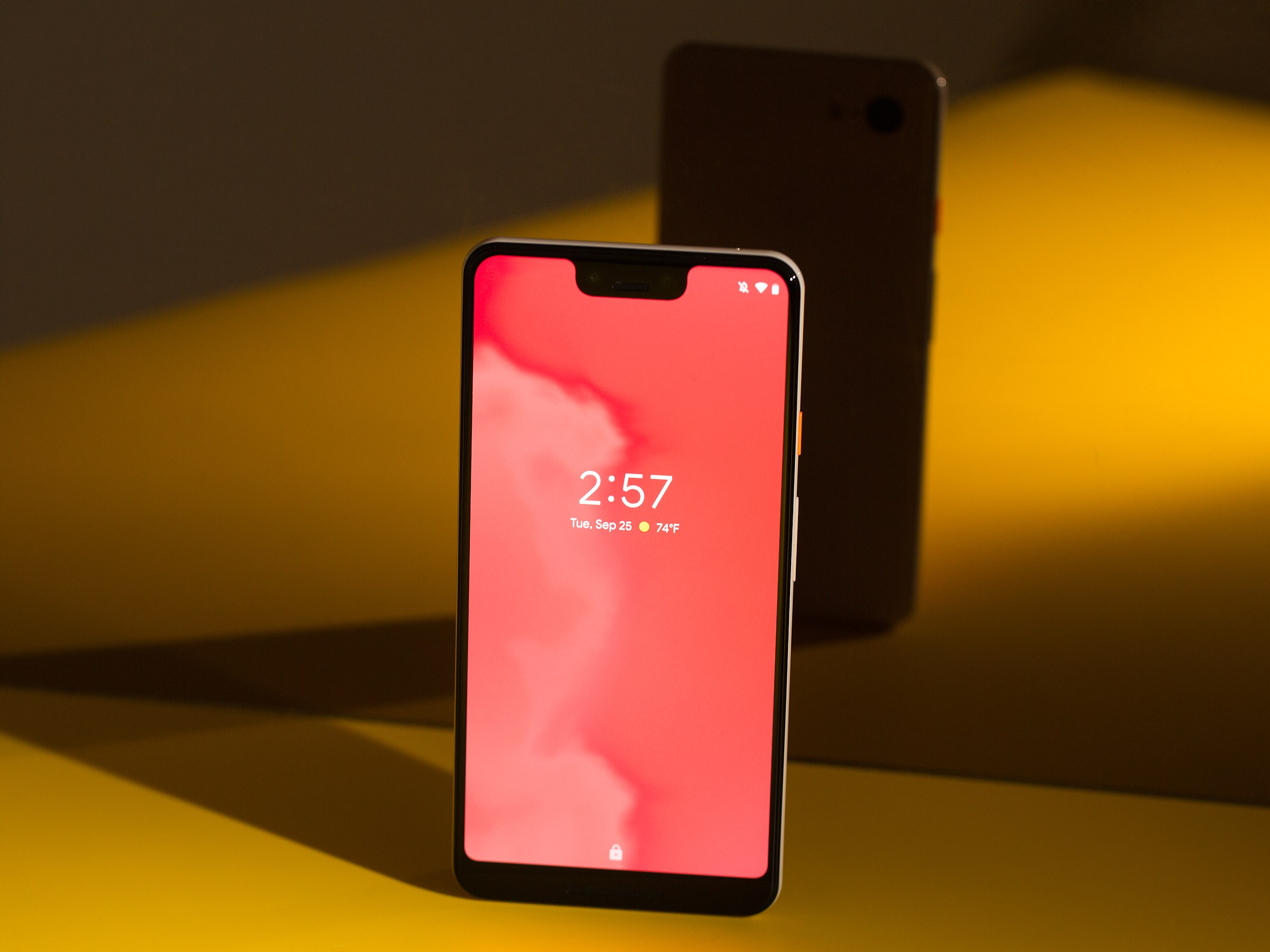
Google Pixel 3 XL Review
This glass design offers more benefits than simply looking gorgeous. It helps LTE signals travel faster and easier when compared to more common aluminium-backed devices. With 5G gaining traction, this factor is going to be more important as well. The corners are completely rounded and slim giving off a polished and sleek look. The rear fingerprint sensor is flat and does not dig in very deep. As with the Pixel 2 XL model, you can squeeze the sides of the device to awaken Google Assistant. This is far easier and fun to use than an AI button, which is what Samsung has for Bixby.
Display
The Pixel 3 XL features a 6.3-inch OLED screen with an 18.5:9 aspect ratio with HDR Support and a QHD+ resolution. With less bezel and more display space, users can enjoy a screen-to-body ratio if 83%. The previous models were designed with 76% screen-to-body ratio. Although it has a larger screen, it fits in relatively well within the same dimensions of 158 x 76.7 x 7.9mm. The deep notch at the top is unflattering and a tiny bit annoying, especially when you are watching videos or movies. It is not very easy to ignore.
However, it seems the developers knew some might find the notch uncomfortable. So, you will find that there is a way to hide the notch. However, if you do so, the time, battery level, notifications, and other things would go down a bit and the entire panel would turn black. A better option would be to consider using Nacho Notch, a popular app, that can be used to hide the notch while displaying the other data at its place.
Performance
Performance-wise, we don’t really have anything to complain about. This device by Google is designed to offer excellent performance although the speed is nothing to wow at. The Pixel 3 XL runs on Qualcomm Snapdragon 845 chipset with 4GB of RAM. Others in the market have gone on to use 6GB and 8GB of RAM, but the Pixel seems to work quite well. Maybe we will see an upgrade in the upcoming models.
Google Pixel 3 XL
Regarding battery life, the phone has a 3,430mAh battery which is large enough to handle your usage for a day and sometimes even more. Even if it is not as large as others, it can last reasonably long. The adaptive battery is Android Pie’s latest feature which switches off apps that you don’t use and the ones consuming too much power. This will get you more battery life. The 18W charger offers faster-charging speeds. You can also choose to buy the Pixel Stand if you want to try wireless charging.
Android 9.0 Pie
If you want to use the Android 9.0 Pie and see how it works, the Google Pixel 3 XL is your best bet. With a large screen to enjoy the Material Design and Adaptive Battery features to make your battery last longer, you are in for a great time. The phone comes with stock Android software. The traditional UI has been tweaked a bit. The navigational buttons are smaller in size and you can also hide them and use gestures instead. Since the notch takes up space in the middle, the time and notification icons are moved to the left side of the screen while other details like the battery level and signal strength are on the right side.
Google Pixel 3 XL Camera Review
Camera Quality
Google Pixel 3 XL is one of the best camera phones in the market. It has a 12.2MP rear camera with an f/1.8 aperture which takes sharp, rich, and awesome pictures. Google’s dedicated Pixel Visual Core chip and machine-learning software are what that makeup other things. They ensure you get stunning photographs no matter what. The two 8MP front-facing cameras also have the same software. While the primary selfie camera has a 75-degree field of view, the secondary selfie camera boasts of a wider 97-degree field of view. It has features like Super Res Zoom, Top Shot, Night Sight, Adjustable Portrait Blur, and Hyper-lapse mode.
Verdict
All in all, Google Pixel 3 XL is hard to beat. With a stunning camera, a large 6.3-inch display, and a reasonably good battery, it covers pretty much all our wish list. While it doesn’t have a headphone jack, which phone does nowadays?! Considering all things, the Pixel 3 XL is a worthy option to consider.