Category: News

  • Google Pixel 4 and 4 XL have Finally Arrived – Specs, Features & Reviews

    Google Pixel 4 and 4 XL have Finally Arrived – Specs, Features & Reviews

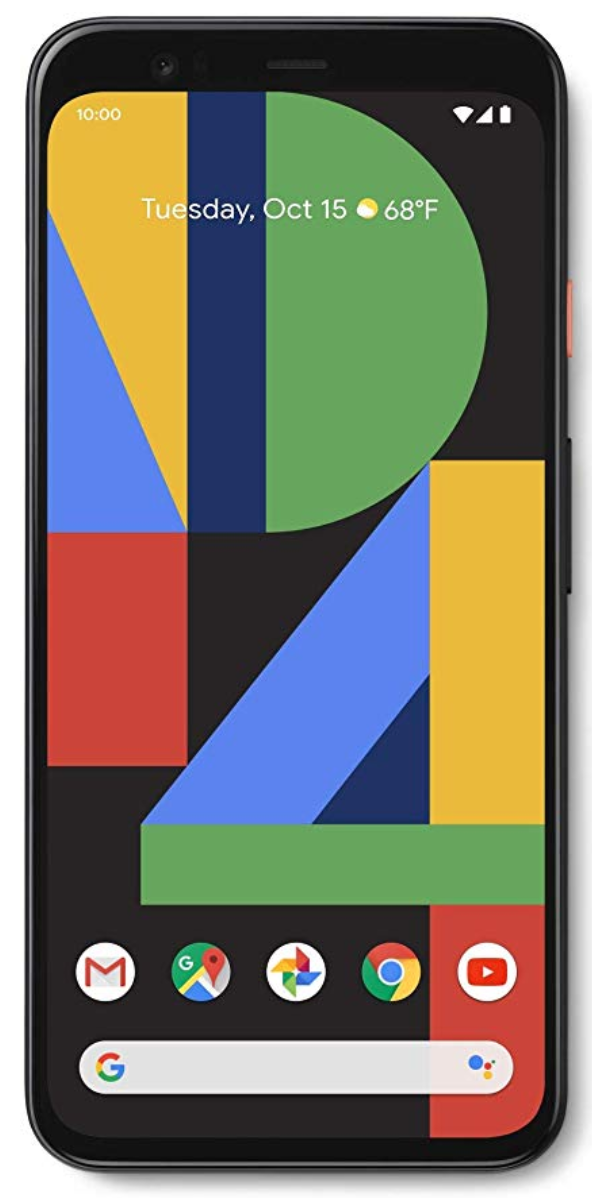
    Google Pixel 4 is an upcoming Pixel phone that will be launched globally. In India, it will be launched on 27th December 2019. The smartphone will be the successor to last year’s Pixel 3.
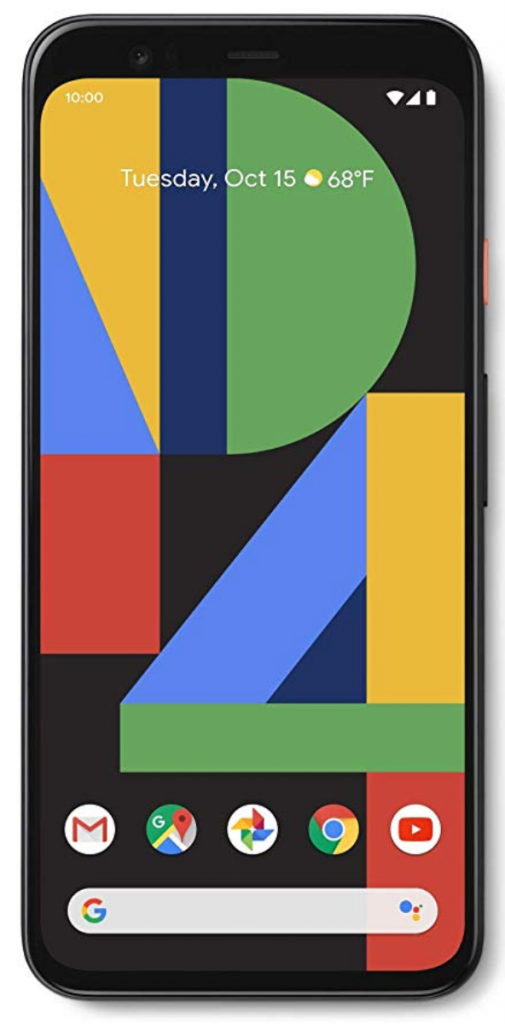
    Google Pixel 4

    As with other Pixel phones, Google Pixel 4 will come with impressive camera abilities and many other unique features than its competitors.

    The cameras are great, with excellent quality of images captured. Hence, it is a treat for photography lovers. Also, the experience of quick and wireless charging is an add- on advantage

    There are many more features to brag about:

    Face Lock debuts for Google: The no fingerprint sensor lock is used for higher precision. Most interesting is that it unlocks only when your eyes are open.

    Camera features are more improved. The device will take advantage of two cameras, first for adding some advanced exposure controls and the second one for the night Mode as a gaining ability to photograph the moon and stars.

      • Added up with Telephoto lens
      • More “Smarter Google Assistant
      • Use of Motion Sense– to mute the calls and notifications, switch and shuffle music and such similar functions.
      • To Control the Pixel 4, hand Gesture is allowed by Project Soli
      • Inbuilt way to customize your home screen without downloading any other launchers.
      • Live Caption Option– This will add Subtitles to any audio or video contents
      • Smart Storage – This removes backed up photos and videos.

    Let’s look at Pixel 4 Specifications:

    The Google Pixel 4 is a package full of comprehensive specifications with a form factor of HD Touchscreen, with a specific dimension-  147.10 x 68.80 x 8.20. It comes up with a battery capacity of 2800 mAh with a proprietary quick charging provided.

    Pixel 4 comes in three beautiful colors – Just Black, Clearly White, Oh so

    It’s an elegant and sleek body with a display of 5.70 inches, protected over with a layer of Gorilla Glass with 19:9 aspect ratio and 444 Pixels per inch (PPI)

    Coming to the most admired asset of any mobile phone, “It’s Camera.” The rear camera is 16 MP (f/2.4, 1.0 – Micron) + 12.2 MP (f/1.7,1.4 – Micron) with a Phase Detection autofocus and the front camera of 8 MP.

    The Processor used in Pixel 4 is octa-core with a RAM of 6 GB and internal storage of 64 GB with no any kind of expandable storage.

    Now one unique concept is being introduced in Pixel 4. You might have been aware of Nano SIM, Micro SIM, but not yet about the eSIM.
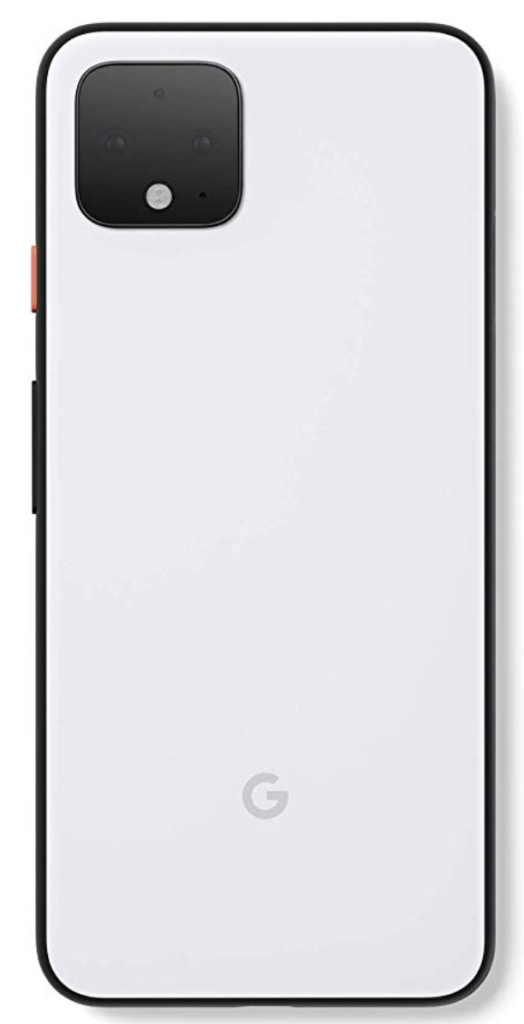
    Google-Pixel-4-4-XL-Back

    Pixel 4 has two slots, one for a Nano-SIM and another one for an eSIM, whereas both will be supporting 3G, 4G/LTE.

    Talking about the sensors, many are being used like Face unlock sensor, Proximity Sensor, Accelerometer, Ambient Light Sensor, Gyroscope, Barometer, and Magnetometer/ Compass. All in all, it is a very smartphone literally.

    Google Pixel 4 XL

     It is an advanced and more extensive version of Google Pixel 4.

    If you are looking for something with a “no-budget limitation” thing, then go for it without any second thoughts. It’s well worth every buck.
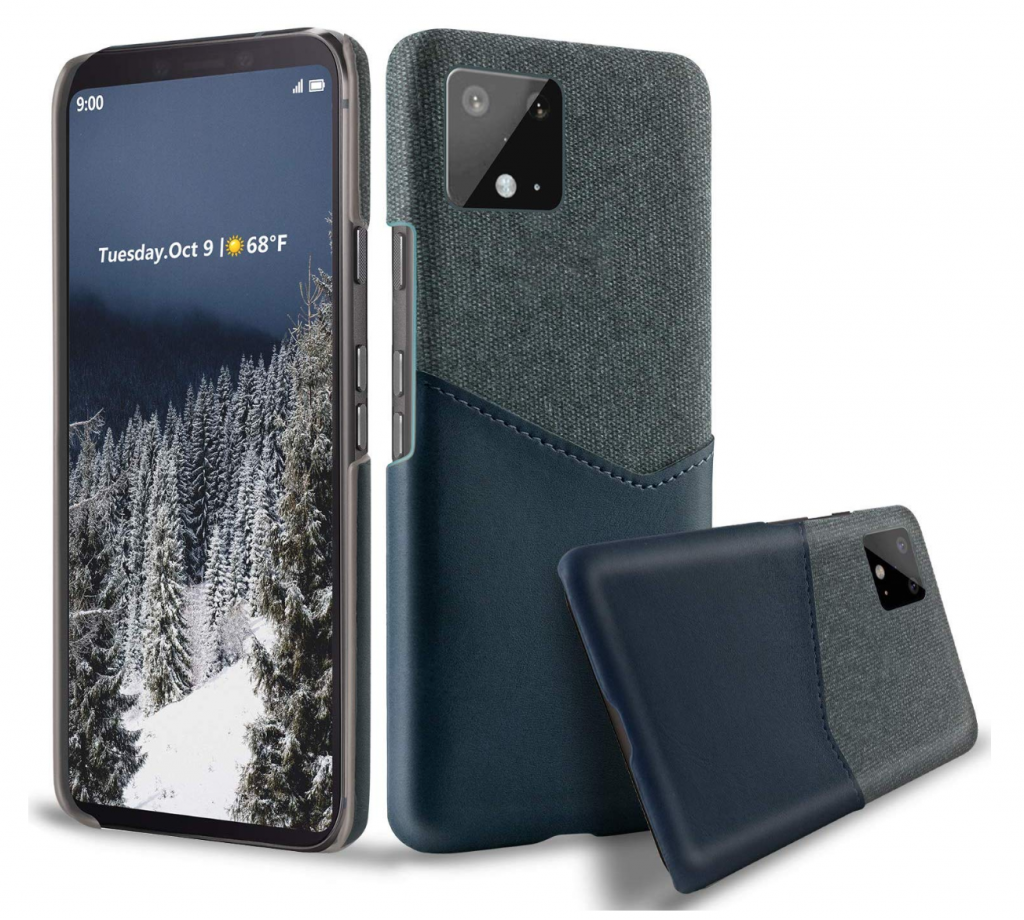
    Google Pixel 4 XL

    There is not much difference between the Google Pixel 4 and Google Pixel 4 xl, but some of the internal functions, Display, Screen Size, etc. are different

    So let’s check them out in detail! However, most features are the same for both models.

    The Pixel 4 xl has different Physical display and aesthetics – a contrasting power button and three color options

    • Higher Frame Rate
    • Higher Refresh Rate

    It has an Ultra-Wide Lens. You can hence shoot different types of compositions, wide-angle, astrophotography mode, portrait mode, and telephoto function. Other features include:

      • OLED Display- Nice Contrast Ratio, Higher pixel display
      • The Motion Sense – Again Thanks to Soli Motion Sensing radar – chip
      • Titan M Security Module
      • Audio with Stereo Speakers, one at the bottom and other on the back of the handset. Qualcomm Snapdragon 855 processor with pixel neutral core
      • More battery life – the most important aspect for the generation. With an 18 watt charger in the box which gets charged wirelessly.
      • Android Operating System with three years of security and frequent OS updates – It runs Android 10, which is the latest version of Android
      • Multi Sensors with a new Ambient Light Sensor
      • Transcription Capabilities
      • Multiple graphics advantage
      • Live Caption Option


    Specifications:

    Google Pixel 4 xl is the next version to Pixel 4 with some similarities and on the other hand, with some updates in Design, Size, Camera MP, its features, etc.

    The size of the 4 xl is 160.40 x 75.10 x 8.20, weighing 193 grams, slightly heavier than Pixel 4. It boosts up its battery capacity in 4xl of 3700 mAh with proprietary quick charging technology.

    Pixel 4xl is available in three colors – Just Black, Clearly White, Oh so Orange

    It has an eye-catchy look with a display of 6.30 inches, with a protective and sturdy layer of Gorilla Glass with 19:9 aspect ratio and 537 Pixels per inch (PPI)

    The 4xl has a 16 MP (f/2.4, 1.0 – Micron) + 12.2 MP (f/1.7,1.4 – Micron)  rear camera as with a Phase Detection autofocus and a front camera of 8 MP.

    The Processor used in Pixel 4xl is the same as that of Pixel 4, octa-core with a RAM of 6 GB and internal storage of 64 GB with no any kind of expandable storage.

    It also has two slots, one for a Nano-SIM and another one for an eSIM, whereas both will be supporting 3G, 4G/LTE.

    Sensors used in the 4xl are Face unlock sensor, Proximity Sensor, Accelerometer, Ambient Light Sensor, Gyroscope, Barometer, and Magnetometer/ Compass.

    Bottom Line

    Both versions have a lot of exciting features. Google Pixel has always been a prime choice for users looking for intelligent smartphones and making the most out of them. With the new models coming out, will we see a surge in Pixel demands? Stay tuned to find out!


  • Android Q Beta – How to get it

    Android Q Beta – How to get it

    What is Android Beta?

    Much like Microsoft’s Windows Insider program, it is nothing but a simple way to test or try the pre-release versions of the new Android OS. It is a work in progress build of the software that is made available to the customers before the rollout of the finished product.Android Q Beta The main aim of this is to collect user feedback and incorporate it into the newest version of the Android OS.

    Before the official landing of the software, it is a test that gives time to the developers. They re-run their codes and test the work it smooth without any bugs in the final version. The feedback from the users enables the developers to fix and optimize the details. Hence it is useful ensuring reliable and consistent operation.

    Devices that Support Android Q beta or the Developer Preview

    Earlier, the preview versions were available only for devices like Pixel. But with confirmation from Google I/O, the test version will cover over 21 devices from 13 different manufacturers such as Nokia, Sony, OnePlus, Xiaomi, Asus, Oppo, LG, Vivo, and Realme. The same beta program had been used for Android Nougat, Oreo, and Pie.

    Latest Version of Android – Android 10.0

    Unlike the previous Android versions, the latest Android 10.0 does not have a cute dessert code name and is only referred to with the version number 10.0. This version was initially released in September 2019 on Google Pixel devices.

    This version is packed with new and optimized updates covering almost all sections of the system. The features include a revamped gesture navigation, improved permission controls, a system-level dark mode, smart reply, and other security updates that are delivered through Google Play.

    Along with the mentioned features, Google delivers an Easter egg in the OS. It now has a puzzle that can keep you hooked on for hours of entertainment. It takes you to a nonogram puzzle game, which is nothing but a logic puzzle.

    How can you get Android Q Beta?

    Google, unlike the other years, has opened the possibility to test the beta program on several different devices than Pixel this year. It enables anyone to enroll for the update and preview it while receiving on-air updates. Let’s see how this is done-

    #1 You can sign-up for the Android beta program by visiting the google.com/android/beta

    #2 Sign-in to your Google account.

    #3 If your device is listed under the eligible devices, click to enroll in the Beta program.

    #4 Then go to Settings > System > Advanced > System Update to check for available downloads.

    Once this is done and you are enrolled, you will continue to be updated with the newer versions of Android Q beta almost automatically over the air.

    If you no longer wish to continue with the beta software, follow the above steps and click on the ‘unenroll device.’

    However, in case you have enrolled your device for the beta program of Android Oreo or Pie, you will need to re-enroll your device to receive the updates of Android Q automatically.

  • Mi Note 10 Review – Is it truly a Photographer’s Delight?

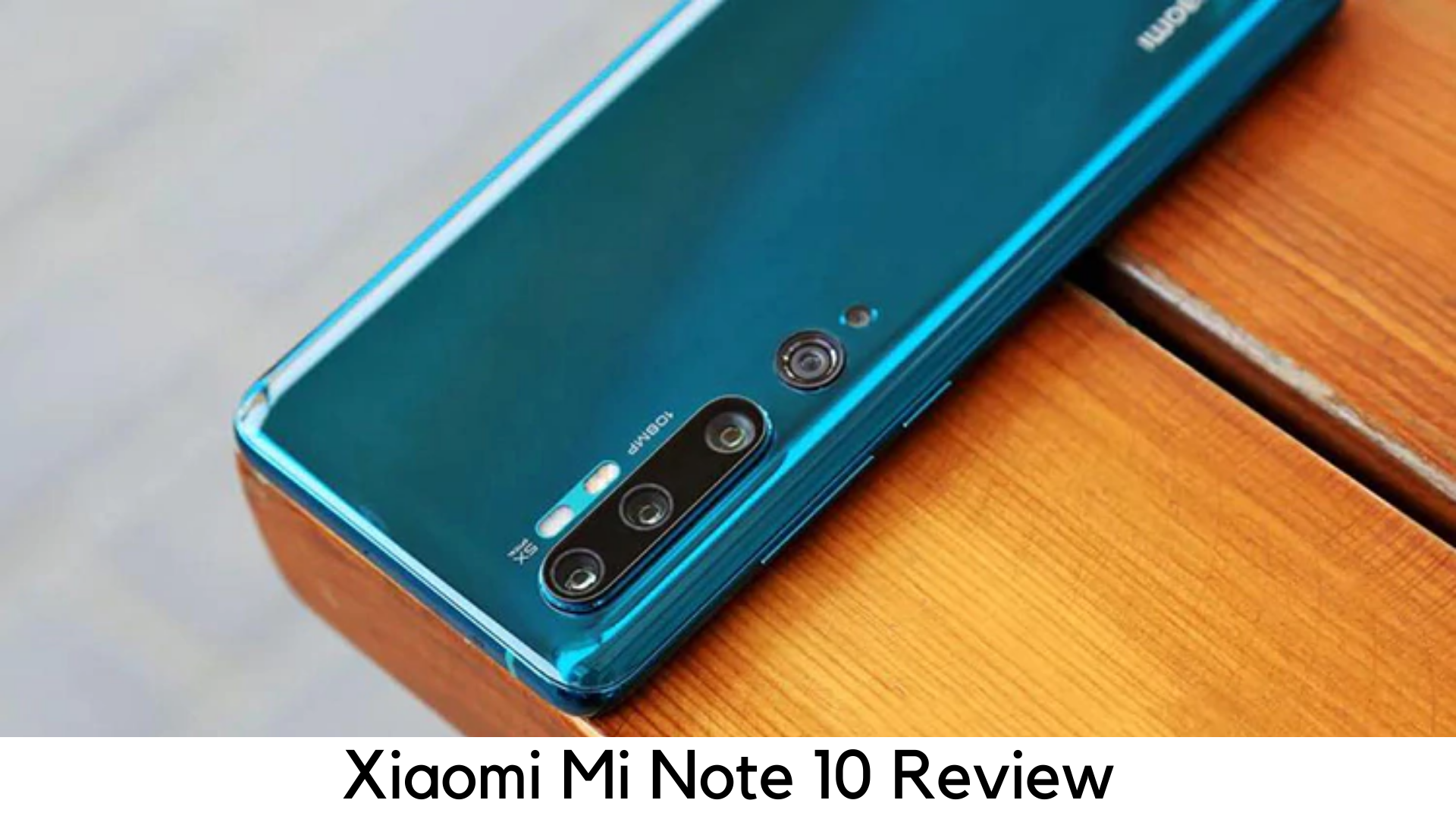
    Mi Note 10 Review – Is it truly a Photographer’s Delight?

    Xiaomi is a brand that never disappoints its customers by offering very high-quality products at an aggressive price range. From smartphones to suitcases and crazy gadgets, Xiaomi always pushes its limits by pledging to the least 5% margin on hardware and it is always ahead with its price-to-performance ratios.

    The company again gives complete justice to its commitment to Xiaomi Note 10. Despite having similar form factors like competitors, it still has some killer specifications that are unlike others.

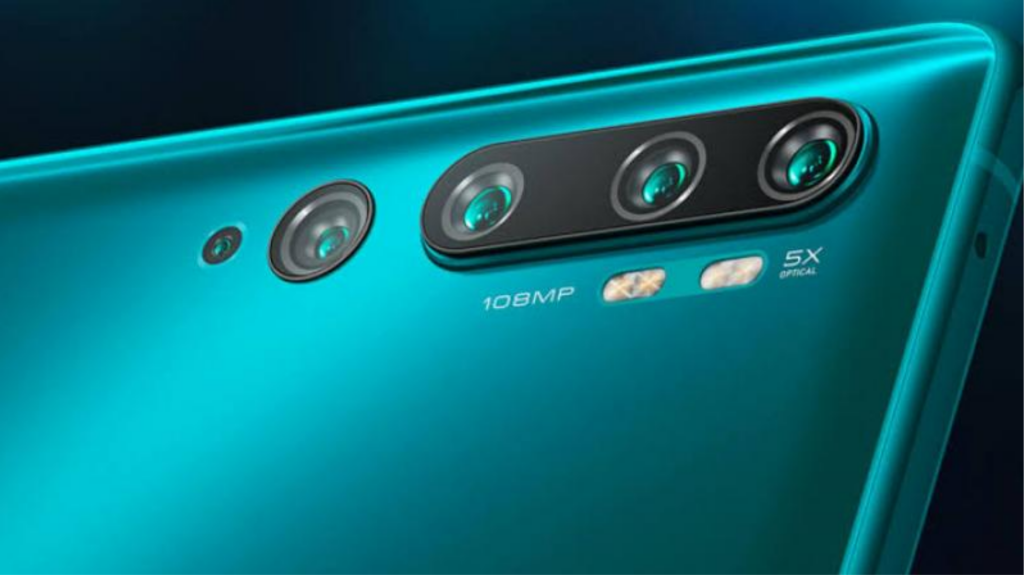
    Mi Note 10 is finally here as a photography-centric smartphone. Despite having a 108MP sensor, it delivers sharp 27MP images using pixel-binning technology. It also has 4 other cameras on the rear panel for different focal lengths.

    Another killer feature is its massive 5260mAh battery which really delivers good battery life optimized with mid-range Snapdragon 730G chipset. Though it is not that impressive on the software front, its powerful hardware still makes this device attractive.

    Unboxing

    • USB-A to C type cable
    • 30W fast charger
    • Quick start guide
    • TPU case of dark grey color

    Mi Note 10

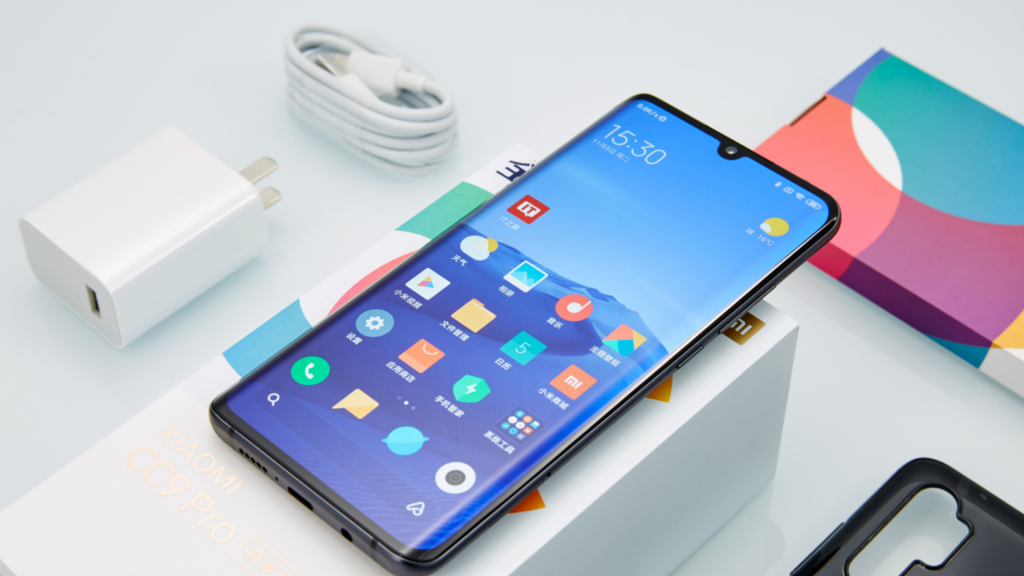
    The best thing is the 30W fast charger comes inside the box. So, you can charge your device quickly despite having such a huge battery. You will get a black TPU case with green and black units but the white model comes with a transparent case. It doesn’t have headphones in the box.

    Design

    • Teardrop notch for selfie camera
    • 208g
    • 8×74.2×9.67 mm
    • Stereo speakers
    • Curved edges
    • 108MP Penta-camera module

    Mi Note 10 Design

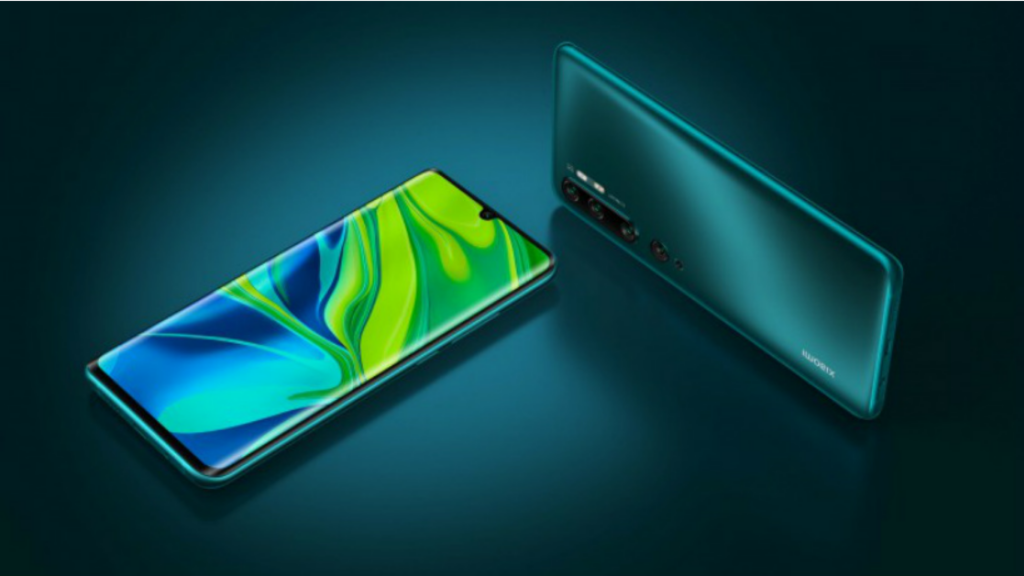
    With a solid aluminum frame and curved glass edges, Mi Note 10 is a premium phone but not that interesting in the design front. It has got quite a large full HD+ 6.47-inch display, which beautifully curves across the edges. On the bottom, it has a small chin. On the top, it has teardrop notch. There is an earpiece hidden in its bezel and a speaker grill on the top.

    It has a volume rocker and a power lock/unlock button on the ride side. It has SIM tray when you go further down. You cannot expand the memory with a microSD card. The bottom has speakers, a microphone, a 3.5mm headphone jack, and a USB-C port. It also has an IR blaster on the top.

    On the back, the device has a clean, reflective design that can catch fingerprints. There is a 5-camera setup down the edge. It has 4 different flashes along with the cameras. The device has got Gorilla Glass 5 protection on both back and front.

    Camera

    • 108MP main camera snapper with OIS and f/1.69 aperture
    • 12MP 2x telephoto zoom lens with f/2 aperture
    • 8MP 3.7x telephoto zoom lens with OIS and f/2 aperture
    • 5MP Crop on 3.7x
    • 8MP tele camera for 5x optical zoom (but it is not true in real life)
    • 16MP selfie camera with f/2.0
    • Macro 2MP camera with 1.75μm pixel size
    • 12MP ultrawide camera with 117-degree FoV and f/2.2 aperture

    Mi Note 10 Camera

    Overall, there are 5 cameras on the back and one selfie camera on the front. The 108MP standard sensor is 1/1.33-inches long with 0.8μm of pixel size, which is similar to that of the 48MP Sony IMX586 camera. But it is larger than ½-inch IMX586 sensor for more resolution. Pixel binning works just like the 48MP Sony IMX586 sensor. The pixels are split into four and data is gathered from other pixels to generate the same result.

    The camera app is quite simple to use and it also has 108MP mode because standard mode delivers 27MP images due to pixel binning. Portrait mode has a nice background cancellation. The 32MP Selfie camera is quite good which looks more natural and sharp than other cameras.

    Display

    • 47-inch AMOLED panel
    • Full HD+ 2340x1080p resolution
    • Aspect ratio of 19.5:9
    • In-display fingerprint sensor
    • HDR+/HDR 10 support

    Display Mi Note 10

    Like OnePlus 7T, Mi Note 10 also has a full HD+ display which looks nice. It also has deep blacks with 400,000:1 contrast ratio like an AMOLED Panel. The in-display fingerprint scanner works accurately and quite fast. Xiaomi reduced the thickness of the scanner by 88%.

    Performance

    • Qualcomm Snapdragon 730G
    • 6GB RAM
    • Adreno 618 GPU
    • 128GB internal UFS 2.1 storage

    Though Mi Note 10 lacks a flagship processor, it still performs quite nice and adds 15% better graphics performance than standard SD 730 processor. We didn’t notice any stuttering or lags in daily use. The processor is powered by 6GB RAM and 128GB internal storage to keep things running smoothly.

    Battery

    • 5260mAh
    • No wireless charging
    • 30W fast charging

    The Mi Note 10 is powered by the huge 5260mAh battery so there is no doubt on battery life. Snapdragon 730G is power efficient in itself as compared to SD 855.

    On average, it ran around 7 and a half hours with screen-on time.  It also has the support of 30W fast charger that can charge its battery from 0% to 100% in 1 hr. 6 min.

    Software

    • Android 9 Pie
    • MIUI 11

    The device runs MIUI version 11.0.3.0 based on Android 9 Pie, which is just fine. By default, it doesn’t have an app drawer. Interface just feels quite old. But Xiaomi has added Mi Drop, a new file transfer add-on that works well with Vivo and Oppo phones.

    Pricing

    • 6GB RAM/128GB storage variant costs €550

    And here comes the most important part. Mi Note 10 offers good value for money for €550 (around $610) – but in just battery and camera. Performance-wise, one can choose OnePlus 7T instead, which has a better display with a 90Hz refresh rate, a more powerful SD 855+ chipset, and better UI.

    Plus

    • No compromise on photo quality
    • Versatile camera module
    • Headphone jack
    • IR blaster
    • Massive battery
    • Fast charger comes in the box

    Minus

    • Basic design
    • Sub-par processor
    • Doubtful optical zoom

    Overall

    The Xiaomi Note 10 has set a benchmark as probably the world’s first smartphone with 108MP shooter and wins the race by offering more optical options than any other smartphone available in the market. With a huge battery to keep you clicking all day long, Mi Note 10 has come as a Swiss Army Knife for all photography lovers out there.

  • Wallpaper Option Moved, New Skin Tones Added

    Wallpaper Option Moved, New Skin Tones Added

    WhatsApp, one of the world’s most popular messaging apps, has received a new update for its beta build. Its version number has bumped up to 2.19.366, and along with various fixes and tweaks, the update mainly fixes a significant bug that caused many Android users to experience crashes.

    Wallpaper Option Moved, New Skin Tones Added

    The bug was found in the last update (2.19.355) and has been fixed swiftly in the latest beta update.

    The new beta update for WhatsApp is live and available on the Google Play Store. If you wish to become a beta tester, click on this link to download the latest beta version of WhatsApp on your Android device.

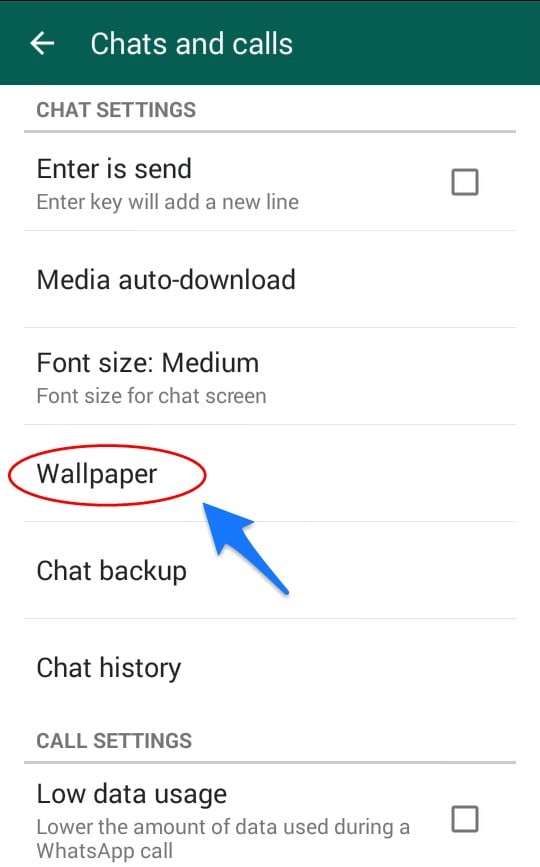
    The new beta also comes with other notable changes. A recent report by WhatsApp features tracker WABetaInfo mentions changes to the location of the ‘Wallpaper’ option in WhatsApp.

    The option has reportedly been moved to a separate ‘Display’ section. The option was previously found under the chat settings.

    Additionally, the new beta update also introduces new skin tones for six emojis instead of the wallpaper option.

    The emojis are ‘man in a manual wheelchair,’ ‘woman in a manual wheelchair,’ ‘woman in a motorized wheelchair,’ ‘woman with probing cane,’ ‘man in a motorized wheelchair,’ and ‘man with probing cane.’

    Rumors of a dark mode in WhatsApp for Android have been circulating the internet for months. However, the feature is nowhere to be found in this beta update as well.

    A little earlier, WhatsApp had announced a new feature that enables users to accept incoming WhatsApp voice calls when they are already on another call.

    The feature was not made available publicly, until now.

    With this beta update, users will be prompted with a choice to accept or reject a WhatsApp call while they are in the middle of another call.

    This call-waiting feature has been available to iOS users for a while now. Now, with the feature finally rolling out to Android, users will be notified of incoming calls regardless of current call status.

    The feature is different from the call-waiting functionality a cellular network provides. Unlike mobile networks, WhatsApp users cannot put calls on hold.

    Before the update, users who are midst a call would not be prompted about an incoming call and would only see a ‘missed call’ notification after they ended their call.

    Now, users have an option to receive incoming calls, even if they are in the middle of another call.

    If you want to check out the new features for yourself, head over to the Google Play Store and download and install the latest beta version of WhatsApp.

    Opting out of the beta testing program is just as easy as opting in. Going back to the beta tester listing and tapping on ‘Leave the program’ should do the trick.

    Lastly, uninstall the application from your Android smartphone and reinstall the publicly available version from the Google Play Store to finish the process.

    for a bit variety of wallpapers please check wallpaper section on our android app store.

  • Apple Releases iOS 13.2.2

    Apple Releases iOS 13.2.2

    Apple has updated its operating system to iOS 13.2.2 from iOS 13.2. The focus is to fulfill its customer expectations to the core and to fix up the issues faced by the customers using iOS 13.2.

    The earlier released iOS 13.2 was well by received a large number of audiences across the world, but there were few more expectations.

    Apple Releases iOS 13.2.2

    After working on the latest customer needs, Apple recently released the most updated version of its operating system: iOS 13.2.2.

    How to Get Updated?

    The process is simple. You can find system software update in the settings of your phone. Click download and get it installed.

    For iPads also, the latest version (iOS 13.2.2) can be updated.

    The installing process is so fast that the new OS is installed in five to ten minutes. The mobile will get restarted automatically once the software is updated.

    Issues & Updates

    As per the Forbes report, iOS 13.2 had few general issues as listed below even though the OS was quite feature-rich and performance-friendly.

    #1 Apps Crashes

    These were the significant and foremost complaints from the customers. Now, while using essential Apps, those which are running in the background will get closed automatically.

    #2 Loss of Mobile Data and Signal

    It can be irritating when you are in the middle of a call, and the cellular signal goes off abruptly.

    Customers started getting annoyed about such an issue when they were not able to complete a few important calls. Also, the mobile data signal went off when in the middle of browsing.

    Example – if you are doing a bank transaction and the mobile data gets vanished for a few minutes and comes back. It can be disastrous. Your account may get debited, and the purchase might not go through.

    #3 Encrypted Emails

    There are certain emails that we receive as encrypted. Such emails started becoming unreadable in many instances.

    It can be annoying if the mail is urgent in nature. Now the issue is fixed with iOS 13.2.2.

    #4 Charging Issues

    The Forbes says, while using lightning powered accessories, the charging becomes disrupted, and you need to either wait till the charging completes or the powered accessories to be charged first.

    Such issues of charging disruption are no more in iOS 13.2.2.

    #5 Kerberos In Safari

    When using Kerberos sign-in to safari, there is a prompt for authentication. Such an issue was not occurring in the earlier operating systems. With iOS 13.2, the customer started facing this problem frequently. However, iOS 13.2.2 came up with resolving it.

    Conclusion

    The latest version iOS 13.2.2 fixes a lot of bugs and errors occurring in previous apple operating systems. Get it now and enjoy an uninterrupted apple experience.

  • Huawei’s Waiver to Get 6-month Extension

    Huawei’s Waiver to Get 6-month Extension

    Huawei, a Chinese telecommunications giant company, has been put under a squeeze by the US government ever since the end of 2018.

    The trade war between the US and China has been escalating with concerns that Huawei may be compromising the national security of the Trump government while also being tagged for potential spying.

    Huawei’s Waiver to Get 6-month Extension

    The President of the United States, Donald Trump, had banned the use of any information and communication technology from anyone that is being considered a national threat, majorly aimed at Huawei in May.

    Huawei, along with 70 other affiliates, was listed in a trade blacklist that barred anyone on the list to buy parts or components from the US companies without approval from the government.

    It has highlighted that Huawei has been a significant concern for the military as well as other intelligence agencies. The Huawei products are restricted regardless of where they were made.

    The US government has stressed Huawei to use its control over the telecommunication infrastructures to intercept data from government and individuals, which could land an upper hand to China in case of a cyber-war.


    Tensions between the two countries kept creeping in while the US worried about how Huawei could potentially compromise the security of the country to China. While the people think the ban has more to do with the economic concerns than the dread of espionage.

     Huawei has brought in more than $100 billion in revenue in the year 2018 despite the political flurry.

    The idea that has been doing the rounds is also that as the sales of Huawei kept rising while the market share of Apple falls, Trump has made his efforts to restore the manufacturing jobs to the United States.

    Recently, the Commerce Department has granted another six-month extension to Huawei’s Waiver over and above the previous three-month waiver.

    The main reason, as cited by the officials for this act, is not to affect the operations of several rural communication providers working with Huawei.

    The extension allows Huawei to purchase any US origin hardware or software that is needed to continue supplying the rural internet providers. It is unknown if Huawei’s waiver may be further extended.

    The ban on Huawei has mined out several industries. However, many US chipmakers have informed that the semiconductors used in most of the Huawei phones are readily available in the world market and do not have any relevance in the field of national security risks.

    The semiconductor industry has also argued that the export ban is severely affecting US-based companies as well, thus providing an advantage to the other foreign competitor giants like Samsung and MediaTek from South Korea and Taiwan.

    Cutting off Huawei as a whole would undoubtedly affect the industry but by how much is still to be determined.

    The future course of action that the US government takes on this ban and related economic activities is open to speculation as we wait for a more concrete update from the authorities.

  • Trump Government Gives a 6 Month Extension to Huawei Phones

    Trump Government Gives a 6 Month Extension to Huawei Phones

    Over the second week of November 2019, the Trump organization’s boycotting of Huawei has gained some traction and direction. This report breaks down for you, how the story has unfurled.

    6 Month Extension to Huawei Phones

    The United States and China are in a gigantic exchange and trade war.

    Their governments are trying to settle some critical disputes. Imposed restrictions on Huawei have been the most noteworthy one. The ban became effective in May 2019, and a 3-month extension was granted to Huawei by the Trump government. It expired on November 15, 2019.


    Trump Government Bashes Huawei And Then Provides Relief

    National security concerns have been an ongoing theme in the more significant part of Huawei’s history.

    Fast forward to 2018: Verizon, a prominent mobile carrier in the US, stopped using Huawei phones. Huawei, by the time, started rolling out Android phones throughout the world, including the US.

    The final quarter of 2018 and 2019 saw major allegations against Huawei, which would later result in the Trump government ban. Now, there is some relief news with them granting a 6-month extension to the company’s trade licenses with US firms.

    This extension is preceded by another 3-month period that expired on November 15, 2019.

    Controversial Beginnings of Huawei

    Ren Zhengfei established Huawei in 1987. He began Huawei after his military profession abruptly ended due to downsizing. Huawei’s initial breakthrough was rife with controversy.

    The global technology community alleged Huawei of stealing intellectual property and reverse engineering it to release in the People’s Republic of China.

    Huawei’s Journey so far Has Been Rife with Allegations

    Before China joined the WTO in 2001, Huawei came under the watch list by the Indian government for allegedly providing terrorist organizations with IT equipment.

    Things cooled down when Huawei denied the allegations, and there was no concrete proof to substantiate the claims.

    However, in 2003, a US telecommunication giant, CISCO, came up with a claim accusing Huawei of stealing their codes for internet routers.

    Huawei, after many tribulations, agreed to the claim and later, reached the settlement deal with CISCO.

    In 2008, the US government blocked Huawei’s purchase deal of a US technology company, 3COM, citing security reasons. Furthermore, till 2018, Huawei came under the radar by another two companies.

    Vodafone accused Huawei of placing backdoors in their devices that violate possible data privacy. BT Mobile accused Huawei of the same citing security breach in their devices.

    In 2010, another US technology giant, Motorola, accused and later sued Huawei for illegal company surveillance. This lawsuit was finally settled a year later. Huawei kept on following a tumultuous journey.

    Huawei constructed a humungous research center in the United States in the same year, wanting to venture into the nation and create a prominent mobile carrier network in the US.

    However, the Obama government obstructed Huawei’s offer to assemble a national remote system for crisis benefits, citing security interests of the nation.

    With the current table stacked against the Chinese giant, the 6-month waiver comes as a relief. Huawei partners that have maintained trust since the ban have also shown signs of positivity as resumed trade will give a bullish outlook to Huawei’s falling stock!

  • Huawei & ZTE Could Lose What Little Business they Have In United States

    Huawei & ZTE Could Lose What Little Business they Have In United States

    Chinese smartphone manufacturers Huawei and ZTE find themselves in trouble with the US Federal Communications Commission (FCC) placing more restrictions by barring companies receiving government funds from purchasing or receiving services from Huawei and ZTE.

    Huawei & ZTE

    In a move that could tremendously curb Huawei’s global expansion trajectory, the FCC announced the proposal in Washington and will have the agency vote on the same.

    Huawei is the largest telecommunications equipment manufacturer globally, a leading smartphone brand globally and a pioneer in 5G technology equipment. Although ZTE which recently released the MiFavor 10 OS holds a relatively smaller market share compared to Huawei, it is also one of the major Chinese telecom manufacturers.

    Arguing that Huawei and ZTE pose a threat to the security and communications networks in the US, Ajit Pai, the Chairman of FCC said that these telecom manufacturers have to follow Chinese laws that require them to comply with requests from government agencies and intelligence services. This law implies that Chinese authorities could compel Huawei & ZTE to spy on American businesses and individuals.

    In the event that a 5G network with a Huawei equipment was in operation close to a US military base or any area of sensitive Federal information, Pai elucidated, “Beijing could demand the installation of a ‘back door’ to allow secret access to the network, insert malware or viruses and receive all kinds of information – without Americans ever knowing.”

    He stated that the usage of Huawei & ZTE equipment is widely used across various rural networks in the US and the authorities would consider a proposal on how to “rip and replace” such equipment.


    The Chinese tech giant Huawei has refuted claims from the FCC of their equipment or their organization posing a threat to their national security. A spokesperson from Huawei stated, “Banning specific vendors based on country origin will do nothing to protect America’s telecommunications network.” While ZTE did not comment on the issue, they too have in the past refuted claims on their services and products posing a threat to US security agencies.

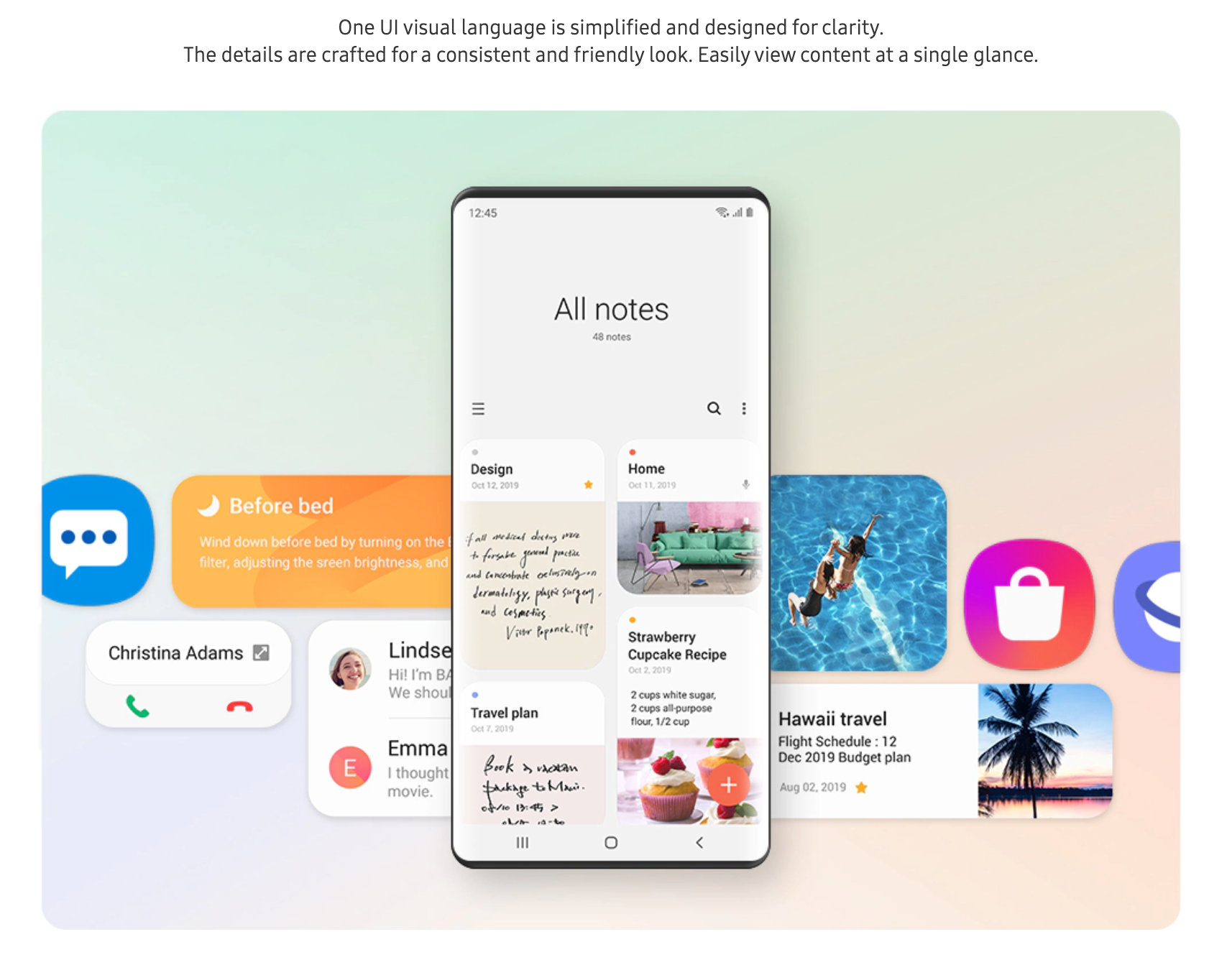
  • Samsung Reveals One UI 2.0 Roadmap

    Samsung Reveals One UI 2.0 Roadmap

    There has been much anticipation regarding the roll-out of Samsung’s Android 10 One UI update for quite some time.

    Samsung Reveals One UI 2.0 Roadmap

    A lot of the major smartphone manufacturers, including OnePlus, Huawei, and Xiaomi, have already released an Android 10 update.

    The wait is finally over for Samsung users as well.

    According to the official update roadmap released by the Korean tech giant, the Android 10 update for all Samsung devices, including the Galaxy S10, S10e, S10+, and even the A series and the M series, would be pushed in January 2020.

    However, a stable One UI 2.0 update based on Android 10 is already available to German users.

    But, the update is only available to those users who are a part of the beta testing program. The actual stable update will take some time before it reaches your smartphone.

    What Can Users Expect?

    Samsung will begin pushing the One UI 2.0 update only to flagship device owners initially.

    Later, the update will be available to all Samsung smartphone users.

    Users can expect a lot of changes to the original One UI.

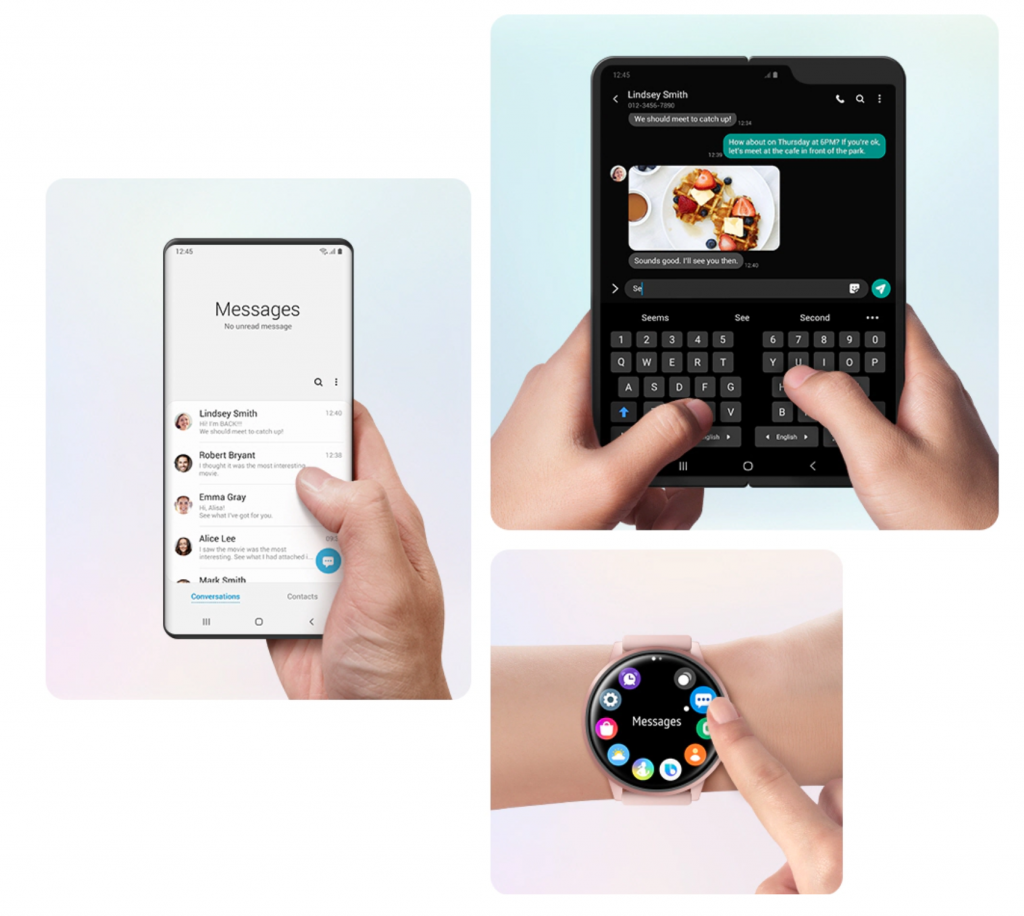
    The One UI 2.0 uses the newly released Android 10 OS, which means users can expect a neater user interface, better security features, fewer intrusive pop-ups, and an all-round smoother experience.

    Other features users can expect from the update include a smarter layout, full-screen gestures, and a system-wide dark mode.

    There would also be changes made to default Samsung apps such as Samsung Notes, Samsung Health, Calculator, Calendar, and Samsung Internet, which the Samsung users can install separately after updating their devices to Android 10.

    Recent Update:

    Although Samsung had initially announced that the One UI 2.0 update would only be available in January 2020, Samsung has managed to roll-out the Android 10 based update for devices like the Samsung Galaxy M20 and M30 in December itself.

    Samsung Galaxy M30 received build numbered M305FDDU3CSL4, whereas the Galaxy M20 has received a different build numbered M205FDDU3CSL4.

    The early roll-out by Samsung implies that there will be more updates released in the coming months to polish the software for different devices further.

    How To Check If Your Samsung Device Has Received the Android 10 Update

    It is super easy to check whether your Samsung device has received the Android 10 update.

    Follow these steps:

    • Go to the Settings menu
    • Tap on the Software update section

    One UI 2.0 Roadmap Features

    It will show you all the pending software updates for your phone.

    If the software update for Android 10 pops up in the menu, click on the Download button.

    The new firmware will begin downloading.

    Once it has completely downloaded, click on the install button, then wait for your phone to restart.

    You should see the updated software when your phone restarts.

    Samsung users have been patiently waiting for the Android 10 update on their devices, and finally, it’s here.

    Earlier Samsung had announced the launch for 2020 but then surprised everyone with an early release. Users across the globe couldn’t be happier.

  • Pokemon Sword And Shield

    Pokemon Sword And Shield

    In the first week of its release, Pokemon Sword and Shield sold over six million copies to become the fastest-selling Switch game ever. The Pokemon Company announced this via a tweet, which also states that the 6 million figure included both physical as well as digital sales.

    Pokemon Sword and Shield becomes the World_s fastest-selling switch game

    The record was previously held by Super Smash Bros., which was also released exclusively for the Nintendo Switch in 2018.

    Super Smash Bros. recorded a first-week sales figure of five million copies worldwide.

    While Pokémon Sword and Shield now holds the record and is also the best-selling Nintendo Switch game, Pokemon Sun and Moon remains the fastest-selling game in the Pokemon franchise.

    Sun and Moon sold a little over 7.2 million copies in the first week of its release alone. Also, the game has sold over 16 million copies in total.

    The Controversy Behind Pokémon Sword and Shield

    The Pokemon Company announced that Pokemon Sword and Shield wouldn’t consist of a National Pokedex, cutting players off from the rich heritage of Pokemon they have collected from previous games.

    The Pokedex, short for Pokémon Index, is a catalog of every Pokemon in the game. As players progress through the game and encounter and catch Pokemon, the Pokedex in the game records the details of the Pokemon.

    When the player has caught every Pokemon in the game, the player has ‘completed’ their Pokedex.

    Every Pokemon game has a limited set of Pokemon that appear in the game. The games use the concept of ‘generations’ and ‘regions.’ The only way to play with a Pokemon of a previous generation or from another region is by transferring it from another Pokemon game over the internet.

    A catalog that has a record of every Pokemon that was ever available to be caught across games is called the ‘National Pokedex.’

    Players pride themselves in having completed the National Pokedex and enjoy playing with Pokemon that they’ve caught in other games of the franchise.

    “Gotta catch ‘em all.”

    Pokemon Sword and Shield, and presumably every other game in the franchise from this point forward, will limit players to playing with Pokemon included in the game only. No more National Pokedex, or the ability to transfer Pokemon across games.

    This move surprised fans and sparked widespread controversy, which led them to question the Pokemon Company’s plan going forward.

    There are already over 800 species of Pokemon, excluding the ones in Sword and Shield.

    The producer of the game, Junichi Masuda, stated the growing number of Pokemon species as a reason for the removal of the National Pokedex.

    In the same interview, Masuda also addressed fans’ concerns over the quality of animation of the Pokemon featured in the game.

    Masuda also states that he and his team have not decided whether the game will incorporate more Pokemon post-launch.

    The move has left Pokemon fans with a bad taste in their mouths.

    In spite of the controversy over the National Pokedex, Sword and Shield surprised critics with record-breaking sales figures.

    Will the franchise stay true to its fans? Only time will tell.