Category: News

  • Samsung Suddenly Exposes Radical Galaxy S11 Upgrades

    Samsung Suddenly Exposes Radical Galaxy S11 Upgrades

    Samsung has released back-to-back leaks of its Galaxy S11 and suddenly surprised its fans with a range of radical new features and upgrades. Finally, Samsung has officially confirmed its upcoming flagship for the first time.
    Samsung Galaxy S11 Update

    Samsung has officially revealed its Galaxy S11 in its application to China Compulsory Certificate, which is picked by always-curious XDA Developers. The company has also leaked its head-turning feature, exact model number, and its fast charging tech.

    Update 11/27

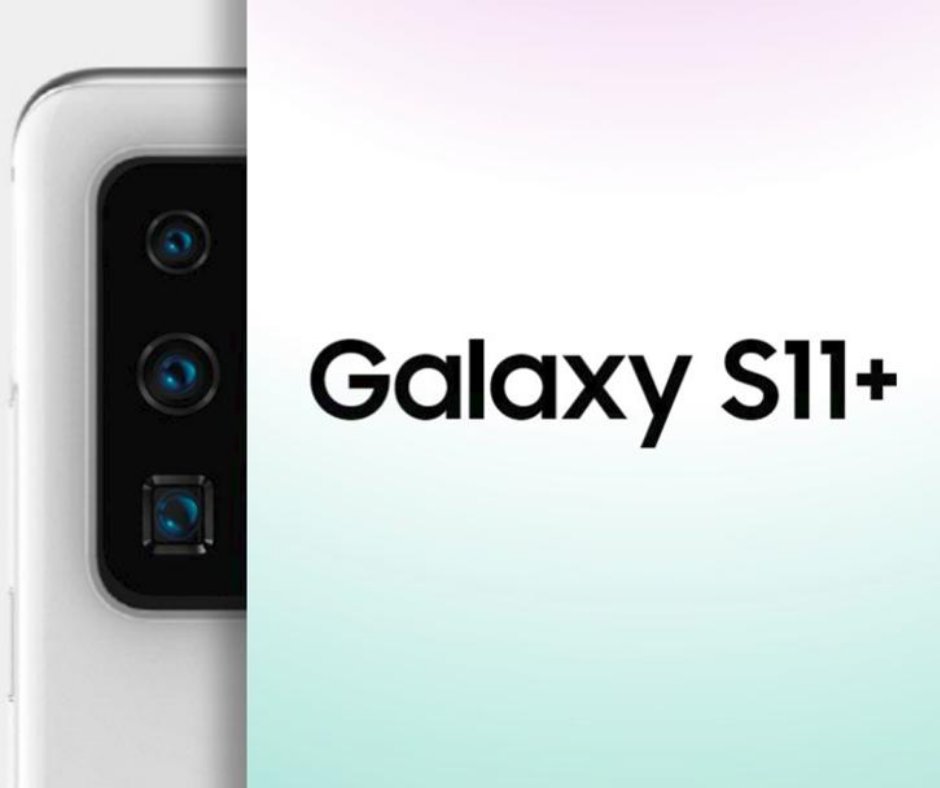
    A well-known leaker @OnLeaks has joined hands with CashKaro to leak how the cool new Galaxy S11+ would look like with its whole new quintuple rear camera setup in a big rectangular hump. It goes without saying that the main camera would be 108MP with the most awaited 5x optical zoom which can record 8K video. In addition, it will be accompanied by telephoto and ultra-wide angle lenses. However, what other modules will be for is still unknown.


    Update 12/1

    @IceUniverse, a well-known insider who reveals Samsung leaks has revealed its OnLeak’s design leak and said, “Real design is even more stunning than its key parts.” It means that the device will have symmetrical cameras and 5x optical zoom is going to be square-shaped. On the display part, it will be a class apart with a 120Hz refresh rate.

    Update 12/18

    Ice Universe has again revealed another design update. According to him, Samsung, for the first time, will have fully bezel-less top and bottom. As he promised, the all-new camera would be symmetrical, unlike OnLeaks renders.

    According to Samsung, Galaxy S11 (SM-G9860) will be 5G variant which is going to set the benchmark for smartphones coming in 2020, when all of its competitors are working hard to upgrade their flagships with 5G technology, including Apple’s wide-band support.

    The next update is not that good. Galaxy S11 will support 25W charging to the maximum, according to Samsung. After all, it is an upgraded version of the previous Galaxy S10’s 15W charging. But Samsung took a step down against Note 10 Plus, which came with 45W fast charging.
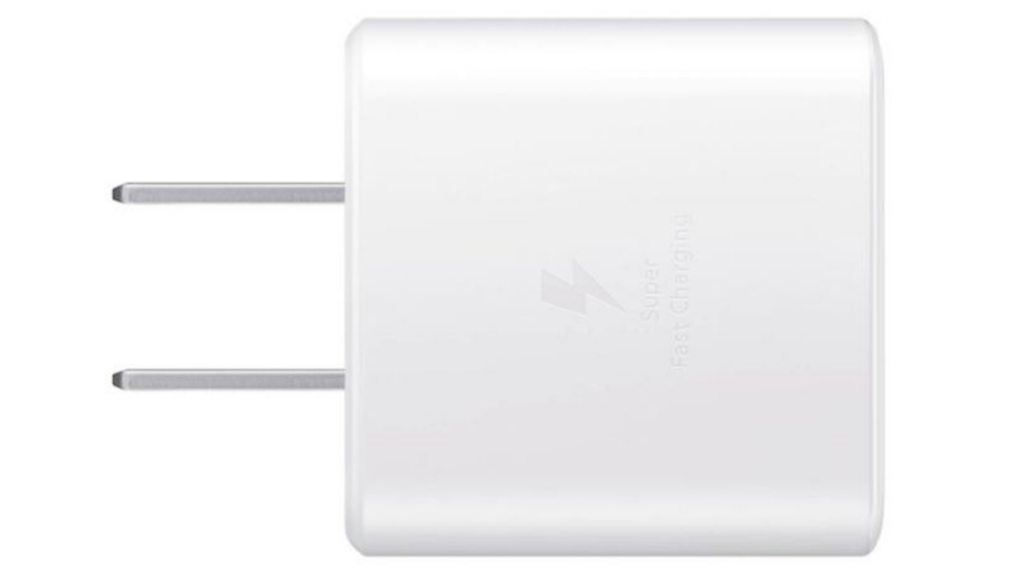
    Galaxy S11 charging

    It seems that Samsung is planning to keep 45W charging reserved for its larger variant, i.e. Galaxy S11 Plus. But it is also true that the archrivals like Honor, OnePlus and Huawei are already offering their devices with up to 40W charging techs. It is quite shocking to see why Samsung is not so interested in Galaxy S11 with up to 40W Charging. It is also confirmed that Samsung is working on the whole new battery tech but it will not come into the device.


    No matter what, we know that Samsung is planning high. Galaxy S11 is being equipped with its extra-ordinary camera tech “Hubble” which is known for its great zoom capabilities. It will also have a new design, new shooting modes, next-gen memory, great performance upgrades, a huge fingerprint sensor, and bigger batteries.

    With all such updates in hand, are Galaxy Note 10 and Galaxy S10 still worthy of buying now? Though you may want to wait further, it is still true that both models might just be available with huge price drops on some massive Black Friday sales.
  • Xiaomi Unveiled What Might Just Be The Best Camera Phone & The Best Cheap Phone, Ever!

    Xiaomi Unveiled What Might Just Be The Best Camera Phone & The Best Cheap Phone, Ever!

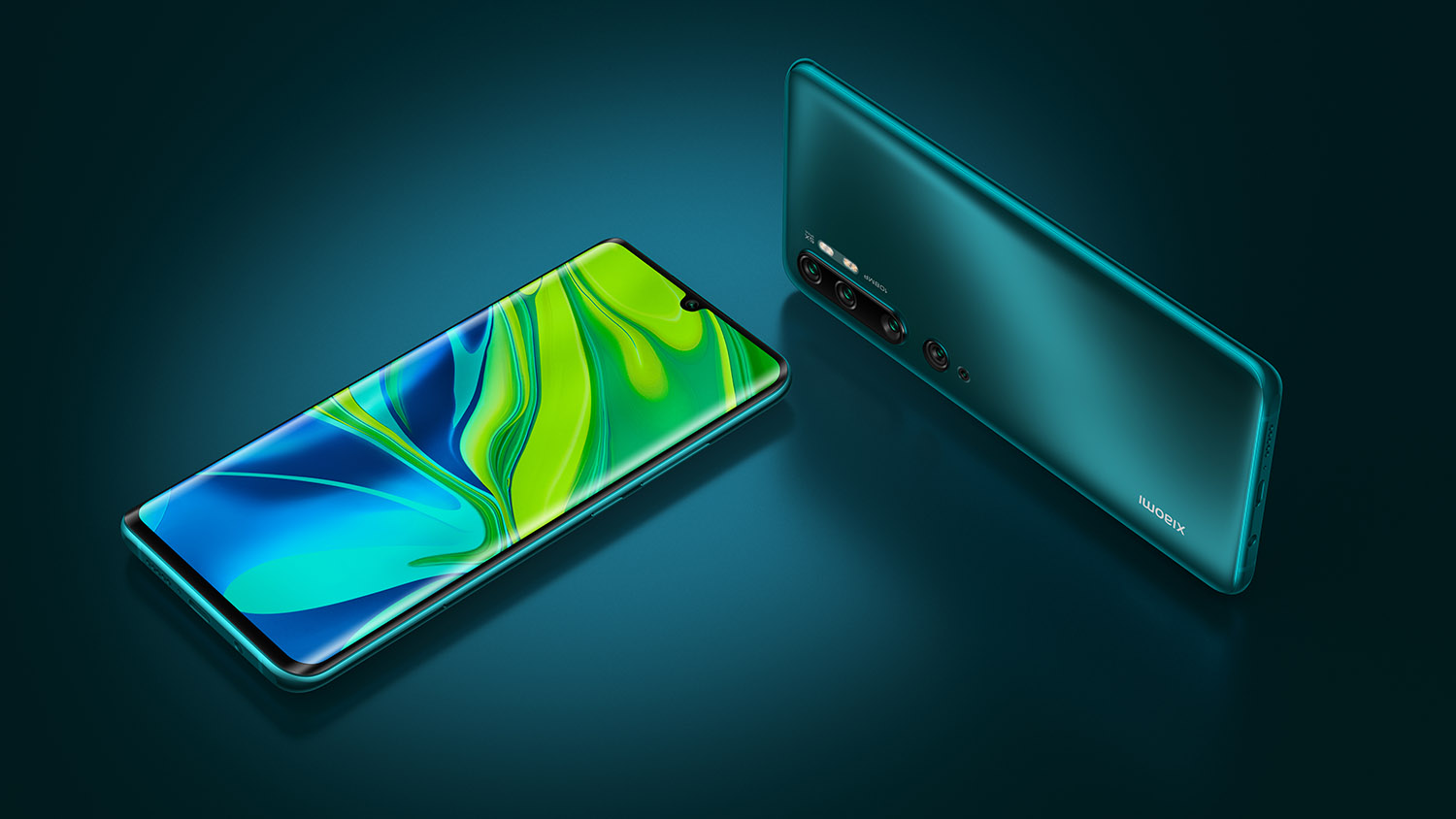
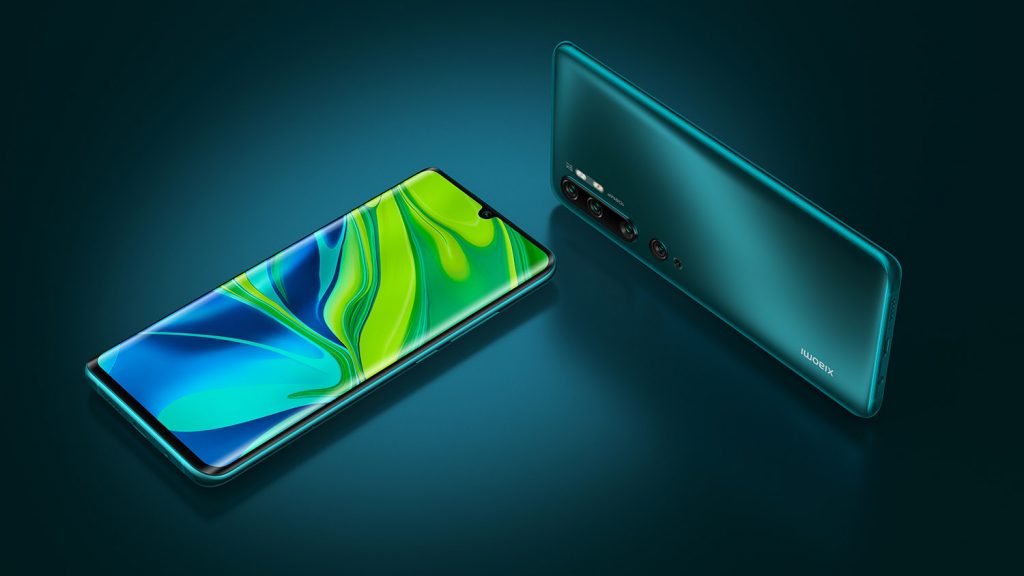
    Xiaomi recently revived its inactive line of smartphones in the Note range with the Mi Note 10, and this phone may very well be the best camera phone, ever. Although launched shortly after the iPhone Pro 11 Max, Samsung Galaxy S10 5G and Huawei P30 Pro, all of which are amazing smartphones with world-class camera features, it seems like the Mi Note 10 could give these phones a run for their money with its best yet camera.

    Xiaomi Unveiled What Might Just Be The Best Camera Phone & The Best Cheap Phone, Ever!

    The smartphone maker launched the Mi Note 10 at an event in Madrid, Spain along with the Redmi Note 8T, which also seems to be a powerful smartphone in its own right. In this launch, some key features, as well as design and display specifications, were revealed.

    Features

    Coming to the features of the Mi Note 10, it is the first smartphone to use a whopping 108 MP main sensor, thus guaranteeing never-before-seen photography capabilities from a smartphone. This metric puts it ahead of other smartphones such as iPhone, Google Pixel and Samsung which all use 12 MP. That’s a resolution that is 9 times more than the best smartphones available today.


    With this feature, users can click pictures with over 100 million pixels without, in any way, compromising on the quality. The 108 MP main sensor is accompanied by a 5 MP telephoto lens for 5x optical zoom, a 12MP telephoto snapper for portrait clicks and 2x zoom, a 20 MP ultra-wide lens and a 2MP macro shooter. Yes, there are 5 cameras on the rear and one image sensor on the front.

    Phew! That’s a whole lot of features packed into one phone. But, there is more to this phone than just its camera features. It also sports a 5,260 mAh battery power-packed with 30W fast-charging capabilities, making it the biggest ever battery in a Xiaomi phone.

    It also boasts of a captivating display with an AMOLED panel and a curved-edge display along the lines of Samsung Galaxy S10 and some other premium smartphones. An in-display fingerprint sensor is also on the cards, along with a 3.5mm headphone jack at the base of the handset.

    Other Details

    Rumour has it that this smartphone will come with two configurations – a 6 GB RAM + 128 GB storage and an 8GB RAM + 128 GB storage. However, there will not be an option of expandable memory. Although the smartphone maker is yet to confirm this. Industry hearsay says the chipset that will power this phone is a Snapdragon 730 series processor.

    So does this make Xiaomi Mi Note 10 a heavyweight smartphone with premium features and an affordable price tag? Is it all set to take the smartphone market by storm? Well, we won’t be surprised if it does.


    This smartphone is slated for launch first in Poland and then other geographies. It comes in white and green colors in its first editions. There is no word on it’s India launch however, we do know that smartphone users will be waiting for it’s launched with bated breath.

  • OnePlus 8 Pro Leaked Renders Reveal Quad Cameras, Punch-hole (120Hz) Display

    OnePlus 8 Pro Leaked Renders Reveal Quad Cameras, Punch-hole (120Hz) Display

    Both the latest flagship smartphones from OnePlus, i.e. OnePlus 7T and OnePlus 7T Pro, have a 90Hz refresh rate on display. According to the latest leak, the refresh rate might bump up on the upcoming OnePlus smartphones to surprisingly 120Hz.

    If this rumor stands true in the future, it is going to be a bigger update on the most awaited OnePlus 8 series. We have seen the first few renders which claim that OnePlus 8 Pro may not have many changes from the existing OnePlus 7T Pro on the design front.

    OnePlus 8 Pro Leaked Renders Reveal Quad Cameras

    OnePlus seems to be busy in promotion activities to boost sales of its OnePlus 7T series, such as OnePlus 7T, OnePlus 7T Pro MacLaren Edition, and OnePlus 7T Pro. It seems that the company has already been working to launch its next-gen OnePlus devices anytime soon.


    Meanwhile, we have got some renders on how OnePlus 8 Pro is going to be like. For the people who were looking to have a newer design of OnePlus 8 Pro than OnePlus 7T series, they might be disheartened.

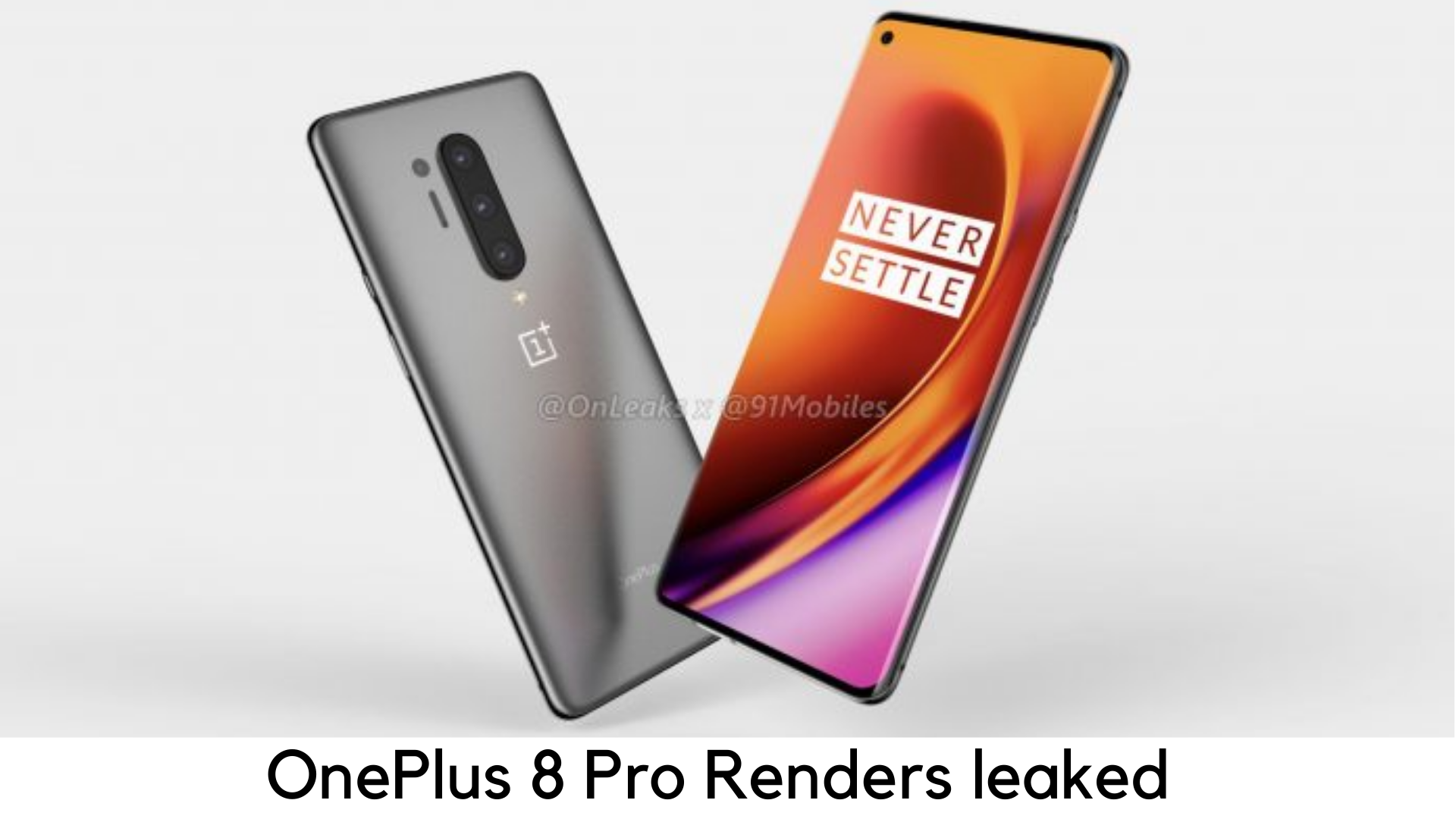
    OnLeaks and 91Mobiles have shared the leaked renders. According to those diagrams, OnePlus 8 Pro is going to have a quad rear camera setup. If it is true, OnePlus 8 Pro is going to be the first device from the company to have four rear cameras.

    According to leaked rumors, the phone will also ship with a hole-punch selfie camera on the front. It means OnePlus has finally ditched the traditional pop-up camera design considering the latest trend of punch-hole display.

    The pop-up camera design has been seen on OnePlus 7 Pro, OnePlus 7T Pro McLaren Edition and OnePlus 7T Pro. For OnePlus fans, this punch-hole camera maybe a sigh of relief.

    Along with the renders, the report also hints some of the premium specs, including a huge 6.65-inch display size of OnePlus 8 Pro, but it is quite smaller than on OnePlus 7T Pro, i.e. 6.67-inch.

    “Max J, a smartphone tipster, added an image on Twitter with “Be a Pro” caption flaunting 120Hz display. He confirmed it was related to OnePlus in another tweet.”

    Back to the renders, we have seen various design aspects of OnePlus 8 Pro on 3D renders. We haven’t found any major changes in comparison to the current OnePlus models.

    OnePlus 8 Pro will also reportedly measure the dimension of 165.3×74.4×8.8mm. One can also check out the video of OnePlus 8 Pro showing device on all sides shared by 91Mobiles on YouTube.

    There are triple cameras available vertically on the back panel with a 3D ToF sensor next to it with some other sensors. Below the camera sensors are LED flash with Power button and Alert Slider on the right side and left side having Volume Rocker.


    It has a USB Type-C port at the bottom as well as a refreshed speaker grille, just like in OnePlus 8 leaks. Since there is no pop-up camera module, the top end simply has a microphone. There are no other details available on other hardware and software specs yet.

    The 3D ToF camera might be used for features like AR, 3D photography, and other purposes. Also, OnePlus 8 series may have 5G support.

  • The Android 10 beta for Galaxy S9 and Note 9 adds Google Biometric API support

    The Android 10 beta for Galaxy S9 and Note 9 adds Google Biometric API support

    Android 10 has been a buzz for a while now due to all good reasons. It is going to bring lots of refreshments and new features to Galaxy S9 and Note 9. But there are certain new changes which have been floating under our radar. Samsung has finally adopted Biometric API as part of the Android 10 beta.

    This way, you can use Iris Scanner with payment apps like Google Pay for authentication. It was only possible with the scanner in secured services by Samsung Knox, including Secure Folder and Samsung Pay.

    The Android 10 beta for Galaxy S9 and Note 9 adds Google Biometric API support

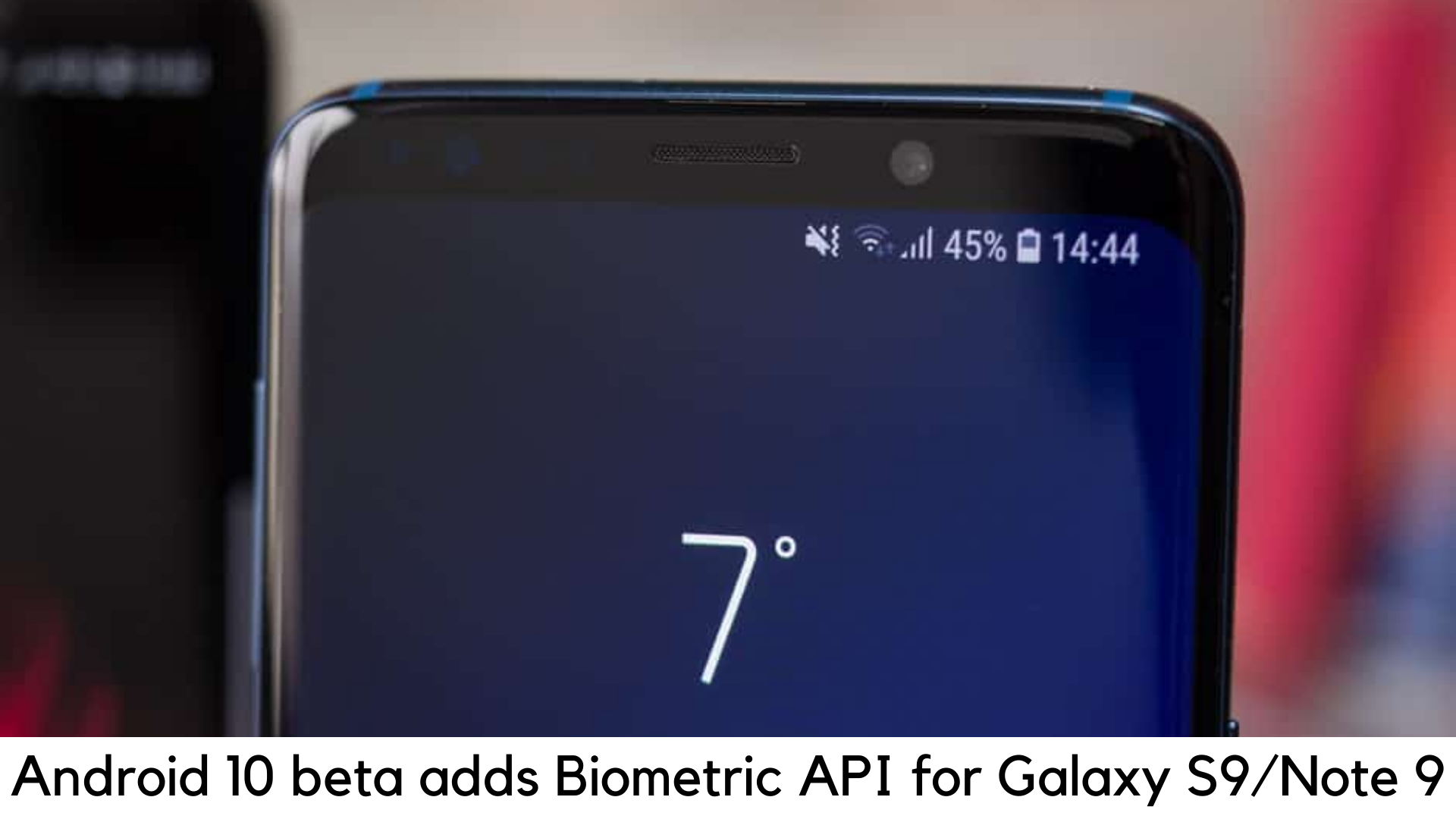
    The Samsung flagships removed the iris scanner in 2019 but the latest Android 10 beta program has added the new Biometric API by Google for Galaxy Note 9 and S9 devices.

    For the OneUI 2.0 based on Android 10, you may have found the open beta program in the US with Galaxy Note 9 and S9 devices. The iris scanner has gained immense popularity and ability to be used in different apps that support Biometric API by Google, according to Android Police and some reports on Reddit.


    Iris scanner was enabled only on Galaxy Note 9 and S9 to unlock the device earlier, along with the Knox Secure folder and Samsung Pay. Due to this update, you are now able to use biometric information to unlock and secure apps supported by Google Biometric API, including Google Pay, LastPass, and other payment apps.

    There is a great bonus for Samsung to add Google Biometrics API to both OneUI builds for Galaxy Note 9 and Galaxy S9. But there are fewer chances that the builds with Galaxy Note 8 and S8 could ever get their iris scanners. One of the main reasons is that Android 10 will not roll out for those devices.

    At the same time, on both phones, the iris scanner has come out to be handier than a few years back. If you haven’t started using iris scanning as a feature on your Note 9 or Galaxy S9, it’s time to get started.

    You need to enable an iris scanner and record your eye biometric information by going to Iris Scanner under Settings > Lock Screen and Security.

    With the latest release of Android 10 this year, Samsung has come out to be very efficient quite surprisingly as it rolled out Android 10 to several devices. The stable Android 10 update is yet to be available in Galaxy S9 and Galaxy Note 9. The devices seem to be getting the update very soon.


    The devices launched in 2018 are all set to get the latest Android 10 OS update by January 2020. With the latest hints, it seems that the stable build is just around the corner to roll out on these devices. For the S9 pair, the South Korean giant has already rolled out the third One UI 2 beta version. It has brought a lot of bug fixes with the recent security patch.

    The OTA brings software version ZSL9 and fixes major bugs that were found in Samsung Pass, screen recording, and split-screen function. Some of the Samsung Apps have also been updated. It also installs the security patch for January 2020.

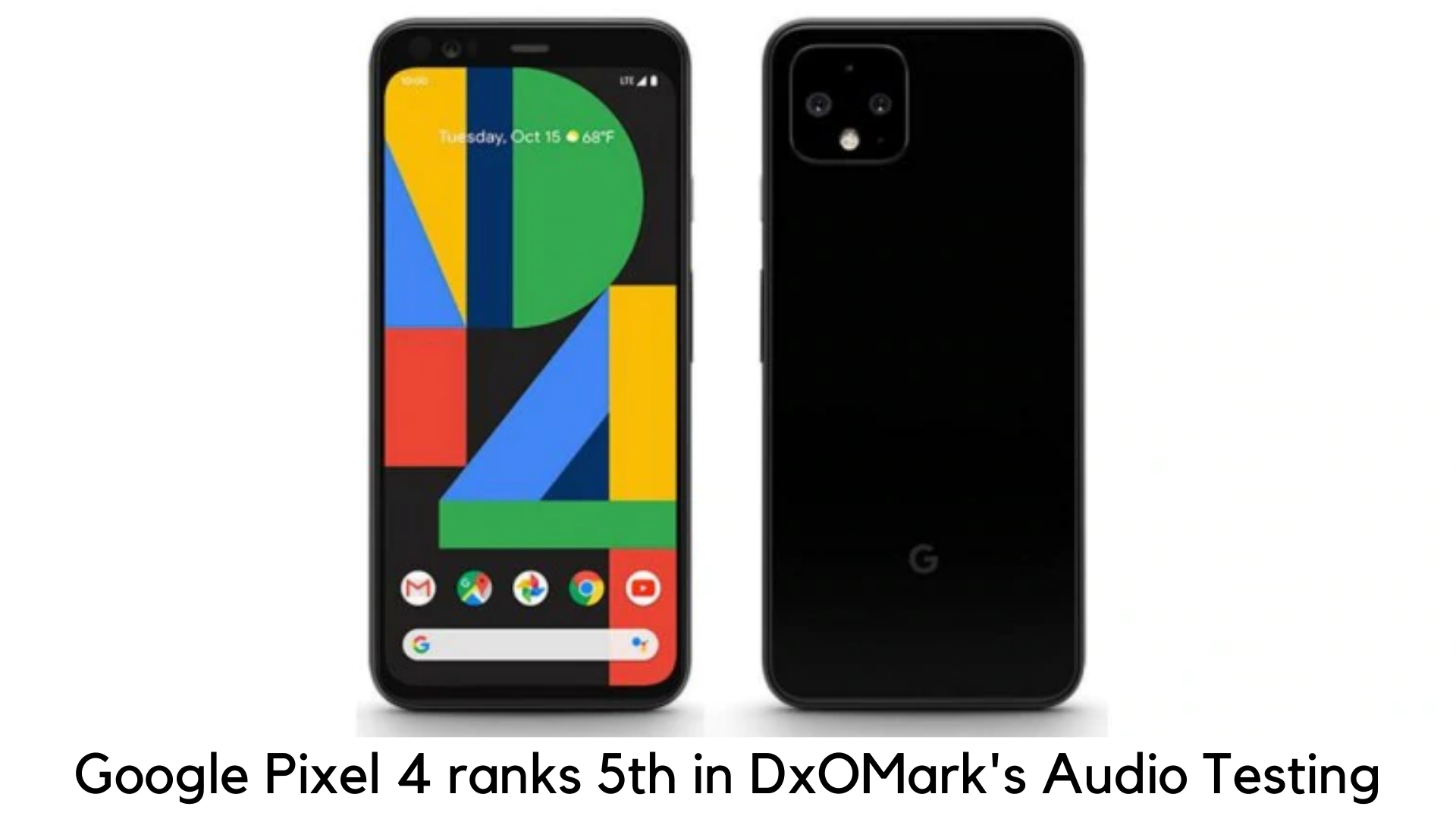
  • Google Pixel 4 earns 5th position in DxOMark’s audio ranking

    Google Pixel 4 earns 5th position in DxOMark’s audio ranking

    Google Pixel smartphones are well regarded for their unmatched camera specs. In DxOMark’s camera testing, the device scored overall 112 and we are back with a detailed review of its abilities. This time, the audio capabilities of Pixel 4 have been tested.

    Google Pixel 4 earns 5th position in DxOMark's audio ranking

    In its analysis, Pixel 4 ranked 5th in the category of premium smartphones when the blog site tested its audio performance. When it comes to the same, it was also the third-best among Android smartphones. Wondering which device won the top position? It’s none other than Huawei Mate 20X.

    Let’s get back to the point. Pixel 4 scored 68 overall and successfully outperformed Samsung’s premium flagships – Galaxy S10 Plus and Galaxy Note 10 Plus 5G.

    However, the four smartphones beating Pixel 4 smartphones were iPhone XS Max on the fourth spot, iPhone 11 Pro Max on the third spot, Asus ROG Phone II on the second spot, and finally Huawei Mate 20X on the top spot.

    When it comes to scoring breakdown – Pixel 4 scored 63 in recording and 70 in playback. According to the audio review of the blog site, the playback quality of Pixel 4 was quite impressive and decent, considering its smaller size than other flagship phones.

    The phone performs quite well against the like of Mate 20X. When used on watching movies and gaming, the phone performed really well. But the bass effect of the phone lagged behind various top-end phones. Due to this reason, it scored lower in comparison to other premium budget devices.

    When it comes to recording, Pixel 4 came out with consistent recording and decent volume performance. In loud environments, it performed really well. But there were annoying resonances in the bass aspect, which brought ‘boomy impact’. Due to this reason, the phone scored lower in the recording.

    The blog post concluded, “Google Pixel 4 performed really well in DxOMark’s audio tests. Well, it could be more improved though.”

    Google Pixel 4 – Key Specifications

    Officially launched in October 2019, Google Pixel 4 features a 5.7-inch display with an aspect ratio of 19:9, 1080x2280p resolution and 444ppi of pixel density.

    The smartphone is powered by Qualcomm Snapdragon 855 octa-core processor and 6 Gigs of RAM. It runs the latest Android 10 and gets its juice from a non-removable 2800mAh battery. It supports the company’s exclusive fast charging.

    When it comes to cameras, the rear panel packs a primary camera of 16MP with f/2.4 aperture and 1.0-micron pixel size, along with a 12.2MP secondary camera with a pixel size of 1.4-micron and f/1.7 aperture. It also comes with PDAF on the rear panel. The front camera features an 8MP shooter with f/2.0 and 1.22-micron pixel size.

    Google Pixel 4 is backed with 64GB of storage and supports an eSIM and Nano-SIM.  The device was launched in simply Black, Clearly White, and Orange color options.

    It has all the connectivity options, such as GPS, Bluetooth 5, Wi-Fi 802.11 a/b/g/n/ac, NFC, dual 4G support, and USB-C port. One highlight is that the device supports the Face Unlock option for added security.

  • Microsoft Edge Chromium is already a viable alternative to Chrome and Firefox

    Microsoft Edge Chromium is already a viable alternative to Chrome and Firefox

    Microsoft has always been lagging behind in developing a solid web browser which can easily replace its competitors. Over the past few years, Microsoft Edge and Internet Explorer have tried hard to beat Mozilla Firefox and Google Chrome. In the end, they have been used for nothing but to download other browsers. In order to win back a decent share in the browser industry, Microsoft is working to remake the Chromium Edge browser.

    Microsoft Edge Chromium is already a viable alternative to Chrome and Firefox

    Chromium is going to be an open-source browser or web render that developers can work on. Some of the few examples of browsers based on Chromium are Opera, Google Chrome, and Amazon Silk. When Microsoft is also going ahead as an open-source program, Firefox has become the last resort which is not built on Google’s eye on the web.

    You can try Microsoft Edge Chromium which is currently available in beta mode. Microsoft Edge for Android is also based on Chromium. You can sync your webpages and bookmarks across both of these platforms.

    Full of cool features

    I know you won’t look Microsoft Edge with bells and whistles but it is true that its latest browser is backed with lots of handy features. You will find all the basic options to import bookmarks, share links, and add your favorites. But Edge goes a step ahead with its system-wide Dark Mode without even overwriting color schemes of webpages.

    The “Read Aloud” feature also stands out. As the name suggests, the browser will read out webpages for you. It really comes handy to proofread your blog and digest your daily scoop with a morning brew. If you love reading a page without any custom formatting, it also has the “Immersive Reader” option.

    The integrated Chromecast support is another feather on its cap. You can easily cast your favorite videos from your PC or tablet to your smart TV. The Collections feature is another plus. You can have a collection of images, web pages, and texts by simply using drag and drop features.

    Last but not least – Apps. You can download web apps and pages to use without even using the browser. These web apps were only available on the Microsoft Store. Finally, Edge manages to download them in its browser.

    And the best part – It’s the way too lighter than Chrome

    Google Chrome has always been criticized for being RAM hungry. No matter how much empty space you give, Chrome will eat it. This is why most users like me switched to lighter browsers like Firefox. But the best part is that Microsoft Edge Chromium is going to be even lighter than Firefox and snappiest browser of others.

    Download and Release Date

    You can just try the beta version of Microsoft Edge Chromium. The final release of the browser is supposed to launch by January 2020. Its Canary build works on Arm devices with Windows like Surface Pro X. Chrome is yet to come up with its Arm version. So, Edge is a smart choice if you are still not using Mozilla Firefox.

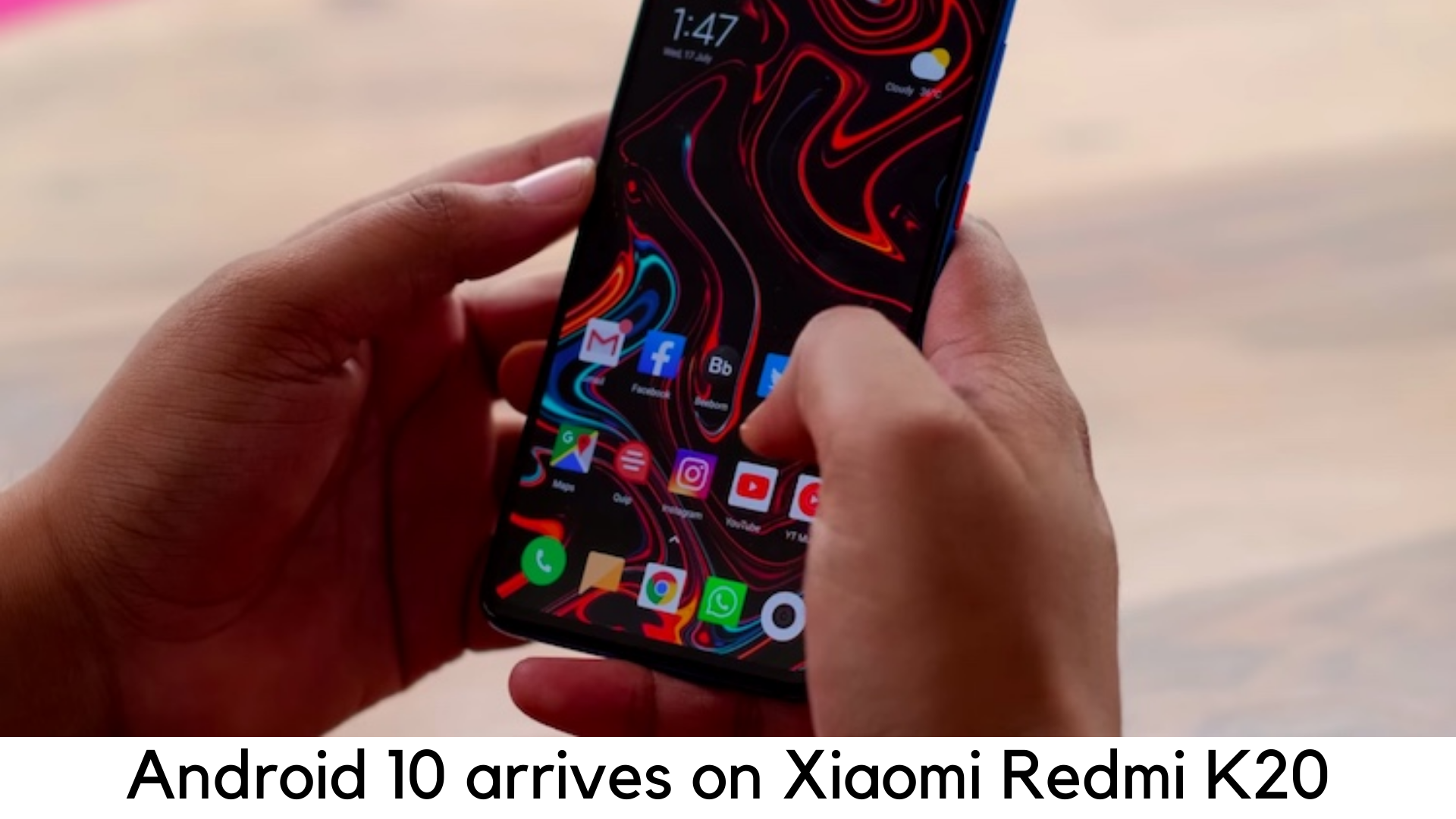
  • Android 10 OS arrives on the Xiaomi Redmi K20 & Mi 9T

    Android 10 OS arrives on the Xiaomi Redmi K20 & Mi 9T

    The Redmi K20, which is sold in the European market as Mi 9T, is one of the latest devices upgraded to Android 10 by Xiaomi. For some clarity, we are going to call this device Redmi K20. Xiaomi launched K20 in June as part of its MIUI 11 release.

    The device was initially running Android 9 Pie and it recently upgraded from MIUI 10 in October. Though is Pro version already upgraded to MIUI 11 based on Android 10, Redmi K20 still remains on older Android 9 Pie.

    Android 10 arrives on the Xiaomi Redmi K20 & Mi 9T

    The cheaper variant K20 devices are now getting the latest update to come in line with K20 Pro after closed beta testing. According to the reports at Piunikaweb, the OTA update rolled out in China but it weighs whopping 2.3GB.

    Xiaomi has not announced when it will launch Android build to stable and global release for Redmi K20 yet. So, you need to have a Chinese model to get the OTA. Xiaomi has a record of launching both stable versions on the same Android version. Hence, if Android 10 builds appear on one device, it suggests that other devices will soon get them.


    If you are running Chinese builds already on the global version of Redmi K20 due to some reason, you can find the build on Android File Host or SourceForge uploaded by Xiaomi.EU if you want to load it. You will have to unlock the bootloader and install TWRP as well.

    On the other side, you can also go to Xiaomi’s servers to download the update manually. However, you have to cross-flash Android builds if you have an Indian or European version.

    The most awaited Android 10 OS comes with lots of features, such as Live Caption, integrated dark theme, improved smart reply and even more. Google is going to improve privacy and security with the new update as well. From now on, users can allow apps to collect location information only when they need it.

    Other features are now being added with Android 10 OS. You can also expect improved system stability, user interface improvements, and the latest Android security patch by Google. It is also worth noting that update is being released for Chinese models only. The global models must soon get the update once it becomes available to Chinese users widely.

    Key Features and Specs

    The Redmi K20 features Super AMOLED 6.39 inch full view display. There are three color finishes available for the device – Glacier Blue, Carbon Black, and Flame Red. It has got a cool new reflective design with a curved glass body. The Redmi K20 is powered by Snapdragon 730 CPU on-board along with 6GB RAM and storage options of 64GB and 128GB.

    The device also packs triple rear cameras on the back, including the main 48MP snapper, 13MP ultra-wide angle lens and 8MP telephoto zoom lens. The device also comes with a pop-up selfie camera of 20MP.


  • WhatsApp will not be accessible to older smartphones next year

    WhatsApp will not be accessible to older smartphones next year

    WhatsApp has always been in the news for all right and wrong reasons. This time, it is regarding support for outdated devices. The instant messaging app was owned by Facebook in 2014 for $19 billion to integrate the platform to other services like Instagram and Messenger.

    WhatsApp will not be accessible to older smartphones next year

    WhatsApp has officially confirmed that it will stop working on millions of older smartphones across the world in 2020. Windows Phones are the first of these devices which will be locked permanently by December 31, 2019. As of February 1, 2020, iPhones running older iOS versions like iOS 8 will no longer get support for WhatsApp, apart from Android devices running 2.3.7 or older versions.

    WhatsApp has posted those details on its official blog, along with its FAQ page. The Facebook-owned WhatsApp has officially confirmed and said, “People who are still using these operating systems still cannot verify their existing accounts again and create new accounts on WhatsApp.”

    Microsoft also ended its support for Windows 10 Mobile OS and WhatsApp is also taking the same step from December 31, 2019, for all Windows Phones.

    If you are still using Windows phone and don’t want to lose track of all your details and chats on December 31, 2019, there is still a chance for you to save your chats.

      • First of all, open chat that you don’t want to lose and export to a newer device. Then, select “Group Info”
      • Select “Export Chat”. You can either download the chat with/without adding the media. Select your choice and export all the chats.

    In addition, WhatsApp has also confirmed that the app will keep running for specific devices like JioPhone and JioPhone 2 which are running KaiOS 2.5.1 and above. The Facebook-owned instant messaging app has also assured that their decision to discontinue support for older devices will not annoy most users.

    To be specific, here are the operating systems which will no longer get support from WhatsApp from next year

      • iOS 8 or older versions
      • Android 2.3.7 or older versions
      • All Windows phones w.e.f. December 31, 2019

    Here are the operating systems which are still getting support from WhatsApp and the company recommends users to replace the following devices –

      • iPhone running iOS 9 or later versions
      • Android devices running Android 4.0.3 or later versions
      • JioPhone, JioPhone 2 and other devices running KaiOS 2.5.1 and above

    Recently, WhatsApp added the familiar call waiting feature for Android, while it already introduced the same feature for iPhone weeks ago. When Android users got another WhatsApp call in the middle of a current WhatsApp call, the incoming call was being disconnected automatically.

    Before the update, users were unable to see any notification about the missed calls when they finished the existing call. With this update, users can now pick another call while on an existing call.

    Bottom Line

    WhatsApp constantly updates itself to come up with more new features to provide smooth call experience and messaging for the users. Currently, the company is working to introduce its “Dark Mode” feature in the coming weeks.

  • Google Pixel 4a Wishlist

    Google Pixel 4a Wishlist

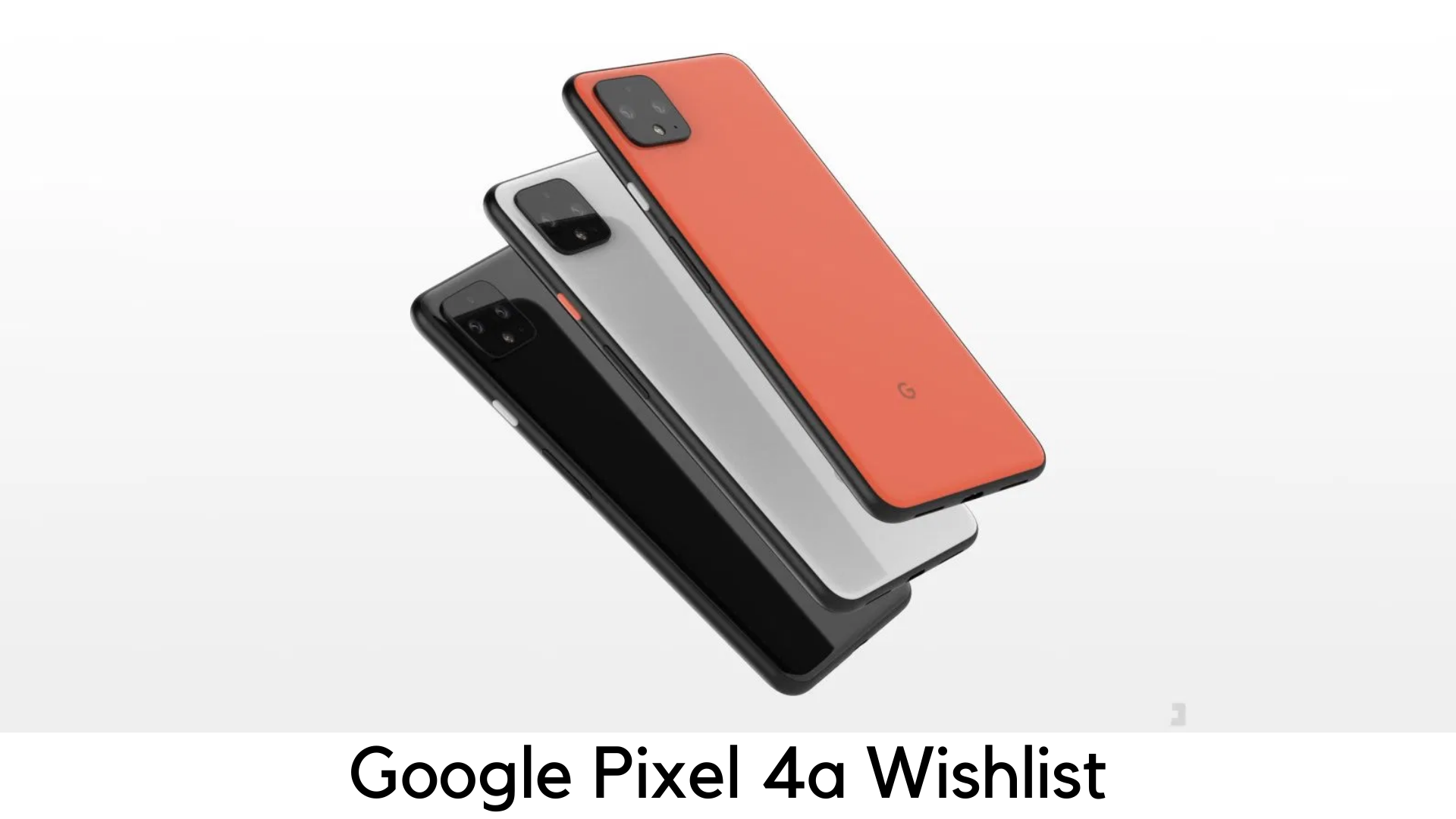
    Google Pixel 4a has been the most awaited follow-up to its big brother, Google Pixel 4 in 2019. With just 6 months to go for the expected launch of Pixel 4a, we are here with some of the most anticipated features of Google’s next mid-range smartphone.

    Google Pixel 4a Wishlist

    High-quality camera

    Google Pixel 3a, despite being a mid-ranger, managed to rule the best parts that Pixel 3 proudly owns. Pixel 4a must follow the same expertise of Pixel 4. The Pixel 3a shipped rear high-quality digicam sensor with a similar Google Camera app. The company has managed to provide its mid-range smartphone with iconic Night Sight mode.

    The Pixel 4a is certainly not going to feature a telephoto zoom lens which made a debut with Pixel 4, maybe for cost-cutting. There is no other reason that Pixel 4a not coming around the digicam prowess of Pixel 4 by using the same digicam sensor. At last, we expect Google to have at least a nice dual-exposure control.


    Wireless Charging and Pixel Stand

    The Pixel Stand was launched with flagship Pixel 3 and became the signature accessory for Pixel owners. Sadly, Pixel 3a doesn’t come with wireless charging. Hence, it couldn’t enjoy the benefits of Pixel stand’s options like using the device as a deck for Google Photos and its dawn alarm. However, we expect 4a to come with wireless charging and additional functionality of Pixel Stand.

    Spectacular Battery Lifelike 3a

    The superior battery life of Pixel 3a truly stood out. It goes even more than one day in some circumstances. By now, everyone knows that how worst the battery life of Pixel 4 is. For over 12 months, we are just asking Google Pixel 4a to continue with the great effort they started with Pixel 3a.

    Solid Build Quality and Water Resistance

    When it comes to issues of Google Pixel 3a, the device didn’t come without the flaws. Users initially started to look closely at Pixel 3a in its lifespan and noticed that the USB-C port and speaker cutouts underside their devices were uneven.

    Some people even witnessed a big gap between the display and outer glass. We are hoping that Google would get these manufacturing defects and build the solid quality body of Pixel 4a.

    Water-resistance is another major concern behind quality build which Google should consider for Pixel 4a. Seriously, no one expects their mid-range device with IP68 that most flagships have. Nonetheless, if Pixel 4a could come with any kind of water resistance, it would be an enhancement.


    More Storage Options

    When considering the flagship Android devices, external storage is no longer available. Even Samsung is going to ditch this option. But mid-range and budget smartphones still have a memory card slot. With flagship Pixel 4, the Pixel devices don’t have unlimited photo backups which seem to be more important.

    Google will definitely offer its Google One plan to save your photographs in authentic and full high quality. But extra or expandable storage on Pixel 4a would be better, especially when it comes to storing your Spotify, Netflix, Disney+ and other content for offline streaming.

  • Samsung Galaxy A50 Update Improves Fingerprint Sensor

    Samsung Galaxy A50 Update Improves Fingerprint Sensor

    Users of the Samsung Galaxy A50 have complained of repeated issues with the smartphone’s fingerprint sensor with the company trying to rectify the same with various updates in the past. The update comes with build number A505FNXXS3ASK9 aiming to rectify the fingerprint algorithm for the latest Galaxy smartphone.

    Samsung Galaxy A50 Update Improves Fingerprint Sensor

    Reports suggest that the Korean tech giant has again rolled out an update shortly along with the heels of one around a week earlier, in the attempt to iron out issues with the fingerprint sensor.

    This update, which is being currently introduced across some European countries, also brings with it the November Android security patch.

    If rumors are to be believed, the update does nothing to fix the fingerprint woes and in fact, worsens the problem for the users of the Samsung Galaxy A50 smartphone.

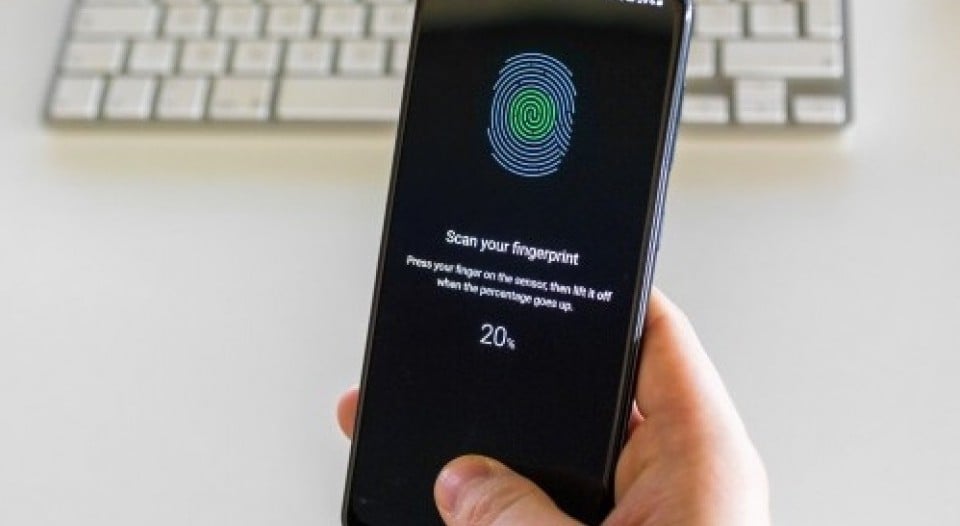
    The optical in-display fingerprint reader on the Galaxy A50 along with other mid-range Galaxy phones is not all that promising. Despite multiple attempts from the smartphone maker to fix the issue, it remains slow and inaccurate.


    The new update’s changelog states that it improves the user experience of the fingerprint sensor and does away with the various problems that users are facing regarding this feature of the Galaxy A50 smartphone. The changelog also features a mention of the arrival of the November security patch for the Galaxy smartphone.

    This 117.21 MB update is currently available only in select European countries that include Hungary, Italy, Netherlands, Poland, Romania, Slovenia and Switzerland among a few others. The Samsung Galaxy A50 update can be downloaded from the ‘Software Update’ section of the phone’s Settings app.

    In order to download the said update, users of the Galaxy A50 smartphone have been advised by the company to erase the existing fingerprint data and re-register their on the phone after installing the new update.

    This instruction has created a buzz in the industry about whether the A50’s optical sensor is affected by the same flaw as in the case of Galaxy S10 and Note 10’s ultrasonic in-display fingerprint.

    There have been no official reports of the Galaxy A50 suffering similar problems as that of the Galaxy S10 and Note 10. Perhaps, the smartphone tech giant is only being cautious with the A50.

    While it appears that this update has been rolled out to Samsung A50 users in India earlier this month, it has brought about more issues with the fingerprint sensor than before. The Korean smartphone manufacturer is yet to comment on this.


    “There have been numerous complaints and grievances shared by the users of the Samsung Galaxy A50 on Twitter and the official Samsung community forum regarding the malfunctioning fingerprint sensor.”

    While in some situations, users have faced the problem of the sensor not working at all. For some others, the sensor does not register their fingerprints despite repeated trials.

    It would be great to see this current update solve all grievances of the Galaxy A50 smartphone regarding the speed and the accuracy of the fingerprint sensor.