Category: Phones

  • Redmi Note 8T Review

    Redmi Note 8T Review

    The Redmi Note series have been smartphones that have pleased both users and industry analysts alike. The newest addition on the block in the Note series is the Redmi Note 8T. This smartphone is an enhanced version of the Redmi Note 8, and we have every reason to believe that the new version will be as successful as its predecessor.
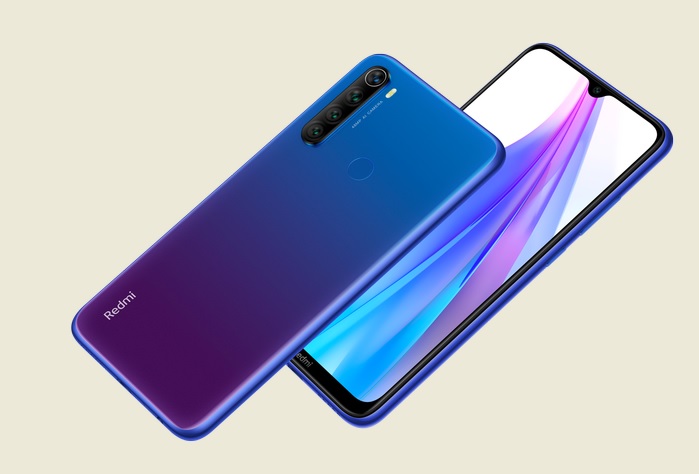
    Redmi Note 8T

    This smartphone was launched on November 22, 2019, shortly along with the heels of the Redmi Note 8 in India with an upgraded Note 8T version for the European and UK markets. The key differentiator that the Note 8T enjoys among its competitors is the NFC enablement. This feature makes the Note 8T one of the few smartphones that support Google Pay at its price point. Here’s our complete review of the specifications of the Redmi Note 8T.

    The Body of the Redmi Note 8T

    Most of the physical features of this smartphone are typical of the Redmi Note series. This budget phone sports a dual Gorilla Glass 5 shell with a splash-proof nano-coating body that offers some trendy gradient colors for its back panel ranging from Moonlight White to Starscape Blue and the more subtle Moon shadow grey. Although, it is only the blue which is available in the UK currently.

    The back panel also sports a fingerprint sensor that does the job just fine. It is speedy, accurate and also appropriately placed exactly where the index finger sits when the phone rests in your palm. However, one must admit that the phone is a tad longer than one would prefer, giving a rather uncomfortable stretch to even a roomy grip.

    The frame is a combination of plastic and metal with a small waterdrop notch curve body. The overall appearance of this smartphone is certainly more premium than the price bracket it belongs to. Probably the only aspect of its body that gives away its budget nature is the larger than normal bezel around the entire phone that’s most prominent around the chin of the phone.

    The 6.3-inch Full HD+ display with an IPS LCD screen and an aspect ratio of 19.5:9 offers a fairly good array of colors in the display. The screen to body ratio is a moderate 88.3%.  The brightness of the phone, however, is a slight disappointment. It is slightly under-toned and limited even at its highest. The 3.5mm headphone jack, the USB-C port, and the speaker are all lined along the base of the smartphone.

    The Build of The Redmi Note 8T

    This budget smartphone sports a Snapdragon 655 chipset from Qualcomm. Despite this chipset being fairly mid-range, there are little or no complaints with the speed of the device during gaming or processing pictures. With a 4GB RAM and a 64GB storage, the smartphone pretty much packs in a decent punch when it comes to its built quality. There is an option of inserting a microSD card of up to 256GB.

    The Redmi Note 8T runs on MIUI 10, and it isn’t long before it is upgraded to the latest MIUI 11. For the uninitiated, the MIUI 10 is a heavily skinned version of Android Pie that resembles the iOS in more ways than one.

    The Camera of The Redmi Note 8T

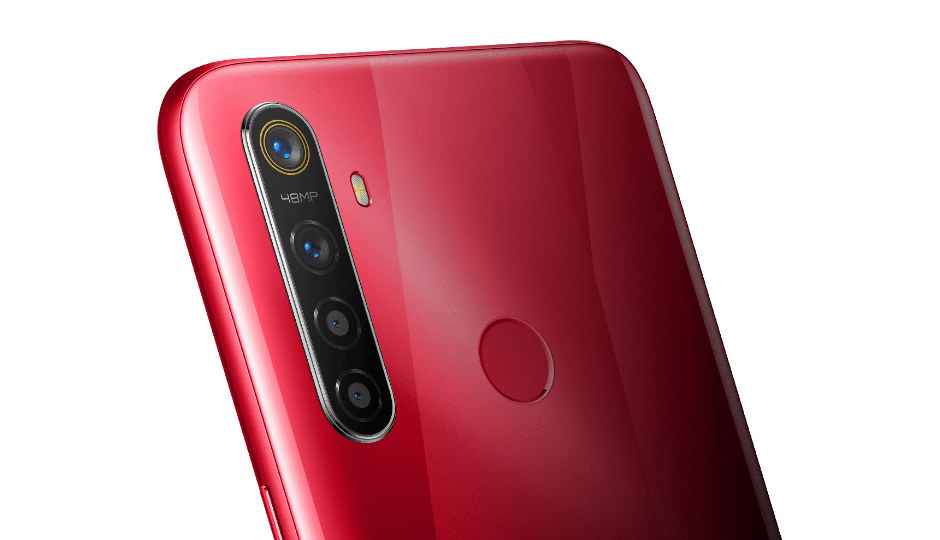
    The rear camera of the Redmi Note 8T is a four-camera set-up that includes a 48MP main camera, supported by an 8MP ultra-wide camera, a 2MP macro camera, and a 2MP depth camera. The front camera is a healthy 13MP .9 micron pixel size camera. The colossal 48MP main camera certainly packs in a punch and places this smartphone ahead of all its competitors when it comes to the clarity and quality of the camera.
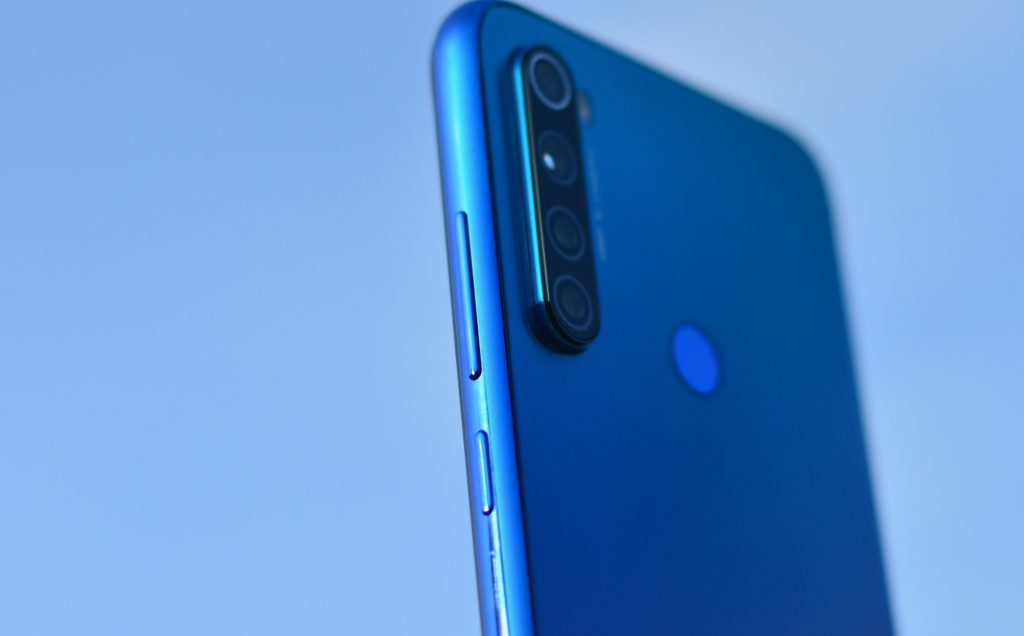
    Camera

    Although not the best in the market, all of the other cameras are just about good considering the budget nature of this smartphone. One drawback with most photos taken on this smartphone is the low differentiation of the background and the subject and its sub-par performance in low-light settings.

    Something unique about all cameras in the Redmi 8T is the range of options available when it comes to camera modes. From night vision, short video mode, robust-pro mode and much more, this smartphone give you a feeling of dealing with a highly versatile and feature-rich camera that not many in its competition can boast of.

    However, you are almost always better off using the camera in its standard mode as the quality and sharpness of images are quite compromised in the other modes especially in case of low-light settings.


    The Battery of the Redmi Note 8T

    The Redmi Note 8T offers a sizeable 4000 mAh battery that can support a day-long usage stint for moderate usage. If you’re running low on battery, the 18W fast charger of this smartphone can have your battery percentage shoot Up from  5% to 40% in just 30 minutes.

    Plug it in for a little over an hour if you are aiming to look at a 100% charged battery. The phone, however, does not offer any wireless charging mechanism. Overall, there isn’t much to complain about when it comes to the battery of the Redmi Note 8T.

    Unboxing the Redmi Note 8T
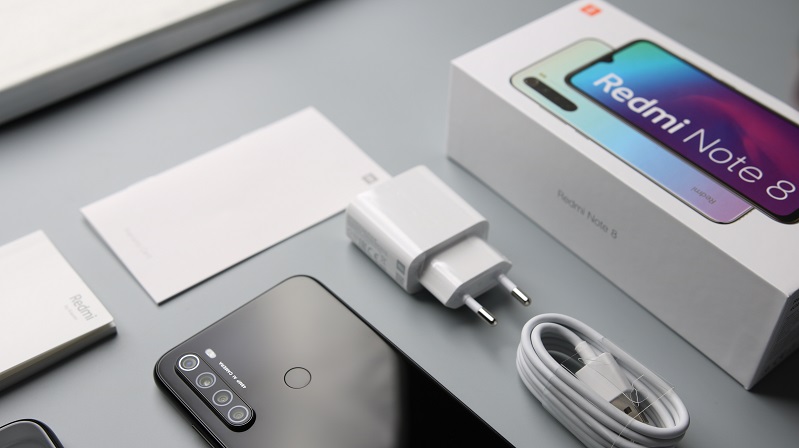
    Unboxing the Redmi Note 8T

    Unboxing this smartphone reveals the usual suspects that include a USB-C cable, an 18W charger and the smartphone itself. The charger of the Note 8T is a notch above the Note 8 that offered a slower 10W adaptor. The box also offers a transparent silicon cover for the phone which is a pleasant surprise.

    Final Verdict

    All in all, the Redmi Note 8T certainly aims high and offers a whole lot more than an average phone in its segment. The look and appearance of the phone are quite snappy and the specs are typically those you would end up looking for in a phone that’s a couple of notches above the Note 8T.

    It is one of the best budget smartphones in the market with the coveted NFC support that makes online payments a whole lot easier. At a price of 169.99 pounds, we would certainly consider this smartphone a good buy.

  • Huawei Unveils HarmonyOS Operating System..

    Huawei Unveils HarmonyOS Operating System..

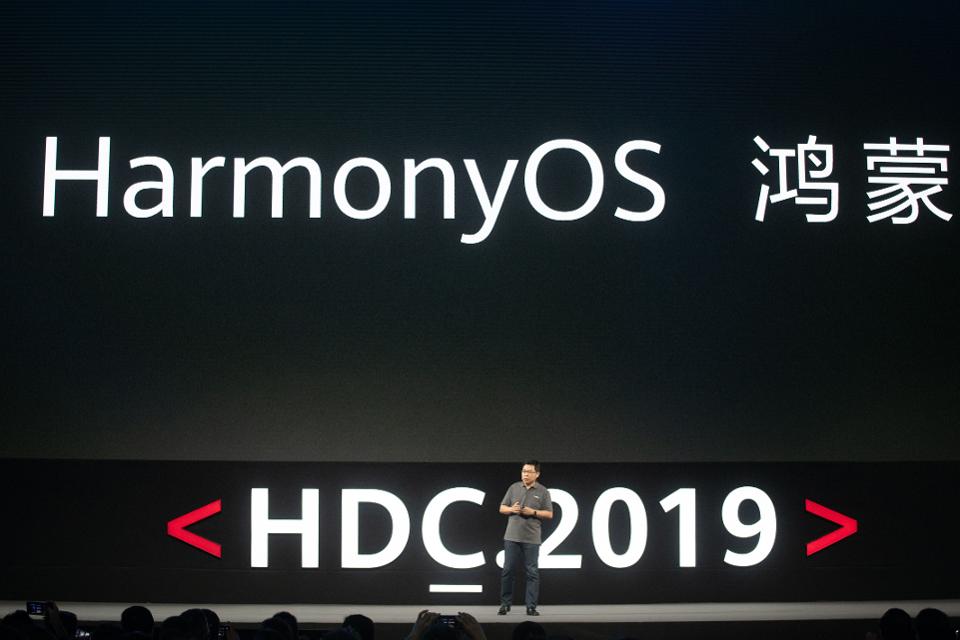
    Huawei’s has developed an operating system of its own called HongmengOS. It is known as HarmonyOS is English. Richard Yu, the CEO of the Chinese tech giant’s consumer division, mentioned at a Huawei Developer Conference that this OS can be easily used in different devices, including smart speakers, sensors, and of course, smartphones. This is Huawei’s way of entering the Internet of Things play. The HarmonyOS Operating System is planned to be first used on smart screen products, such as smartphones and televisions. Their long-term goal is to have the OS in other devices, such as car head units, wearables, and more.

    Huawei and the US

    The HarmonyOS is expected to launch first in China, followed by a global release, according to Yu. The move comes with the US placed Huawei on their blacklist. This basically stops US companies to have any kind of a trade relationship with the company. Once this got underway, Google suspended its business with Huawei. However, a few days later, the US government allowed Google to work with Huawei for 90 days. That period is almost at its end.

    HarmonyOS Operating System
    HarmonyOS Operating System

    During this time, Huawei had talked about its operating system which was still in the development stage at that time. According to Yu, they are not yet sure if they would be able to use Android, but users can be sure that the products and devices already sold with Google’s OS will not be affected or impacted in the least by this issue.

    How does HarmonyOS work?

    HarmonyOS is open source. This means that anyone could use this operating system for their devices. The reason behind why Huawei made its OS open source is because it will help make it more popular and attract more users than ever to create apps for it. Naturally, if more device manufacturers start using it, there will also be more apps being made for it. Of course, it is quite important to have a wide range and variety of apps to make an OS successful.

    Huawei's HarmonyOS
    Huawei’s HarmonyOS

    Yu also said that there are plenty of manufacturers out there who have quite a bit of interest in using the HarmonyOS. However, he did not go into much detail over that. He believes that the most popular OS of today, such as Apple’s iOS and Android, are not ideal for the different devices. Especially in this age of IoT, the existing OS are not suitable for the large number of devices that would be connected to the Internet.

    HarmonyOS Operating System Release

    The goal behind the creation of HarmonyOS is to develop a single software that can work effectively and seamlessly across a range of different devices. It would be able to work equally well between large devices, such as laptops and the much smaller sensors so that the end result can be reliable and stable. According to Yu, HarmonyOS for smartphones and laptops is expected to be ready for use soon in China. The OS is expected to hit the international markets by mid-2020.

  • Redmi K20 Update: Xiaomi’s Latest To Start Receiving Android 10-Based MIUI 11 Update

    Redmi K20 Update: Xiaomi’s Latest To Start Receiving Android 10-Based MIUI 11 Update

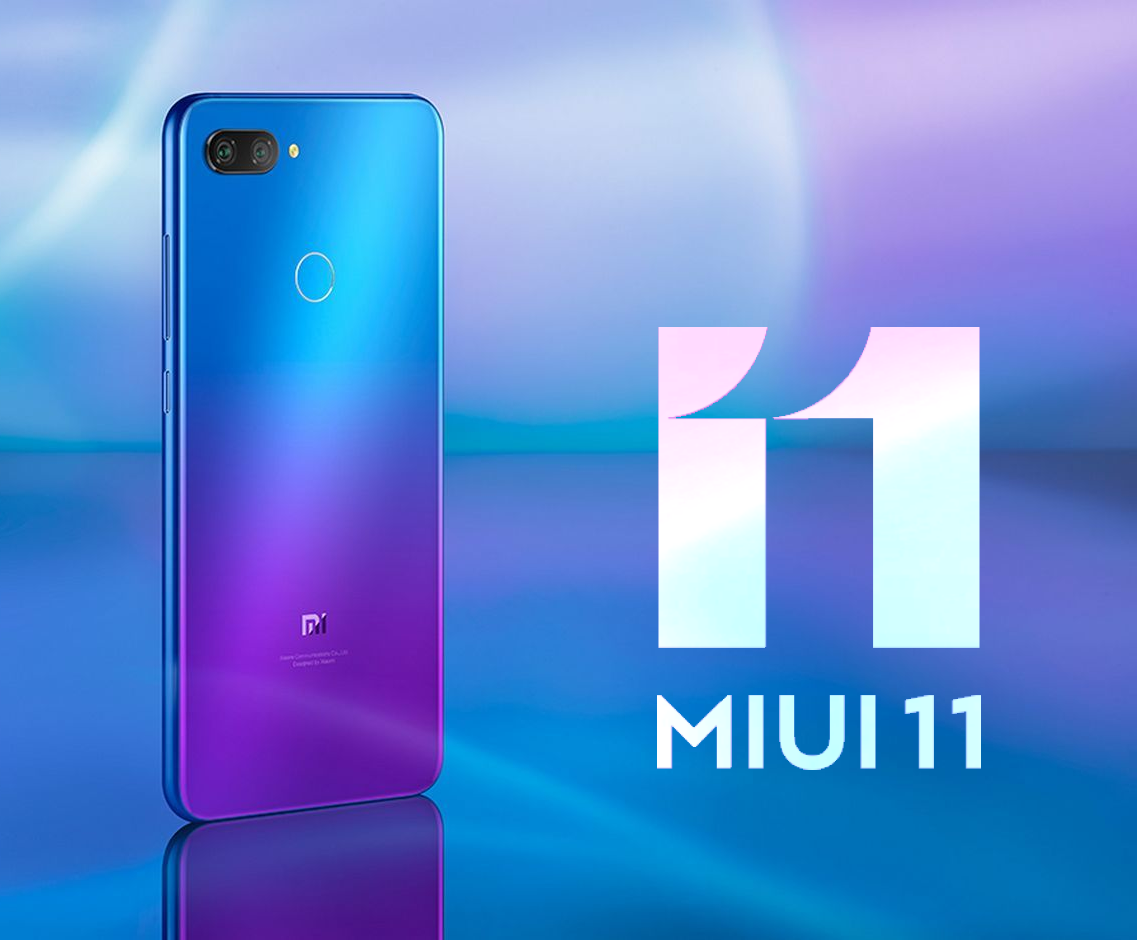
    Redmi K20 has started getting Android 10-based MIUI 11 update. This OTA or over the air update for the phone has the build number MIUI V11.0.2.0.QFJCNXM. While it is a bit heavy at 2.3GB, it is well worth it! Currently, the update is being rolled out in China and the global rollout is expected to happen soon after. Xiaomi recently finished its MIUI 11 Global Stable ROM rollout program. Although Redmi K20 was part of the first phase of the roll-out, it received the update to the MIUI custom skin based on Android 9 Pie instead of Android 10.

    You may remember Xiaomi pushing stable MIUI 11 updates quite recently. However, that was based on Android 9. The company then started to bring MIUI 11 update based on Android 10. They intend to start with Redmi K20. After China, one of the first markets to receive this update is likely to be India.

    Redmi K20 Update
    Redmi K20 Update

    Redmi K20 Update

    The K20 by Xiaomi was released in July last year. The smartphone runs on Android 9 Pie out of the box. This latest update is all about the Android 10-based update to the MIUI skin. It brings tons of new features to the device while working to admirably enhance security, privacy, and software stability. Popular features that will come with the update include Mi-Go travel kit, Mi work kit, and dynamic font and sound system.

    The Redmi K20 Pro received the same update in September of last year. However, the regular variant is all set to receive the update as well. With Android 10, users would be able to enjoy more privacy controls, system-wide dark mode, bubble notifications, smart reply, hierarchy-based system notifications and more. There will also be a new gesture navigation mode. You will also be able to use the focus mode which lets the users silence certain apps that are intrusive or disturbing.

    Android 10-Based MIUI 11 Update
    Android 10-Based MIUI 11 Update

    How to download Android 10-based MIUI 11 update

    All things considered, we think Xiaomi’s global launch will happen quite soon. If you have a Redmi K20 device, it is advised that you keep an eye open for updates. You will be able to check by visiting the About Phone tab within your Settings menu. Navigate to System Update tab. If any update is available, you will be able to view it here. You can then easily download and install it. If you are planning to install a major update, it is highly recommended that you take a backup of your device data and media.


    Regarding the Android 10 update on your Redmi K20, you will receive an update notification automatically. This update is expected to integrate all the new features that Google has introduced. However, since MIUI is heavily skinned, you may notice some features getting implemented differently in Xiaomi devices compared to devices running on stock Android. The download shouldn’t take a long time to download and install. If you have the same device, you are in for some luck!

  • Vivo Y11 (2019) With 5,000mAh Battery, Dual Rear Cameras Launched in India: Price, Specifications

    Vivo Y11 (2019) With 5,000mAh Battery, Dual Rear Cameras Launched in India: Price, Specifications

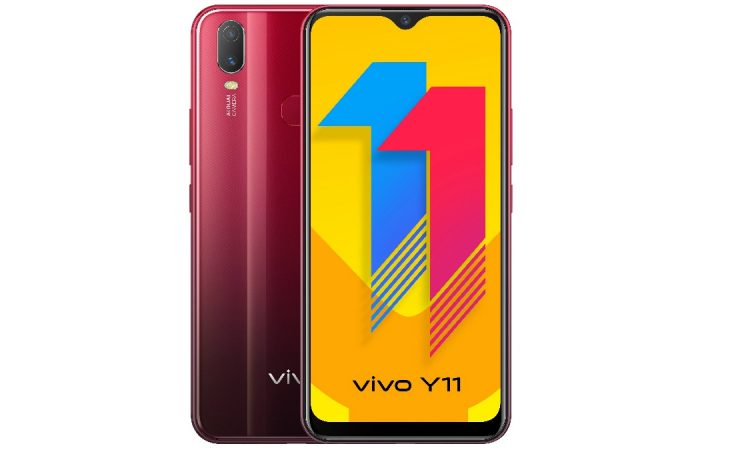
    Vivo Y11 has finally been officially released in India. It is ready to go on sale on both offline and online platforms. Although the Chinese smartphone manufacturer first launched the smartphone in Vietnam, it is now ready for release in India. The top specs of the Vivo Y11 include dual rear camera setup at the back, waterdrop-style notch, a huge 5,000mAh battery, a 3.5mm audio jack, and a rear fingerprint sensor. The phone is powered by Qualcomm Snapdragon 439 SoC.


    The phone is available only in one variant which has 3GB RAM and 32GB storage option. Besides being available in its own store, Vivo India e-store, it will be available in Paytm Mall, Tata Cliq, Amazon.in, and Bajaj EMI E-Store. You can also find it on Flipkart from December 28 onwards. With regards to the colour options, the smartphone comes with Mineral Blue and Agate Red colours.

    Vivo Y11 Release
    Vivo Y11 Release

    Vivo Y11 Specifications

    The Vivo Y11 comes with dual-SIM that runs on Nano sims. The phone runs on Android 9 Pie with Funtouch OS 9 on top. Coming to the display, it has a 6.35-inch HD+ LCD screen with a chin under the display. You will also notice a waterdrop-style notch at the front. The Y11 model is powered by a 12nm octa-core Qualcomm Snapdragon 439 SoC. It has four Cortex-A53 cores paired with four high-performance Cortex-A53 cores. It offers the users 3G RAM and 32GB of onboard storage. The graphics are handled by Adreno 505 GPU. The LCD panel has a resolution of 720 x 1544 pixels.

    With regards to the camera, the dual rear camera setup features a 13-megapixel primary sensor with an f/2.2 lens and a 2-megapixel secondary sensor with an f/2.4 lens. There is also an 8-megapixel selfie camera at the front with an f/1.8 lens. While the rear camera has flash, the front doesn’t. Other features of the camera include time-lapse, slow, PDAF, watermark, AI Face Beauty, palm capture, voice control, live photos, professional mode, HDR, panorama, portrait bokeh, and camera filters.

    Vivo Y11
    Vivo Y11

    The Vivo Y11 boasts of a 5,000mAh battery with 18w fast charge support. Vivo U20 is another Vivo phone with a huge battery. Its connectivity options include Wi-Fi, Bluetooth v4.0, a 3.5mm headphone jack, 4G LTE, GPS/ A-GPS, Micro-USB, and USB OTG. You will find the usual sensors, such as ambient light sensor, magnetometer, accelerometer, and a proximity sensor. There is a rear fingerprint sensor as well.


    The Release

    While the Vivo Y11 is known as quite a heavy model, it has become quite popular none the less. Its main competitors include the likes of Realme 5 and Redmi 8. It doesn’t hurt that that Y11 is priced pretty much in the same range. One great advantage it has over others is that it offers a good deal more than its competitors at almost the same price. With its popularity in the market, there are plenty of deals and discounts being offered by various platforms, including major credit card and debit card providers. The fact that it has a huge battery to sustain it is a major attraction.

  • LG V60 ThinQ With 5G and Dual-Screen Functionality Launching at MWC 2020: Report

    LG V60 ThinQ With 5G and Dual-Screen Functionality Launching at MWC 2020: Report

    LG, the South Korean smartphone maker, was once quite popular in India. Over time, its popularity declined. Despite that, many users keep an eye out for LG’s high-end smartphones. LG’s V series smartphones are one of the most well-known globally. it is popular for its audio and camera capabilities. LG is now believed to be getting ready to release its latest device – the LG V60 ThinQ. According to sources, the company is expected to launch the smartphone at MWC 2020. The smartphone will with 5G connectivity. Users would be able to use LG’s Dual Screen accessory for two screens on the device which is the latest trend.

    LG V60 ThinQ
    LG V60 ThinQ

    LG V60 ThinQ

    The news about this smartphone was first seen in the Korea Herald. The news did not cite a specific person, instead simply mentioned an industry source. According to the same piece, the LG V60 ThinQ will be among the first smartphones of this new year that will run on Qualcomm Snapdragon 865 SoC. The phone will increase its 5G presence in new markets that support next-generation wireless technology. This includes countries like Japan, South Korea, and the United States. The smartphone will launch at the Mobile World Congress 2020 in Barcelona. The event is scheduled to happen between February 24 to 27.


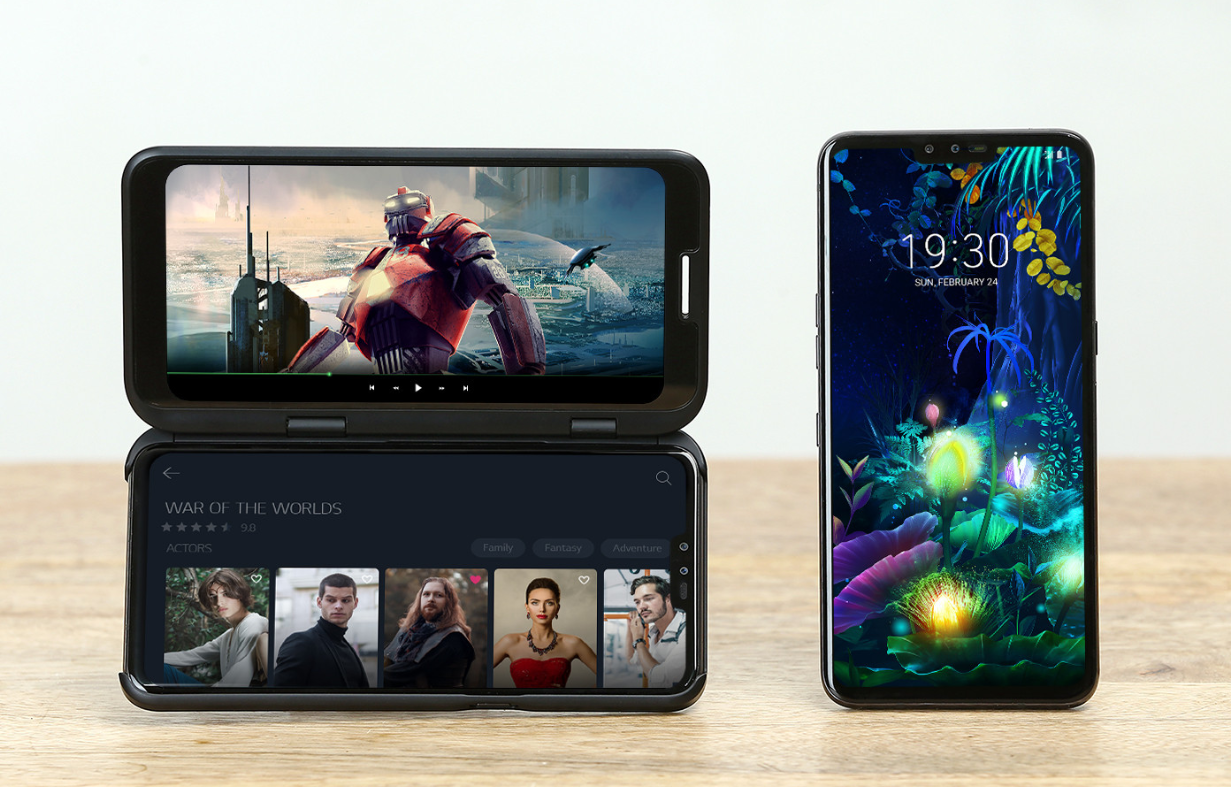
    Besides 5G connectivity, LG’s latest offering will feature dual-screen functionality as well. This could be via the LG Dual Screen accessory. This means that the phone will have its primary screen. The secondary screen can be accessed via the accessory. When the accessory connects to the phone, users can access and use the second screen. The accessory connects to the device via the USB Type-C. It works as a cover for the phone itself.

    LG V60 ThinQ Dual Screen
    LG V60 ThinQ Dual ScreenLG V60 ThinQ Dual Screen

    V60 ThinQ vs. G8X ThinQ

    Recently, India saw the release of LG G8X ThinQ and Dual Screen accessory. While it was by no means a budget phone, it still received quite a good response. The phone has a ‘free stop hinge’ which helps in setting the angle of the second screen freely. This means that you don’t have to worry about setting the screen at specific angles. Set it as you like! The LG V60 ThinQ and its Dual Screen accessory will feature better hinge technology. Besides these models, LG has a few other 5G smartphones in the market where the next-gen wireless network is already available.


    The release of these smartphones tells us that LG is quite keen on innovating in this niche. Although the predecessor model didn’t do that great with the dual-screen feature, LG is determined to improve the model. This leads us to the upcoming release of LG V60 ThinQ, its latest effort. In this design, the first smartphone to feature it was the LG V50 ThinQ followed by the LG G8X ThinQ. With an improved tech on the same design, it looks like LG does believe it its innovation. Hopefully, this version will prove to be better and more efficient than the previous models.

  • Realme C3, Realme 5i Listed on Singapore’s IMDA Certification Site

    Realme C3, Realme 5i Listed on Singapore’s IMDA Certification Site

    Realme is getting ready for launching two budget phones – the Realme C3 and the Realme 5i. The news about the release of these phones was found on Singapore’s IMDA (Infocomm Media Development Authority) website. While there are no details known about these phones, we do know the model numbers of these devices. This became known after Sudhanshu Ambhore, a reliable tipster, tweeted about the details about these phones on the IMDA website.

    Realme C3
    Realme C3

    Realme C3

    The Realme C3 smartphone has the model number RMX1941. The phone offers support for LTE. This also indicates that the device will not be a 5G smartphone. It is expected to release early next year and has already gathered much interest among the fans. Both the smartphones were listed by Sinoppel Device Pte. Ltd. which is the local office of Oppo Mobiles. IT is also believed that the Realme C3 phone could possibly replace the Realme C2 as the entry-level Realme smartphone. However, we do not know a lot about the specs of the device yet.


    Realme 5i 

    The Realme 5i, on the other hand, has the model number RMX2030. This is the same number that was seen on the Wi-Fi Alliance certification website. Many believe that this increases the authenticity of the details. Besides the model number and the fact that it will support LTE, we don’t know a lot about its features and specs. Since Realme already has a good range of devices on the 5 series, including Realme 5 and the Realme 5s, we believe that the Realme 5i could offer significantly better features. Looking at the Realme 3i, this looks possible. Realme could increase the price of the 5i slightly or maybe even replace the original Realme 5 with the Realme 5i. This ensures that the 5 series stays mostly up to date.

    Realme C3, Realme 5i
    Realme C3, Realme 5

    Other Details

    Towards the end of 2019, details have emerged about the Realme’s upcoming smartphones. Named Realme C3 and the Realme 5i, these budget smartphones are among the latest leaks. While not a lot is known about these devices, it is quite certain that these smartphones will be released sometime in 2020. With India being a major market for Realme, these phones are likely to be released here first. A global or geography-specific release may soon follow. More details about the phone, its specs, release dates, and price should be available in early 2020.


    While both Realme C3 and the Realme 5i are touted as budget smartphones, we don’t know other specs about them. We do, however, know that the Realme C3 will be a non-5G smartphone and is likely to be released before the 5i model. The C3 will likely replace Realme C2 and feature higher specs than its predecessor which is only natural to expect. The price of these devices is not likely to be a lot higher than the Realme 5 and 5s models. The price increase will be justified by better specs hopefully.

  • Realme X50 Confirmed to Offer Simultaneous Dual-Channel Wi-Fi and 5G Connectivity

    Realme X50 Confirmed to Offer Simultaneous Dual-Channel Wi-Fi and 5G Connectivity

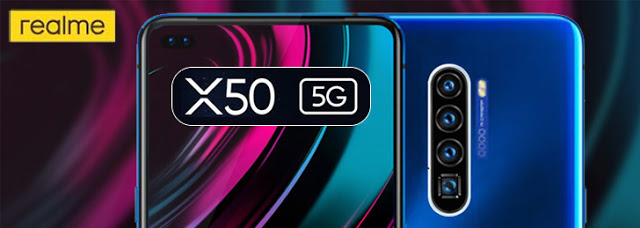
     WRealme’s first 5G phone is on its way. The Realme X50 is expected to launch in China at a specific event. The promotion for this event has been going on pretty strongly in the last few weeks. The phone could have simultaneous dual-channel Wi-Fi and 5G connectivity. This will ensure better uplink and downlink speeds. Realme has also revealed that the X50 model will be powered by the Snapdragon 765G SoC. It will also support mainstream 5G network bands. This will make sure that the users do not face any connectivity problems.


    Realme mentioned that the X50 smartphone will work on dual-channel Wi-Fi and 5G networks at the same time. This was mentioned in an official Weibo post. Although the company did not talk about the technical aspect of this, it did mention that users would be able to enjoy higher speeds overall. You might have noticed that the Dual Channel Network Acceleration feature in ColorOS 7 works in a similar manner, allowing users to have a smoother and faster experience.

    Realme X50 Camera
    Realme X50 Camera

    Realme X50

    The company has made another announcement on their official Weibo channel where they talked about offering dual-mode 5G support. Besides this, it will also support mainstream 5G network bands including n1, n41, n78, and n79. Quite recently, Realme talked about its upcoming phone, the X50 model. The phone will have a pill-shaped hole-punch that will have two front cameras. The X50 smartphone will have a 6.6-inch display with a 90Hz refresh rate.

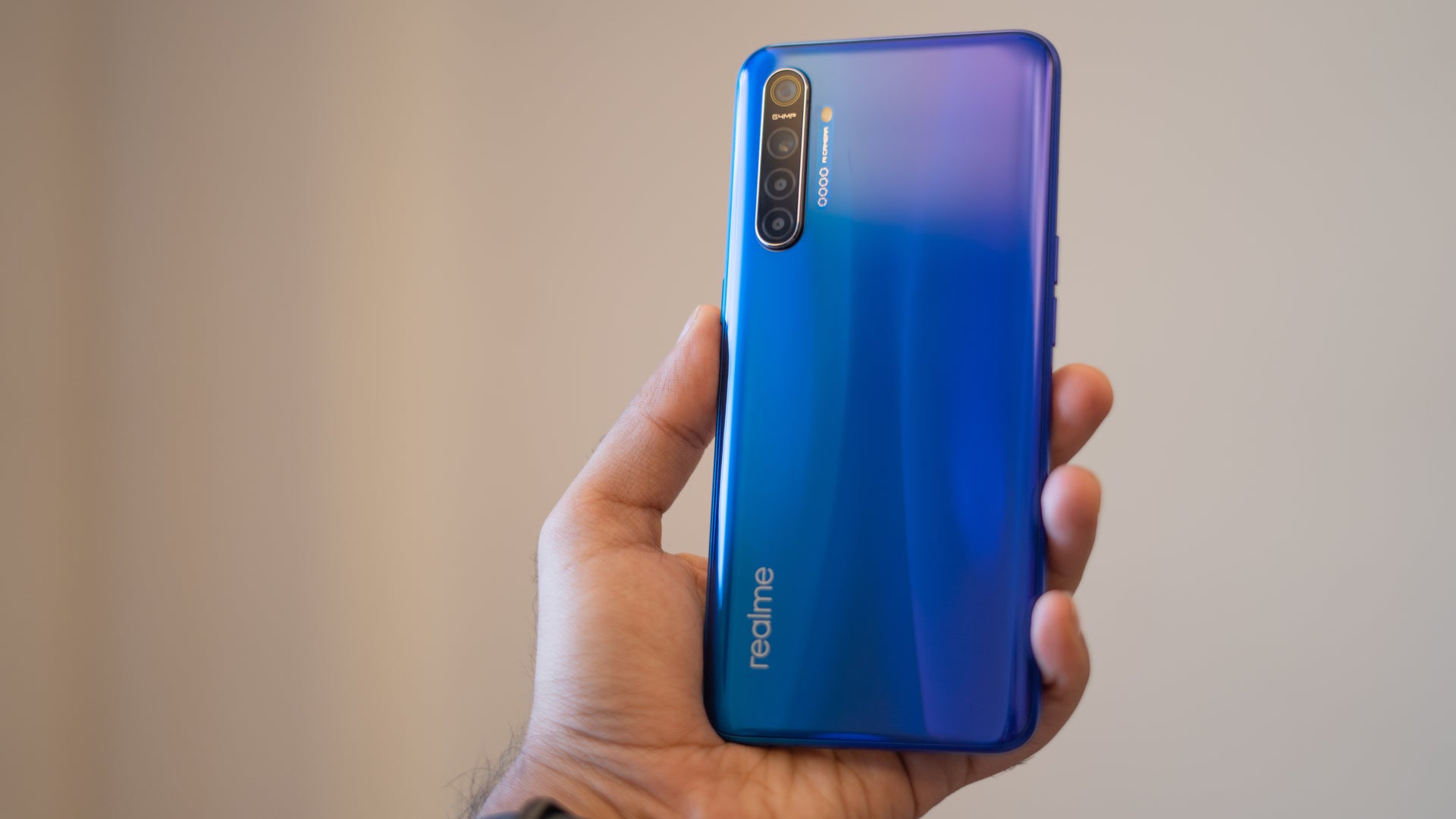
    Coming to the camera, the phone will have a 64-megapixel camera with Sony IMX686 sensor. Other specs that might be seen here include the fact that the phone will have 8GB of RAM. The phone will run on octa-core Qualcomm Snapdragon 765G SoC that comes with Qualcomm X52 5G modem. The smartphone will also have a 32-megapixel main selfie camera and an 8-megapixel wide-angle lens.

    Realme X50
    Realme X50
    What else is new?

    The Realme X50 will come with an improved cooling system. This five-dimensional, ice-cooled heat dissipation system will replace the usual heat-sinking tube. The announcement was via Weibo again. This new cooling system will ensure complete coverage of core heating sources. The news regarding this came soon after Realme released promo about the X50 smartphone and its simultaneous dual-channel Wi-Fi and 5G connectivity feature. Of course, the fact that the phone will come with a 64-megapixel primary sensor is a huge attraction for most users as well.


    According to the official Weibo post by Realme, the X50 smartphone will have an 8mm ultra-large diameter liquid-cooled cooper tube having 410 cubic metres of volume. This tube is an important part of their 5D ice-cooled heat dissipation system. The reason behind the usage of this new cooling system is the fact that the phone’s processing unit comes with an integrated 5G modem. The phone will launch sometime next year. We will know more details about its price and so on nearer the release date.

  • MIUI 11 Update Based on Android 10 For Redmi Note 7 Pro, Redmi Note 7

    MIUI 11 Update Based on Android 10 For Redmi Note 7 Pro, Redmi Note 7

    Recently, both Xiaomi Redmi Note 7 and Redmi Note 7 Pro received an MIUI update. While this upgrade was for Android 9 Pie, the company recently announced that they are planning to roll out another update. This one would bring Android 10-based MIUI 11 update to these smartphones. Although Xiaomi is yet to officially comment about this update, forum moderators have mentioned that the two devices will soon receive these updates. Besides the Redmi Note 7 and Note 7 Pro, Note 7S is expected to receive the update at the same time.

    “In the official Chinese community of Mi, official information appeared in the closed section that the development of MIUI 11 based on Android 10 for RN7 and RN 7 Pro began!”, the moderator wrote in the forum. The message indicates that the first beta version will be rolled out within the next two to three weeks in India. However, users will have to wait for a couple of months for a more stable update.

    Redmi Note 7 and Note 7 Pro Features

    "<yoastmark

    Note 7 Pro has a 6.3-inch FHD+ Dot Notch LTPS in-cell display. It runs on the latest Snapdragon 675 SoC by Qualcomm. Coming to the camera, the phone features a dual rear camera system with a 48 MP Sony IMX586 sensor and 5 MP secondary sensor. The smartphone does come with a 3.5 mm headphone jack. Besides this, it features an IR blaster, type-C port, and Corning Gorilla Glass 5 on both the front and at the back. If you look at the Redmi series, you will notice that this is one of the very first smartphones to have a USB-C port.


    The phone has a huge 4,000 mAh battery which offers about 20% more standby time compared to its predecessors. Of course, it supports Qualcomm’s Quick Charge 4 as well. While this was all about Redmi Note 7 Pro, let’s take a quick look at the Redmi Note 7 model. You might have noticed that this model is not available in the market. This is because the phone has been replaced by the Redmi Note 7s Model.

    MIUI 11 Update
    MIUI 11 Update

    The latter comes with a 6.3-inch full-HD+ display. It has an aspect ratio of 19.5:9. Powered by Qualcomm Snapdragon 660 chipset and running on MIUI 11 based on Android 9 Pie, the phone quickly became popular. It also has a 4,000mAh battery and comes with support for Quick Charge 4.0. With regards to the camera, you can expect a 12-megapixel primary camera with an f/2.2 aperture and a 2-megapixel secondary depth sensor. The front has a 13-megapixel sensor.

    MIUI 11 Update

    Redmi Note 7 Pro and Note 7 are two highly popular models that were released earlier in the year. India is a huge market for Xiaomi and the company is ensuring that it stays that way. These two smartphones will receive their Android 10-based MIUI update soon. Note 7 is available in two variants. One has a 3GB RAM and 32GB storage while the other comes with 6GB RAM and 64GB storage. Available colours include Ruby Red, Onyx Black, and Sapphire Blue.


  • Oppo Reno S Phone Reportedly Gets Certified in Indonesia, Hints at Imminent Launch

    Oppo Reno S Phone Reportedly Gets Certified in Indonesia, Hints at Imminent Launch

    Guangdong OPPO Mobile Telecommunications Corp., Ltd, popularly known as OPPO, is a Chinese consumer electronics and mobile communications company. Although it has its headquarters in Guangdong in China, Oppo has an easy global presence. It designs and manufactures smartphones, Blu-ray players, and other electronic devices. Oppo is getting all ready to release its Reno 3 series smartphone this month. Besides this, many believe that another Reno-series smartphone that might launch soon. This refers to the Oppo Reno S, which has already received certification in Indonesia.

    Oppo Reno S Phone
    Oppo Reno S Phone

    The company is also planning to release a new Reno series smartphone with the model number CPH2015, the rumours regarding which has been doing the rounds from quite some time now. The same smartphone is expected to release in India. However, an official confirmation is pending. Nashville Chatter noticed the Oppo Reno S’ certification in Indonesia. This database lists the phone’s model number as CPH2015 and the name as Oppo Reno S. The phone has also received the BIS certification and EEC certification in Russia. This implies that the phone could be made official soon.

    Oppo Reno S

    The Oppo Reno S will come with a 64-megapixel primary camera. However, we don’t know yet if it would use the Samsung ISOCELL GW1 sensor or the Sony IMX686 sensor. There is also no word on whether the smartphone would have a triple rear camera or a quad-camera setup, similar to the Oppo Reno 3 Pro phone. This is expected to release near Christmas in China, hopefully, followed by a global release soon. The dual phone will have two Nano SIMs and support for 4G as well.

    The Oppo Reno S smartphone will support the 65W VOOC 2.0 fast charging technology. It is expected to be released in India sometime in December. Looking at the price range for the phone, it could be part of the mid-range premium models. There is no doubt that the imaging hardware and powerful specs will make this a popular phone once released.

    Oppo Reno S Camera
    Oppo Reno S Camera


    The Impending Launch

    Oppo is getting ready to launch its Reno 3 phones this month. The Reno S is likely to run on Android v9.0 (Pie) operating system. It will be powered by Octa-core processor with Qualcomm Snapdragon 855 Plus Chipset. The smartphone will have 8 GB RAM and 128 GB internal storage. Users will be happy with its resolution of 1080 x 2340 pixels and 395 PPI pixel density.


    Looking at its camera, the phone has a 20 MP front camera and four rear cameras. On the back, there is a primary 64MP camera, an 8MP one, a 13MP one, and a 2MP sensor. You will be able to enjoy features like Auto Flash, Digital Zoom, and Touch to focus. What is awesome is that the phone will have a 4100 mAh battery which is sufficient for a complete day’s use. Connectivity options include Bluetooth, GPS, WiFi, Volte, and more. We will know more soon once the company releases specific details before the actual launch. Fingers crossed!

  • ZTE Axon 10s Pro 5G Coming In H1 2020

    ZTE Axon 10s Pro 5G Coming In H1 2020

    phonexxxxxxxxxxWe know the name, design, and specs of ZTE’s upcoming flagship device. It is likely to be called ZTE Axon 10s Pro 5G. The company is planning to launch the device in H1 2020. The phone will run on Snapdragon 865 SoC. The details about it emerged during the Snapdragon Tech Summit 2019 where the company talked about the Axon-branded phones featuring Snapdragon 865 SoC.

    Design and Specs

    The device will feature really thin bezels, have a curved display, and a visible front camera. The materials used for the body would be majorly glass and metal. Although it has not yet been specified whether or not the phone will have a display hole or a waterdrop display notch, we should know more about it soon enough. The ZTE Axon 10s Pro 5G will have three rear cameras with an LED flash located right underneath. Since there is no sight of a fingerprint scanner at the back, it looks like the device is likely to use an under-display fingerprint scanner.

    ZTE Axon 10s Pro 5G
    ZTE Axon 10s Pro 5G

    The phone is designed to be only 7.9mm thick, weighing about 175 grams. The device will support SA/NSA dual-mode 5G network and WiFi 6. Besides this, it will come with a flexible hyperboloid glass, a 4,000mAh battery, and many other features. The phone will also use AI engine Z-Booster 2.0 which allocates system resources smartly, helping optimize game and multitasking duties.

    The ZTE smartphone will run on Android 10 out of the box with ZTE’s MiFavor 10 skin on top of it. The latter was announced quite recently. It offers better battery life, new system icons, AI-related improvements, and so much more. Besides the smartphone, ZTE has plans of introducing as many as 15 5G products in 2020. Out of these,  at least 10 of them will be 5G smartphones.

    What else?

    The popular Chinese smartphone manufacturer recently launched an official press meet. Here, the company talked about its upcoming devices, including the ZTE Axon 10s Pro 5G. It would be powered by the Snapdragon 865 SoC. It is likely to have a dual-mode 5G support, UFS 3.0 storage, and 6.47-inch full-HD+ OLED display. The smartphone has a model number ZTE A2020 SP. Regarding other specifications, the phone will have 12GB RAM and up to 512GB of storage.

    ZTE Axon 10s Pro 5G Release
    ZTE Axon 10s Pro 5G Release

    With regards to the camera, the phone will have a triple rear camera setup. The main camera will be a 48-megapixel one with a 2-megapixel secondary camera and an 8-megapixel third shooter. The front will sport a 20-megapixel selfie camera. The smartphone is most likely to have a waterdrop-style notch on the front. The phone’s triple camera sensors will be vertical with the LED flash following them. The right side of the screen will feature the power button and the volume control buttons. Although the phone is expected to launch in the first half of 2020, there has been no official word on it from ZTE so far.