Category: Phones

  • Realme X50 Phone Supports Simultaneous 5G And Wi-Fi Connectivity

    Realme X50 Phone Supports Simultaneous 5G And Wi-Fi Connectivity

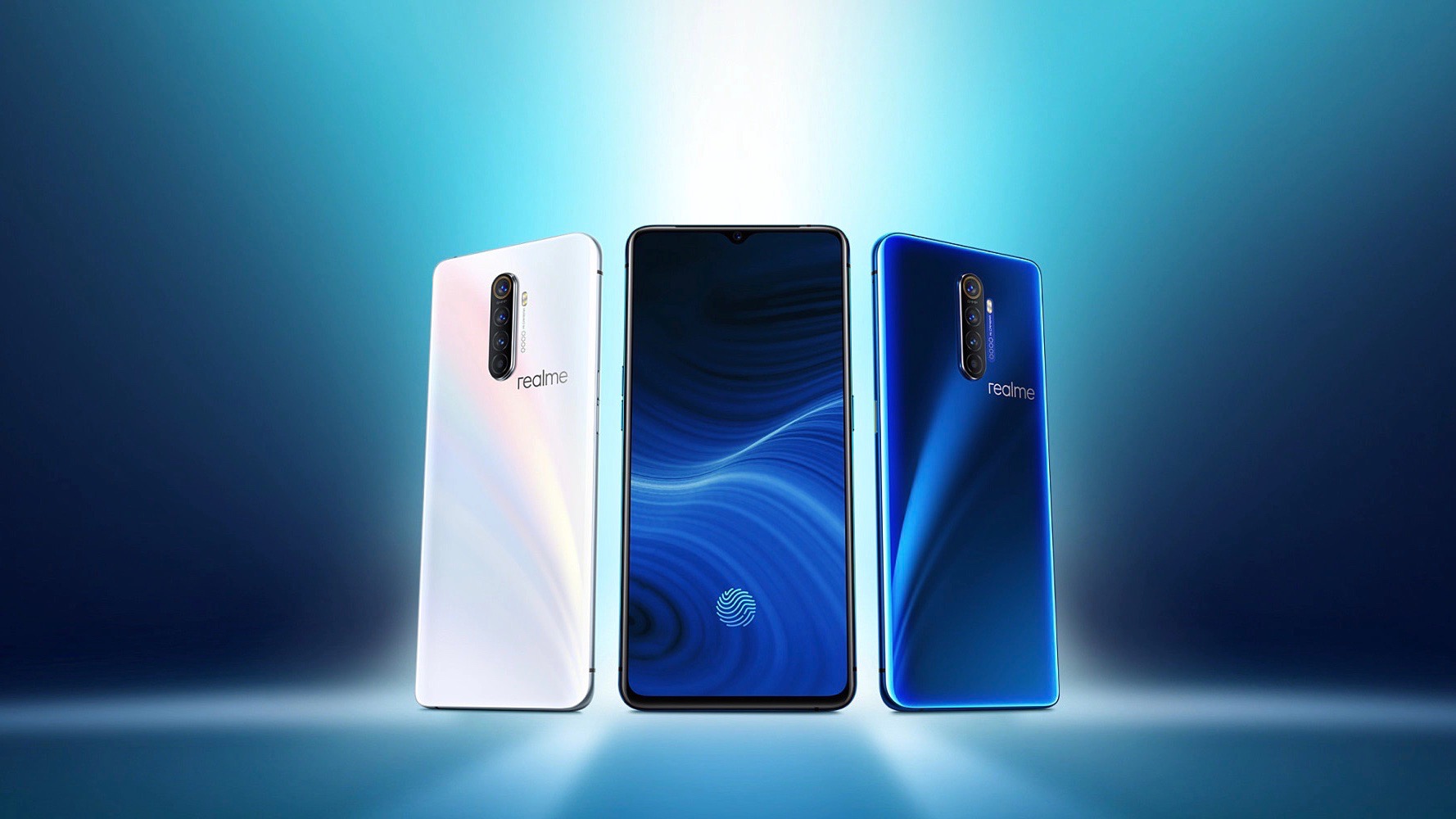
    Over the past month, realme has been teasing their upcoming smartphone, the realme X50, ahead of its launch on January 7. The X50 is the first 5G phone from realme – and realme naturally focuses on its 5G capability in its advertisements.
    Realme X50 Phone

    The latest batch of teasers from realme about the X50 further explains how the handset will handle 5G connectivity.

    So far, we’ve learned that the X50 will feature the Qualcomm Snapdragon 765G processor, which supports dual-mode 5G and 5G mainstream bands like the N1, N41, N78, and N79 among others.

    These details help us understand the X52 modem, the component that enables the use of 5G networks, which comes built into the Snapdragon 765G processor.

    The X52 modem will be a critical component in many phones in 2020, making the details very important.

    The use of these bands ensures a stable and smooth 5G experience for the latest 5G Mobile phones.

    The Updates

    On December 18, realme officially revealed another great new feature of the realme X50 phone – its support for dual-channel WiFi/5G simultaneously.

    The simultaneous use of both 5G and Wi-Fi is possible by realizing full scene intelligence technology. This feature helps improve network speed.

    The technology is already present on a lower scale, enabling smartphones to sustain concurrent 4G and Wi-Fi connectivity.

    Learning that the feature is transferable to 5G phones generated a lot of enthusiasm in the tech community. The dual-channel Wi-Fi/5G connection improves connection stability. Also, it enhances network speed in some cases.

    Although the arrival of 5G and its journey to becoming a mainstream technology. It promises ludicrous speeds and instant response times. Certain aspects of the technology, especially mmWave, have fundamental issues that come in the way of connection stability.

    Antennas are incredibly sophisticated but also can be obstructed easily – which makes Wi-Fi fallback even more critical than it is now.

    Network Support

    Also, the realme X50 phone will support dual Wi-Fi network acceleration – meaning, a user can connect to a 2.4GHz and a 5GHz Wi-Fi network at the same time, furnishing a super-fast internet connection depending on the characteristics of different frequency bands of Wi-Fi.

    The X52 modem inside the Snapdragon 765G is also capable of connecting to both standalone (SA) and non-standalone (NSA) networks. The modem supports sub-6 GHz and mmWave bands. The antenna design requirements make it certain that mmWave is not going to make it to many phones.

    With the dawn of the 5G era, speed may be only one of the features of devices on the market. Intelligent internet speed acceleration using network scene detection will most likely pave its path of development as a technology.

    Now that several 5G mobile phones are beginning to hit the market, dual-channel network acceleration and dual-WiFi network acceleration are slowly becoming standard in 5G mobile phones, since they supply both better speed and network stability.

    The new functionalities ensure that the dual-channel network experience will be far better than the single-channel network experience.

    The Snapdragon 765G is a versatile chipset, and will probably be one of the best performing processors in the space for a good while.

    Fans from across the globe cannot wait to see it in action in the realme X50.
  • New Huawei P Smart Pro Boasts A 48MP Primary And 16MP Pop-up Selfie Cam

    New Huawei P Smart Pro Boasts A 48MP Primary And 16MP Pop-up Selfie Cam

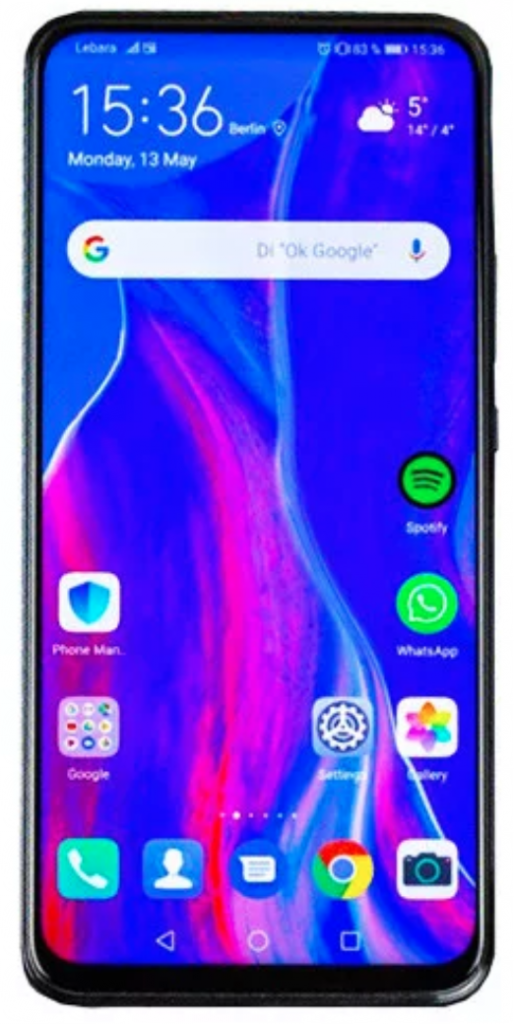
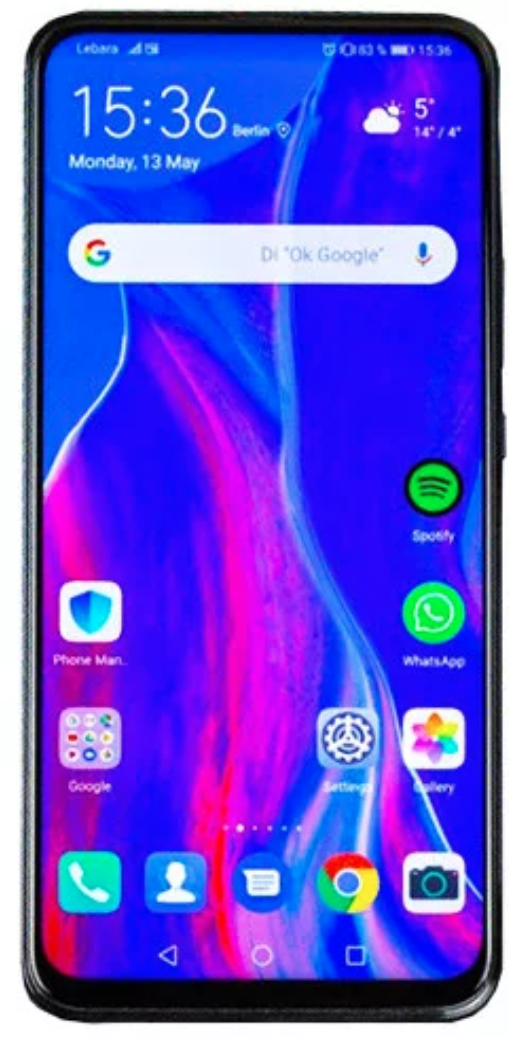
    Huawei unveiled the P Smart Pro smartphone in December 2019, which comes with a 6.59-inch touchscreen display that has a resolution of 1080×2340 pixels and boasts a pixel density of 391 pixels per inch (PPI).

    Huawei P Smart Pro

    The phone features the 1.7GHz octa-core HiSilicon Kirin 710F, which has four cores clocked at 2.2GHz, and the other four cores clocked at 1.7GHz. The phone is available in only a 6GB variant.

    It runs on EMUI 9.1, based on Android 9 (Pie). The phone offers excellent battery life with its massive 4000mAh non-removable battery.

    The phone can quick-charge but comes with a measly 10W charger, which is disappointing considering the price of the phone.

    This Huawei phone is more than capable of taking some great shots. The Huawei P Smart Pro features a 48-megapixel primary camera with an f/1.8 aperture, a second 8-megapixel camera having f/2.4 aperture, and a third 2-megapixel depth-sensing camera.

    Other Features

    The formidable rear camera setup can autofocus almost instantly. The phone has no notch and comes with a pop-up camera setup that boasts a 16-megapixel camera with an f/2.2 aperture.

    The Huawei P Smart Pro does not compromise on storage either, available only in a 128GB variant. The inbuilt memory is expandable further by up to an additional 512GB using a microSD card.

    It features dual-SIM slots, both of which support Nano-SIM cards.

    The phone supports fast wireless connectivity options such as Wi-Fi 802.11 b/g/n/ac, with support for both 2.4GHz and 5Ghz Wi-Fi bands. It also comes with accurate GPS capabilities and the latest Bluetooth v4.20.

    Thankfully, Huawei hasn’t rid the phone of the headphone jack and features a USB Type-C port that enables faster saving and transfer of data.

    4G and 4G+ are also supported, and the phone boasts super fast internet speeds on Band 40, used my many LTE networks in India.

    The phone also comes with many sensors, including the accelerometer, an ambient light sensor, the compass/magnetometer, the gyroscope sensor, a proximity sensor, and a fast fingerprint sensor. The P Smart Pro also supports face unlock.

    The phone looks and feels great in the hands. It measures 163.10 x 77.20 x 8.80mm and is a little on the heavier side, weighing 206.00 grams.

    Colors available

    The Huawei P Smart Pro is available in two eye-catching colors – Midnight Black and Breathing Crystal.

    The phone is readily available in several European countries. Although the phone cannot be dismissed as being a completely new model, since it’s very identical to the Huawei Y9s, its reception has been fair by both critics and customers.

    The only significant difference between the P Smart Pro and the Y9s is the position of the fingerprint scanner. Also, the phones’ fingerprint scanner is embedded into its power button.

    Huawei introduces a 48MP camera setup into a price range that severely needs better cameras. The phone costs around 350 euros.

    It is available in Bulgaria (BGN 680), Greece, Croatia, Poland (PLN 1,400), and Ukraine (UAH 8000) among other countries.

  • Galaxy S11+ Will Include A Periscope Camera

    Galaxy S11+ Will Include A Periscope Camera

    Ice Universe is one of the more popular tipsters out there. He recently shared details about the Samsung Galaxy S11+’s rear camera setup. The render the shared displays the S11+’s rear-facing cameras, including the periscope one. The latest smartphone by Samsung has been seen in CAD-based renders recently. According to Ice Universe, these renders are not quite accurate. However, he has promised to update with more information.

    Several leaks have given us some insight into how the upcoming Samsung smartphone might look. While it was initially believed that the phone’s rear camera setup might look like domino tiles, recent reports tell us that it would not be so. Some other reports suggest that Samsung might add a sensor for improving low light photography on the phone. The Galaxy S11+ will run on Snapdragon 865 chipset and its Exynos 9830 processor.

    Galaxy S11+ Camera
    Galaxy S11+ Camera

    S11+ Camera Details

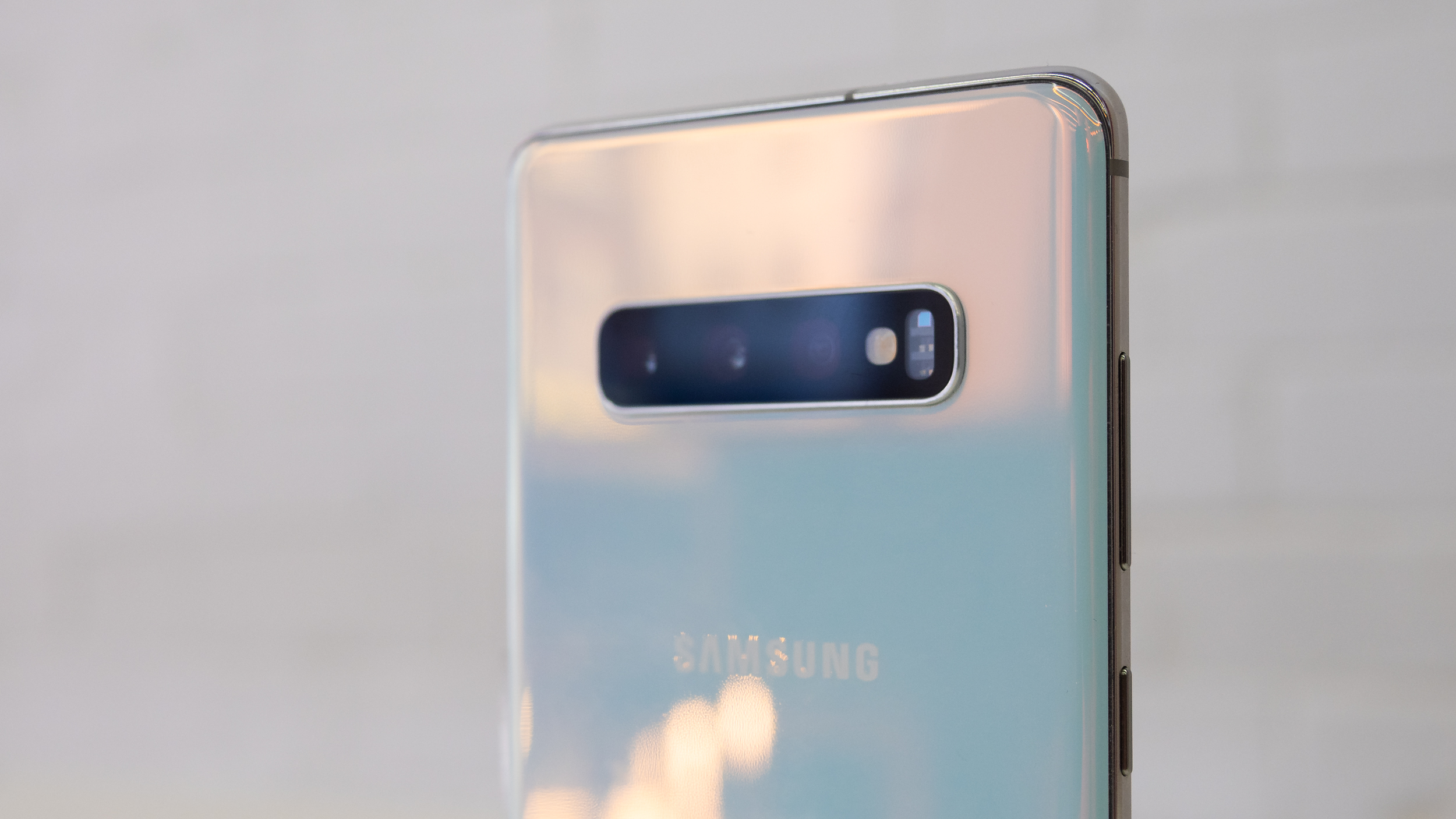
    What was not accurate was the camera alignment at the rear. Although they are shown to be aligned in the render, they are actually all over the place. The Galaxy S11+ will come with a periscope camera which can be seen quite clearly in the shared pictures. The phone is likely t come with a main, ultra-wide-angle, and periscope cameras. The S11+ periscope camera’s module will be square-shaped instead of circular, making it more noticeable. Since the main camera is the largest sensor, it is located in the middle.

    All the three cameras are neatly aligned towards the left in the image. However, it will not be so. Apparently, some cameras are missing on the right side of the module. The Time-of-Flight or ToF sensor will also be present at the back, which is currently missing. Besides this, an LED flash will be seen alongside the camera module as well. 

    Despite all the information we have managed to gather regarding the S11+’s camera, we are still lacking some crucial details. It looks as if the phone will feature five cameras, but we don’t know what the last one would be. New details are expected to release soon. While the render shows a different alignment, the rear-facing camera will be properly aligned. Check out its battery details here. 

    Samsung Galaxy S11+
    Samsung Galaxy S11+

    Release of S11+

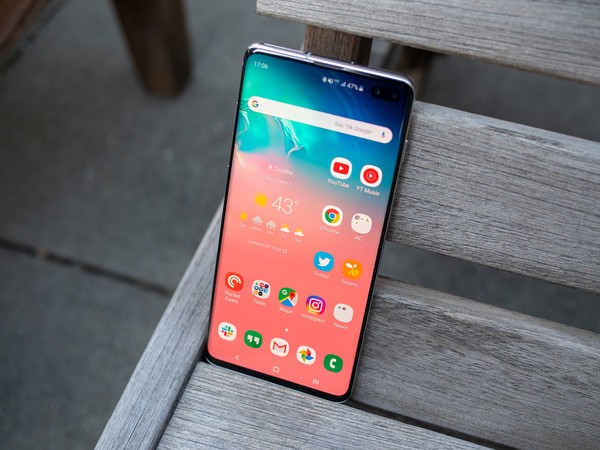
    The camera module will be placed on the top left side of the phone. While it will protrude a bit, it will not wobble too much. The phone’s backside is also expected to be curved. The S11+ will be made using metal and glass. The physical buttons are placed on the right. While the phone will have volume control buttons, power, and lock button, it will not have a 3.5mm headphone jack. The smartphone will have a curved display with extremely thin bezels. With regards to the front camera, it is likely to be located at the centre.

    The Samsung S11+ device will be launched along with the Galaxy S11 and S11e models. In fact, the Galaxy Fold 2 could be released at the same time as well. According to rumours, the smartphone could be launched on February 18, 2018.

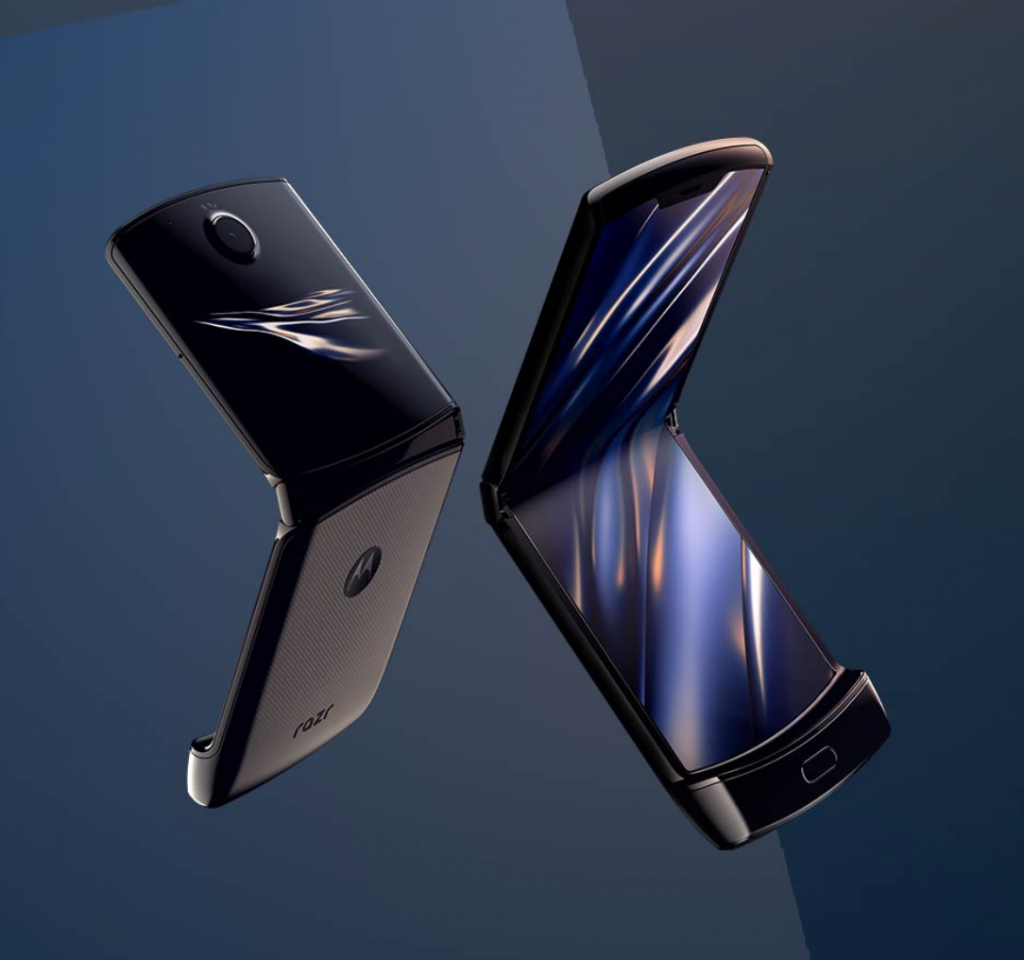
  • Moto Razr 2019 – Review

    Moto Razr 2019 – Review

    Since ages, Motorola has been one of the best manufacturers for phones. Beginning with the portable cellular phone back in 1993-’94, to the foldable phones in 2000’s and innovative smartphones now, Motorola has come a long way.

    Moto Razr 2019 – Review

    Once again, it is trying to bring back the old fashioned flip-over foldable phones into the market. It is an iconic, nostalgic design of smartphones that stands out from the rest.

    The very new Moto Razr 2019 is the latest launch by Motorola.

    Without any adieu, let us discuss in-depth the various features of the phone, its pros, and cons and why you should buy or not buy this unique smartphone.

    Design

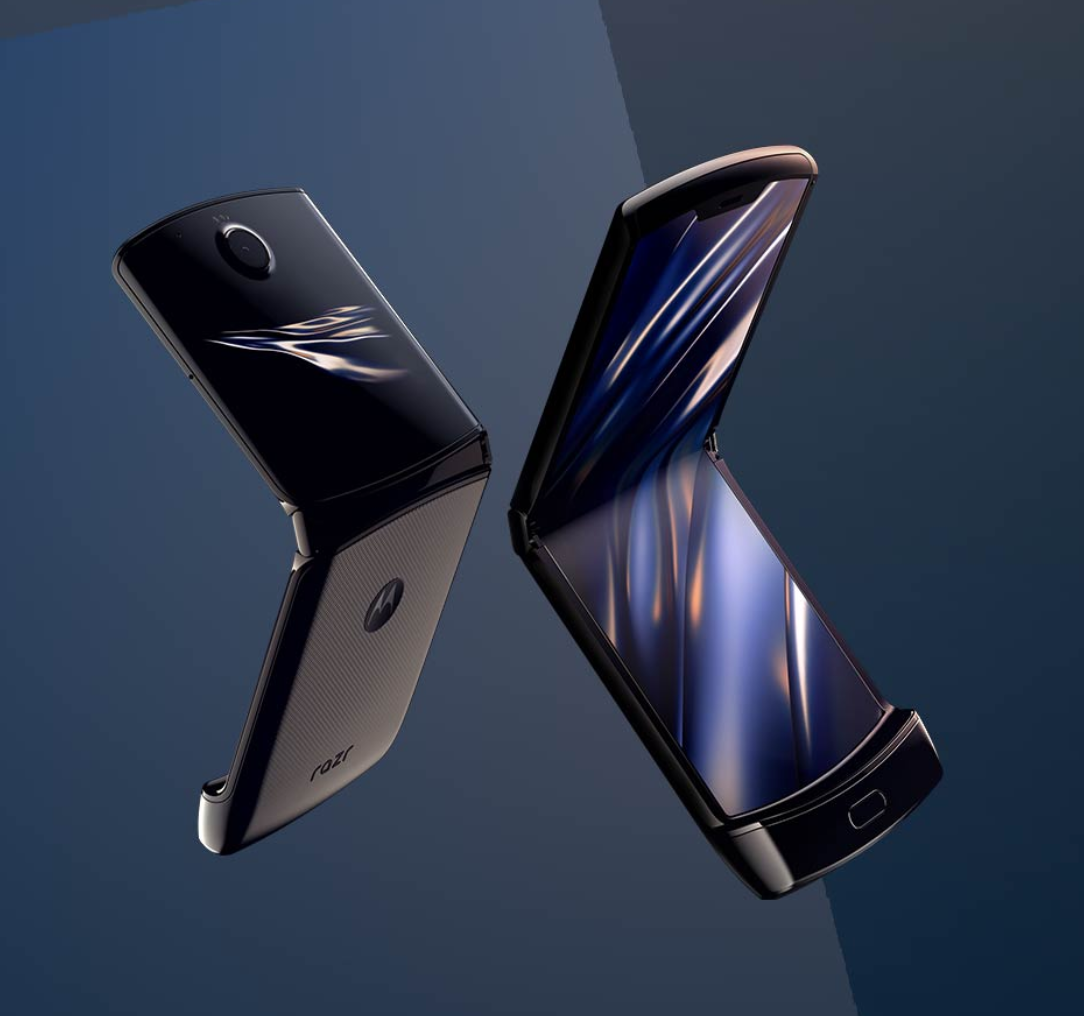
    Lavishly designed into a sleek and shiny device, the Moto Razr 2019 does not disappoint you with its outlook. Bringing back the old design of a flip-flat top, which locks itself in a fold at the bottom, this phone raises the bar in terms of a classic look. When folded, the phone has a size that perfectly fits the palm.

    It is a full-sized smartphone which can be folded into a miniature when you are traveling or for one-hand use. It is elaborately designed with a small front screen on the top, which favors lesser opening and more glancing for a quick check on your phone.

    The central mechanism of the phone is sturdy, which can sometimes make it difficult to open with one-handed use. The phone opens up to a full-fledged smartphone with a screen no bigger than that of the Apple iPhone 11.

    The top display of the phone is a little popped out, which can be a reason for concern even though it comes with a nanocoating water-resistant feature.

    The front has a metallic black glass finish with a small quick display. The rear camera becomes a front faced one when you fold the phone. The fold at the bottom, like the old Motorola phones, is mainly to house the various attributes. Like the antennas, USB-C port for charging, speakers, and also a front-facing fingerprint sensor.

    There is no slot for expandable memory or secondary SIM cards. It does not have a headphone jack as well.

    Display

    When you unfold the phone, the display extends itself into a 6.2-inch comprehensive view. It has a pOLED HD screen with a resolution of 2142×876 pixels and a 21:9 aspect ratio.

    We have to agree that not everything we watch today is widescreen 21:9 content. So, it can be disappointing to see the black bars when you are trying to watch a Netflix favorite.

    The front screen, on the other hand, is a 2.7-inch 96×80 digital color LCD screen with a resolution of 800×600 pixels. The screen supports a ‘smile for shutter’ feature, which takes a photo when you smile. Alternatively, you could also tap the screen and press the volume button for a quick selfie.

    Camera

    With a 16MP rear camera, the Moto Razr is somewhat lagging in the race for cameras that the new-age smartphones hold. In the context of filling all the features in a single frame, the Moto Razr lacks any extra features like quad-lens.

    The camera is very simple and has a menu for basic or night photography, videos, and other modes like a panorama.

    It also has a 5MP front camera, which is placed at the top of the front-facing display screen.

    Performance

    The Moto Razr 2019 is packed with Snapdragon 710 chipset, which runs on Android 9 Pie. Motorola has very carefully selected lesser than the most advanced chipset (Snapdragon 855). It is only because the better the chipset, the more battery it will drain.

    Given the design and compact shape of the Moto Razr 2019, having the latest chipset would not be a great move. Motorola has forever had its signature gestures, and this phone is no exception in that. You can use the gestures both when the phone is open or closed. Like shake the phone for flashlight or wiggle the phone for an instant camera, these are features most Motorola dedicated users love.

    Battery

    A major fallback of the Moto Razr 2019 is the battery capacity. It comes with a mere 2710mAH battery, which is a definite compromise with the quality of the phone. Even though Motorola claims that the phone battery lasts all day, we are quite not sure if that is real.

    When browsed all day with various media-activities or GPS, we are a little doubtful about the capacity of the battery to hold. If you are looking to experiment with the phone you use, the Moto Razr 2019 will be a somewhat right pick. Although the design makes you fall for it, the specifications of the phone are quite short on expectations.

    The hinge design is one nostalgic one, but to pay the price only to be disappointed with the features is not a choice at all.

    Click here to find our more phones of Motorola Razr.

  • Huawei Mate X Phone Getting a Refresh at MWC 2020; Kirin 990, Improved Hinge

    Huawei Mate X Phone Getting a Refresh at MWC 2020; Kirin 990, Improved Hinge

    The Huawei Mate X Phone has been available in China for a while now – but rumors about a Kirin 990 equipped model have been making rounds on the internet.

    Huawei Mate X Getting a Refresh at MWC 2020

    Huawei briefly showcased its Huawei Mate X Phone back in October. While the Mate X hasn’t arrived in many markets around the world, the company confirmed the launch of the Mate Xs equipped with the more powerful Kirin 990 processor that supports 5G.

    The phone is scheduled for launch in March 2020.

    Huawei Consumer Business CEO Richard Yu confirmed that the new Mate Xs would feature the Kirin 990 chipset, a better hinge, and a super durable screen in an interview session with the members of the press in Shenzhen.

    In the interview, he also stated that the foldable would be announced officially at MWC 2020 in Barcelona, which left fans guessing when between February 24 and 27 will they receive the news officially.

    It remains unclear if the upcoming Mate Xs are the same as the previously teased Mate X, or Huawei will surprise us will a whole new device. It looks like we’ll have to wait for more details from Huawei.

    The Mate Xs will probably inherit its design from the Mate X, but the phone is expected to boast new hardware.

    The Kirin 990 features a 7nm FinFET Plus EUV node manufactured by TSMC. It has an 8-core CPU – with a Cortex-A76 clocked at 2.86GHz, which is twice as big, two middle Cortex-A76 clocked at 2.36GHz, and lastly, four small Cortex-A55 clocked at 1.95GHz.

    The Kirin 990 boasts a powerful Mali-G76 GPU. The Kirin 990 packs an integrated 5G modem, which will bring the next-generation connectivity standard to the Mate Xs.

    Huawei hasn’t revealed anything as of yet, and fans will have to wait and watch.

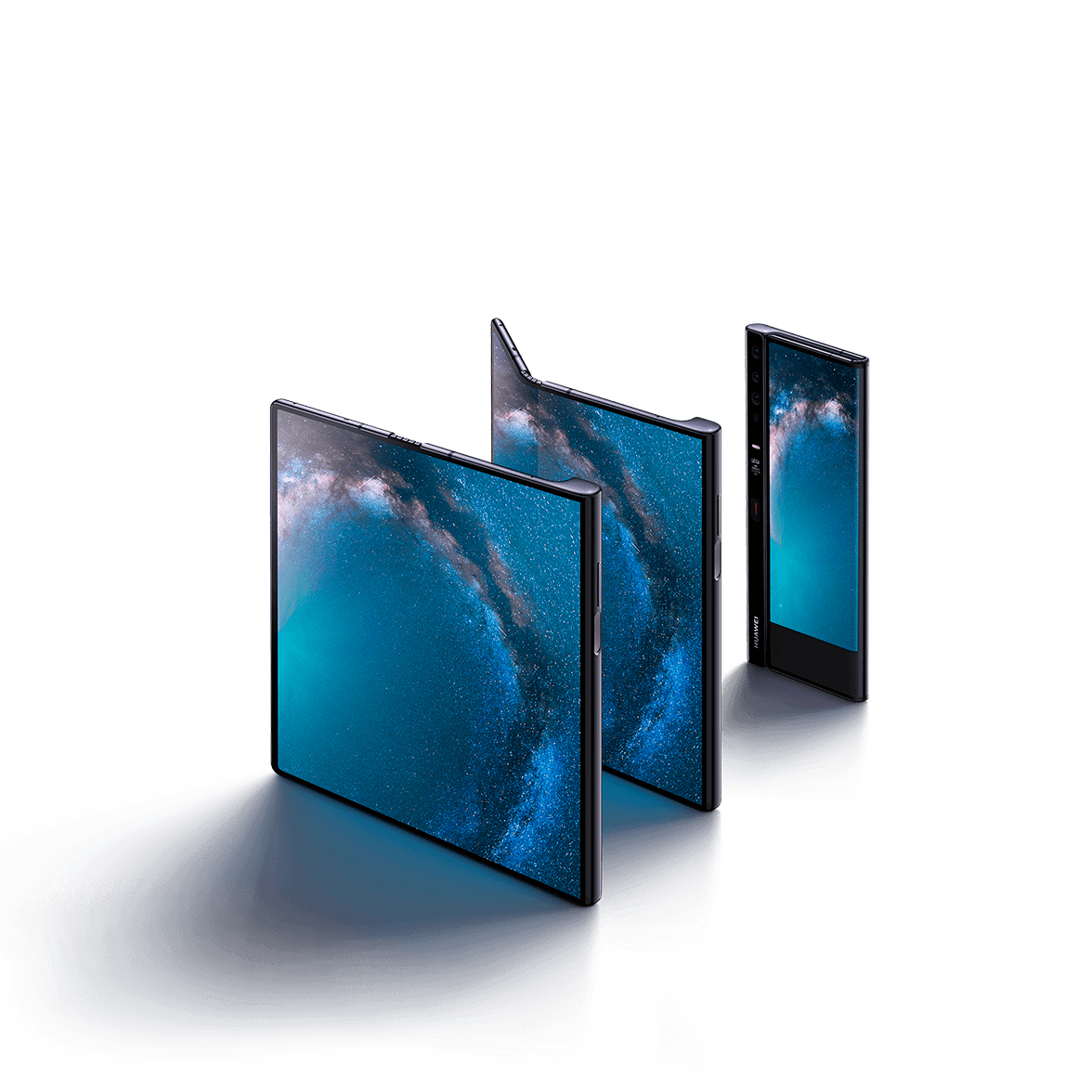
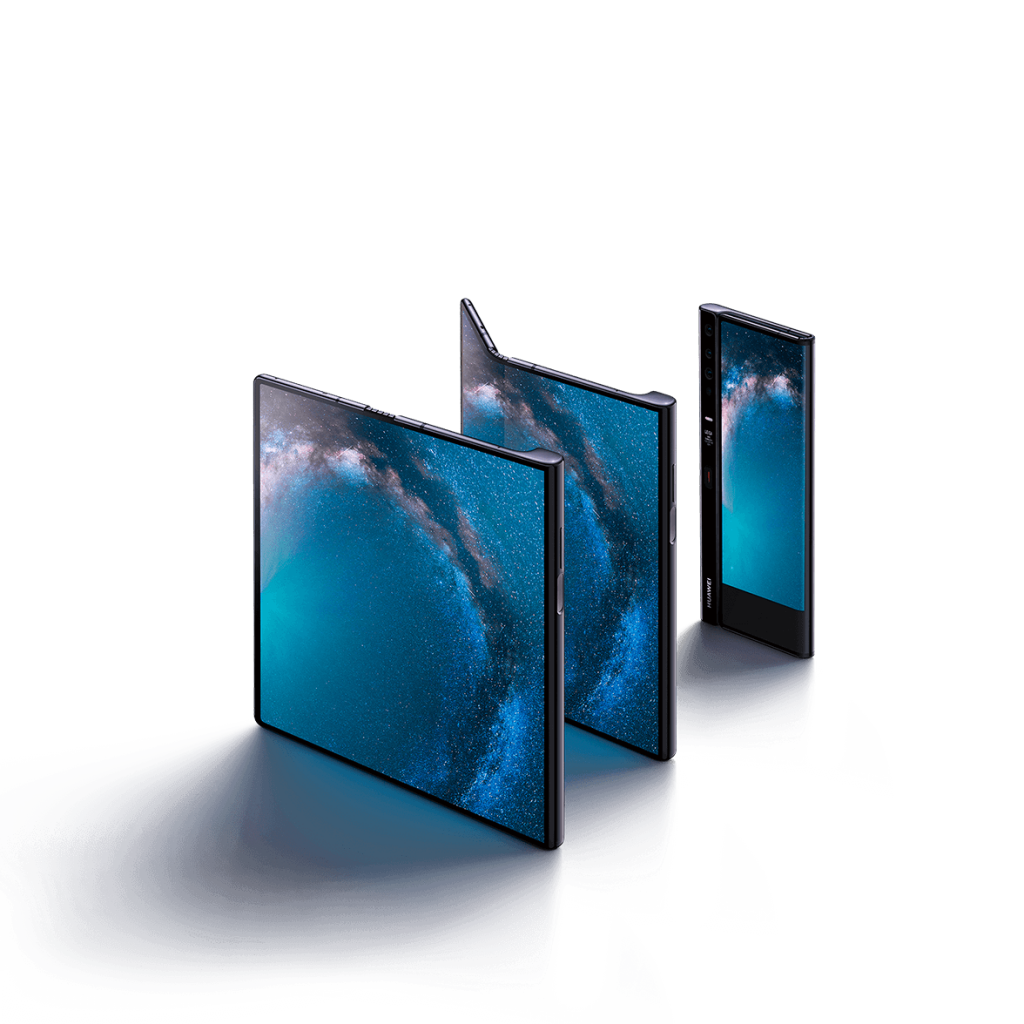
    As for the design of the last iteration, the OLED display of Huawei’s Mate X folds outwards – giving users the option to use it in three distinct styles.

    There are two independent smartphone screens, sized 6.6-inches, and 6.38-inches, respectively.

    The final display supplies an 8-inch tablet-style form factor. A similar design is expected from the Mate Xs as well. Huawei’s Kirin 980 processor powers the currently available Mate X. It comes with 512GB internal storage, paired with 8GB of RAM.

    Other Features and Hardware

    The Mate X also boasts three Leica-tuned cameras and packs two batteries, which entail a total battery capacity of 4,500mAh.A large battery calls for the use of fast charging – which the Mate X supports. It comes with a 55W charger in the box. The Mate X is also 5G-ready courtesy Huawei’s Balong 5000 modem.

    In August, a Mate X device surfaced on China’s TENAA database, including images hinting at subtle changes over what was unveiled at MWC earlier this year.

    The phone was listed with the model number “Huawei TAH-AN00” and appeared to have tweaked button placements and an improved hinge structure.

    If all goes well, Huawei should remain one of the key players in the foldable device space – especially with all the hype surrounding a rumored Samsung Galaxy Fold 2.

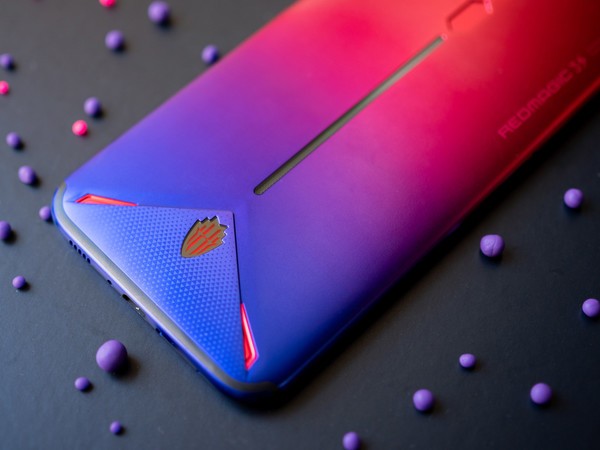
  • Next Nubia Red Magic to have 144Hz screen

    Next Nubia Red Magic to have 144Hz screen

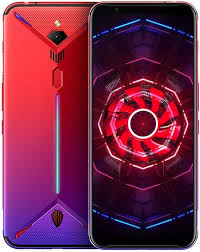
    Nubia is a gaming brand that is currently working on its latest device. The team is focusing on it quite dedicatedly with the CEO posting a similar message on Weibo. He shared a screenshot which confirmed that the company is working on a smartphone that will support 144Hz max refresh rate, in addition to 90 Hz and 120 Hz. The CEO also referred to the phone as “Red Magic 5G phone”. The name confirms that their next release would be a 5G phone. However, that is not so surprising since many manufacturers are working on similar models to keep up with the trend.

    The CEO of Nubia, Ni Fei, disclosed that the new flagship device will feature three cameras on the rear. The phone will run on Snapdragon 865 chipset and the SoC will be paired with a Snapdragon X55 modem. Different sources mention that this Nubia Red Magic phone could possibly come with a different version featuring Qualcomm’s latest chipset. However, this would be paired with a different modem. The idea behind this is that the other variant is aimed at lower price markets and for markets are not 5G-ready yet.

    Nubia Red Magic
    Nubia Red Magic

    Nubia Red Magic

    We only recently got a look into the latest and upcoming Nubia Red Magic gaming phone. The phone is will support 5G and come with a maximum refresh rate of 144Hz. According to an official Weibo post by the CEO, it looks like there are several screen refresh rates, starting from 60Hz to 90Hz, 120Hz, and up to a maximum of 144Hz. While other gaming phones have had higher refresh rates before, it is not so common with commercial phones. The 2018 Razer Phone 2, a gaming model, boasted a 120Hz refresh rate. On the commercial side, Google Pixel 4 featured a 90Hz screen refresh rate.

    In 2019 H2, we saw flagship devices featuring 90Hz displays. However, these did not stay popular for long since ASUS then released its ROG Phone II with a 120Hz OLED panel. Nubia is here to shatter all this with its 144Hz screen. The company is currently testing out the same. The best part about this is the fact that it is expected to be priced very affordably. The very fact that the best gaming phone in the market with top features is selling for a very reasonable rate is enough to attract anyone, gamer or not.

    Nubia Red Magic 5G
    Nubia Red Magic 5G

    144Hz Screen Refresh Rate

    Recently, OnePlus talked about introducing 120Hz screens in its future devices. This announcement was again made on Weibo. Strangely, it was made the very same day Nubia mentioned that its Red Magic phone will feature 144Hz. This essentially means that the display will refresh 144 times per second. It is not very much and in fact, is counted to be typical for gamer-focused desktop computer displays. However, it cannot be detected by humans on small screens like this. Since response time is a major factor in gaming, Nubia is likely to attract a lot of gamers. Of course, the addition of 5G is just icing in the cake.


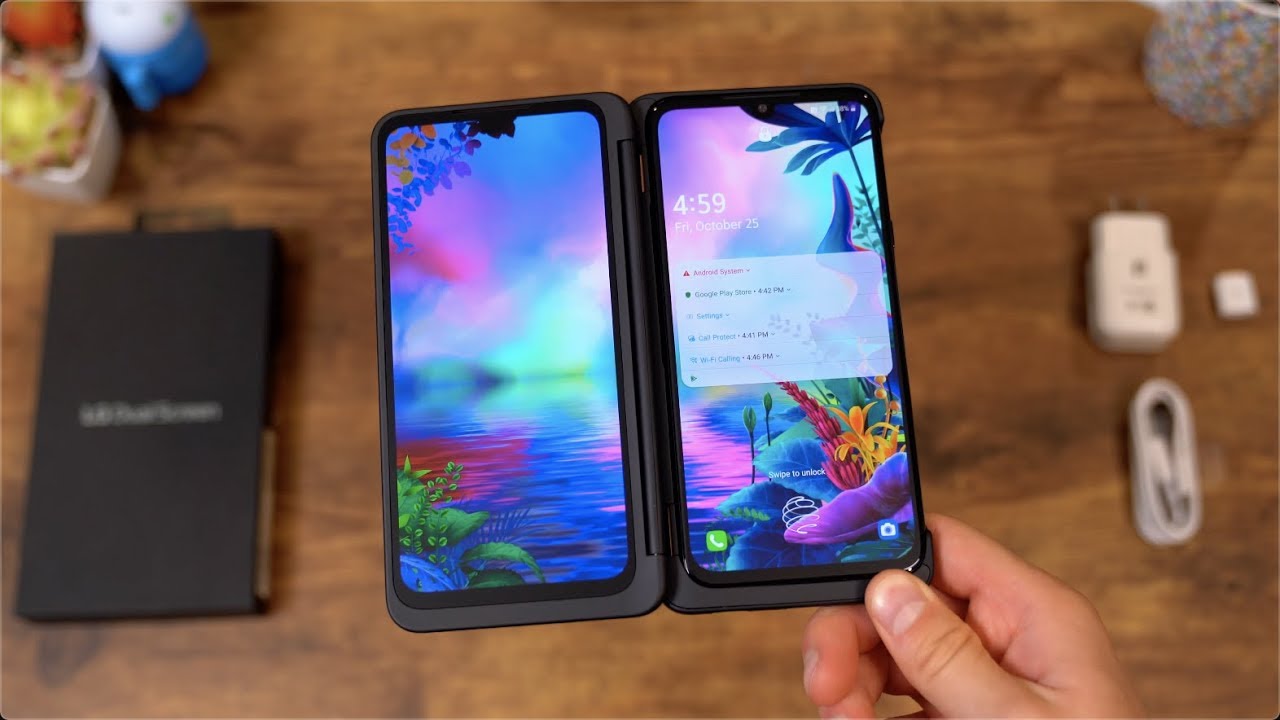
  • V60 ThinQ Dual-Screen Flagship Phone Could Launch At MWC 2020

    V60 ThinQ Dual-Screen Flagship Phone Could Launch At MWC 2020

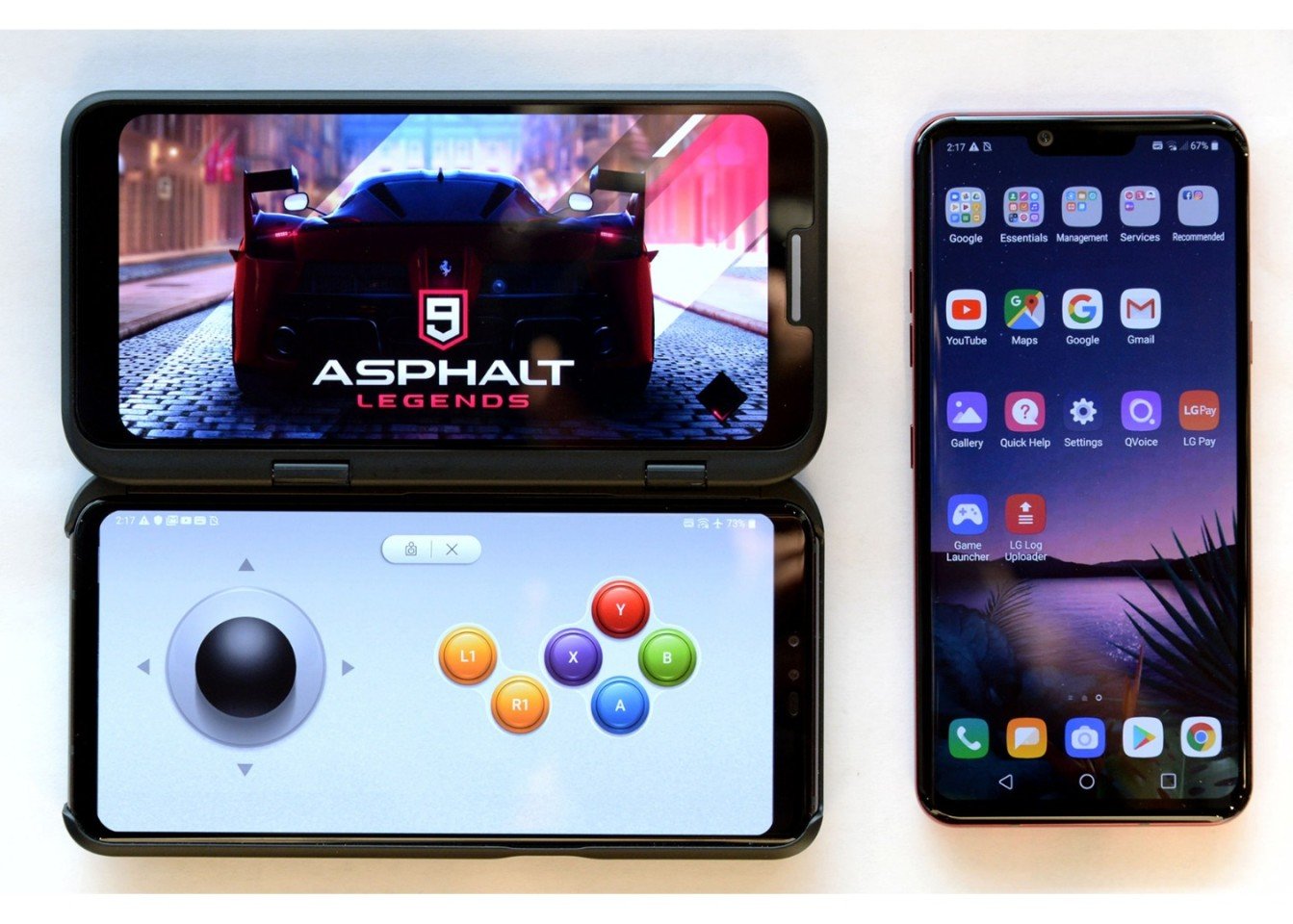
    Many are waiting with bated breath for the MWC 2020. LG is expected to release another dual-screen smartphone at the event. This piece of news emerged from the Korea Herald. The report says that LG is working to launch the V60 ThinQ at the upcoming Mobile World Congress. The Korea Herald’s report suggests that the LG V60 ThinQ Dual-Screen will be a 5G-enabled smartphone. The device is likely to feature a secondary display, similar to LG G8X ThinQ that was released last year. However, the major difference here would be that the hinge mechanism that attaches the screens will have undergone a complete redesign. Naturally, it would be far ahead of its predecessor, V50 ThinQ

    V60 ThinQ Dual-Screen
    V60 ThinQ Dual-Screen

    The hinge on the LG G8X ThinQ is designed to move 180-degrees. This means that the second screen can wrap up all the way. However, the two displays are separated by an inch or less. Due to this unfortunate gap, users cannot enjoy a flawless viewing experience. The reason behind the redesign could that the company wants to fix this issue. However, as long as there is a hinge, chances are that visual interruption will be a problem. Maybe working with software could put an end to this? We have no concrete idea of what LG is working on, but we do know that the V60 ThinQ will feature a revamped hinge design.


    A Foldable Phone Or A Dual-Screen Phone?

    Where Huawei Mate X, Galaxy Fold, and Moto Razr smartphones are all foldable models, LG is still trying to make the dual-screen hinge-design model work. While Samsung’s Galaxy Fold did not really receive any great feedbacks, it was quite better than its G8X ThinQ. Besides all this, LG has filed some patents. From a look at that, it looks like the company is working on a couple of models – one with a fold-out display and one with a rollable screen.

    LG Display has also made quite stir with supplying foldable OLEDs for smartphones, laptops, and tablets. From all this, it is apparent that LG believes in the foldable design model. Maybe the company is of the opinion that testing out its second-screen concept for a little while more will make it a better device. Although not a lot of details is known about the upcoming LG V60 ThinQ, we do know that it will feature at the MWC 2020.

    LG G8X ThinQ
    LG G8X ThinQ

    Instead of investing heavily in foldable phones, LG has chosen to focus on Dual Screen accessory. Where Samsung and Motorola are working on foldable devices, LG has something completely different in mind. The company does not seem to be changing its focus anytime soon either. The V60 ThinQ Dual-Screen is expected to be launched by LG at the MWC 2020 that is scheduled in late February. This flagship device will be released along with a newer Dual Screen accessory. The new accessory is what will feature the redesigned hinge mechanism. We are not sure if the separation will be completely gotten rid of or whether it will merely be reduced. LG hopes that with the release of V60 ThinQ, sales will increase.

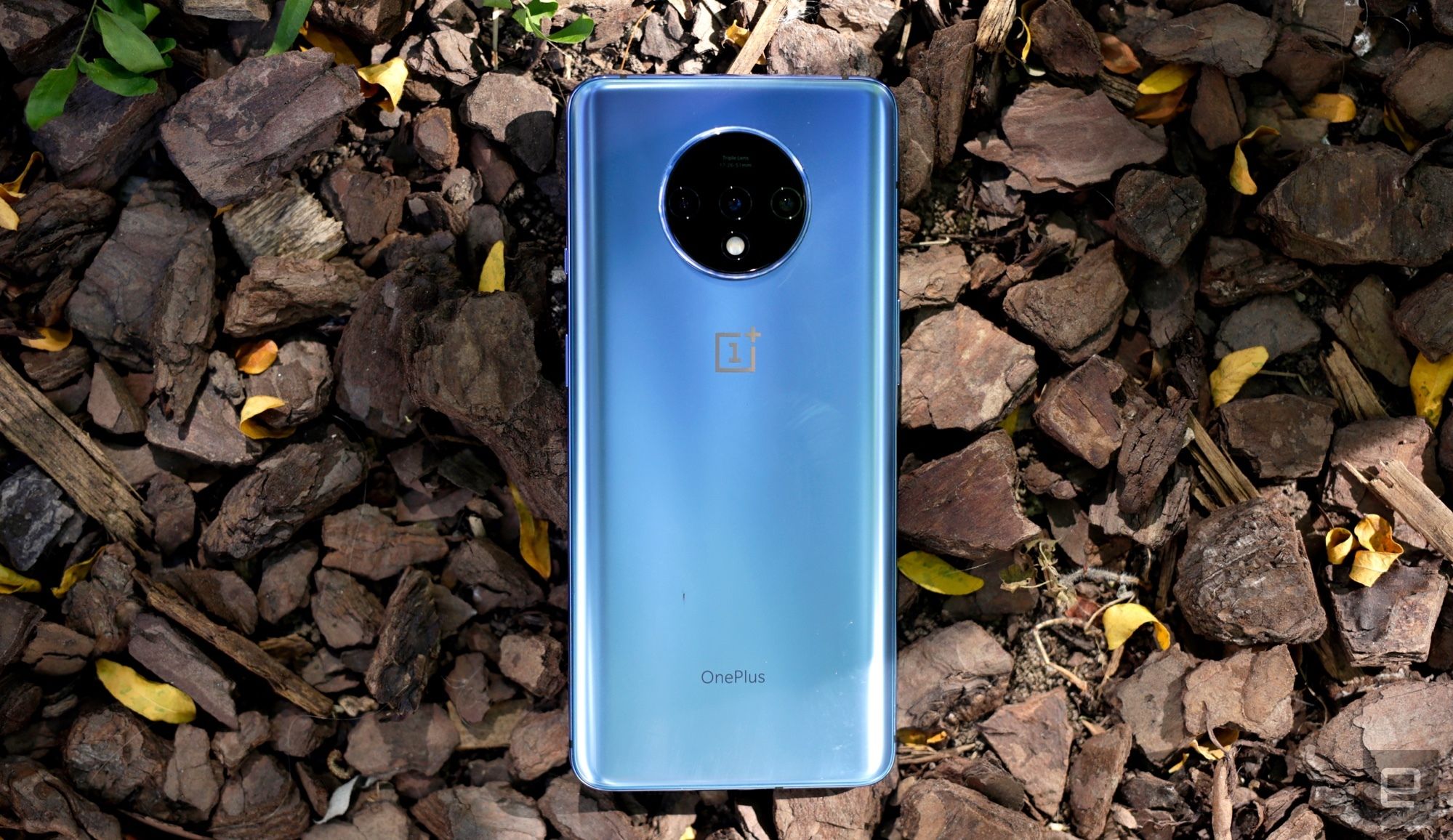
  • OnePlus 8 may be sold by Verizon with 5G support

    OnePlus 8 may be sold by Verizon with 5G support

    OnePlus’ next smartphone could be sold by Verizon, a leading wireless carrier. A report from Android Police suggests that OnePlus 8 will be available for purchase from Verizon Wireless after its release. It is expected to launch sometime later this year. The report also says that the phone is likely to come with 5G hardware. If the sources are to be believed, this is the first time a phone from this manufacturer will be sold by Verizon. Other OnePlus devices have supported Verizon’s 4G network. Since the OnePlus 8 is expected to come with 5G support, it might work with Verizon’s millimetre wave. This is available in 31 US cities as of now.

    OnePlus 8
    OnePlus 8

    According to Android Police, the OnePlus 8 model that might be sold by Verizon will be the standard variant. It is not likely to be larger than the OnePlus 8 Pro model. The device will come pre-loaded with Verizon’s standard apps and features. This includes support for VoLTE and Wi-Fi calling. The very first US carrier to sell a OnePlus device was T-Mobile. This was when OnePlus 6T launched towards the end of 2018. The fact that Verizon is now part of the team is definitely a major plus point for OnePlus. It is expected that they will now enjoy a larger audience to whom they were previously not very well-known. This works out well for all parties involved since OnePlus tends to price its phones quite aggressively. Chances are, even today, that Verizon’s customers might be able to get lower monthly bills while enjoying top features.

    OnePlus-Verizon Alliance

    Although not a lot is known about this alliance, one thing is quite sure. The alliance is going forward with the release of OnePlus 8. This smartphone is expected to be released in the US with Verizon. The phone will come with 5G connectivity. Where T-Mobile is the only US carrier for OnePlus phones right now, the list will expand with the inclusion of Verizon with the upcoming release.

    OnePlus 8 with Verizon
    OnePlus 8 with Verizon

    Quite recently, OnePlus flaunted its Concept One phone at CES 2020. The eye-catching feature included a disappearing camera. On January 13th, in China, the company is expected to demonstrate new “screen technology”. While we don’t know much about this tech and what exactly it could be, we do know that OnePlus shared a graphic regarding the same. In that, we see glass panels stacked on top of one another. Is there any chance the OnePlus 8 will have this new tech or is it for an upcoming device? All we know is that it could replace the pop-up selfie cam for a hole-punch display.

    Issues with past models

    The OnePlus 7 Pro, the previous version of the model, was released in May of last year. It priced quite low when compared to others in the series. It was available for purchase with T-Mobile. However, soon after, T-Mobile stopped its sale of the 7T Pro model. The carrier started selling OnePlus 7T sometime in October, which sells for less. Another point of concern with OnePlus is the two data breaches the company has unfortunately gone through in the last couple of years.

  • Galaxy S10 Lite and Note 10 Lite Go Official

    Galaxy S10 Lite and Note 10 Lite Go Official

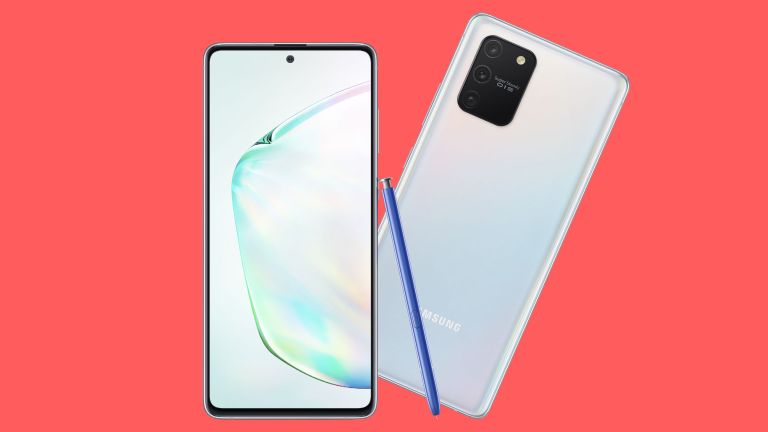
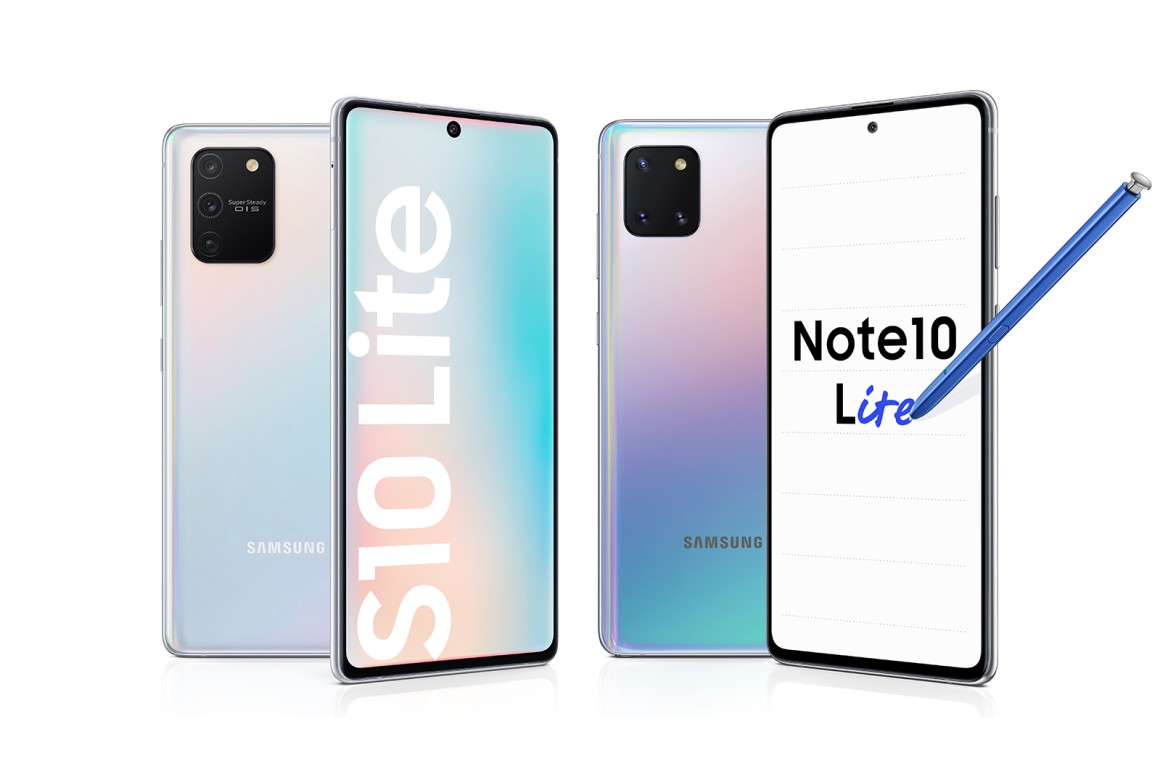
    After weeks and weeks of rumours and speculation, Samsung finally made two of its smartphones official. The Galaxy S10 Lite and Note 10 Lite will be exhibited at the CES 2020. In a press release, Samsung recently talked about the basic specs of both these phones. Spec-wise, it looks like both the devices are pretty much the same. Both feature a 6.7-inch FHD+ AMOLED display with a punch-hole on top. Here, at the centre, resides the 32 MP selfie camera. Another common spec that both the phones have is the 4,500 mAh battery. With regards to other hardware, both devices have 128 GB of storage with either 6 GB or 8 GB of RAM, according to the variant you select.

    Note 10 Lite
    Note 10 Lite

    Looking at software, both Galaxy S10 and Note 10 Lite come with Android 10 out of the box. This is one of the few devices at the moment which supports this. One UI 2.0 features here as well. So, where do these devices actually differ? Well, first of all, the camera. Although both have triple-lens arrays, the Galaxy S10 Lite has a 48 MP primary camera with “Super Steady OIS”, a 5 MP Macro camera for super-close shots, and thirdly, an ultra-wide 12 MP camera. The primary camera is designed to offer the best stability. On the other hand, the Galaxy Note 10 Lite features three 12 MP sensors. The primary has an f/1.7 sensor with Dual Pixel autofocus, while the other two sensors come with ultra-wide and telephoto lenses.

    Features and Specs

    Besides the camera, the processors of both devices are also quite different. The S10 Lite features a 7 nm 64-bit Octa-core processor while the Note 10 Lite boasts of a 10 nm 64-bit Octa-core processor. It is believed that these are Snapdragon 855 and Exynos 9810 respectively. Another point of difference is the inclusion of an S-Pen. Where the Galaxy Note 10 Lite comes with an S Pen, the other does not. Of course, it connects wirelessly and can be stowed within a silo on the device. Other features are the same, such as the presence of the Samsung Notes app and more.

    S10 Lite
    S10 LiteS10 Lite

    At the CES 2020, we can expect both these devices to be exhibited by Samsung. While the specs and features have been advanced by the company, there is no word on the pricing yet. We will get to know that at the event. The Note 10 Lite will be available in Aura Glow, Aura Black, and Aura Red. The S10 Lite will come to be available in Prism White, Prism Black, and Prism Blue.

    The Release

    Samsung recently confirmed the launch date for the Galaxy S10 Lite device. It is set to be released on January 23, starting sales from the popular online platform, Flipkart. India is expected to be among the first markets where this phone is likely to be launched. The upcoming phone will feature Snapdragon 855 processor and 8GB RAM. So far, there has been no news about the release of the Galaxy Note 10 Lite in India.

  • Motorola One Hyper Review

    Motorola One Hyper Review

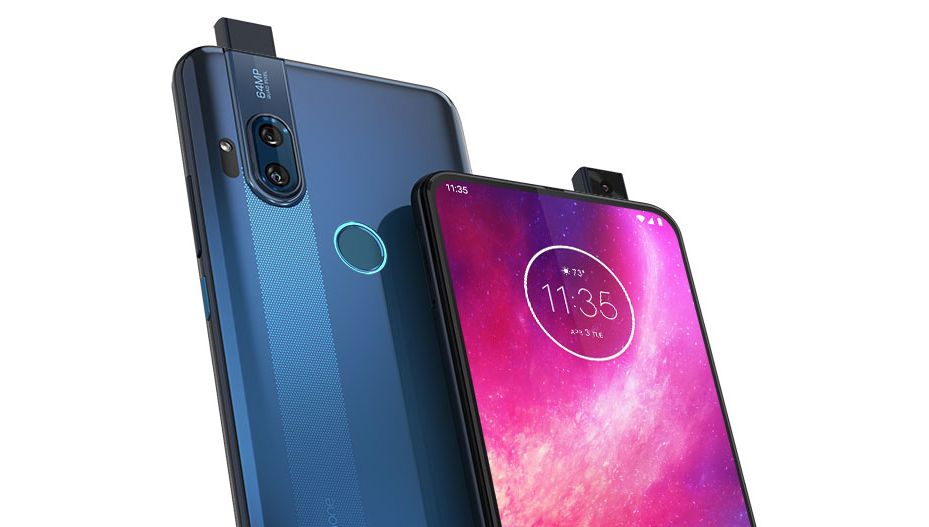
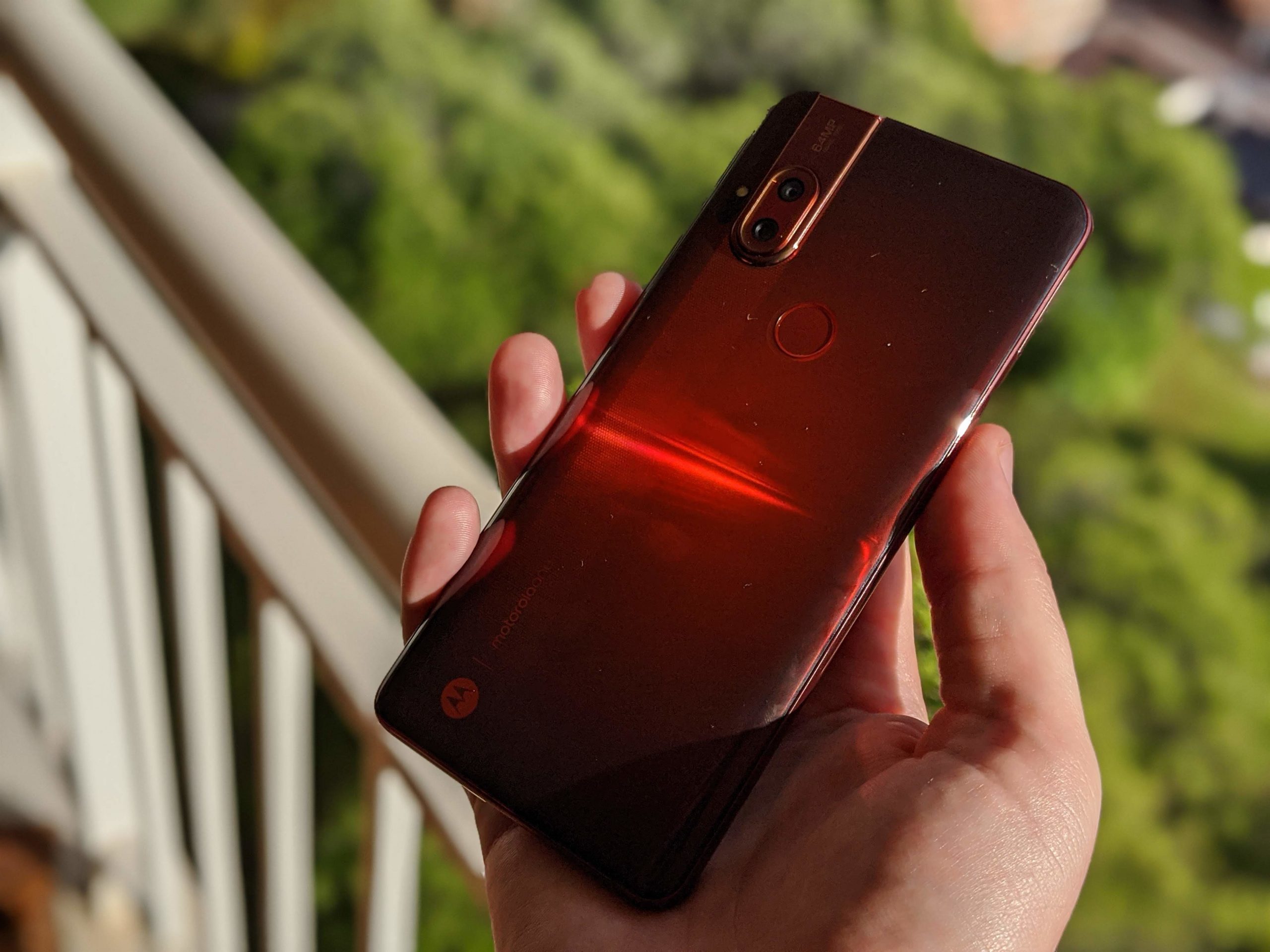
    You may have noticed that the Motorola One range of smartphones do focus a lot on the camera quality and specs. After Motorola One Zoom with its four rear cameras, we saw the Motorola One Action with its triple lenses. Now, the latest in the line is the Motorola One Hyper. The phone is marketed as a budget model. With regards to the camera, it only has two rear lenses. However, the main camera features 64-MP. As far as the 32-MP front camera is concerned, it only pops out when the user wants to click a selfie. With a unique design and some nice features, the phone is a good option to consider.

    Motorola One Hyper Design And Display

    The case that the Hyper uses is made of plastic, but looking at the price of the phone, it seems just right. The phone features a 3D curved design on the back of the phone and has a matte finish. Overall, the device looks pretty trendy and stylish. Despite the plastic case, the phone gives off an expensive look. While Motorola One didn’t come in any cheerful colours, you can expect more exciting colours in Hyper. One Hyper is expected to come in Deep Sea Blue, with the Dark Amber colour releasing later. In certain areas, including Europe and Latin America, users will be able to purchase the Fresh Orchid colour model.

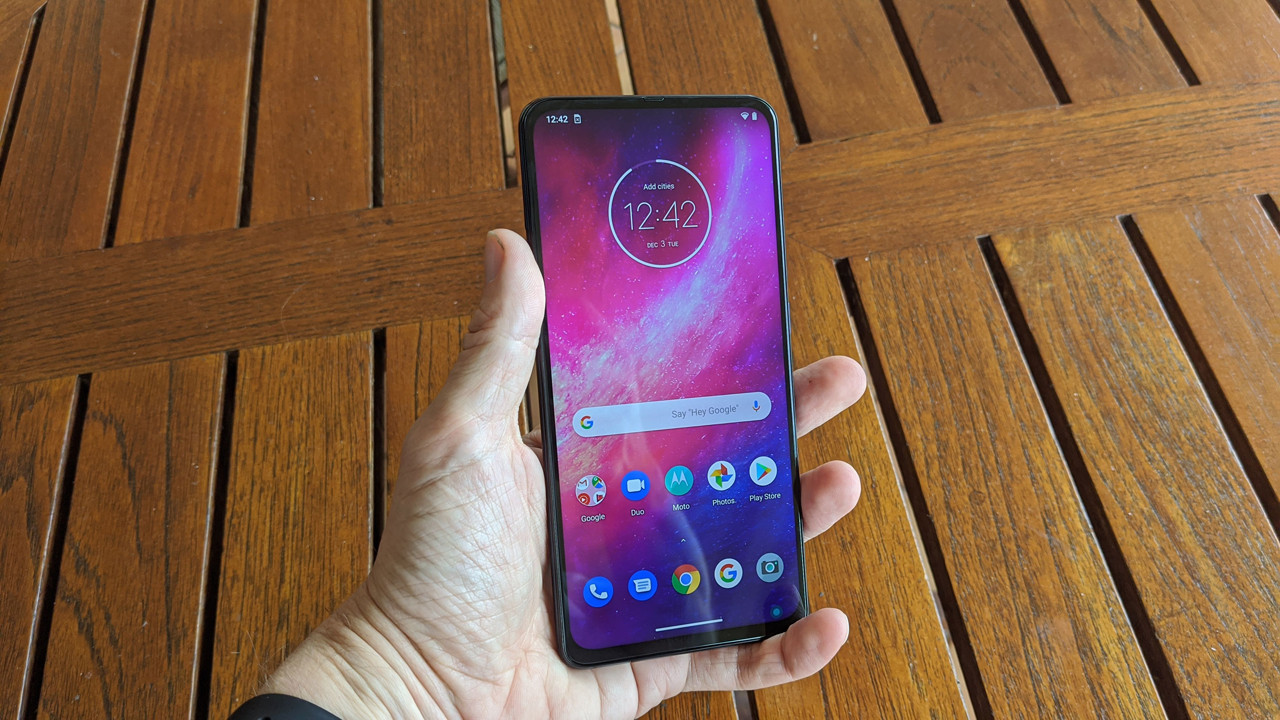
    Motorola One Hyper Display
    Motorola One Hyper Display

    The fingerprint sensor is located at the rear and comes with a light ring around it. This lets you know if you are low on battery, or if you have a call coming in, or any other notification. The light ring is completely customizable. You can choose to make it blink or stay on continuously and also be able to change its brightness. You will notice a headphone jack on the top while the USB-C port is located on the bottom. The phone is completely water repellent too. By this, Motorola means that although there is no IP rating for water resistance, it is sturdy enough to withstand a splash or two. Of course, there is no notch or a bezel since the front camera is a pop-out model. This also gives you more space on the screen. The pop-up camera allows the phone to have a free border around the display. This is being called as Total Vision by Motorola.


    Hardware

    The Motorola One Hyper is powered by Snapdragon 675. This is the same one that is used in its flagship Moto Z4 and Motorola One Zoom. The device has 128GB of built-in storage which users would be able to expand up to 1TB with a microSD card. The phone comes with a 4,000 mAh battery, so you can be sure that the device is going to last you at least a day. It supports up to 45W fast charging. However, do note that only an 18W charger comes in the box. Talking about software, the One Hyper will be shipped with Android 10.

    Motorola One Hyper Review
    Motorola One Hyper Review

    Camera Review

    One of the main features to stand out in this phone is its front pop-out camera. While it is not the first one of its kind, it is Motorola’s first attempt with such a design. Asus ZenFone 6 and even OnePlus 7 Pro boast of a similar camera model. You can easily launch the camera by tapping on the front-facing camera icon within the Camera app. Since the phone also supports gestures, you can use it to open the camera as well. Making a twist-to-capture gesture with the phone will lead the pop-up camera to spring up for selfies.

    Since the camera is designed to pop up in less than a second, you won’t have to wait too much. The camera popups with a mechanical noise, which many users seem to love. However, it is not actually due to any mechanics, it is simply audio set for it. If you are among those who find this disturbing, it can be switched off easily by visiting the settings menu. If you drop the phone, you will notice that the pop-up camera retracts automatically. The device’s accelerometer and gyroscope detect the fall and immediately retracts the camera to keep it safe.


    Rear Camera

    Regards the rear camera, the main camera is a 64-MP shooter which takes pictures of the utmost clarity and rich colours. With quad pixel-binning technology, the Motorola One Hyper cameras manage to combine four adjacent pixels into one, bringing better images. There is also a Night Vision mode for low light photography along with a laser autofocus feature for keeping images in focus. The phone also has shot optimization, allowing it to detect automatically when Night Vision should be applied. However, if you want, you would be able to enable it manually as well. According to Motorola, you will never to have to do anything manually since the camera has been specially designed to work automatically.

    Motorola One Hyper Camera
    Motorola One Hyper Camera

    In addition to the main 64-MP camera, there is an 8-MP wide-angle lens with a 118-degree field of view. This lets for about four times more scene capture, according to the company. The wide-angle lens can be enabled with a single click. How the camera will compare with Pixel 3a is something that is yet to be seen. However, this is one of the best camera phones in this price range.

    Verdict

    The company is selling the Hyper unlocked via its website. The phone will work on GSM-based cellular networks. This means AT&T and T-Mobile customers will have no trouble, but Verizon and Sprint customers are unlucky. On the brighter side, the display of the is quite large and it is very comfortable to use as well.

    It is very difficult for devices like Motorola One Hyper to make the news when the company is working on more exciting models like foldable phones, such as Motorola Razr. However, on this budget, the Hyper is truly an excellent release. The camera is an excellent addition, and this looks as if it could be a worthy rival to Pixel 3a, considering its relatively lower price.