Category: Smartphones

Smartphones how to guid

  • Google Pixel4 Does Not Work With Some USB Cables | Fans are Dismayed

    Google Pixel4 Does Not Work With Some USB Cables | Fans are Dismayed

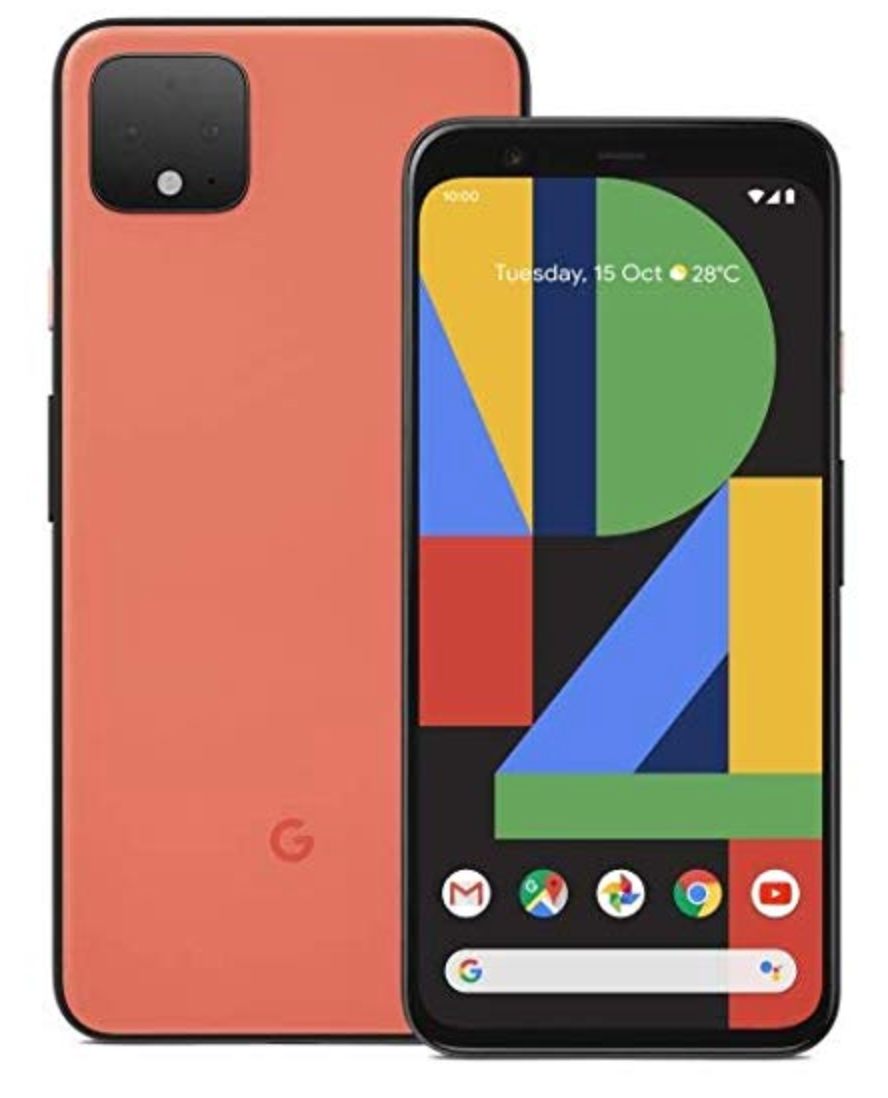
    While the Google Pixel4 brings its share of cutting edge features to the smartphone market, there is already a long list of things people dislike about the phone. The small battery capacity is something users are griping about. However, not being able to charge the phone with every charger makes matters worse. The charger itself isn’t what poses the problem – it’s the cable. The Pixel4 does not charge or transfer data with some third-party USB cables. The phone’s reliance on USB Power Delivery enables all USB-C to USB-C cables to work just fine. However, it’s the USB-C to USB-A cables that pose problems with the phone
    Google Pixel4 Side
    Google Pixel 4 Side

    What Is USB Power Delivery And Why It Matters

    Google’s Pixel range of smartphones relies on a technology called USB Power Delivery (PD) to charge the phones. You will find this technology in all of Google’s chargers. Since the tech is found on all of Google’s phones (the first Pixel too!), we know that all the phones in the series use the same technology to charge. However, the smartphone will not charge or transfer data when some specific cables are in use. The same wires work correctly with older devices like the Pixel 3. The technology works great and charges at about 15W. The Pixel4 charges fine with other charges that support USB Power Delivery (PD) over USB-C to USB-C connectors. Third-party USB PD products and older Pixel chargers work just as well.

    USB-C to USB-C works just fine. However, you will not be able to charge the Pixel4 with USB-A chargers. Quick Charge ports, power banks, and even the standard ports on your laptop or your PC will not work. However, swapping out to another cable may allow you to connect a Pixel 4 to these devices to charge it. If the cable has a purple identifier, it most certainly will not work with the Pixel4. The problem does not stop here.
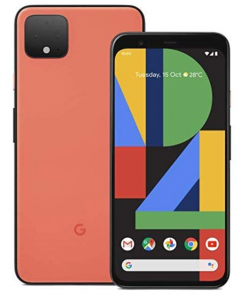
    Google Pixel4
    Google Pixel4

    Issue With USB Accessories

    The Pixel 4 does not work with USB-C to 3.5mm adapters from other companies. In particular, the USB-C to 3.5mm adapters from Huawei and OnePlus do not work. Considering that Google no longer includes an audio adapter in the box, it is irritating. The smartphone does work with the Pixel 3’s audio adapter. The phone does not work with any USB-C HDMI dongle, whereas phones from competing brands like Samsung and Huawei do. However, only a few phones support wired HDMI screen mirroring these days, and it is a rare feature to come by. Regardless, Google is stern about what it does and doesn’t support over a Pixel’s USB-C connector.

    Conclusion

    Along with its own products, Google is also attempting to dictate stricter terms regarding the design of the chargers and cables on its Android partners’ smartphones. It looks like Google wants all Android devices to support USB-PD. Regardless, while most cables will work with the it, there is a subset of cables that won’t. To ensure that your Pixel 4 works with your power bank, head to Google’s store and grab the official USB-C to USB-A cable.
     

  • Galaxy Note 10 Plus vs. Mi Note 10 | Which is Better?

    Galaxy Note 10 Plus vs. Mi Note 10 | Which is Better?

    The Mi Note 10 and the Galaxy Note 10 Plus are an odd match-up – comparing a decidedly mid-range phone with a full-fledged flagship does not seem fair. The similarity in their names has nothing to do with the reason we’re comparing the two phones. The upcoming Galaxy S20 will reportedly feature a 108MP primary camera as a part of a multi-module setup – which is a massive upgrade from the 12MP camera setup.

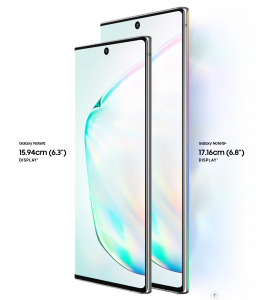
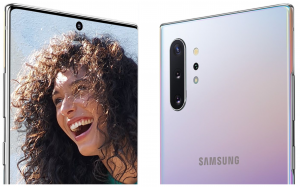
    Galaxy Note 10 Plus
    Galaxy Note 10 Plus

    A Quick Comparision

    Comparing the two phones will give us a clear picture of how much better the cameras on the S20 will be.  First things first, the 108MP camera is not nine times better than a 12MP one. Camera systems are complicated – and since the two cameras come from two different generations of sensors, a direct comparison of area, size, or megapixels is not practical. Regardless, getting the numbers out of the way will help.

    The 108MP sensor has roughly three times the area of the 12MP sensor. There are 2.25x more pixels on the Xiaomi Mi Note 10‘s camera. When you combine four adjacent pixels into one, the resulting pixel is about 30% larger than the average pixel on the Galaxy phone. Modern mobile camera systems boast not only stellar hardware, but they also make use of cleverly designed software. Multiple photos are stacked seamlessly in the background, which helps reduce noise, enhance dynamic range, and capture better night shots.

    Galaxy Note 10 Plus Display
    Galaxy Note 10 Plus Display

    You would guess that a photo by a 108MP camera would be much, much better than a photo captured by a 12MP camera that has been around for several years now. In general, yes, the pictures have more detail; however, the greater detail does not necessarily make the photos better. Let us first look into both the phone’s hardware before drawing any conclusions.

    Camera Hardware Overview

    Xiaomi’s Mi Note 10 is the first phone to come out with a 108MP primary camera. The camera sensor is an extension of a lineup that comprises of a widely used 48MP model, a 64MP model that’s getting increasingly more popular, and a robust 32MP model primarily utilized in front-facing camera applications. All of these sensors have different sizes, but they work on the same concept – they use a Quad Bayer filter array (and not the Bayer filter).

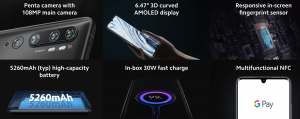
    Mi Note 10 Features
    Mi Note 10 Features

    The semantics of why it’s called ‘Quad’ are a bit murky; however, the essence of it is that the filter groups four neighbouring pixels under the same Red, Green or Blue colour filter. The grouping allows the four of them to capture the same primary colour at different exposures.

    In this way, a 48MP Quad Bayer sensor ends up capturing a 12MP image that has a better dynamic range, lesser noise, and a little extra detail that the conventional 12MP sensor would capture. Applying the same principles to the 108MP sensor in the Mi Note 10, we get a resultant 27MP image in the default camera mode. The hardware specifics of both the cameras are consequential to the images we capture from the two.

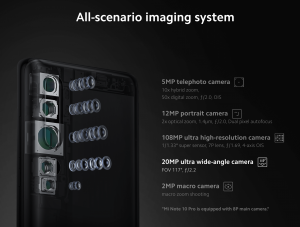
    Mi Note 10 Imaging
    Mi Note 10 Imaging

    Camera

    First up, the Mi Note 10’s primary camera sensor is adequately large – coming in at 1/1.33″, it is the largest camera sensor found on a phone’s camera in modern times. When you couple that with a bright f/1.7 aperture lens, the result is the thinnest depth of field on a phone camera. It can mean different things – either a nicely blurred background in portraits you shoot or a loss of sharpness in the scenes with varying depth. The loss of sharpness is particularly apparent with nearby subjects since the depth of field gets even shallower.

    On the other hand, the Galaxy Note 10 Plus features a dual aperture mechanism on its primary camera setup, and hence, can stop down to f/2.4 in a good light. In good lighting, you will get some extra sharpness and extra depth of field in the images you shoot, but the camera is capable of opening up to f/1.5 to gather more light (when the scene calls for it).

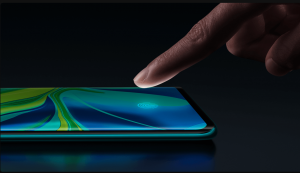
    Mi Fingerprint
    Mi Note 10 Fingerprint

    Even though it is a smaller sensor, it is no match the Mi Note 10’s light gathering capability. Technically, the Mi Note 10 should have the edge over the Galaxy phone, on the grounds of sensor size and optics rather than mere resolution. However, looking at the samples themselves before concluding makes it much more apparent why exactly the 108MP camera is better than the 12MP camera.

    Daylight Samples

    On comparing the daylight samples of both the phones, here are the differences you will notice:

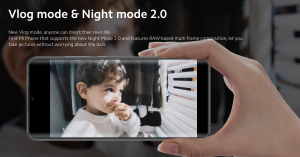
    • The Xiaomi phone has resolved the dotted pattern on the balcony blinds. Meanwhile, the Note 10+’s lower resolution camera combined with Samsung’s sharpening algorithms results in a ‘made-up’ rendition of the patterns.
    • All 12MP cameras fail at this in one way or another, so the revelation is not shocking by any means.
    • The Mi Note 10’s higher resolution benefits in this case.
    • There is also finer detail and crispness in the image captured by the Xiaomi phone – and you
      Mi Vlog and Night Mode
      Mi Note 10 Vlog and Night Mode

      will begin to notice some of the details the Samsung phone did not capture.

    • The Galaxy Note 10+’s rendition of random detail like the grass looks particularly artificial, while the Mi Note 10 captures a much more natural photo.
    • The Mi Note 10’s images could use post-processing tweaks, and a little sharpening and contrast/ adjustment will go a long way and bring some more pop in the photos.
    Galaxy Note 10 plus Imaging
    Galaxy Note 10 plus Imaging

    Verdict

    The Xiaomi Mi Note 10 offers meaningful resolution benefits over the Galaxy Note 10 Plus; however, the increase in detail is visible when viewing the images up close only. On the other hand, for social media sharing purposes and at standard magnifications, other aspects of the image’s quality take centre stage.

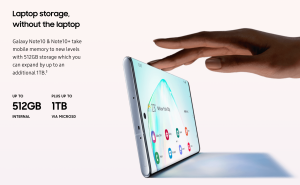
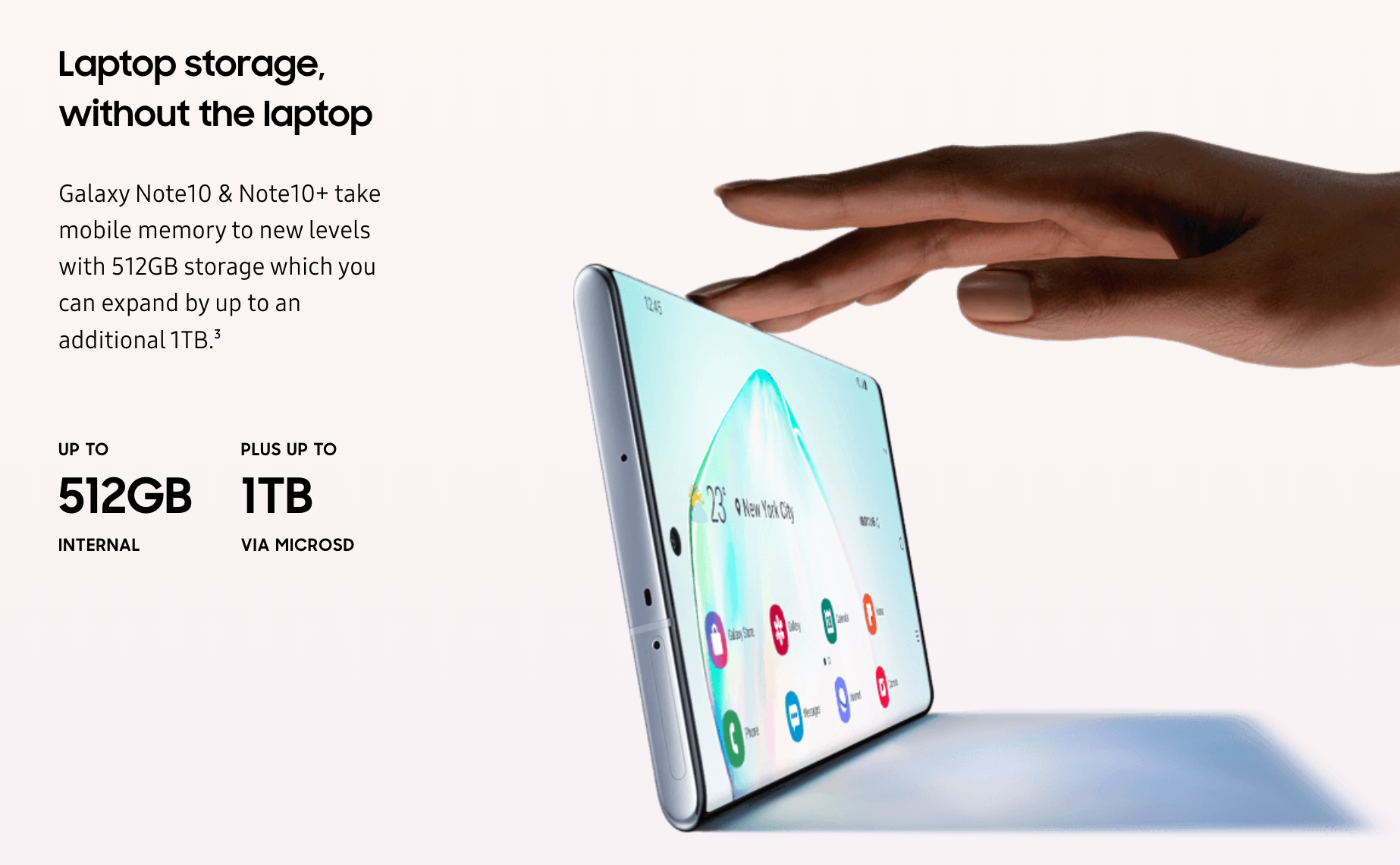
    Galaxy Storage
    Galaxy Note 10+ Storage

    These include colour renditions and HDR processing, which is where the lower resolution Galaxy Note 10 Plus still reigns supreme. The highly anticipated Galaxy S20 will likely feature a 108MP sensor, and it will be interesting to see how well Samsung uses the sensor to bring ultra-high resolution cameras to the mainstream smartphone market.

  • OnePlus Concept One Smartphone To Use ‘Invisible Camera’ Tech

    OnePlus Concept One Smartphone To Use ‘Invisible Camera’ Tech

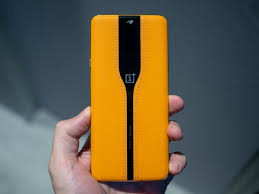
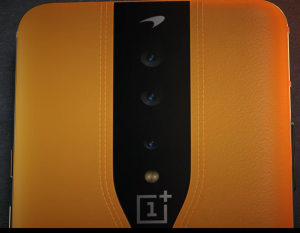
    The OnePlus Concept One impressed crowd with its ‘Invisible Camera’ technology at CES 2020. And the same tech is coming to a future OnePlus smartphone. Pete Lau, OnePlus’ CEO, confirmed this during a recent podcast with The Verge. Mr. Lau made his first-ever appearance on a podcast as a guest at The Verge. During the half-hour podcast, he confirmed that the OnePlus Concept One’s ‘Invisible Camera’ technology would come to a production smartphone in the future.

    He did not say exactly when, though, and no further details have been revealed. Mr. Lau did say that it will happen soon. In the same podcast, the CEO also confirmed that OnePlus doesn’t plan on releasing a foldable smartphone anytime soon.

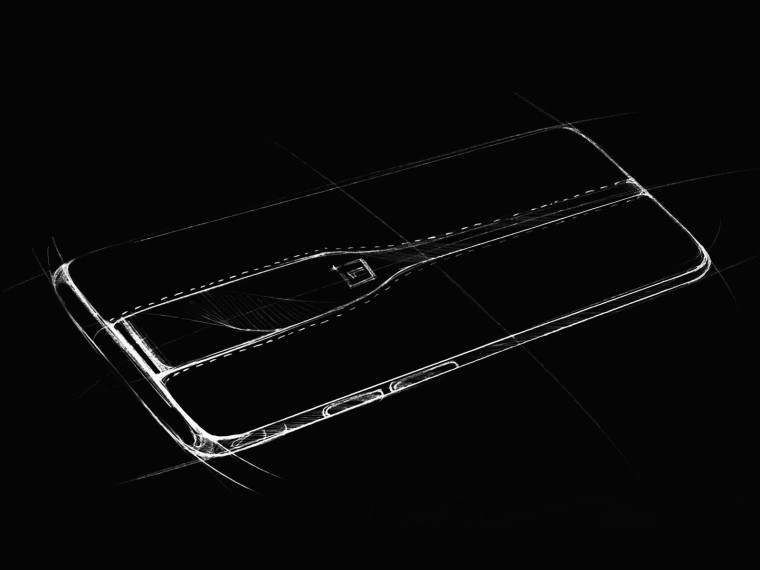
    OnePlus Invisible Camera
    OnePlus Invisible Camera

    OnePlus Concept One: Invisible Camera

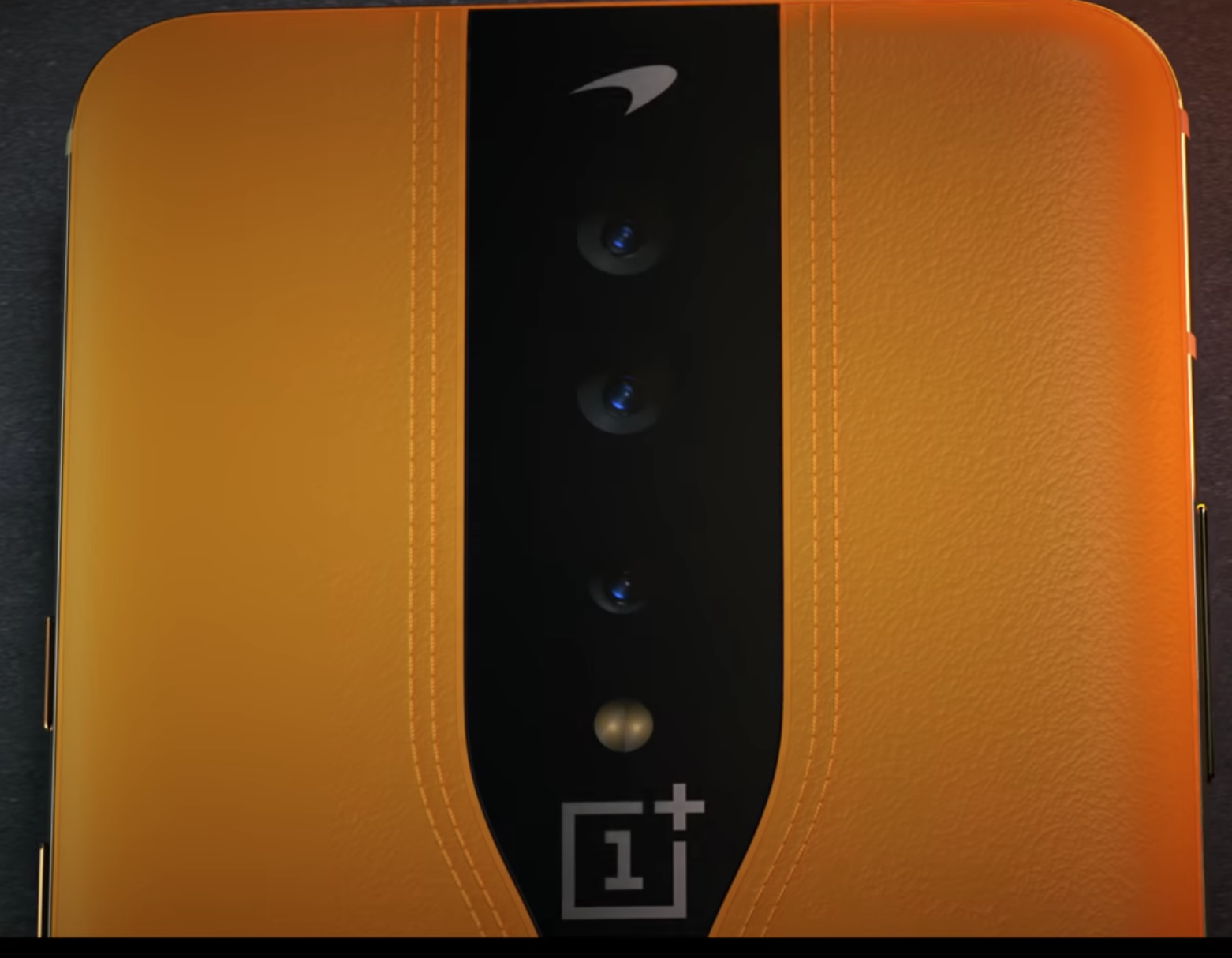
    Now, if you’ve been out of the loop, the ‘Invisible Camera’ technology is quite impressive. OnePlus implemented an electrochromic glass in the back panel of the OnePlus Concept One. This electrochromic glass turns opaque when a current passes through it. The glass turns opaque, causing the camera lenses behind the glass to disappear – giving the phone a modern and sleek look.

    Once you turn off the current by opening the Camera app, the glass becomes transparent, and the cameras work normally. The glass is not just a cosmetic feature since the lenses also use the glass as an ND filter. The ND filter can be activated via the Concept One’s ‘Pro mode’ option in the Camera app. The ND filter offers a ton of benefits. The filter enables you to have longer shutter speeds, which blocks excessive light from reaching the lens.

    OnePlus Concept One
    OnePlus Concept One

    ND filters are a technology that digital cameras on the market have been using for quite some time now. It is possible that OnePlus will release the Concept One smartphone at some point, and not create another phone as a whole. Mr. Lau did not clarify whether this will happen, or the tech will come packed in an entirely new phone. We can assume that the OnePlus 8 series phones will not come with the electrochromic glass. Nothing suggested that it will, at least till now. Plus, the Concept One wouldn’t have featured it if the were to come with the OnePlus 8 series.

    The OnePlus 8 series is expected to arrive in April or May of 2020. The company is expected to announce the series in May, although the phones may even come sooner than expected. If OnePlus sticks to the release cycle, the OnePlus 8 series will launch in May. However, since rumours and leaks have begun to circulate a lot earlier than before, the handsets could arrive in March or April. The OnePlus 8 series will have three phones – the OnePlus 8, the OnePlus 8 Pro, and the OnePlus 8 Lite.


  • Samsung Galaxy S20: News, Leaks, Release Date, Specs, and Galaxy S11 Rumours

    Samsung Galaxy S20: News, Leaks, Release Date, Specs, and Galaxy S11 Rumours

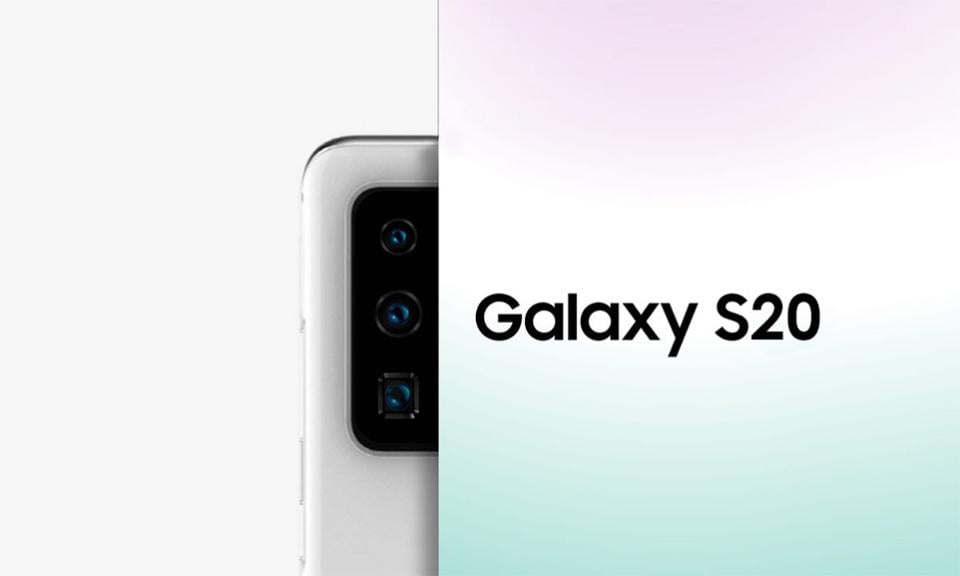
    Among all of Samsung’s Galaxy models, the S series has always been highly anticipated. While the S9 was a regular enough smartphone, the Galaxy S10 line-up brought something impressive into the market with its triple rear cameras and an Infinity-O design for the display. The series, in fact, even featured a budget model! In the next few months, Samsung will unveil the Galaxy S20. One thing that might confuse you and other users is the fact that the company is not going ahead with the Galaxy S11 name.

    Samsung Galaxy S20
    Samsung Galaxy S20

    What do we know so far?

    We do know that the Galaxy S20 is likely to have three versions. The model’s design has already been revealed – more on this later! And we also know that it isn’t going to be called the S11! On the downside, the phone is expected to be priced higher. Samsung is planning to announce it on February 11, 2019. Last year’s flagship, the Galaxy S10 could still be a worthy option after the S20’s specs are released. We are not sure how the S20, although certainly a flagship, is likely to compete with the S10 in terms of specs, price, and value. It is going to be a tough job to beat the S10’s super-fast performance, stunning triple rear cameras, and a great display.

    The Different S20 Models

    Most of the times in the past, Galaxy S series usually feature two releases with one regular model and another a Plus size variant. With S10, Samsung decided to do something outside the norm and released a third option, the S10e, touted to be a budget variant. Maybe the S20 will follow a similar pattern of release.

    Samsung Galaxy S20 Plus
    Samsung Galaxy S20 Plus

    A couple of months back, Evan Blass, a popular tipster, shared three screen sizes for the different S20 variants. This includes a 6.4-inch, a 6.7-inch, and a 6.9-inch model. The following month, reports emerged that Samsung will no longer be manufacturing ‘e’ variants of its smartphones in 2020. Instead, the company is planning to release a regular version, a Plus model, and an Ultra variant. Basically, this means that we can look forward to seeing Galaxy S20, S20+, and S20 Ultra 5G in the market quite soon.

    S20 Design and More

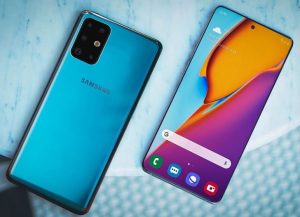
    The Samsung Galaxy S20 is a bit different from the popular S10. The display will feature a punch-hole camera, located at the centre of the screen. This is pretty similar to the Note 10 model. With regards to the rear camera setup, the S20 will feature a vertical setting into of the horizontal one that we are used to. The phone has three camera sensors. The S20 Plus and S20 Ultra variants are known to have more. The S20+ is similar in design with the same punch-hole camera at the centre. At the back, we see an addition camera which could be a time-of-flight sensor. Coming to the S20 Ultra, the design stays the same, but the screen size is 6.9-inches. The rear camera features Samsung’s “100X Space Zoom” branding.

    Among one of the first 2020 flagships, it is yet to be seen how it works out.

  • Infinix S5 Lite: Complete Review and Detailed Specs

    Infinix S5 Lite: Complete Review and Detailed Specs

    There is an evergreen high-demand for budget smartphones and therefore, manufacturers are putting their best efforts to conquer this market. In this article, I am going to drop an absolutely detailed review of the newly launched budget segment smartphone— Infinix S5 Lite. According to our sources, there is a wide range of audiences searching for a complete Infinix S5 Lite Review to know the reality of various features offered by the brand.

    Infinix S5 Lite
    Infinix S5 Lite

    If you are looking for a budget segment phone and confused between so many potential choices, then refer to this comprehensive article and get everything cleared. Before moving further, know your needs/requirements and then check if it satisfies all your requirements or not. Let us not waste any more of our time in the introduction and move further to the main subject.

    Infinix S5 Lite Review

    I have covered all the aspects (design, performance, and other features) to help you understand the offering of Infinix S5 Lite. There might be some aspects that did not attract our attention, so if you have any doubts regarding anything, then feel free to comment below.

    Design

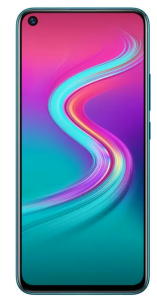
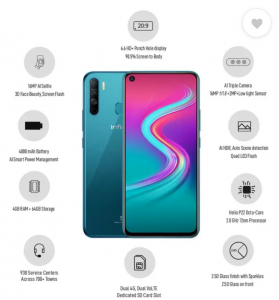
    It is impossible to resist the punch hole body design of Infinix S5 Lite, and that is one of the factors that appeal to the mid-segment users. The front camera is situated at the top left corner, which is rare & astounding because the centre notch is now too common. The design of S5 Lite is similar to Infinix S5 to an extent where a regular person cannot differentiate between the two. 6.6-inch screen size & display resolution of 1600 x 720 pixels with HD+ blows all the other competitors.

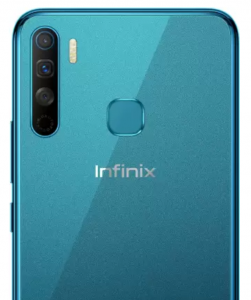
    You are not getting any light sensor to determine notification or charge status, which is sure trouble for the users. Although the height of the unit is comparatively more, a user can access the volume (-/+) buttons easily. Contrary to the volume controls, the Nano SIM tray is located on the left and drops a bright shine on the edges of the unit. The backspace has a triple camera with a flash that looks fantastic on matt colour, and besides it, you get a broad fingerprint sensor.

    Performance

    Performance is the most crucial aspect to almost all smartphone users because body design is not just enough for anyone. After using this smartphone for a week, I can say that it does not lack any performance bid.

    Infinix S5 Lite Overview
    S5 Lite Overview

    It has adapted the Android 9 Pie fantastically that drops smooth touch & delivers a premium experience to the user. This model has a 2GHz octa-core MediaTek Helio P22 (MT6762) processor and 4GB of RAM that lets the processor functions at all levels quickly. The fingerprint & face unlock as fast as a flash, and the load time is superbly less for regular applications.

    Applications with big databases took more time to load compared to the other regular apps. Games like PUBG & Fortnite were smooth but only at low-level graphics. Playing games on low-level graphics might not be premium, but it eventually saves a lot of battery consumption. For me, 4000mAh battery is a two-day dose, and I do not need to worry about battery life because of it. Considering everything, Infinix S5 Lite delivers an astounding experience on the aspect of performance.

    Other Features Of Infinix S5 Lite

    Infinix S5 Lite does not offer many unique features because all the competitive models are putting everything that is possible. I will summarize everything good that I got from this phone.

    Camera

    Infinix S5 Lite features a triple rear camera of 16MP x 2MP that also has a low light sensor, which brightens the picture even in low light. The front camera features 16 megapixels and captures the natural tone of the skin. At this value, it is impossible to find these amusing camera quality in the mainstream market.

    Infinix S5 Lite Camera
    Infinix S5 Lite Camera
    Storage

    The phone is available at an unbelievable price and has a single variant only that offers 64GB of in-built ROM. The storage capacity is expandable to 256GB by inserting an external SD-card.

    Note: We recommend not pushing the storage unnecessary because high storage capacity slows down the performance of the unit.

    Petty Information

    It offers a dual SIM tray that supports Nano card and features 3.5mm headphone jack for pervasive connection. The display aspect ratio is 90.5% to the whole body structure that drops enough space for the user to experience HD+ videos on the IPS display.

    Conclusion

    Infinix S5 Lite is killing the competition by offering so much at an affordable & economic value. I have mentioned almost everything about the handset, and therefore, you do not require any other Infinix S5 Lite review.

    The mid or budget segment of smartphones are highly in demand because the economy of our country is already down, and 65% of the wealth is held by 1% of the people. Therefore, companies are devoting more time to improving the budget segment of smartphones.

    Today, I described everything about the recently launched Infinix S5 Lite (a super budget smartphone.) Undoubtedly, you can try your hands on it if you are on a tight budget by demand a durable & futuristic phone. Also, share this piece of information with your friends who are looking to buy mid-segment smartphones.

  • MediaTek Says: High Power Gaming Chips on Cheaper Phones

    MediaTek Says: High Power Gaming Chips on Cheaper Phones

    We know that when it comes to gaming smartphones, the prices are somewhere higher than we expect. It usually depends upon the brand we are going to purchase and the processor of gaming chipset. However, if you are looking for something cheaper, then I might suggest you wait for the new gaming chipset by MediaTek which is being planned to be made available even on the lower and less expensive smartphone models.

    The gaming branded chipsets have become a thing in the few years, and this could be a modern requirement in the upcoming years. We should thank the Qualcomm Snapdragon 730G and MediaTek Helio G90T. It is because both of the processors target the mid-range to upper range smartphone these days. But it looks like MediaTek is even planning something big and cheaper to bring all-new chipset for the lower and less expensive priced smartphone models.

    MediaTek
    MediaTek

    The new chipset will be below the G90 series in terms of capability but not too much said by Yenchi Lee from MediaTek to Android Authority. The company yet has not disclosed any specifications related to this announcement. Hopefully, it will not make any significant difference in terms of performance.

    However, the leak points often report that the new chipset from the MediaTek will be running on octa-core CPU design (two Cortex-A75 and six Cortex-A55) and a Mali-G52 MC2 GPU.

    GPU Updates and Tri-cluster Tech

    The company also pioneered the Triple power domain CPU, which is currently in the trend and available in most of the flagship’s chipsets models. It mainly divides the CPU cores into the big, medium, and small cores. However, we have not seen this in Density 1000 or 800 models, though, but according to the reports, MediaTek won’t be giving up on this technology.

    The lee said, “We will continue using the triple CPU technology, and that will be available to see in the latest release.

    If we look at the Qualcomm, then it does deliver very cool features in its latest released processors of Snapdragon 865, and 765, and the reports show that using the chipsets, the user does not need to wait for the system update for updating graphics drivers.

    It is because the Google Play store itself could do the update. This question has also been raised during the recent event to Lee from MediaTek. Lee said, “We will try to achieve this in future, and we don’t have any timeline or surety that it would be available in near upcoming 2020”.

    The latest chipset from the MediaTek would be called Helios G70, and it will be available in the cheaper smartphones under the 200$ budget from the first half of 2020.

  • OnePlus 8 Series Challenges Galaxy S20 with patent 120Hz Fluid Display

    OnePlus 8 Series Challenges Galaxy S20 with patent 120Hz Fluid Display

    OnePlus is currently competing with every smartphone brand, and on the recent announcement, OnePlus revealed the new specifications and features for its display technology on the event held in Shenzhen, China. The company has developed a new QHD+ OLED display with a 120Hz refresh rate that will debut in the next OnePlus 8 series.

    The use of a 120Hz display is only to fast the display refresh rate. The content on the screen is now refreshed 120 times per second. This makes a smoother playback and also the overall OS fluid experience. To be an instance, we have previously seen the 120Hz display on the phones like Asus ROG Phone 2 and Razer Phone 2.

    OnePlus 120Hz Fluid Display specs

    According to the sources and information that is trending on twitter and other websites like Weibo. The display of the OnePlus 8 series will feature a 10-bit colour depth. It means the 120Hz screen will be able to produce a palette of 1.07 billion colours, and this can be opposed to the 8-bit panel, which can display 16.7 million colours.

    The recent report from the verge that OnePlus brand works with the Samsung company to develop the new and better display among other models. The publications also report that the company has worked for improving the gestures and other features of the Android.

    OnePlus 8
    OnePlus 8 Series

    Additionally, the company aims to have 0.8 JNCD (Just Noticeable Color Differences) ratings for every display it produces. JNCD is a measurement of the bare minimum colours that a human eye can spot. If I make a comparison with Samsung Galaxy Note 10 Plus, then It has a JNCD rating of 0.4, which is near to perfect.

    The recent machine translation of the company’s presentation slides suggests that the new display of the OnePlus 8 series will use a dedicated MEMC (Motion Estimation and Motion Compensation) chip. This is the technology usually available in the televisions only. Basically, it inserts the new frames between the existing video to increase the motion blur.

    The latest MEMC technology in OnePlus series can upscale the low frame rate videos and make it smoother and even better using a 120 frame rate per second. If this exactly works as intended, then this could be a massive achievement in the gaming industry.

    Further, It has a touch sample rate of 240Hz and can apparently hit 1000 nits peak brightness. The smooth chain technology often optimizes it. The details are scarce at the moment, and we should thank the official information that is only available in Chinese.

    Will the OnePlus 8 get a 120Hz Display?

    CEO Pete Lau confirmed that the company’s next phone would feature the new display tech and probably the best display phone for the year 2020. It would be best if you also remembered that Samsung is also planning to launch its new S20 series with a 120Hz display.

    We can only hope the new display rate would be optimized through the current battery consumption and should be able to provide a good backup. OnePlus is soon expected to detail its tech and other specifications of its new display, and we will let you know quickly as possible as soon we will get the latest.

  • Samsung Galaxy XCover Pro Launch Discloses Removable Batteries & More Control

    Samsung Galaxy XCover Pro Launch Discloses Removable Batteries & More Control

    Samsung has officially announced that it is bringing its latest smartphone: Samsung Galaxy XCover Pro along with removable batteries to the US in a partnership with Verizon and Microsoft. Removable batteries were a thing of the past and have been seldom seen in models in the last decade and their relaunch may open a can of worms full of good or bad news!

    Samsung says, “Microsoft is the first company and the partner to leverage the push-to-talk feature in their latest smartphone.” This Sunday, the company has disclosed the information that the new mid-range smartphone will be available in the market during the first half of 2020, and It will cost something near about 499$, the company said.

    Samsung Galaxy XCover Pro
    Samsung Galaxy XCover Pro

    Samsung Galaxy XCover Pro

    The latest smartphone from the Samsung is not yet designed to rival the flagships models like the S10, S10+, and the Note 10 series of Samsung. It is primarily made for the enterprise market, including the retail, manufacturing, and also, the health care industries.

    The company also claims to sell this smartphone to the individual customers – According to Tech Crunch.

    Samsung Galaxy XCover Pro Specifications

    Unlike the past XCover series of Samsung. The company decided to make XCover pro more fluent and according to the modern-day design. It gets a 6.3 Inch LCD along with a 20:9 ratio. The screen can also be operated using the wet hands and with the gloves as well.

    The latest smartphone from Samsung will run on it’s latest Samsung’s octa-core Exynos 9611 silicon processor. Additionally, 4GB ram along with 64GB inbuilt storage. It also gets a 4050 Mah battery with 15W charging.

    The new Samsung XCover Pro also gets the dual primary camera setup that includes a 25MP wide lens and 8MP ultra-wide lens. You will also be getting a 13MP lens on the front camera for more explicit selfies.

    The only difference in this smartphone is that it comes with a removable battery option, unlike the other smartphones or Samsung series. It also has IP68 water and dust resistance that is powered by US military standard certification (MIL-STD-810) for more durability – Samsung said.

    The new Samsung Galaxy XCover pro also has the new two programmable buttons apart from the volume and power button. The two programmable buttons is mainly for the voiceover and also to turn the flashlight on or off.


    The phone is currently running on the Android 10 program, and that is eventually on the testing series. The report said that the smartphone would be eligible for the latest Android 10 update as the security part is ideally handheld by the Samsung Knox program.

    Microsoft and Samsung have a deep history of developing better software and hardware smartphone togeather. This statement has been said by Satya Nadella, chief executive at Microsoft, during the recent announcement on Sunday. The powerful combination and the partnership of Microsoft Teams and Samsung engineers will make perfect technology, and they only have to more productive and collaborative.

  • Samsung Galaxy A50 Review

    Samsung Galaxy A50 Review

    Samsung launched as many as nine Galaxy phones last year. This includes the Galaxy A50, Note 10 and Note 10 Plus, along with the Galaxy S10, S10 Plus, S10E, S10 5G and the Galaxy Fold. Out of them all, the A50 device seems to be the most affordable one. It is a great competitor to the Motorola Moto G7 model which is an all-time favourite budget phone. While the A50 cannot shoot 4K videos, it does offer an excellent camera, a long battery life, and a trendy design. While the A50 can obviously not compare with the flagship Galaxy S phones like the Galaxy S10 and S10+, it is actually great if you consider it on its own merits.

    Design and Display

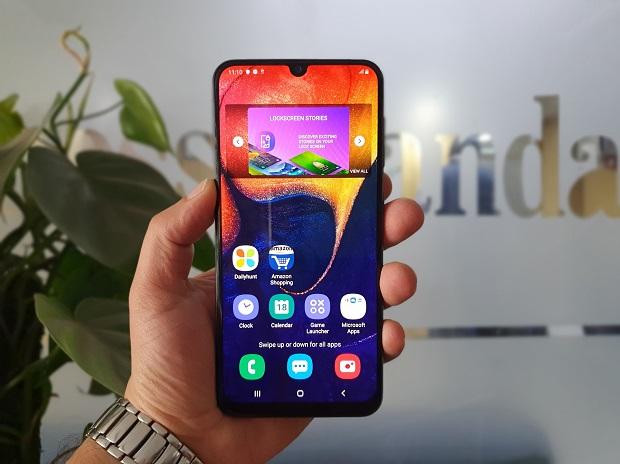
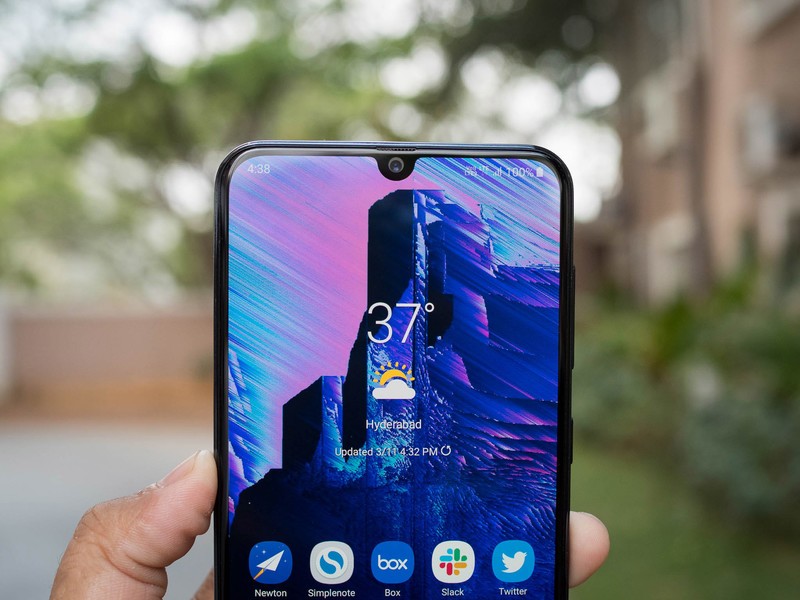
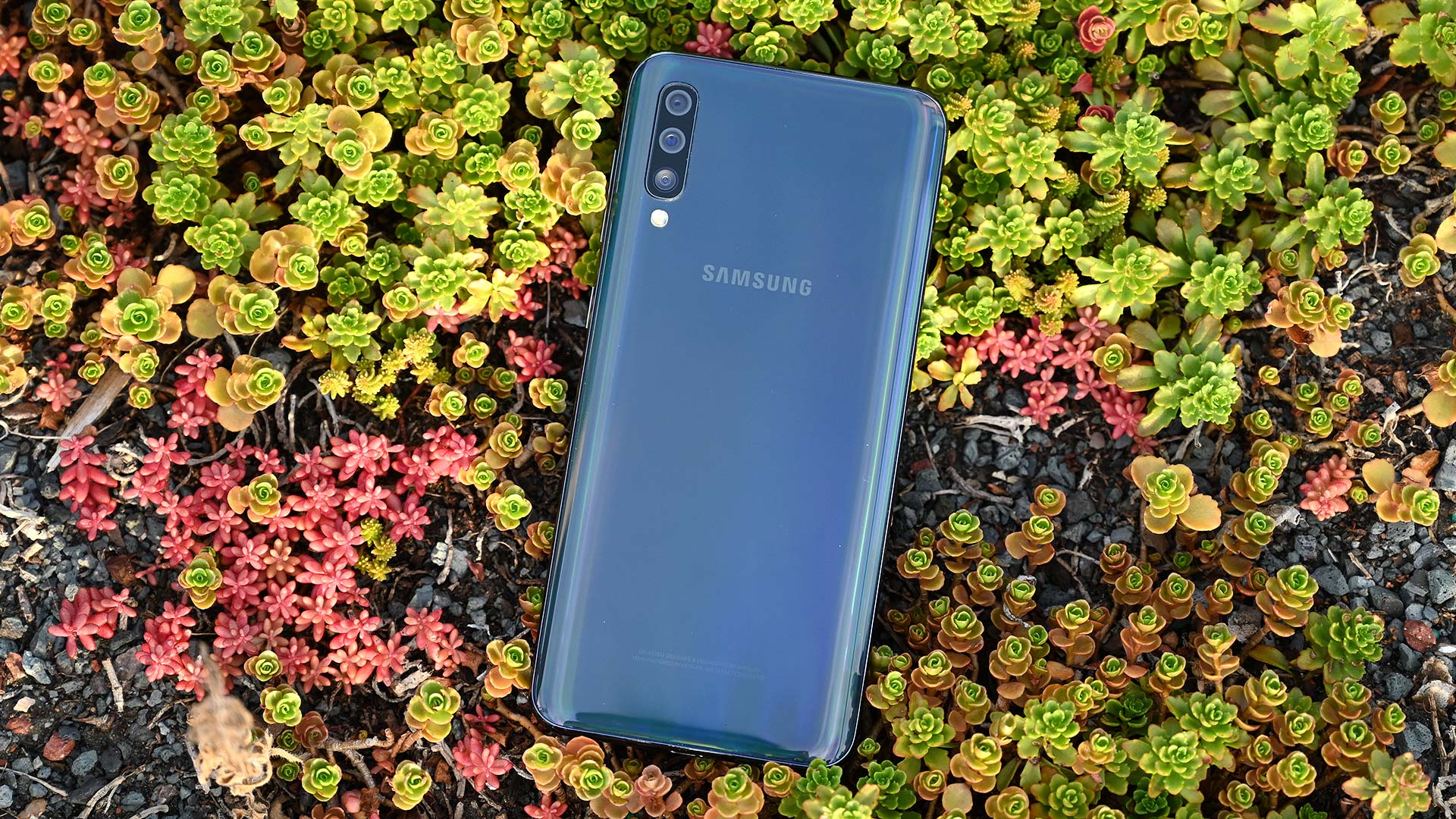
    The Galaxy A50 features a sleek design. The rear supports a flatter camera, thanks to which you will not have any noticeable bump. The phone comes with an on-screen camera notch for the front-facing camera. It is considerably smaller making less obstructive when you are using the device. The A50 has an in-screen fingerprint scanner, which means no outwards scanner, leading to a seamless look. The design of the Galaxy A50 is quite perfect, but it doesn’t come with water protection if that sort of thing is important to you. The Galaxy A50 has an AMOLED display. The screen is reported to be brighter, featuring rich colours and more details. The colour shift is not very severe with the A50 which means the screen will not appear dimmer at particular angles.

    Samsung Galaxy A50 Review
    Samsung Galaxy A50 Review

    A Quick Look at the Specs

    The Samsung Galaxy A50 has an in-display fingerprint reader, but no water-resistance or stereo speakers. Designed as a budget smartphone, the A50 has all the features necessary to capture this market. Besides the must-have features, it also has a couple of things that most phones in this range don’t have. This includes the in-display fingerprint reader and the dual rear cameras. Look-wise, the Galaxy A50 looks pretty similar to Motorola’s G7 model. Both phones are known to have a selfie camera that nestles at the central notch. The screen has a bezel-less and rounded display.

    The A50 is especially known for its slim bezels, slimmer chin, and a 6.4-inch 2340 x 1080 OLED screen. This means that the A50 has a larger screen featuring colourful and brighter content. The phone comes with microSD card slots for expandable storage and headphone jacks. With regards to the material used here, it is mainly plastic. However, Samsung calls it glasstic, since it looks and feels like glass, but is, in fact, plastic.

    The Galaxy A50 has mono speakers, which offer decent quality audio. While the in-screen fingerprint sensor could do with an update, the phone comes with plenty of awesome specs. The issue with the fingerprint sensor is that it is not very accurate, although the company deserves credit for adding it even in a budget phone like this. An improvement update for the fingerprint sensor would be an excellent upgrade.

    Samsung Galaxy A50
    Samsung Galaxy A50

    Performance and Battery

    With regards to performance, the Galaxy A50 has a 64GB of internal storage. It is expandable up to 512GB using a MicroSD card. While it doesn’t feature wireless charging, it does come with fast charging capabilities. The phone will be powered by Samsung’s own Exynos 9610 processor. There is not a lot of difference between this and the Snapdragon 600 series chips. The phone has a 4GB RAM which is enough to give it stable performance, even if it is not particularly swift. The Exynos 9610 can easily handle lightweight tasks including multitasking and switching between apps. The device runs on Samsung’s Android Pie-based One UI.

    The OS features gesture navigation, a nice UI, and of course, better speed and optimization. You might like to see the live icons for the Clock and Calendar icons and mess around with the dark mode as well. However, these are still not as great upgrades as better speed. Thanks to this, the graphics and animations load fast and hardly feel like its loading. The gesture navigation takes no time either. These are great additions for a device at this price. Coming to the battery, the Samsung Galaxy A50 will have a 4,000mAh battery which is large enough to accommodate a day’s use and more. You can improve its capacity by making use of One UI’s adaptive power saving. The phone also has 15W fast charging capabilities so charging it is no issue either.

    Camera Review

    The Galaxy A50 features a nice enough camera for this price range. As discussed earlier, the camera bump on the A50 is less prominent when compared to other models. If you don’t mind losing out on 4K video, you might actually enjoy using the higher-quality A50 camera. In an ideal situation, the camera can take clear, bright, and detailed images. Sharper pictures point out other details in the fine print. Even in low light, the camera tends to pick out the details and brighten up the colours. Most phones in this range have a camera that produces hazy photos in low light surroundings.

    Samsung Galaxy A50 Camera
    Samsung Galaxy A50 Camera

    The A50 has a wider dynamic range as well. While the HDR effect may look unrealistic at times, it is not really that bad. The smartphone also comes with a second wide-angle camera that works out well for capturing landscapes and scenery. The consistent camera quality of the smartphone offers colour saturation, better sharpness, and excellent low-light performance. Unfortunately, the A50 doesn’t have a dedicated night mode which makes the night images taken on this phone not as great as the others.

    Verdict

    The Galaxy A50 is a wonderful budget flagship by Samsung. Besides the fingerprint scanner that could do with some improvement, there is very little that the lacks. With a huge battery, a competent camera, and decent performance, the A50 is a perfect budget model. If you are looking for phones that can last you through the day as you click superior photos, this is the one for you.

  • Huawei 5G Smartphones: Sold Over 6.9 Million In 2019

    Huawei 5G Smartphones: Sold Over 6.9 Million In 2019

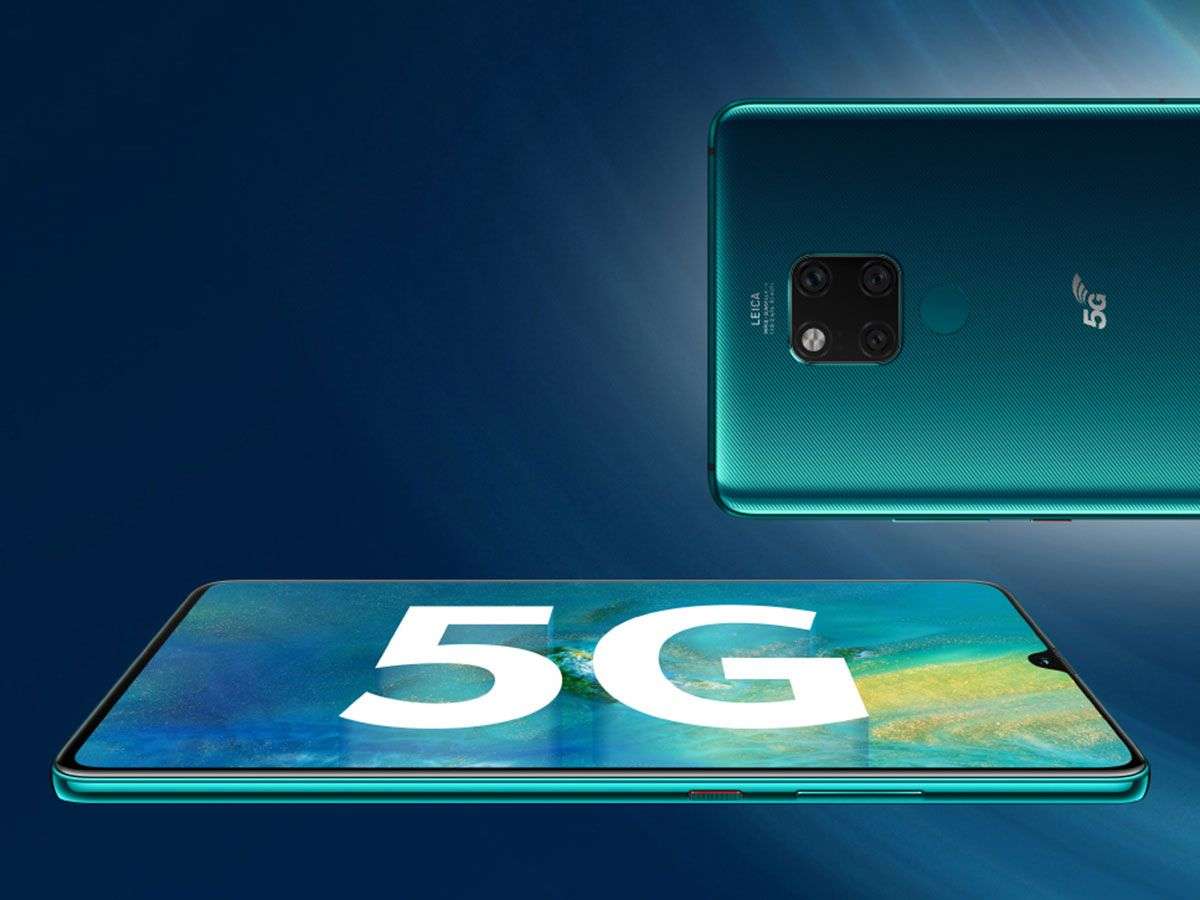
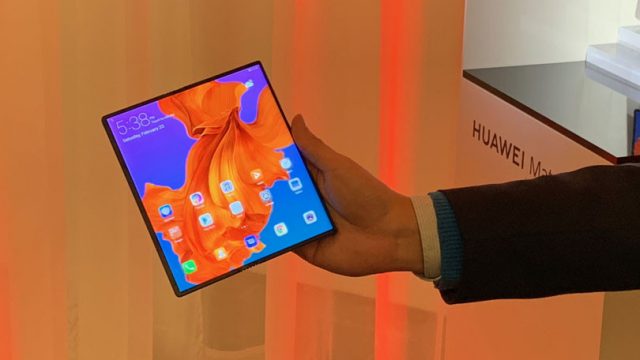
    Huawei recently announced that it had managed to sell nearly 6.9 million 5G smartphones in the last year alone. This figure includes HONOR’s devices as well. In comparison with other OEMs, Huawei announced more 5G smartphones in 2019 than anyone else. For instance, some of them include Mate 30 5G, Mate 20 X 5G, Mate X 5G, Nova 6 5G, and of course, the HONOR V30 5G series. The Chinese manufacturing company shared information regarding this. It looks like a large percentage of the 5G devices manufactured by the company was sold within China itself.

    Huawei Mate X 5G
    Huawei Mate X 5G

    Having control of about 25.8% of the market in China, Huawei and HONOR are leading the industry. Huawei, on its own, claims about 15.4% of the smartphone market. While HONOR has not yet quite caught up with Huawei, it does boast of a 10.5% market share. It is interesting to note this since HONOR is Huawei’s sub-brand, even if it working as a separate entity right now. With regard to the smartphone market, China has the largest one across the globe. While India’s smartphone market grew in leaps and bounds last year, it has still to catch up with China. While 2019 introduced 5G to the world, 2020 is the year of spreading this tech. Huawei plans to ship more 5G devices than the last year. As of now, Huawei sells six 5G phones under its name and two more under HONOR.

    Sale of 6.9 million 5G handsets

    It is stunning that Huawei managed to sell about 6.9 million 5G devices in 2019 alone, especially considering the fact that we have simply not seen that many 5G phones on the market. It looks like 2020 is heading a completely different direction more OEMs than ever are working to release 5G smartphones and more. While 5G has been introduced to the world successfully and it has been accepted equally enthusiastically by the users, the rollout is quite slow. This means that it will take about a couple of years for the entire world to truly run on 5G. On the other hand, 4G is the standard across the globe. While we are sure that 5G will phase out 4G when the time comes, when will it come?

    Huawei 5G
    Huawei 5G

    Overall, Huawei sold about 240 million smartphones last year, of which only about 6.9 million were 5G devices. The impressive fact here is that the company managed to sell these many devices despite the US ban. For comparison, Huawei sold about 206 million smartphones in 2018. This means that with the US ban, the sells only increased for the Chinese giant. Although the US ban is still in place, Huawei is not backing off. IN fact, the company has been working on HMS or its own set of apps since Google’s services cannot be made available on its phones. Although the work has been going ahead perfectly, there is still time before this can be achieved. One of the major challenges faced by Huawei is to replace the Google Play Store. We are yet to see what Huawei is planning for this.