Author: Adam Taylor

  • TikTok Campaign Against Violence by UN Women Gets 890 Million Views

    TikTok Campaign Against Violence by UN Women Gets 890 Million Views

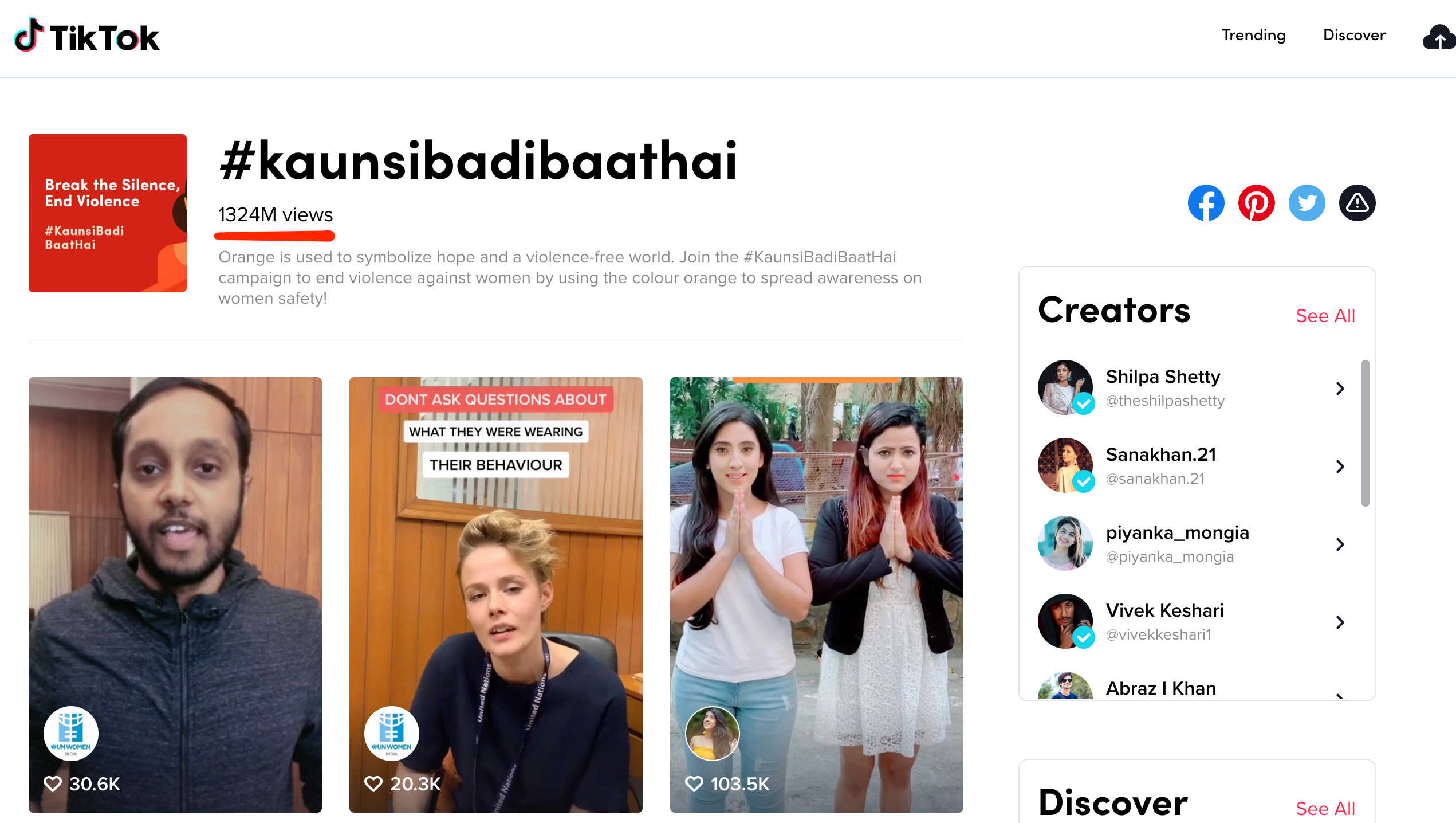
    TikTok, the short video app from Chinese company ByteDance, once faced a ban in India. Now, a new campaign on TikTok initiated by UN Women has gone viral. A campaign on short clip app TikTok to raise awareness about women’s safety issues in India has pulled more than 887 million views. The #KaunsiBadiBaatHai campaign is a part of a larger initiative by UN Women called “Orange the World.” The initiative marks 16 days of activism against gender-based violence. “Kaunsi Badi Baat Hai” translates to  “What’s the big deal.”

    The campaign began on November 25, which is the International Day for the Elimination of Violence against Women, and continued until the International Day of Human Rights, which is on December 10. The in-app campaign encourages all users to show their support by undertaking the #KaunsiBadiBaatHai “Rap for Change” challenge. Users can also show their support by sporting shades of orange in their videos. Orange is the signature colour of the campaign, and it symbolizes the elimination of violence against women.
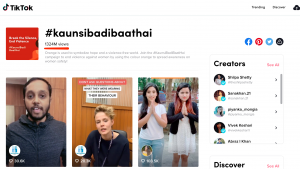
    UN Women’s TikTok Campaign Against Violence
    UN Women’s TikTok Campaign Against Violence

    Kaunsi Badi Baat Hai

    The campaign’s signature rap “Kaunsi Badi Baat Hai” was written and performed by 16-year-old Abbas Ali and produced by Aditya Shekhawat. The track is available as a background track for user’s videos. The song poses questions against existing socio-cultural norms and highlights instances of violence against women. Nitin Saluja, the director of public policy at TikTok India, says that it’s TikTok’s mission to inspire and enrich people’s lives and give them an outlet to express themselves.

    The deputy country representative of UN Women, Nishtha Satyam, stated that UN Women is committed to making India safer for women and young girls, and that violence against women has real consequences and costs. Through UN Women’s partnership with TikTok, the initiative hopes to raise awareness and unite people to break the silence around violence. TikTok users uploaded videos demonstrating both negative and positive instances of men interacting with women under the hashtag. Many users called for more respect for women in their posts.

    TikTok’s Popularity

    The top post using the hashtag by user @shifazsiddiqui5 featured a man apologizing to a woman after accidentally kicking her while getting off a bike. The post garnered 3.6 million likes. TikTok is widely regarded as the first Chinese social media app to achieve international success. The app has been downloaded over 176 million times in the third quarter of 2019 alone, making it the second most downloaded app worldwide.

    In India, the video-sharing app ranks second on the Google Play Store charts and fifth on the Apple App Store. India makes up for roughly 45% of the total downloads – the app has been downloaded 277.6 million times as of November 2019. In July 2019, TikTok said that the company was in the process of setting up a data centre in India to comply with the demands of Indian authorities after they raised concerns over user privacy and content regulation.

  • US Legislation To Fund Huawei 5G Alternative

    US Legislation To Fund Huawei 5G Alternative

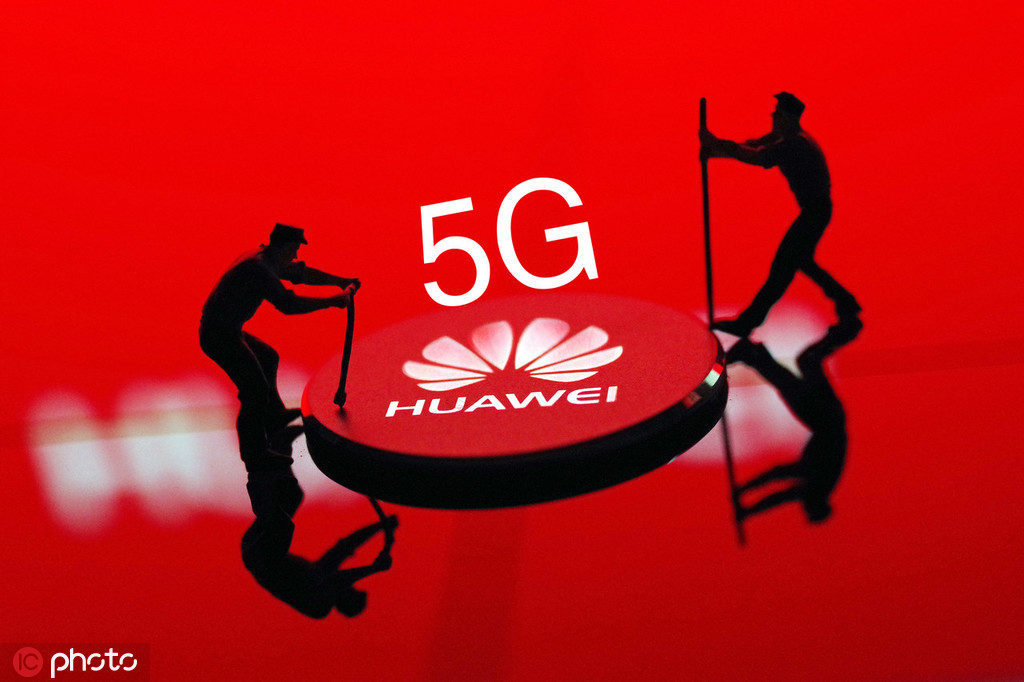
    New legislation introduced in the US Senate in January aims to create a viable alternative to Huawei Technologies and undercut China’s dominance in 5G networks. One of the biggest problems in the bid to counter Chinese strength in 5G networks is the lack of global alternatives to Huawei. The US does not have a viable competitor as of now. At the same time, technologies from Sweden’s Ericsson, Finland’s Nokia, and even South Korea’s Samsung are no match to the attractive financing and complete technological package that Huawei offers.

    Huawei 5G Alternative
    Huawei 5G Alternative

    The bill attempts to address that gap. If the bill is passed, the Senate would spend more than $1 billion to bolster Western competitiveness, allocate a new spectrum, and support research and development of more modern technologies like 5G in the telecommunications industry. The sponsor of the bill, Senator Marco Rubio, stated that the country is at a critical point for defining the future of its relationship with China and that the Senate cannot allow the Chinese telecommunications companies to surpass American competitors.

    Rubio added that the Washington Senate’s efforts at convincing foreign allies to ban Huawei from their networks had been hampered by a lack of affordable, viable alternatives. He fears that malign state-directed telecommunications companies pose a clear, growing threat to the national and economic security of the US and its allies. A day earlier, Mike Pompeo, the US Secretary of State, echoed the senators’ concerns and contended that excluding Chinese carriers from 5G systems in the West was essential.


  • Japanese Smartphone Market: Xiaomi To Enter Japan

    Japanese Smartphone Market: Xiaomi To Enter Japan

    Xiaomi, the world’s fourth-largest smartphone manufacturer, intends to enter the Japanese market in 2020.

    Steven Wang, the general manager of Xiaomi in East Asia, announced that Xiaomi would enter the Japanese Smartphone Market during a news conference in Tokyo.

    Xiaomi must market their phones aggressively since iPhones are particularly popular in Japan. Though the company is late to the party, the timing of the move may end up working out well for the Beijing-based firm. The Japanese mobile market has been undergoing some changes as of late. The regulations implemented in October could turn out to be disadvantageous for expensive premium smartphones. Xiaomi is known for producing cost-effective electronics. The company has entered more than 90 markets across the globe and has started taking orders online for the Mi Note 10 smartphone series.

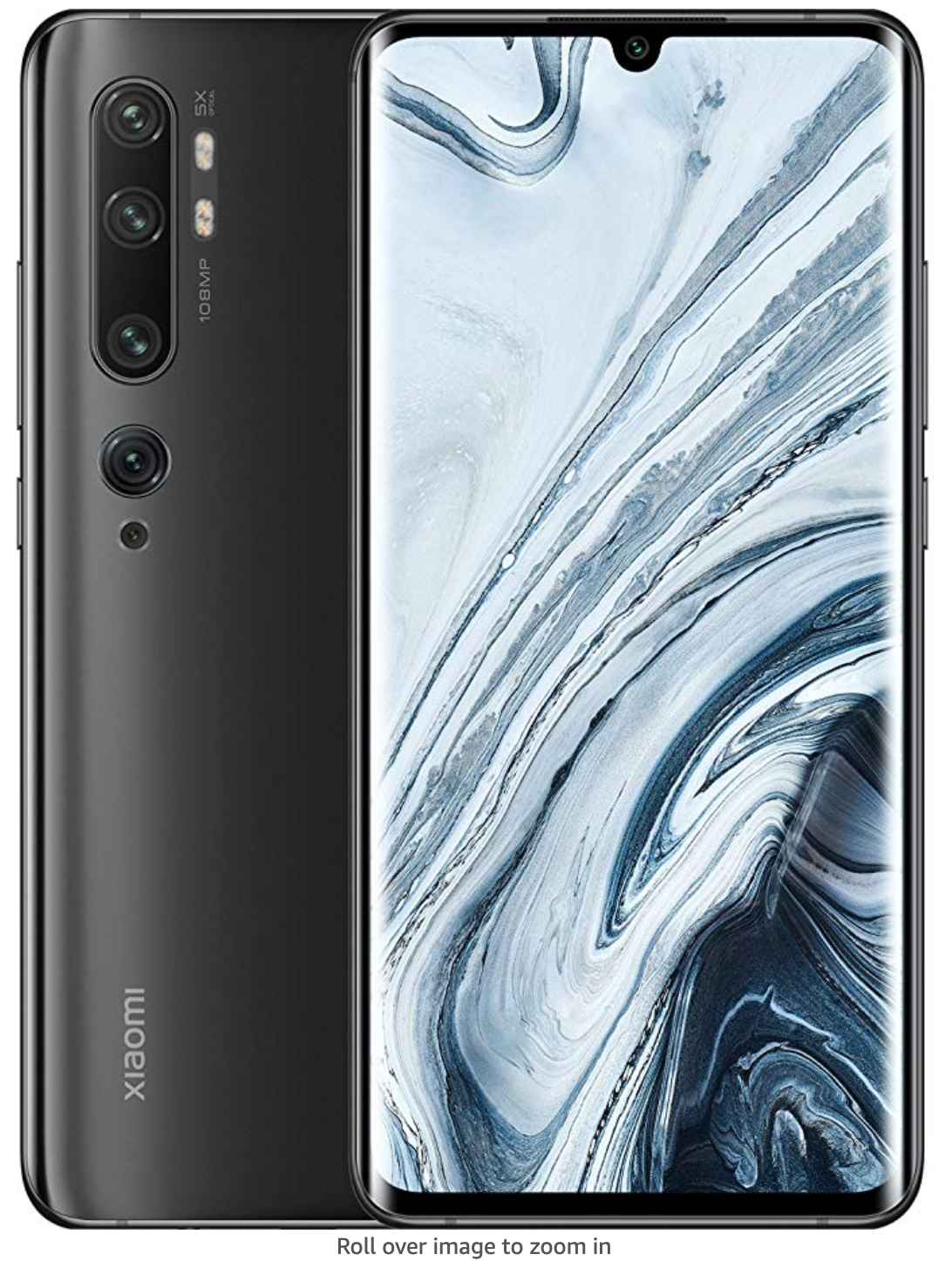
    The Note 10 series is Xiaomi’s latest range of high-end smartphones.

    The phone is equipped with five cameras and a 108-megapixel image sensor. Shipments are due to begin later this month. The company also revealed the prices of the two phones. Wang did not provide sales channel details, other than the information about online sales, which leaves us wondering whether the company plans to sell them via Japanese carriers. The company has established itself as one of the leading smartphone brands globally. Xiaomi opened its doors to customers in 2010. According to market research firm IDC, Xiaomi boasts a global market share of 9.1% as of the third quarter of 2019.

    The Note 10 series Xiaomi - Japanese Smartphone Market
    The Note 10 series Xiaomi

    Samsung Electronics Co. held a 21.8 percent market share, Huawei Technologies Co. held 18.6 per cent market share, and Apple Inc. held a 13 percent market share. The Japanese market, on the other hand, has a different power balance – Apple’s iPhones are immensely popular in the country. In the first half of 2019, Apple’s smartphone share in Japan overwhelmed rivalling companies with a whopping 44.6 per cent local market share. Sharp Corp. held a 12.3 per cent market share, and Samsung held a 10.2 per cent market share.

    Although the timing may seem right, Xiaomi is likely to have a tough time winning the hearts of iPhone users in Japan. The Japanese government has made it mandatory for carriers to separate data fees from handset prices to enable users to be aware of what exactly they are paying for. The government also ordered carriers to cut down cancellation fees on two-year contracts to ¥1,000 from about ¥9,500.

    The new rules also put a cap on handset discounts, limiting discounts to ¥20,000 to avoid excessive price cuts on specific devices.

    Xiaomi intends to swoop in with its cost-effective smartphones. The Mi Note 10 models cost about half of the latest iPhone models. The firm in 2019 declared that it would cap its net profit margin from hardware products to 5 percent. Wang said that the company can still make profits due to economies of scale in addition to its online businesses. Xiaomi will also roll out some non-smartphone products in Japan this month, including a smart wearable device and a rice cooker.

  • Xiaomi Poco To Turn Independent

    Xiaomi Poco To Turn Independent

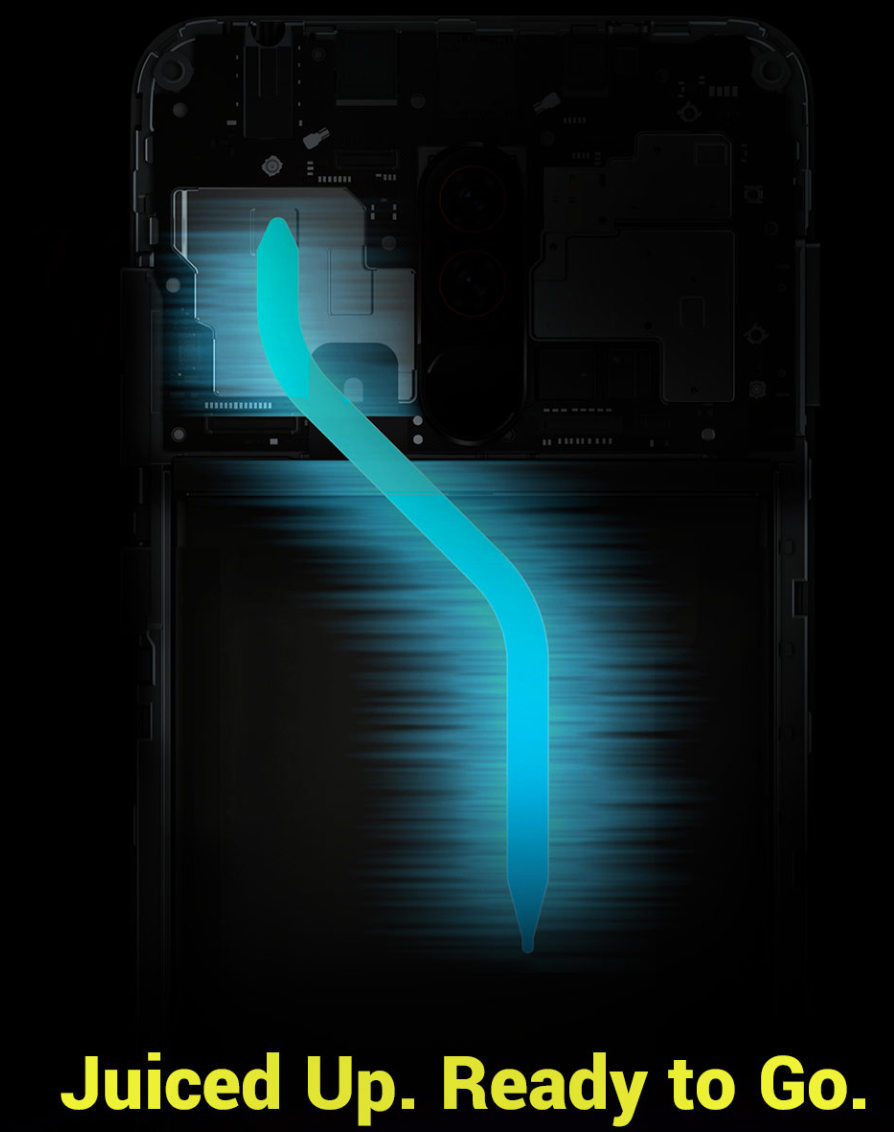
    In 2018, Xiaomi managed to outdo OnePlus (as far as value for money goes) by releasing the powerful Pocophone F1 smartphone. For just $300, the phone supplied astonishing value for money with its Snapdragon 845 processor. Now, the Chinese company has announced that it’s spinning the sub-brand off into an entirely new company called Poco. Executive Manu Kumar said that the company feels that the time is right to let Xiaomi Poco operate on its own.

    He also added that the Poco F1 remains a top contender in the value for money category. Xiaomi is the fourth-largest smartphone manufacturer in the world and is particularly popular in India. While it mainly sells low- and mid-range devices, the Xiaomi Poco sub-brand was launched in 2018 to compete with high-end smartphones from OnePlus, Samsung, and others.

    Xiaomi POCO
    Xiaomi POCO

    However, since then, the brand has yet to launch another smartphone. Xiaomi also owns the Mi/Redmi sub-brands that manufacture everything from smartphones to computers and TVs, amongst other electronics. The Mi brand remains in-house; however, Poco will come out with new devices as an independent company.

    No details about the brand or future products are known; however, the head of Poco, Alvin Tse, told TechCrunch in 2018 that the brand was working on smartphones and other products. It is also unclear what resources (marketing, manufacturing, etc.) the new company will share with the parent company. Poco will enter an already crowded market that hasn’t shown much growth in the last few years. For Poco to remain competitive in the market, it must come out with affordable, high-quality products fast.


  • 5 Anonymous Social Networking Apps To Check Out

    5 Anonymous Social Networking Apps To Check Out

    Anonymous social networking apps are available for both iOS and Android. These apps allow you to interact with others and share your thoughts and feelings on any subject without the risk of having your identity revealed.

    Why Anonymous Apps Are So Popular

    When the internet was first made public, and no social media sites existed, it was easy to talk to people online while remaining anonymous by logging into chat rooms or using IRC. However, now, people use a wide array of social media platforms on a daily basis to stay in touch with family and friends. We now carry our mobile phones with us everywhere we go and can speak to anyone at any time. It is safe to say that it is easy to find someone online. The concept of having a chat with like-minded people without needing to reveal your identity is no longer mainstream like it used to be back in the day.

    This is where anonymous social media apps come in. Everything you do on social media leaves traces, and no social media platform guarantees that your private data will be left untampered. Anonymous social media apps, on the other hand, keep most of your personal information hidden from other users. If you like the concept of anonymous social media platforms and want to try it out, here is a list of some of the most popular anonymous social networking apps.

    #1 Whisper

    Whisper enables you to create short, visual confessions. It is kind of like a virtual confessional booth, made for anonymous public confessions. You can pick one of the many photos the app provides and add a text overlay of a confession or comment you want to share. Your profile remains anonymous. You can even send private messages to other users you wish to connect with, all while keeping your identity a secret. The app is available for download on both Android and iOS.

    Whisper Anonymous Social Networking Apps
    Whisper

    What We Like

    • You can join groups with like-minded people.
    • It’s an easy way to get stuff off your chest.
    • More than 30 million users.
    • No user account needed.

    What We Don’t Like

    • Not very user-friendly.
    • Lots of ads.

    #2 After School

    After School lets teens anonymously post anything to their school’s message board. The message board is private and only invited members have access to it. Since the target audience is so young, the app maintains a zero-tolerance rate for cyberbullying, which is excellent. After School incorporates a feature that lets kids chat with experts about school-related problems or anything that may be troubling them. The app is available for download on both Android and iOS.

    After School
    After School
    What We Like
    • Teens can connect anonymously within schools.
    • Strong focus on safety and privacy.
    What We Don’t Like
    • School verification required.
    • Must connect to Facebook.
    • Buggy software.

    #3 Anomo

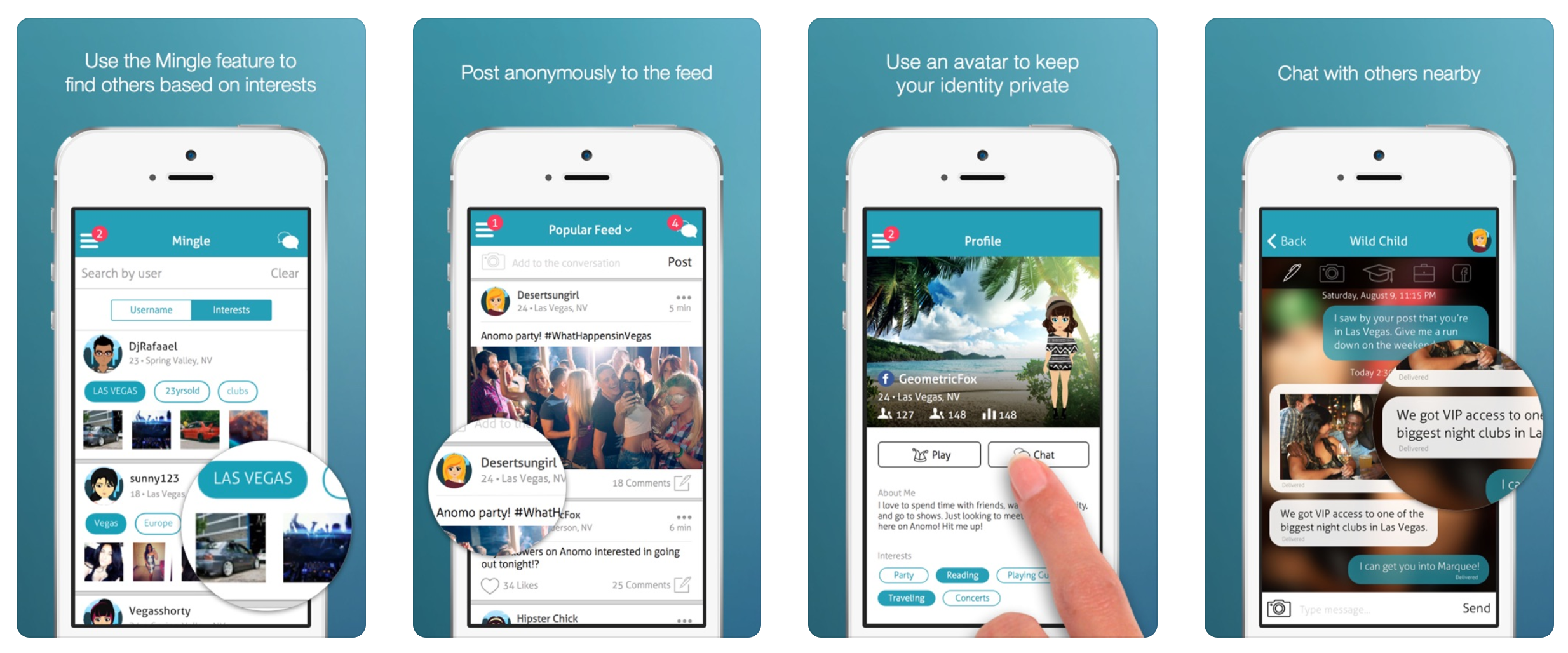
    Anomo is an interesting social networking app that connects you to people completely anonymously; however, it then gives you a choice to reveal certain pieces of personal information to the people you interact with. The app connects you to people based on your location, or you can use the “Mingle” feature to find people that have similar interests as you. You can also chat with members one-on-one privately, and play fun icebreaker games. The app is available for download only on iOS.

    Anomo Anonymous Social Networking Apps
    Anomo
    What We Like
    • Fun to use with avatars and games.
    • Easy to use and understand.
    • You can choose to reveal personal details or remain anonymous.
    What We Don’t Like
    • The community is mostly inactive.
    • App hasn’t been updated in a long time.
    • No Android version.
    • Tons of spam.

    #4 Psst!

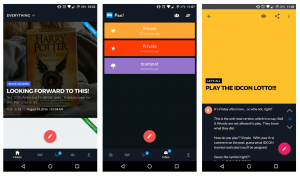
    This app enables you to connect with like-minded people anonymously. Psst! helps people come together and have exciting conversations, without being attached to any personal information like a name or a photo. You can freely share your opinion, the news, personal secrets, daily life experiences, photos confessionals, and funny jokes with a vast community. Alternatively, you can privately message people as well, without having to share any personal details. Anything you post on the app disappears after 48 hours, which makes Psst! similar to Snapchat. The app is available for download only on Android.

    Psst!
    Psst!
    What We Like
    • Messages eventually disappear forever.
    • Unique security features.
    • Anonymous and private chatting.
    What We Don’t Like
    • No iOS version.
    • Requests your location.
    • User account required.

    #5 FML Official

    Using the FML app, you can read funny, embarrassing stories from semi-anonymous users. FML is an entertainment app where users can read and approve/disapprove of short submissions that share funny experiences. The app makes it easy to enjoy reading about other people’s embarrassments while doubling as a social network. Although the submissions remain semi-anonymous (only a user name is included), the app functions as a traditional social network, and you have a full profile page. The app is available for download on both Android and iOS.

    FML Official Anonymous Social Networking Apps
    FML Official
    What We Like
    • Funny anonymous story submissions
    • You can comment on stories and share them with other users and friends.
    • New stories posted daily.
    What We Don’t Like
    • Its social networking profiles are not anonymous.
    • The app takes a long time to load.
    • If you follow a user, you can see their FML profile.

    Wrapping Up

    When people are anonymous, they have an opportunity to let loose, and things can get a little crazy. Many apps have proper systems in place to deal with serious instances that involve child predators, cyberbullying, stalking, threats, and other scary stuff. If you find anything harmful or abusive, take the time to report it. Do not reveal personal details to anybody on Anonymous Social Networking Apps and use them with caution.

  • OnePlus 8 Pro Leak Claims That It Will Include A Display Camera Hole

    OnePlus 8 Pro Leak Claims That It Will Include A Display Camera Hole

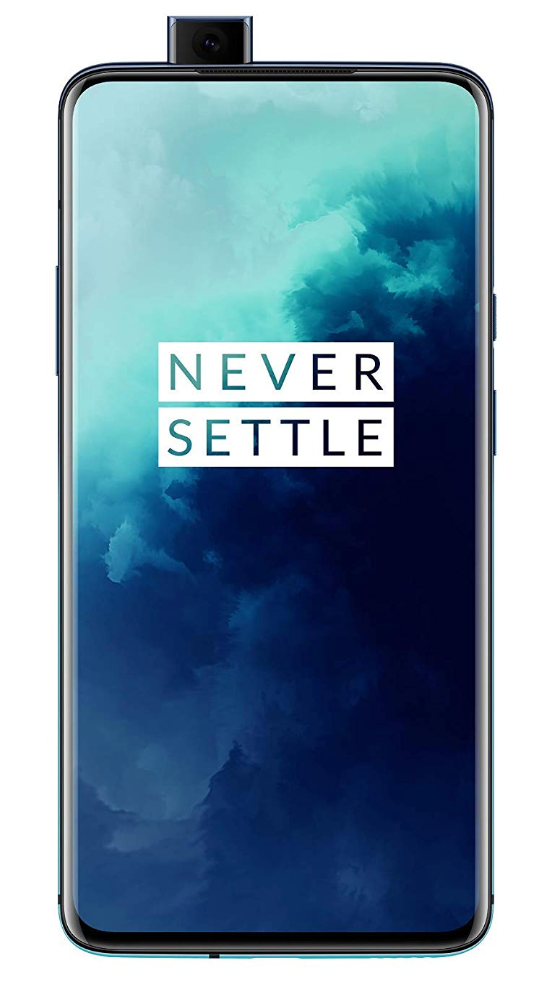
    There have been multiple rumours and leaks recently revealing that the OnePlus 8 Pro will come with a display camera hole. The OnePlus 8 Pro Leak repeatedly mention the camera hole’s existence, making it almost certain that the phone will have a display camera hole. GizmoChina, the tech news outlet, shared an image of a seemingly legitimate OnePlus 8 Pro screen protector. The screen protector also comes with its top-left edge cut off, clearing any doubts fans had about the display camera hole.

    OnePlus 8 Pro Leak

    If leaks are accurate, the newest OnePlus phones will include a camera hole on the top-left corner of its display. The design choice is not shocking at all since a lot of phones in 2020 opt for this design. Samsung’s upcoming Galaxy S20 flagships will also sport a display camera hole in the centre. Other upcoming devices like the Huawei P40 are also expected to follow the same trend and include a pill-shaped display camera hole. Even Samsung’s second foldable smartphone – the Galaxy Z Flip will sport a display hole.

    OnePlus 8 Pro Leak
    OnePlus 7T Pro

    The source shared two images of the screen protector. The first one comes with the edge cut off, while the second one does not. The first screen protector appears flat, while the second one is curved. The difference in the two protectors could only be revealing the material of the protectors, and nothing else. The first one looks like it’s made of plastic, and the second one looks like an authentic tempered glass protector. CAD-based renders of both the OnePlus 8 and 8 Pro surfaced last year. Based on these renders, the two phones are expected to feature remarkably similar designs.

    The upcoming flagships will feature 120Hz displays and a Snapdragon 865 processor. Both variants will be made out of metal and glass and will feature a curved display. The primary difference between the two will be visible on the back since the camera modules will look slightly different. The phones will have super slim bezels, and the backsides of the phones will be curved as well. The alert slider will surely make a comeback, and so will the in-display fingerprint scanner.

    OnePlus 8 series

    Out of the box, the OnePlus 8 series phones will come pre-loaded with Android 10, along with the standard OxygenOS skin. The phones will come with a warp charger in the box, and the Snapdragon 865 will power the upcoming OnePlus flagships.

    Both the OnePlus 8 and 8 Pro are rumoured to boast proper dust and water resistance certifications – which is a first for OnePlus’ devices. Both devices will also feature a high refresh rate 120Hz display according to the leaks. The phones are expected to arrive in Q2 2020, probably in April or May.

  • Armani Smartwatch 3 Review

    Armani Smartwatch 3 Review

    Emporio Armani is back with a third smartwatch for its ‘Connected’ range of watches. The fashion house entered the smartwatch space back in 2017 and brought a beautiful redesign to the market last year. Last year’s model only added a few basic features to the watch; however, the new Armani Smartwatch 3 boasts more incremental changes and brings more to the table than ever before. The price, however, is non-competitive, which closes it off to an exclusive market.

    For reference, the watch is just slightly cheaper than the latest Apple Watch and around $200 more expensive than the Apple Watch Series 3. In this review, we’ll help you decide if Armani’s new Smartwatch 3 is a convincing alternative to the best smartwatches currently available.

    Armani Smartwatch 3 Design

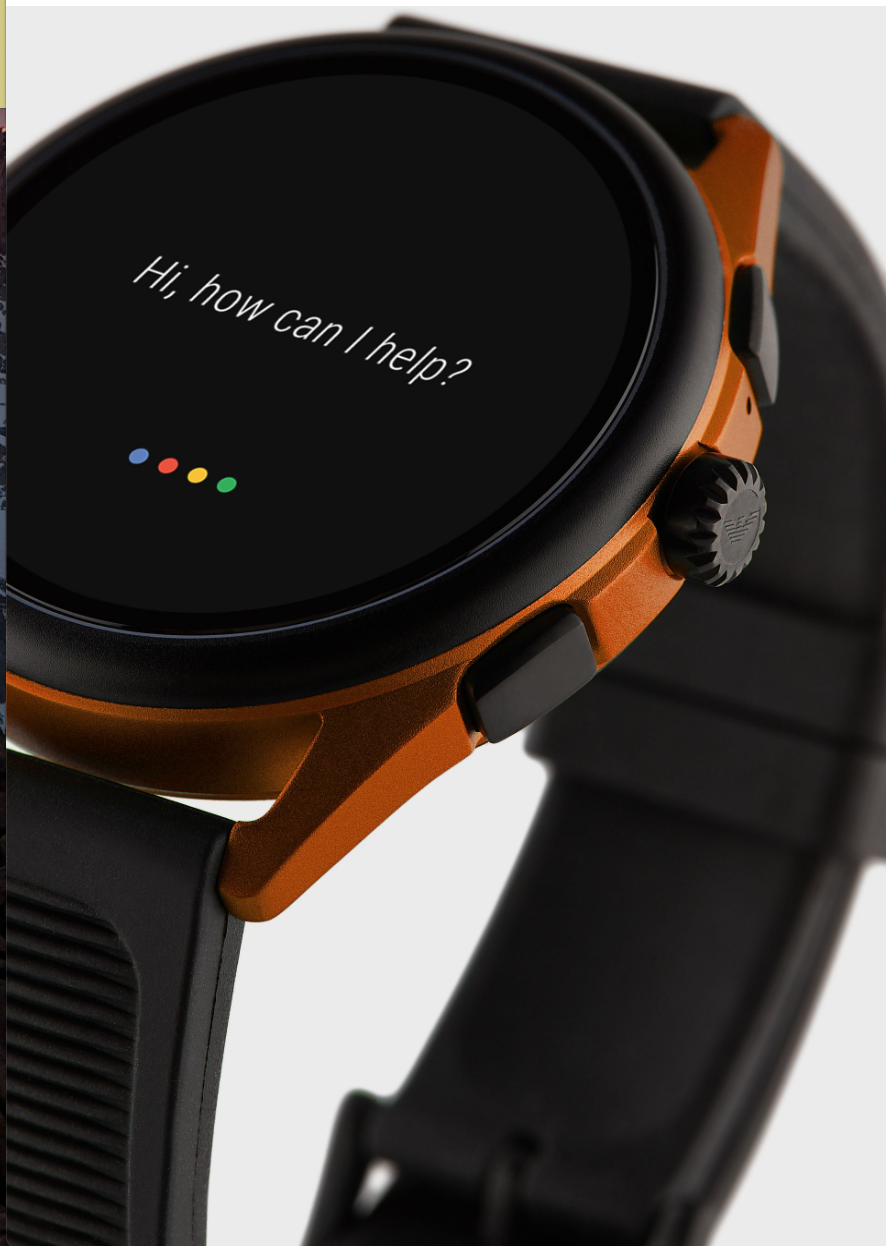
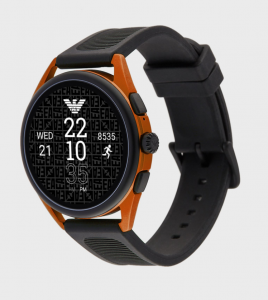
    The design remains to be the most critical aspect of these watches, since Wear OS lags behind in terms of UI, and offers little variance from watch to watch in terms of features. Each partner of the Fossil Group offers a unique take on the modern smartwatch, and Armani seems to have settled into a rhythm with its third iteration. At first glance, there aren’t many changes in the watch. However, as a whole, the few touch-ups make the design match the feature set much better than the last generation. The metal bands and casings are gone – replaced by an aluminium body (available in several accents) and silicone straps.

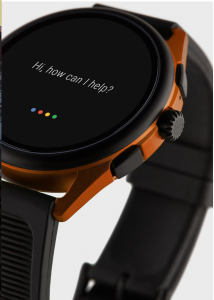
    Armani Smartwatch 3
    Armani Smartwatch 3

    It retains some of the finer points of the 2018 edition. The gap in the casing between the strap and the bezel, as well as the Armani logo on the crown, remain the same. The design is now is less bulky and cumbersome, but it is still super stylish. The watch also features a screen similar to the last edition. It has the same 1.28-inch AMOLED display that has a 390 x 390 resolution and a 328 pixels-per-inch pixel density inside a 44mm body. The watch also retains the 12mm thickness, which makes it less of a burden on runs or daily wear.

    Display

    The screen can be set to be always-on, and tapping on the screen or raising your wrist will brighten the screen up. The great-looking always-on display is one of the things Wear watches beat rivals to the punch on. You can experiment with different Armani watch faces – some of them can take a couple of seconds to load from the dimmed, always-on mode to the full screen, while others load instantly. Something entirely new to the watch is the speaker on the left side of the bezel. While the device doesn’t have 4G/LTE capabilities, it does let you take calls from the watch.

    Armani Smartwatch 3 Design
    Armani Smartwatch 3 Design

    Considering that you will already have your phone nearby to use this feature, we’re not sure who would use it in this capacity. Your phone also needs to be connected to the watch via Bluetooth for it to work. Those who regularly use Google Assistant will love having a speaker on the watch. It’s a nice upgrade. With slight improvements on the already great looking design, the smartwatch’s look is undoubtedly its strongest selling point.

    Wear OS

    A smartwatch is generally only as good as the operating system it uses. Wear OS by Google does a decent job of turning a watch into a smartwatch; however, the operation is still mediocre. Its speed has improved after the Snapdragon 3100 chipset became available, but the bones of OS are still the same. Clunky menus and the inelegant app experience don’t offer as much depth as something like a Fitbit would.

    To use the watch with an iPhone, you will have to download both Google Fit and Wear OS to get access to all the features of the watch. You will also have to link your Google account at every turn. Users are often overwhelmed by this, and you shouldn’t need three apps (Assistant, Wear OS, Google Fit) to operate one wearable. They’re not entirely useless as standalone apps; however, it does feel odd to be redirected to the Assistant app when you want to change your settings, for instance.

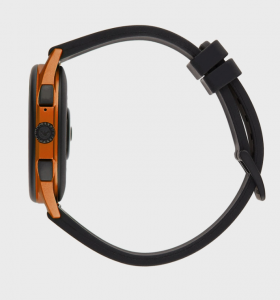
    Armani Smartwatch 3 Side
    Armani Smartwatch 3 Side
    Tracking

    It is essential to learn whether the activity tracking features on the Smartwatch 3 outperform the last generations mediocre tracking performance.

    GPS performance

    The GPS on the 2018 version of the Emporio Armani Connected smartwatch refused to work, and fans were hoping that the performance would improve in this iteration. The Smartwatch 3 has no issues with using the GPS connection of the phone that is paired to it. However, if you leave the phone behind, you’ll encounter a never-ending “Acquiring GPS” tag.

    Heart rate accuracy

    Thankfully, the heart rate sensor located on the underside of the watch is more reliable than the GPS. While last year’s model overshot the heart rate slightly, the Smartwatch 3 is much more accurate and shows a heart right correctly consistently. Accuracy-wise, the watch is on par with fitness-oriented devices like the Fitbit Versa. Although the heart rate data you get from Google Fit isn’t as in-depth as the data you get from a Fitbit, the data is still reliable enough for you to gain insights about your workouts and your health.

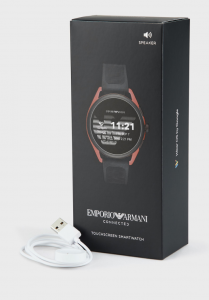
    Armani Box
    Armani Smartwatch 3 Box

    Armani Smartwatch 3 Battery Life

    Since the beginning, the battery life has been a crucial part of the equation on Wear OS watches. While you still won’t get multiple days of use between charges, the battery efficiency has improved on the Smartwatch 3 when compared to the last year’s model. How long the battery lasts depends largely on how you use it. However, Wear OS uses the Snapdragon 3100 chip aptly and provides several battery modes that you can freely pick from.

    You can configure the watch for a day of heavy use, or you can disable features like the heart rate tracking and the always-on display and use the device for a little longer. You can also create a custom battery mode that will help prolong battery life without compromising your unique needs. If you want to use the watch for weeks on a single charge, you can toggle the Time Only setting.

    Verdict

    The third Wear OS smartwatch from Armani is a decent improvement over the first two models in terms of both design and functionality. The multiple battery modes and the contemporary design tweaks make it a great watch overall, and it is worth the money if you love Armani products and are looking for a smartwatch.

  • Best Live Video Chat Apps | Get Hot Chats Without any Registration

    Best Live Video Chat Apps | Get Hot Chats Without any Registration

    Video chats make it possible to connect with your family and friends and have a face to face conversation with them. Regardless of if you own an Android phone or an iPhone, you can video chat with someone for free using various video chatting apps. All you need to have is a decent internet connection and a phone or a tablet with a camera. This post lists the Best Live Video Chat Apps you can use to video chat with your friends and family.

    #1 Skype

    It is one of the best, most popular and Best Live Video Chat Apps. Skype is available for use on both Android and iOS. You can also use it on PC and Mac, and video chat with people across platforms.

    Skype Best Live Video Chat Apps
    Skype

    The mobile app comes with a lot of features – you can video call a group of up to 25 users, and also send texts and voice messages for free. Additionally, you can also send photos and videos to other users on Skype.

    #2 Viber

    Viber is another popular video calling app that’s been around for a long time. The app is continually updated, and new features are added every other month. Like Skype, Viber is also available for use across platforms, and it is free to use. Viber is secure, and the texts, voice, and video chats between users are encrypted for enhanced security.

    Viber
    Viber

    The user-friendly interface makes navigating through the app and finding the right options easy. To video chat, all you have to do is tap on the Camera icon next to the users’ name. Furthermore, you can also play Viber games and share files with other users and even follow public accounts.

    #3 IMO

    IMO is a simple video calling app available for use on Android and iOS that enables users to make free video calls regardless of where they are in the world. It is one of the Best Live Video Chat Apps for making free video and voice calls over 2G, 3G, 4G, or Wi-Fi connections. The app is cross-platform, meaning Android users can call iOS users and vice-versa. The app features a simple design, and there are no extra features besides text, voice, and video chat. The messages and calls are encrypted, which keeps your conversations with all users secure.

    You can also make group calls, send stickers, and share photos and videos using IMO. Users claim that IMO uses lesser data during video chats, and it is one of the reasons for its popularity. There are some advertisements within the app, but other than that, it is free to use.

    #4 WhatsApp

    WhatsApp is one of the world’s most used messaging apps, and millions of people use it daily. Recently, WhatsApp introduced video and voice calling to the app, making it one of the most used video-calling apps. It is cross-platform and available for download on both Android and iOS. Although there are clients available for Windows and Mac, voice and video calls cannot be made with those. The calling feature is easy to use – all you have to do is open the contact you want to speak to and tap on the video call button.

    WhatsApp
    WhatsApp

    The app also has a group video call feature, but it is limited to four users per group call. With WhatsApp, users can send text messages, GIFs, stickers, and also share media files and documents. WhatsApp boasts end-to-end encryption, which keeps the users safe from hackers.

    #5 LINE

    LINE is a popular messaging app, which not only enables you to send text messages freely but also allows free voice and video calling from anywhere, at any time. It boasts over 500 million users worldwide and is one of the highest-rated video calling apps on both the App Store and the Google Play Store.

    LINE Best Live Video Chat Apps
    LINE

    Anyone with an account can enjoy video-chatting free of charge, and users can even apply effects and filters while making a video call.

    #6 BIGO LIVE

    This app is a top-rated random video chat app available on Android and iPhone. You can make new friends from across the world and chat with them live. The application is available in over 150 countries and has been downloaded over 200 million times.

    BIGO LIVE
    BIGO LIVE

    You can chat with up to nine people by using the multi-guest room and use video filters and stickers during the video chat. It also doubles as a social media platform – making it possible to get more followers and receive gifts.

    #7 HOLLA

    Another great free random live video chatting app that allows you to speak to different people and make new friends from across the globe. It is similar to Tinder – the app allows you to match with different people online and speak to them individually.

    Azar Best Live Video Chat Apps
    Azar

    #8 Azar

    In this app, you can browse through a list of live people and pick anyone to video chat with. The app makes it easy to make friends from across the globe, free of cost. You can filter the live users according to gender & region preferences and get the best result. The best part of this app is message translation – if you do not speak the same language as the live user, you can translate your message before sending it to the friend. All users have access to unlimited text, photo, and video messaging.

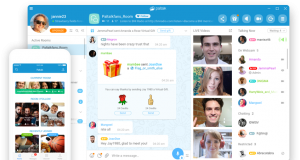
    Paltalk
    Paltalk

    #9 Paltalk

    Paltalk is a free video calling app. With this app, you can connect to different people from around the globe with the live video chat option. You can listen to music with the users and even sing with them. The app makes it easy to connect with random users, and the video quality is excellent too. Users can also send cool stickers, photos, and videos to the user they’re chatting with.

    Video chatting is a quick way to connect with people regardless of where they are in the world. With this list handy, you’ll find the right video chatting app in no time.


  • TicToc To QuickTake Re-branding by Bloomberg As Focus On OTT News Heightens

    TicToc To QuickTake Re-branding by Bloomberg As Focus On OTT News Heightens

    Bloomberg Media is a consumer-facing media organization and is one of the leading global business and financial media companies that reach a premium audience of more than 80 million consumers. With over 2,700 analysts and journalists across 120 countries, Bloomberg Media Group connects audiences to news and ideas across every platform: TV, radio, digital, print, and live events. Bloomberg Media recently announced that it is rebranding TicToc, the social video news network, to “QuickTake by Bloomberg.” Bloomberg views this as a crucial step for the brand as a whole, as it evolves into a premium global news network that connects social and streaming aspects of modern news seamlessly.

    In preparation for the launch of its streaming news channel later in 2020, the new brand will merge with Bloomberg’s existing digital video operations, and add a full team of producers and editors to the newsroom – becoming one editorial studio. Since it’s launch in 2017, TicToc has expanded onto various social screens and platforms, reaching over 90 million views monthly across platforms. The brand had managed to garner a truly global audience, with 46 per cent being international viewers.

    TicToc’s Rebranding

    TicToc has seen tremendous growth, with a 79% increase in audience size in the last year, and it has a primarily younger demographic. The new QuickTake by Bloomberg brand will significantly increase its robust video offering by combining the content TicToc furnishes with the expertise Bloomberg’s digital video operations team supplies. TicToc’s shorter, one- and two-minute immediate reactions to global news stories will be combined with Bloomberg’s digital video operations – which currently produces much longer five-to ten-minute narratives.

    Bloomberg Rebrands TicToc
    Bloomberg Rebrands TicToc

    By reporting in real-time as news breaks, and providing greater context on more significant issues, QuickTake aims to furnish insights at every stage of a story – all while delivering the right forms of content on the right platforms at each point in the news cycle. TicToc’s rebranding is a strategic evolution of the existing Bloomberg QuickTake brand, and this next iteration of the brand will continue to build on TicToc’s success in delivering short-form videos optimized for social media platforms.

    Bloomberg QuickTake

    The younger generation of news consumers will have better and quicker access to the biggest breaking news stories, ideas, and issues across business, tech, and culture. John Micklethwait, Bloomberg’s Editor-in-Chief, firmly believes that TicToc’s content delivery model works well with Bloomberg QuickTake. He also believes that both brands deliver concise yet thorough content that explains world events.

    He and his team believe that the newly aligned QuickTake studio will prove to be an influential asset in a world where the number of platforms that require high-quality video is multiplying. You can follow QuickTake by Bloomberg on every major social media platform – including Instagram, Twitter, Facebook, and YouTube. You can also subscribe to their newsletter.

  • Google Pixel4 Does Not Work With Some USB Cables | Fans are Dismayed

    Google Pixel4 Does Not Work With Some USB Cables | Fans are Dismayed

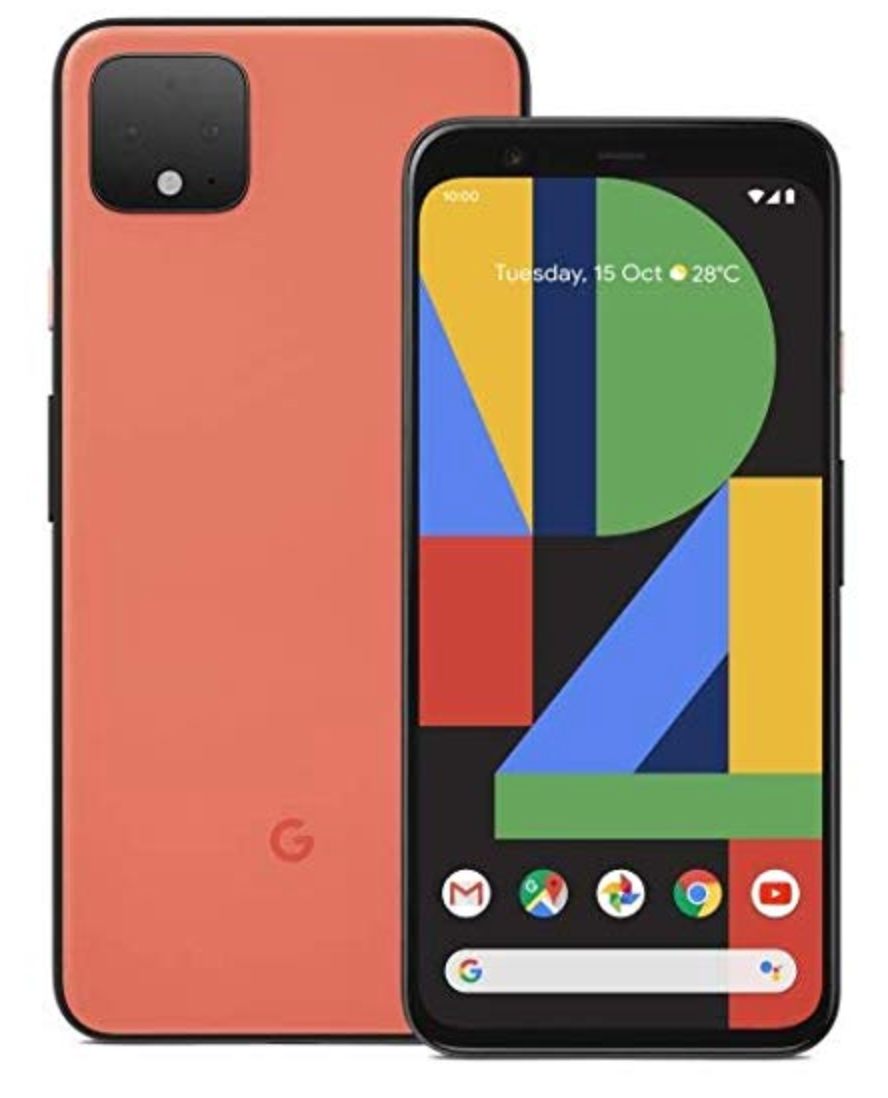
    While the Google Pixel4 brings its share of cutting edge features to the smartphone market, there is already a long list of things people dislike about the phone. The small battery capacity is something users are griping about. However, not being able to charge the phone with every charger makes matters worse. The charger itself isn’t what poses the problem – it’s the cable. The Pixel4 does not charge or transfer data with some third-party USB cables. The phone’s reliance on USB Power Delivery enables all USB-C to USB-C cables to work just fine. However, it’s the USB-C to USB-A cables that pose problems with the phone

    Google Pixel4 Side
    Google Pixel 4 Side

    What Is USB Power Delivery And Why It Matters

    Google’s Pixel range of smartphones relies on a technology called USB Power Delivery (PD) to charge the phones. You will find this technology in all of Google’s chargers. Since the tech is found on all of Google’s phones (the first Pixel too!), we know that all the phones in the series use the same technology to charge. However, the smartphone will not charge or transfer data when some specific cables are in use. The same wires work correctly with older devices like the Pixel 3. The technology works great and charges at about 15W. The Pixel4 charges fine with other charges that support USB Power Delivery (PD) over USB-C to USB-C connectors. Third-party USB PD products and older Pixel chargers work just as well.

    USB-C to USB-C works just fine. However, you will not be able to charge the Pixel4 with USB-A chargers. Quick Charge ports, power banks, and even the standard ports on your laptop or your PC will not work. However, swapping out to another cable may allow you to connect a Pixel 4 to these devices to charge it. If the cable has a purple identifier, it most certainly will not work with the Pixel4. The problem does not stop here.

    Google Pixel4
    Google Pixel4

    Issue With USB Accessories

    The Pixel 4 does not work with USB-C to 3.5mm adapters from other companies. In particular, the USB-C to 3.5mm adapters from Huawei and OnePlus do not work. Considering that Google no longer includes an audio adapter in the box, it is irritating. The smartphone does work with the Pixel 3’s audio adapter. The phone does not work with any USB-C HDMI dongle, whereas phones from competing brands like Samsung and Huawei do. However, only a few phones support wired HDMI screen mirroring these days, and it is a rare feature to come by. Regardless, Google is stern about what it does and doesn’t support over a Pixel’s USB-C connector.

    Conclusion

    Along with its own products, Google is also attempting to dictate stricter terms regarding the design of the chargers and cables on its Android partners’ smartphones. It looks like Google wants all Android devices to support USB-PD. Regardless, while most cables will work with the it, there is a subset of cables that won’t. To ensure that your Pixel 4 works with your power bank, head to Google’s store and grab the official USB-C to USB-A cable.