Author: Shilpa

  • How To Easily Share WiFi Passwords On Android

    How To Easily Share WiFi Passwords On Android

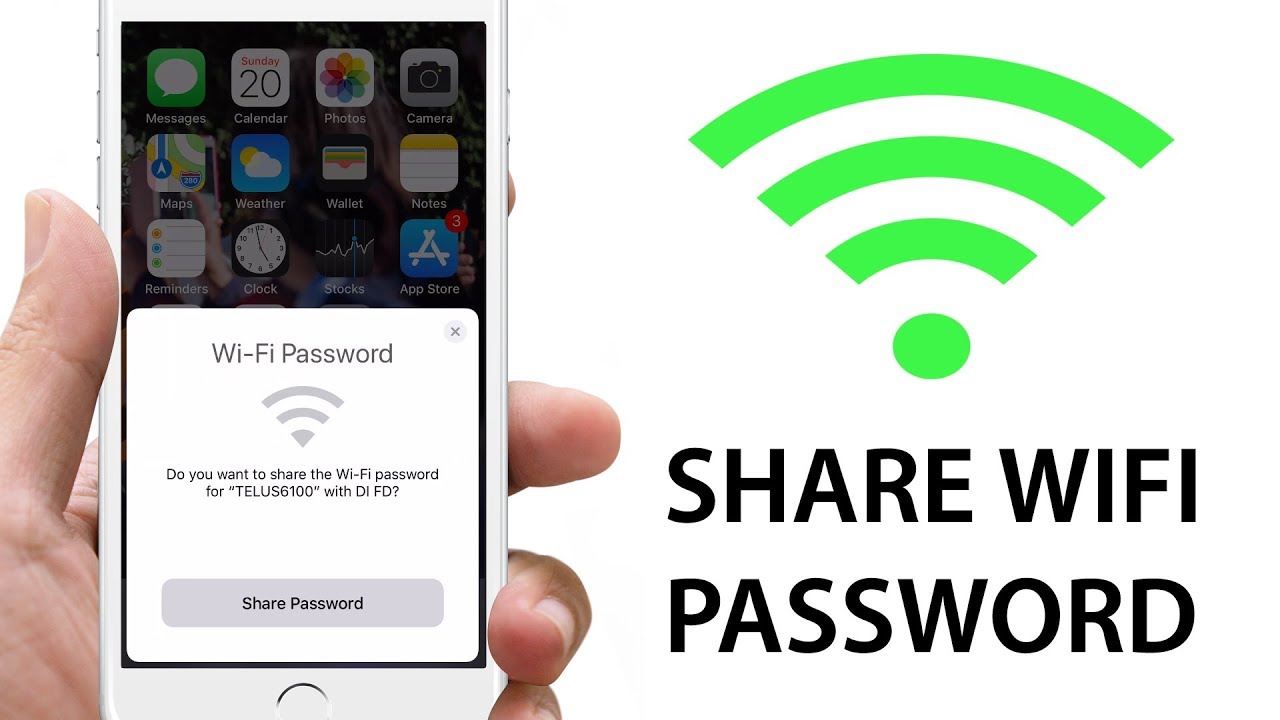
    So, have you ever wondered how you can share the Wi-Fi password effortlessly instead of painstakingly spelling it out? When your friends or family visits your home, it is quite likely that the first thing they are going to ask you is your Wi-Fi password. Thank your lucky stars that there is a much easier way to Share WiFi Passwords. This is by creating a QR code that will allow your friends to connect to the wi-fi network.

    Easily Share WiFi Passwords
    Easily Share Wi-Fi Passwords

    There are plenty of QR code generating apps that you can use for this. Once you have created a code and added the necessary details, simply share the code and the person will be able to connect. You don’t need to generate a code every time you want to tell someone your password. Create the QR code once and save it safely somewhere. Reuse the same one every time you want to give someone the Wi-Fi password. So, just how do you go about doing that?

    Your SSID & Network Encryption Type

    Before jumping on to QR codes and the like, find out your SSID and network encryption type. SSID, or service set identifier, is your Wi-Fi network’s name. If you don’t know the SSID, go to the Settings menu on your phone and look up Wi-Fi connections. Check out the name of the network that you are connected to. Do note that SSIDs are case-sensitive. This means that you will need to keep an eye on upper and lower cases. Next, find the Network Encryption Type. For this, simply tap on the SSID which will then show your Network Encryption Type on the next screen. Keep both the details safely.

    QR Code Generator

    There are plenty of QR code creator apps in the Play Store. The one named QR Code Generator is a pretty reliable one. Download and install the app.
    Share WiFi Passwords
    Share Wi-Fi Passwords

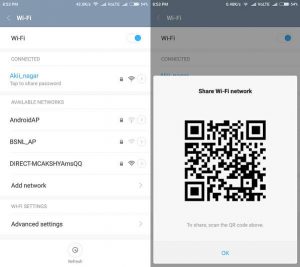
    Once done, you are now ready to create a code for your Wi-Fi network. Most apps will create a QR code for texts by default. For others, you will have to make the change. For our mission, choose Wi-Fi. Enter your SSID, password, and the network type. The app will not authenticate anything, so you will have to make sure that you have entered the right details. Once done, simply tap on the ‘Generate’ button.

    Share WiFi Passwords

    Once the app has generated the QR code, you can download the same as a PNG image file. Some users may be required to grant app permission for storage. Save the QR code. Once done, it will be stored permanently on the phone.

    Every time you want to share the code, simply pull it up from the storage. Get your friend or family member to come closer and use their camera to scan the code. They will immediately receive a notification for connecting your network. Tap ‘Join’ and you are done! If you might not be there when your guests need access, simply print out the QR code and stick it somewhere discreet so that they can scan it when they require it.


  • TweetCaster Pro for Twitter

    TweetCaster Pro for Twitter

    Twitter is so unique in its working that it has managed to make a firm place for itself despite several other social media platforms competing out there. In one way or the other, Twitter always manages to stay in the news. Sometimes, it could be because of the positive new and at other times, not so positive news. Therefore, it doesn’t come as a surprise that there is another app which helps us manage our twitter feed better. Called TweetCaster, it is one of the most popular Twitter apps and has been around for nearly a decade. The company recently released TweetCaster Pro for Twitter, which many believe is an excellent one.

    TweetCaster Pro
    TweetCaster Pro

    TweetCaster Pro

    When the app was first released, most users felt that the app didn’t really have a lot of new features. It was essentially the same app, with minor changes. It has a couple of useful function added, but not something that would make heads turn. However, with other updates, the app began to show promise. Today, it has several features and functions that you would be hard-pressed to find elsewhere. It is clean, attractive, and fun to use.

    There are plenty of other alternatives like Falcon Pro and Carbon. However, in most cases, users start off using TweetCaster. This is usually because it has been around longer and a lot of users swear by it. The Pro version was designed to make the experience even better. Let’s see if it worked! There are virtually no missing functionalities, but the developers could remove the nudges for getting users to rate the app.

    Features

    Functions like lists, mute, and retweets are quite commonly found in all Twitter apps. However, TweetCaster offers so much more. You can grab a tweet from nearby surroundings if you want. You can also take a quick look into other nearby Twitter apps. The app also has a built-in multi-user function. Under the ‘My Stats’ tab, you will notice that all your tweets and activities are mentioned. This basically acts as a summary, allowing you to see what you have been up to. Among all the popular Twitter apps, this is the only one that offers this functionality.

    TweetCaster Pro for Twitter
    TweetCaster Pro for Twitter

    The app has good controls that are quite easy to use. One drawback here is the graphic presentation which is not really up to the mark. A UI refresher could improve the aesthetics of the app a great deal. The app has an adaptable widget and a tablet surface.

    Verdict

    TweetCaster is an amazing Twitter application, one which has tons of practical uses. You can individually organize notifications and even make use of the practical internal browser. One thing you might miss is the push button. However, the developers have managed to add a lot of function into the application. Overall, TweetCaster Pro developers have done a splendid job and the app is one of the best in the market today. While Carbon and Falcon Pro are nice apps, they could definitely take some pointers from TweetCaster.

  • How To Save Battery On Samsung Galaxy S10e, S10 And S10+

    How To Save Battery On Samsung Galaxy S10e, S10 And S10+

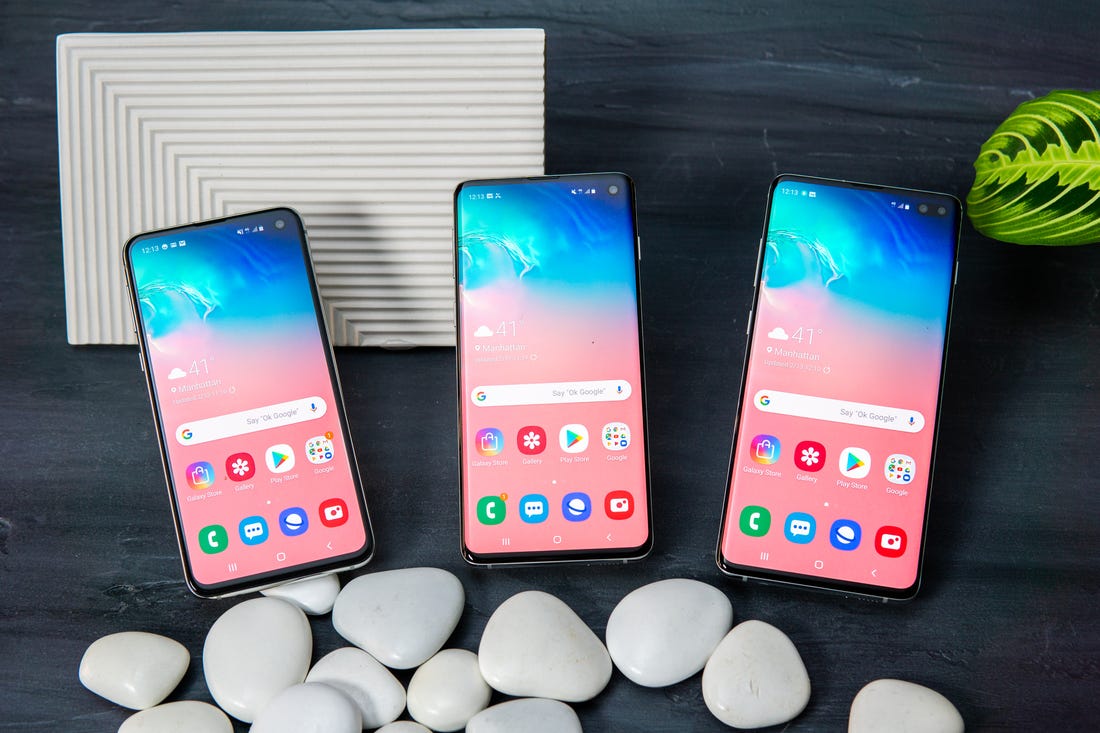
    Samsung devices are not really known for their battery lives. Smartphones, such as Galaxy S10 and Galaxy Note 9 take a lot of time to charge up. Another issue is that they also tend to use up the battery quite soon. This is all the more true if you have enabled other features of the phone. However, if you know some tricks, you can save battery and extend its life.

    #1 Night Mode

    A good thing to do would be to enable the Night Mode. Since the Galaxy S10 series uses Super AMOLED displays, you can easily use it to achieve longer battery life. One excellent way would be to enable the system-wide dark mode. Since the Light Mode uses more pixels, it uses up more battery. Besides this, you can also choose to get AMOLED wallpaper apps that help you save battery while looking ultra-cool.

    Samsung Galaxy S10 Series
    Samsung Galaxy S10 Series

    #2 Disable Always On Display

    While the Always On Display is a cool option to enable, keep in mind that it can easily suck battery. It is a good idea to switch it off on your S10/S10 Plus so that you can make your phone last longer. If you don’t want to remember to do it every time, how about setting a schedule for it? You can set it to enable and disable itself.

    #3 Adaptive Battery

    The adaptive battery is a relatively new feature is seen in the Galaxy S10 series. This element makes use of machine language to understand your phone habits and usage. Based on the same, it will disable apps that you don’t really require and the apps that use up a lot of battery. One thing to note here is that the process does not start immediately. It takes some time to understand your usage and then decides to disable the apps. The phone will categorize the app into different options, such as Active, Frequent, Working Set, Rare, and Never.

    How To Save Battery
    How To Save Battery

    #4 Power Modes

    One of the best things you can do is to enable the power mode on your phone. On the Galaxy S10 device, there are three modes – High performance, Medium power saving, and Maximum Power Saving. In most cases, you can choose the one that suits you so that you are able to get the best out of it.

    #5 Optimize Settings

    You may be pleased to know that Galaxy S10 and S10 Plus come with battery optimization features that enable automatically when you are not using the device. It is designed to reduce the screen brightness, media volume, and the screen timeout automatically. You can make changes on the Settings menu by visiting the Optimize Settings tab. Here, you can also choose if you want to put unused apps to sleep.

    #6 Reduce Screen Timeout

    You can also check out the screen timeout settings. If you generally don’t bother locking the phone, enabling this feature could help you save energy. Usually, a 30-second screen-on time is considered ideal.

  • What Is NFC And Why Should I Use It?

    What Is NFC And Why Should I Use It?

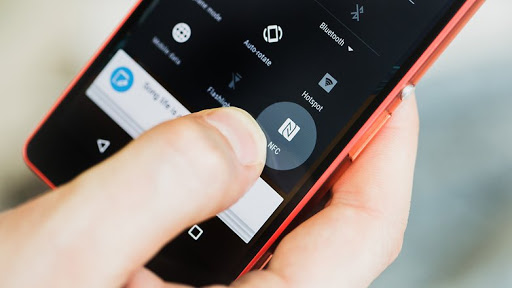
    NFC technology is becoming popular by the day thanks to the conveniences it offers. But, what exactly is it and how does one use it? So, let’s dive right in. NFC stands for Near Field Communication. It is basically a way for your smartphone or watch to communicate with something that is close by. NFC generally works with a radius of about 4cm by using a wireless connection between the devices. This method is perfect for two-way communication with both the involved devices being able to send and receive data. One thing to note here is that the NFC connection does not depend on 3G, LTE, or Wi-Fi. The best part about it is that it doesn’t cost anything!

    NFC
    NFC

    The UK has had it for quite a while now, but it is just becoming more common in the US. In the UK, you may have noted credit or debit card that allows the users to make contactless payments. This is basically due to NFC. An interesting fact here is that Eat, a high street retail chain, was the first one to make use of NFC and this was in 2008. Today, in addition to credit and debit cards, you will be able to use this tech on your smartphone or smartwatch. There are plenty of online services, such as Google Pay, Apple Pay, and Android Pay that works using NFC, allowing you to digitize your wallet and make life more convenient. It is a good idea to understand just how this service works.

    How does NFC work?

    To put it simply, Near Field Communication basically uses wireless data transfer to detect a device in close proximity to communicate with it without requiring an internet connection. It is fast and reliable. You don’t have to authenticate anything and once you have your digital wallet set up, the process is pretty automatic. The RFID tech used helps the NFC chip with one part of the wireless link. Once this is activated by another chip, the two devices can start communicating data when they are close to each other.

    What Is NFC
    NFC

    It does make life easier since there is no need for pairing or one-time passwords. Another advantage of this method is that the chips here use up very low amounts of power, making it a very power-efficient option when compared to others. NFC basically identifies us by using our cards and devices. It could also verify our personal info and bank accounts.

    Using NFC

    NFC chips are basically embedded within our debit and credit cards. More recently, these chips are coming with our smartphones and watches. To use NFC to make payments, you will first have to set up a digital wallet. This could include Google Pay, Android Pay, Samsung Pay, Apple Pay, and more. Once done, you will have to add your card to it. Then, simply bring it near the pay terminal and your account will be debited. Besides payment, NFC can also be used to transfer photos and other data. Android Beam is a good option for this.

  • Huawei Conundrum: Germany Set To Follow UK

    Huawei Conundrum: Germany Set To Follow UK

    Germany is working on a deal that would give Huawei restricted freedoms. In a way, this is pretty similar to the UK deal. A report in Reuters suggests that the leading political parties in Germany are working on a strategy paper that would allow Huawei only a limited role to take part in the implementation of 5G networks. Similar to the UK, this is quite a sensible approach to take for the Huawei Conundrum while deploying the next generation of connectivity. The agreement states, “State actors with sufficient resources can infiltrate the network of any equipment maker. Even with comprehensive technical checks, security risks cannot be eliminated completely – they can at best be minimized. At the same time, we are not defenceless against attempts to eavesdrop on 5G networks. The use of strong cryptography and end-to-end encryption can secure confidentiality in communication and the exchange of data.”

    Huawei Conundrum
    Huawei Conundrum

    The stance of the government has not been confirmed yet. The new position is likely to be voted on February 11, 2020. There are still some in the country, such as the Social Democratic Party, a junior coalition partner to the Christian Democratic party, who are pushing for an all-out ban. However, it looks like Huawei will make it, even if only with restricted function. The paper talks about approaches to take in order to manage Huawei which is quite similar to the one the UK has taken. With regards to the statement released by the German authorities, it looks like they are taking the stance that it would be impossible to guarantee 100% safety, regardless of the equipment manufacturer. It is just not rational to target one specific company.

    The Statement

    The paper also mentions that the network would be split into three different components. This includes radio, transmission, and core. The authorities have also got different procedures in place for managing Huawei equipment based on its designation. Again, this risk-management approach is similar to the one in the UK. This is because the Germans are facing a similar issue where all the German telcos are already the customers of Huawei. They already have signed agreements in place to continue work with Huawei in the near future. If a full ban comes to force, this could create issues in terms of money and time.

    Germany on Huawei
    Germany on Huawei

    BT has said that £500 million to be compatible with the Huawei restrictions in the RAN in the UK. While it could look like a huge sum, the amount could be even higher. This could happen if a complete ban was put in place. Other aspects that could affect the telcos include potential demands to have a multi-vendor supply chain, detailed security checks on equipment, and so on. One thing to always keep in mind is that no one can ever guarantee complete security. It is not yet certain which approach the German government will take. However, it appears that they will try to mitigate the risk and compensate for the existing state of affairs.

  • Redmi 8A Dual Launched With Dual Rear Cameras And A New Design Alongside New Redmi Power Banks In India

    Redmi 8A Dual Launched With Dual Rear Cameras And A New Design Alongside New Redmi Power Banks In India

    Xiaomi has a solid presence in India thanks to its budget-friendly and feature-rich range of smartphones. Redmi is one of the most popular range of devices in the country. The company recently revealed that they are the leading brand in the feature phone category in the last quarter of 2019. The stunning thing here is that they have managed to hold on to the smartphone segment for 10 consecutive quarters. The company is launching Redmi 8A Dual in India.

    Redmi 8A Dual Launch
    Redmi 8A Dual Launch

    Xiaomi’s entry-level Redmi A series is wildly popular across the globe, including Europe and the Indian markets. Xiaomi launched the Redmi 8A in India towards the end of 2019. Now, they are ready to bring the next model to the market named the Redmi 8A Dual. One of the most significant changes here includes the addition of the secondary camera on the back and an improved rear panel. The launch price in India is pretty much similar to its predecessor.

    Redmi 8A Dual

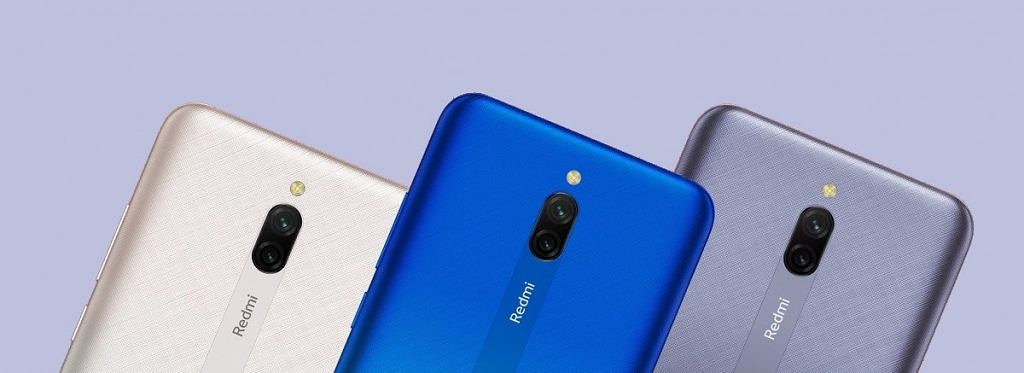
    Xiaomi’s Redmi 8A Dual comes with the dual rear camera setup. The primary camera sensor on the back now has a resolution of 13MP while the older model has 12MP. The 13MP sensor comes with a 2MP depth sensor. In addition to the new camera, we need that the smartphone boasts of an “XGrip” design. This polycarbonate back panel comes in a variety of attractive colours, such as blue, grey, and white. It is also nice to know that the back panel has a P2i splash-resistant coating.

    Most of the other features and specification of the Redmi 8A Dual remains pretty much the same as that of the previous model. The phone has a 6.22-inch HD+ display with a huge 5,000mAh battery with 18W fast charging support using the USB-C port. What it does not have is a fingerprint scanner, but you will be able to use the AI face unlock feature. Other features of the latest Xiaomi smartphone include a dedicated storage expansion slot supporting up to 512GB microSD cards and wireless FM. You will find that the device is marketed in two variants – 2GB and 3GB RAM options. Do note that 32GB is the only option for storage.

    Redmi 8A Dual
    Redmi 8A Dual

    Things You Need To Know

    Redmi is Xiaomi’s sub-brand. The company launched the entry-level and budget-friendly Redmi 8A Dual in India recently. The phone has been priced quite competitively and looks to be following the same pattern as its predecessor. The phone will be available for sale from the 18th of February 2020. While it is similar in a lot of factors to the Redmi 8A, it does feature an upgraded dual-camera setup in addition to other improvements. Once released, users will be able to purchase it via Mi Home stores, Mi.com, and Amazon.in. After a couple of months, the company says that the phone will be available for purchase through offline stores.

    The phone is powered by Qualcomm Snapdragon 439 octa-core processor. The HD+ LCD display panel comes with Corning Gorilla Glass 5 protection. It even has a nice 8MP selfie camera. Again, if the poor grip was your problem, you don’t have anything to worry about on that score here thanks to the new Aura XGrip design.

  • Iqoo 3 5G Appears On Geekbench With Snapdragon 865, Official Poster Confirms 48MP Camera

    Iqoo 3 5G Appears On Geekbench With Snapdragon 865, Official Poster Confirms 48MP Camera

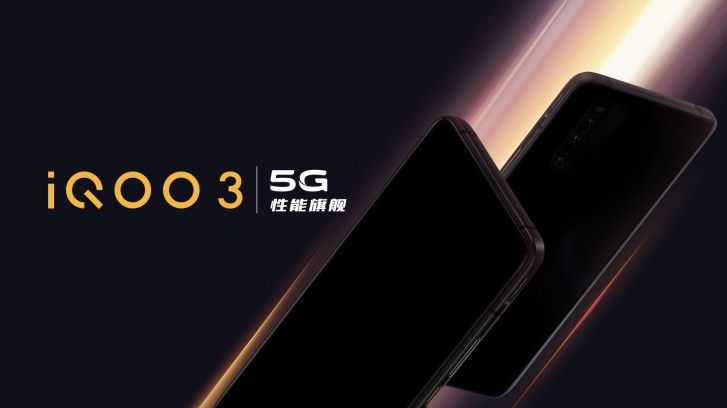
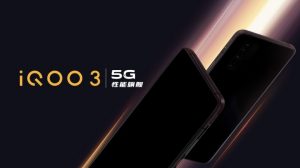
    Some of you may know this and others may not – Vivo has a sub-brand called iQOO. The latter recently released a teaser starring its latest release – the iQOO 3 5G. After that, the company has again posted another teaser on the popular Chinese platform called Weibo. This gives a peek into the phone’s design. The poster tells us that the iQOO 3 5G will come with a red-coloured power button on the right side and a volume rocker. In addition to that, you will also notice a touch-sensitive shoulder button. If we understand it right, it is likely that the bottom will have another one.

    Iqoo 3 5G
    Iqoo 3 5G

    The iQOO 3 features a 3.5mm headphone jack at the top and a secondary microphone. iQOO 3 5G is seen on Geekbench with Snapdragon 865. Looking at the camera specification, the official poster confirms 48MP main camera. The rear of the phone has a quad camera and an LED flash.

    iQOO 3 5G

    A top Chinese tipster posted on Weibo an image highlighting the poster. This gives us a closer look at the upcoming smartphone’s camera setup and specs. The phone’s motherboard is listed as ‘Kona’ at Geekbench. It is the popular codename for Snapdragon 865 SoC. The benchmark database tells us that the iQOO 3 will run on Android 10 and will come with 12GB RAM. However, another report by TENAA suggests that the phone will come with different RAM options – 6GB and 8GB.

    The Release

    The company has not talked about any specific release rate. However, by the looks of the teaser and the beginning of the promotions, it feels that the phone could be announced any time now. iQOO initially teased its upcoming smartphone last weekend. However, most didn’t pay any attention to it. With the company now actually publishing a more detailed description of the phone on Weibo makes it very promising. The latest teaser gives us an insider peek into the phone, its design, and its style.

    Iqoo 3 5G Release
    Iqoo 3 5G Release

    The iQOO is all set to launch in India. It is expected to be the country’s second 5G enabled phone. Realme has the honour of being the first one with its X50 Pro. While iQOO, a sub-brand of Vivo, entered the gaming smartphone market with its help. However, the company is planning to enter India as an independent entity. We can expect to see promos and the actual announcement starting in January this year.

    The iQOO 3 is the company’s first phone that offers the customers in India the option to choose the variant – 4G or 5G. While the 5G rollout still has some time to go, the company is busy promoting it nonetheless. However, one thing you should know is that the 5G-version of iQOO 3 is marketed as a premium version and could naturally, be priced higher. However, the underlying specs of the smartphone is likely to stay the same for both the variants.

  • Vivo NEX 3 5G Review: More Power Than You Can Handle

    Vivo NEX 3 5G Review: More Power Than You Can Handle

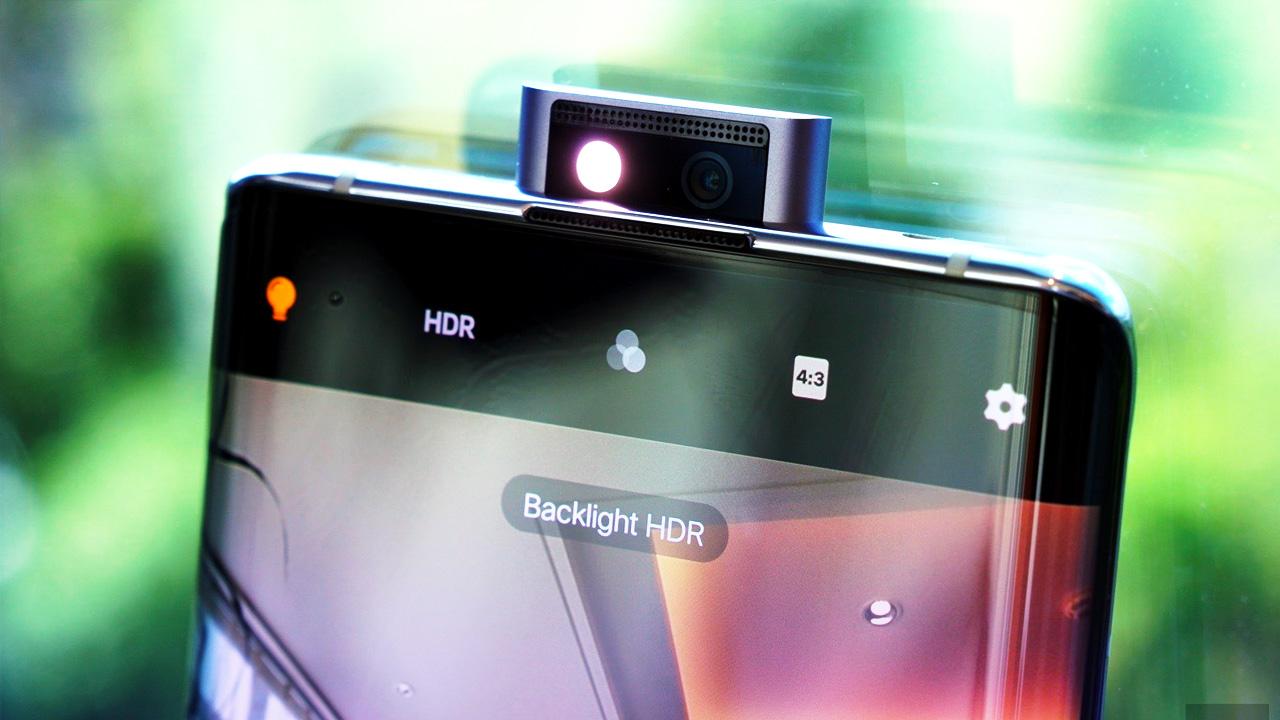
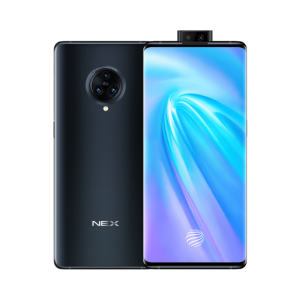
    One look at how Vivo is doing and we know the smartphone industry is set for tremendous growth in the next few years. In the last three years, Vivo has worked with multiple new techs to turn new ideas into reality. This includes ideas and techs like retractable camera modules, high-res front cameras, and bezel-less designs. In 2020, Vivo is all set to release its flagship NEX series. While this range of devices may not be sold in its millions, but chances are that they will be a huge hit. The Vivo NEX 3 5G features the company’s latest waterfall display tech where the edges of the screen literally flow over the sides.

    Vivo NEX 3 5G Review
    Vivo NEX 3 5G Review

    Samsung already has worked with it in the past. Vivo is working with involves making it more pronounced than ever. Another nice touch that the NEX 3 has includes 5G connectivity along with other hardware that you’d be hard-pressed to find elsewhere at this price. The phone is powered by Snapdragon 855+ with 12GB of RAM and 256GB of storage. With regards to camera specification, the smartphone comes with a 64MP camera at the back. It has a 16MP camera at the front housed behind a retractable module. The device has a huge 4500mAh battery with 44W fast charging.

    The Good and The Bad

    The NEX 3 5G by Vivo is a truly smart and powerful phone. It can be considered to be an all-screen phone thanks to the waterfall display with extreme curves on either side. In addition to this, the phone has a huge battery, a wonderful camera, and support for 5G, making it one of the most powerful models out there.

    Some advantages of the NEX 3 5G includes its awesome hardware, bezel-less design, 64MP camera, a 3.5mm jack, and an immersive display. On the other hand, it also could do with some improvements in certain areas. This includes the fact that the phone does not support wireless charging and is not resistant to water. It runs on Funtouch OS which is not without its quirks.

    Vivo NEX 3 5G
    Vivo NEX 3 5G

    Vivo NEX 3 5G 

    The latest flagship by Vivo, the NEX 3 5G, is sure be received quite well. In fact, many believe that this would be pretty similar to other smartphones slated for a 2020 release. The fact that Vivo is among the first to launch gives it a great head start in the market. Other manufacturers like Xiaomi, OPPO, and Huawei are planning a release of their phones as well which are quite similar to this model.

    However, as of now, the NEX 3 is the only one out there that can give us the kind of truly immersive experience we long for. The bezel-less screen highlights the extreme curves, making it an amazing experience. What makes it even better is that Vivo has thought about the issue of accidental touch. It has already got some measures in place. The hardware is pretty powerful, and the phone can easily last for you for several years.

  • MWC 2020: Top Six Smartphone Player Is Latest Brand To Pull Out

    MWC 2020: Top Six Smartphone Player Is Latest Brand To Pull Out

    Due to the major coronavirus outbreak, many companies and brand have decided to fully or partially withdraw from Mobile World Congress (MWC) scheduled in Barcelona. Some of the more popular companies to back out of MWC 2020 include Sony and Amazon.

    Vivo

    More recently, Vivo decided to putt out. The Chinese manufacturer recently announced that it plans to withdraw from MWC 2020 in light of coronavirus spreading. The company did so by emailing the Android Authority and mentioning the same. The email states, “Vivo has been closely monitoring the Novel Coronavirus Pneumonia (NCP) outbreak and continuously evaluating planned activities. The health and safety of our employees and the public are our top priority. Based on the present situation, we have decided to withdraw from our debut at MWC 2020 and other related events later this month in Barcelona, Spain.”

    MWC 2020
    MWC 2020

    Vivo was planning to exhibit its 2020 Apex Concept device at MWC 2020, which would be the latest concept phone there. The company mentioned that since it would have to pull out of the MWC, they will make arrangements to show off the new concept phone soon enough. However, more details about the month or day have not been mentioned yet. Counterpoint Research ranks Vivo sixth with regards to smartphone shipments.

    Sony

    Sony also had decided to withdraw from participating at MWC 2020 in Barcelona. The World Health Organization declared the ongoing coronavirus outbreak a global emergency on January 30. The company quoted this as a reason for withdrawing, “the utmost importance on the safety and wellbeing of our customers, partners, media and employees.”

    Sony then decided to hold a press conference on Monday, February 24. They decided to live stream at 8:30 am CET using their official Xperia YouTube channel. The company is planning to announce the Xperia 1.1 flagship. The smartphone is slated to come with 5G network support, Snapdragon 865, a 6.6-inch display, and a quadruple-camera setup. The phone will also have a headphone jack and front-facing stereo speakers. In addition to the Xperia 1.1 flagship, the company could also be planning to release two mid-range smartphones. As of now, we don’t know a lot about the products, but these are expected to replace the Xperia 10 and Xperia 10 Plus.

    MWC 2020 Brands Withdraw
    MWC 2020 Brands Withdraw

    Other Companies Not Participating In MWC 2020

    Mobile World Congress is one of the biggest tech events in the world. Big brands and start-ups alike flock to the event. However, due to concerns about the coronavirus outbreak, many brands have decided to withdraw to ensure safety for the staff and others. While Vivo is among the most recent ones to do so, there are other brands that decided against joining Congress this year. This includes the likes of ZTE, LG, Amazon, Ericsson, Sony, NVIDIA, and TCL.

    Here’s a quick list of all the brands that have withdrawn from the MWC 2020 so far.

    • Apple
    • Amazon
    • AT&T
    • Ericsson
    • Facebook
    • HMD Global
    • Intel
    • LG
    • Nokia
    • Mediatek
    • NVIDIA
    • Royole
    • Sony
    • TCL
    • Vivo
    • ZTE
  • Oppo Reno 3 Pro With 44-Megapixel Selfie Camera To Launch In India Soon

    Oppo Reno 3 Pro With 44-Megapixel Selfie Camera To Launch In India Soon

    Oppo Reno 3 Pro is making its way to India quite soon. However, one difference we will see with the smartphone is that it will come with slightly different camera hardware. The company says that Reno 3 will be launched on March 2 in India. At the same time, they are also working on marketing the phone as one of the first to come with a 44-megapixel dual hole-punch camera setup. Oppo is doing it the right way and has released a teaser regarding the same. It gives us a good look into the smartphone’s quad rear camera setup and other aspects.

    Oppo Reno 3 Pro

    Oppo Reno 3 Pro was recently launched in China last December. Some differences between Reno 3 and the Pro version is that the latter had only a single front camera housed in a hole-punch and that it has a curved display. However, the variant that is going to be released in India will have a flat display according to the teaser released by the company. Again, the colour schemes exhibited in the promo videos do not match the ones that are sold in China, making us think that the Indian variant is going to be a lot different.

    Oppo Reno 3 Camera
    Oppo Reno 3 Camera

    The Oppo Reno 3 Pro’s China version comes with out-of-the-box 5G support. This is mainly thanks to Snapdragon X52 5G modem on the Snapdragon 765G powering it. The Vice President and India R&D Head of Oppo, Tasleem Arif, mentioned that the Oppo Reno 3 Pro getting ready for an India launch will only have 4G support. This leads us to the next question of whether the Oppo Reno 3 Pro will also have a different SoC. As of now, there have been no leaks regarding the same that could give us a reliable peek into the company. However, Oppo will soon talk more about the details with the launch getting closer.

    The Launch

    While it is great news that the Reno 3 Pro is coming to India, the fact that there are some major changes that make it a bit confusing. The Chinese variant of the phone has 5G support, but the Indian version is expected to have only 4G support. This is one of the major changes in the smartphone set to be released in India soon. Coming to the specs, we are not sure if that is set to change as well. As of now, the word is that it will not.

    Oppo Reno 3
    Oppo Reno 3

    Oppo announced that the Reno 3 Pro will soon be launched in India via Twitter. Tasleem Arif tweeted to mention that the Reno 3 Pro will arrive in India with its exception camera. While this model will be a 4G one, he added that Oppo has plans to release other 5G models this year. No specific date or month for the same was mentioned. According to different sources, the phone’s front-facing cameras will be a 44-megapixel snapper and a 2-megapixel snapper. At the back, it will have a 48-megapixel main sensor and an 8-megapixel ultra-wide angle sensor. In addition, it will also have a 13-megapixel telephoto sensor, and a 2-megapixel black and white sensor.