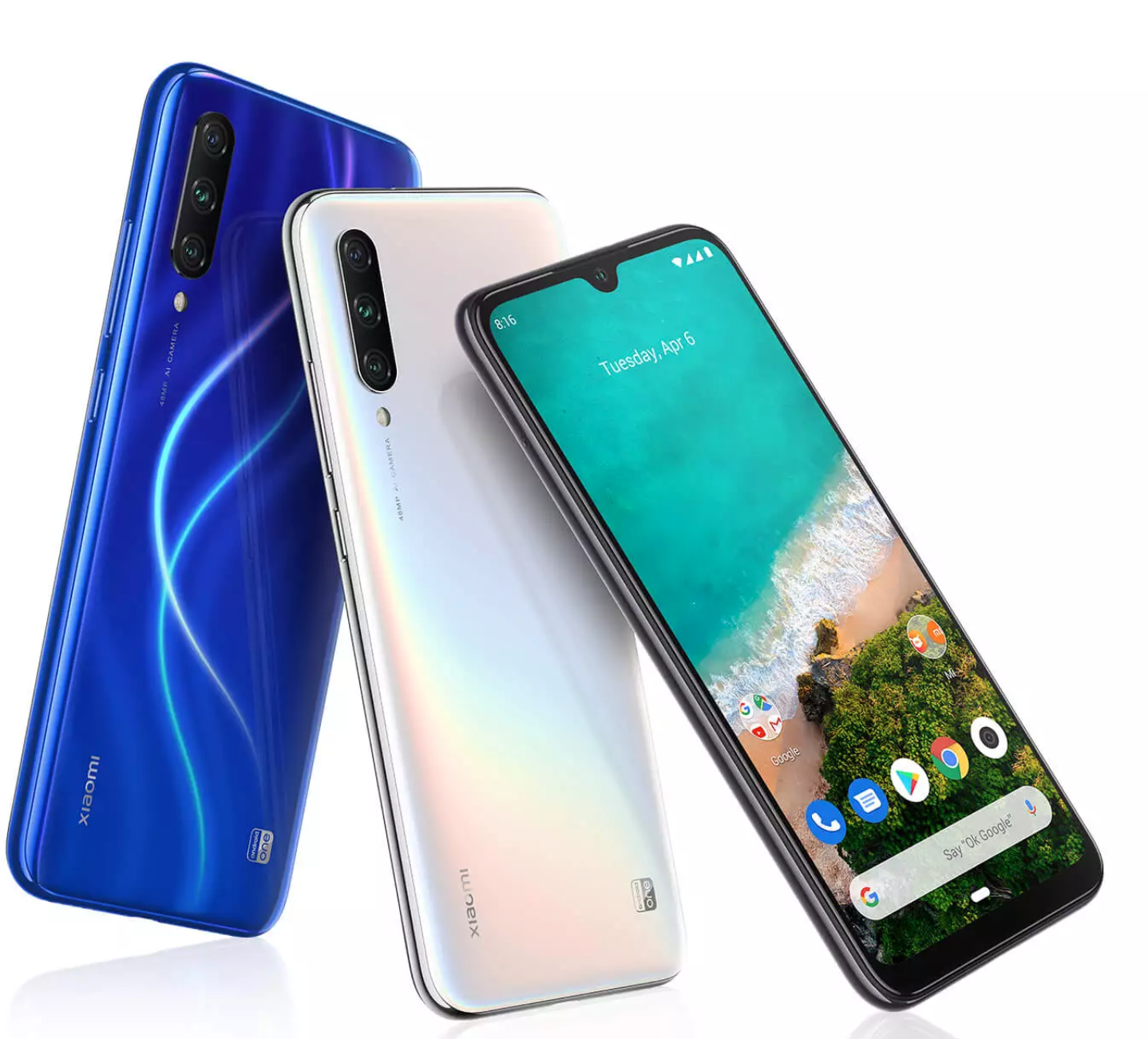
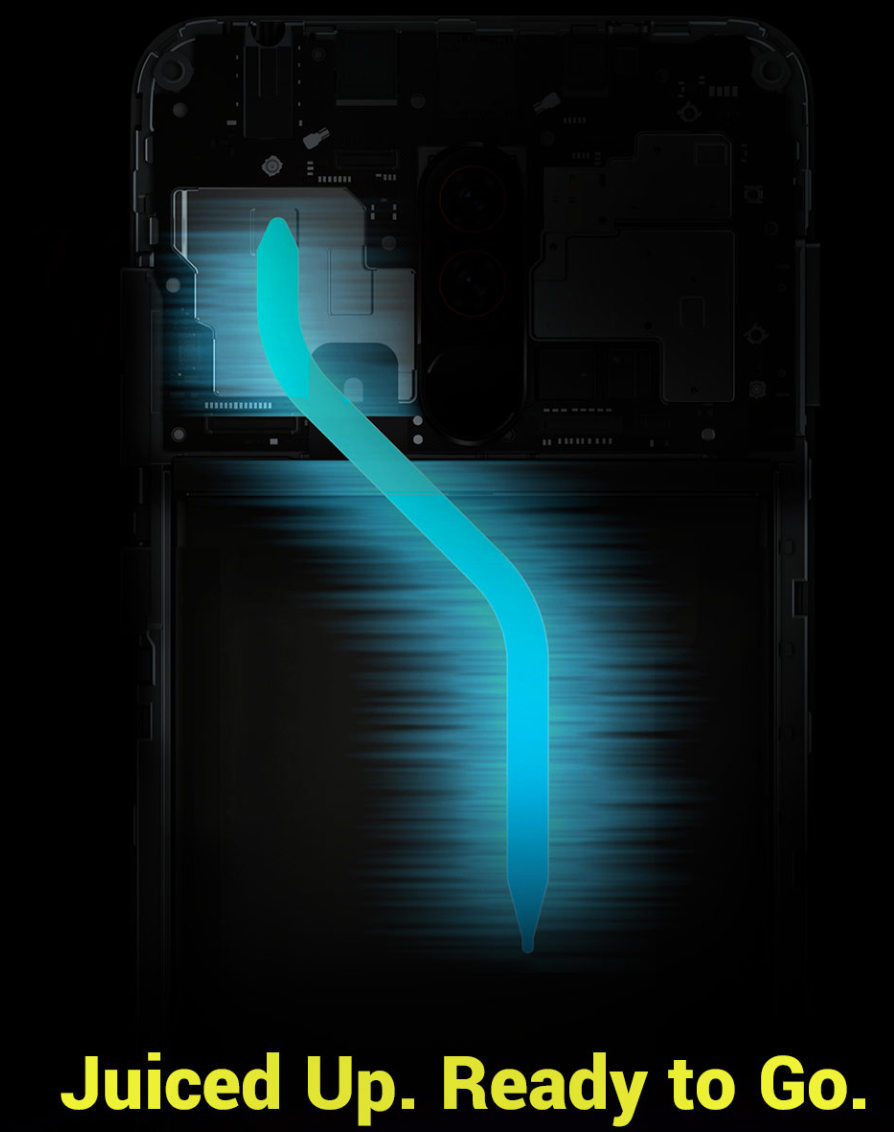
Xiaomi’s customer support confirmed that the Mi A3 would get the Android 10 update in mid-February. The announcement comes just a few days after the Mi A2 began to receive the update to the latest version of Android. The situation is confusing, and Xiaomi is taking too long to update an Android One device – whose main selling point is fast updates. Android 10 launched in September. Generally, when companies begin to roll out updates to their phones, the newer phones get the update first. But this is not the case with the Mi A3.
Xiaomi Mi A3
The Mi A2 has received the Android 10 upgrade, and the A3 will get it over a month after the A3 (if it doesn’t get delayed). The reason for the delay is processor-related. Google’s partners get access to Android’s code whenever a new version is released. Smartphone manufacturers can’t do much until the chipset maker updates the binaries for that particular chipset.
Xiaomi’s Android One smartphones get updates later than usual because the phones typically come with a Snapdragon 600-series chipset. Qualcomm prefers to update the binaries on the Snapdragon 800-series first, and the binaries for the 600-series are second priority. The Mi A3 is eligible to receive the Android 11 update later this year, and the Android 10 upgrade will not be the last major software update for it.
However, for now, fans have their fingers crossed and are hoping that the update does not get delayed again.
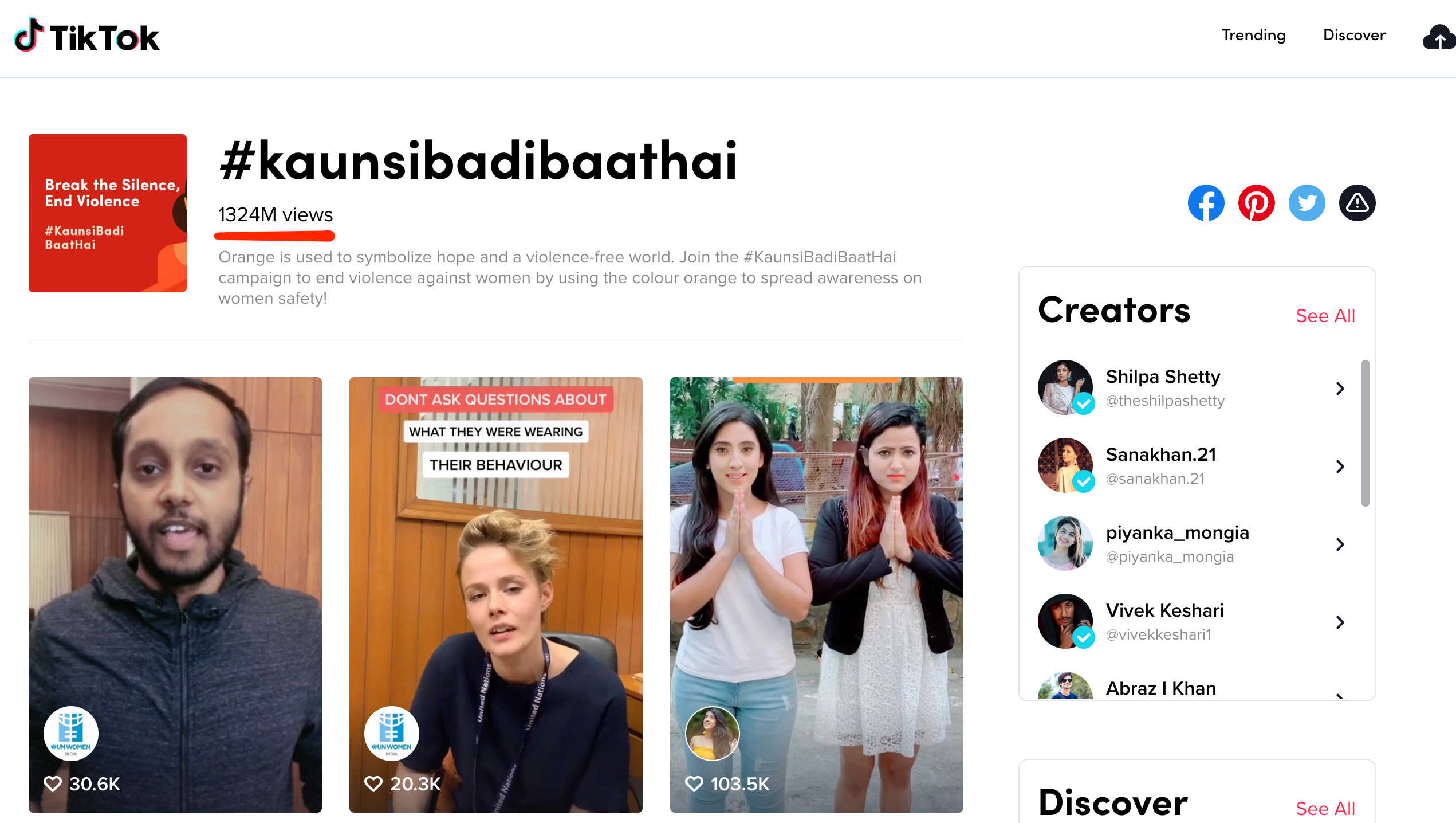
TikTok, the short video app from Chinese company ByteDance, once faced a ban in India. Now, a new campaign on TikTok initiated by UN Women has gone viral. A campaign on short clip app TikTok to raise awareness about women’s safety issues in India has pulled more than 887 million views. The #KaunsiBadiBaatHai campaign is a part of a larger initiative by UN Women called “Orange the World.” The initiative marks 16 days of activism against gender-based violence. “Kaunsi Badi Baat Hai” translates to “What’s the big deal.”
The campaign began on November 25, which is the International Day for the Elimination of Violence against Women, and continued until the International Day of Human Rights, which is on December 10. The in-app campaign encourages all users to show their support by undertaking the #KaunsiBadiBaatHai “Rap for Change” challenge. Users can also show their support by sporting shades of orange in their videos. Orange is the signature colour of the campaign, and it symbolizes the elimination of violence against women.
UN Women’s TikTok Campaign Against Violence
Kaunsi Badi Baat Hai
The campaign’s signature rap “Kaunsi Badi Baat Hai” was written and performed by 16-year-old Abbas Ali and produced by Aditya Shekhawat. The track is available as a background track for user’s videos. The song poses questions against existing socio-cultural norms and highlights instances of violence against women. Nitin Saluja, the director of public policy at TikTok India, says that it’s TikTok’s mission to inspire and enrich people’s lives and give them an outlet to express themselves.
The deputy country representative of UN Women, Nishtha Satyam, stated that UN Women is committed to making India safer for women and young girls, and that violence against women has real consequences and costs. Through UN Women’s partnership with TikTok, the initiative hopes to raise awareness and unite people to break the silence around violence. TikTok users uploaded videos demonstrating both negative and positive instances of men interacting with women under the hashtag. Many users called for more respect for women in their posts.
TikTok’s Popularity
The top post using the hashtag by user @shifazsiddiqui5 featured a man apologizing to a woman after accidentally kicking her while getting off a bike. The post garnered 3.6 million likes. TikTok is widely regarded as the first Chinese social media app to achieve international success. The app has been downloaded over 176 million times in the third quarter of 2019 alone, making it the second most downloaded app worldwide.
In India, the video-sharing app ranks second on the Google Play Store charts and fifth on the Apple App Store. India makes up for roughly 45% of the total downloads – the app has been downloaded 277.6 million times as of November 2019. In July 2019, TikTok said that the company was in the process of setting up a data centre in India to comply with the demands of Indian authorities after they raised concerns over user privacy and content regulation.
New legislation introduced in the US Senate in January aims to create a viable alternative to Huawei Technologies and undercut China’s dominance in 5G networks. One of the biggest problems in the bid to counter Chinese strength in 5G networks is the lack of global alternatives to Huawei. The US does not have a viable competitor as of now. At the same time, technologies from Sweden’s Ericsson, Finland’s Nokia, and even South Korea’s Samsung are no match to the attractive financing and complete technological package that Huawei offers.
Huawei 5G Alternative
The bill attempts to address that gap. If the bill is passed, the Senate would spend more than $1 billion to bolster Western competitiveness, allocate a new spectrum, and support research and development of more modern technologies like 5G in the telecommunications industry. The sponsor of the bill, Senator Marco Rubio, stated that the country is at a critical point for defining the future of its relationship with China and that the Senate cannot allow the Chinese telecommunications companies to surpass American competitors.
Rubio added that the Washington Senate’s efforts at convincing foreign allies to ban Huawei from their networks had been hampered by a lack of affordable, viable alternatives. He fears that malign state-directed telecommunications companies pose a clear, growing threat to the national and economic security of the US and its allies. A day earlier, Mike Pompeo, the US Secretary of State, echoed the senators’ concerns and contended that excluding Chinese carriers from 5G systems in the West was essential.
Xiaomi, the world’s fourth-largest smartphone manufacturer, intends to enter the Japanese market in 2020.
Steven Wang, the general manager of Xiaomi in East Asia, announced that Xiaomi would enter the Japanese Smartphone Market during a news conference in Tokyo.
Xiaomi must market their phones aggressively since iPhones are particularly popular in Japan. Though the company is late to the party, the timing of the move may end up working out well for the Beijing-based firm. The Japanese mobile market has been undergoing some changes as of late. The regulations implemented in October could turn out to be disadvantageous for expensive premium smartphones. Xiaomi is known for producing cost-effective electronics. The company has entered more than 90 markets across the globe and has started taking orders online for the Mi Note 10 smartphone series.
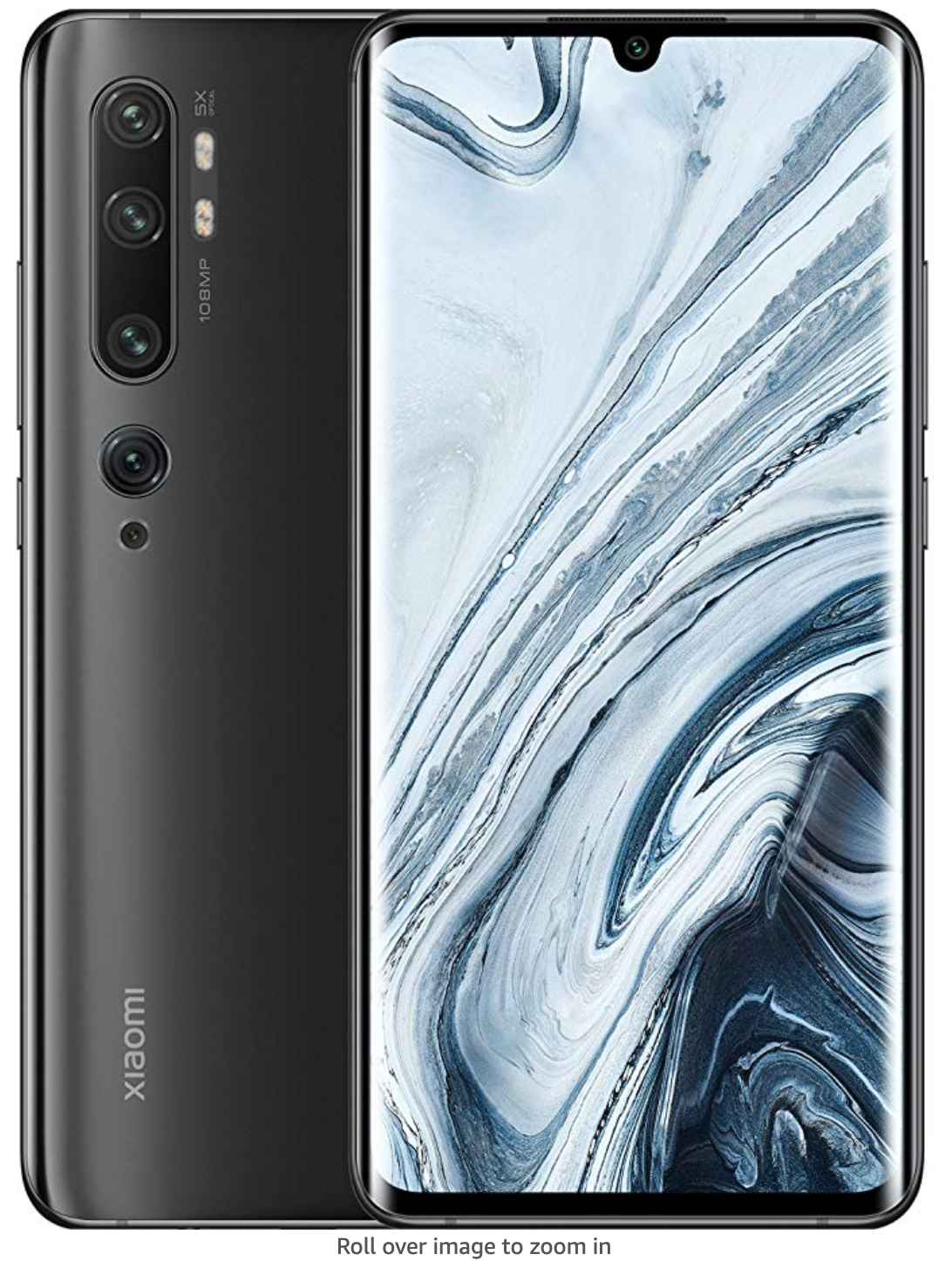
The Note 10 series is Xiaomi’s latest range of high-end smartphones.
The phone is equipped with five cameras and a 108-megapixel image sensor. Shipments are due to begin later this month. The company also revealed the prices of the two phones. Wang did not provide sales channel details, other than the information about online sales, which leaves us wondering whether the company plans to sell them via Japanese carriers. The company has established itself as one of the leading smartphone brands globally. Xiaomi opened its doors to customers in 2010. According to market research firm IDC, Xiaomi boasts a global market share of 9.1% as of the third quarter of 2019.
The Note 10 series Xiaomi
Samsung Electronics Co. held a 21.8 percent market share, Huawei Technologies Co. held 18.6 per cent market share, and Apple Inc. held a 13 percent market share. The Japanese market, on the other hand, has a different power balance – Apple’s iPhones are immensely popular in the country. In the first half of 2019, Apple’s smartphone share in Japan overwhelmed rivalling companies with a whopping 44.6 per cent local market share. Sharp Corp. held a 12.3 per cent market share, and Samsung held a 10.2 per cent market share.
Although the timing may seem right, Xiaomi is likely to have a tough time winning the hearts of iPhone users in Japan. The Japanese government has made it mandatory for carriers to separate data fees from handset prices to enable users to be aware of what exactly they are paying for. The government also ordered carriers to cut down cancellation fees on two-year contracts to ¥1,000 from about ¥9,500.
The new rules also put a cap on handset discounts, limiting discounts to ¥20,000 to avoid excessive price cuts on specific devices.
Xiaomi intends to swoop in with its cost-effective smartphones. The Mi Note 10 models cost about half of the latest iPhone models. The firm in 2019 declared that it would cap its net profit margin from hardware products to 5 percent. Wang said that the company can still make profits due to economies of scale in addition to its online businesses. Xiaomi will also roll out some non-smartphone products in Japan this month, including a smart wearable device and a rice cooker.
In 2018, Xiaomi managed to outdo OnePlus (as far as value for money goes) by releasing the powerful Pocophone F1 smartphone. For just $300, the phone supplied astonishing value for money with its Snapdragon 845 processor. Now, the Chinese company has announced that it’s spinning the sub-brand off into an entirely new company called Poco. Executive Manu Kumar said that the company feels that the time is right to let Xiaomi Poco operate on its own.
He also added that the Poco F1 remains a top contender in the value for money category. Xiaomi is the fourth-largest smartphone manufacturer in the world and is particularly popular in India. While it mainly sells low- and mid-range devices, the Xiaomi Poco sub-brand was launched in 2018 to compete with high-end smartphones from OnePlus, Samsung, and others.
Xiaomi POCO
However, since then, the brand has yet to launch another smartphone. Xiaomi also owns the Mi/Redmi sub-brands that manufacture everything from smartphones to computers and TVs, amongst other electronics. The Mi brand remains in-house; however, Poco will come out with new devices as an independent company.
No details about the brand or future products are known; however, the head of Poco, Alvin Tse, told TechCrunch in 2018 that the brand was working on smartphones and other products. It is also unclear what resources (marketing, manufacturing, etc.) the new company will share with the parent company. Poco will enter an already crowded market that hasn’t shown much growth in the last few years. For Poco to remain competitive in the market, it must come out with affordable, high-quality products fast.
Google is working on bringing a more colourful and vibrant design for its Desktop Search. It is said that this effort is inspired by a similar mobile UI. Some have criticised the new design for using favicons, which draws a very subtle distinction between the content and the adverts. Following this, Google has now removed favicons from the design. It plans to work on the Google Desktop Search a bit more.
Google Search interface
Just last week, Google launched a more colourful interface for its desktop users. The company says that the new design has been created specifically to make it easier for the users to understand what sites they are clicking and heading into. Once it was released and more users started using it, another issue came up. This was that the distinction between ads and content was not very distinctive.
Google ‘s New UI
The bold AD label helped a lot. However, the UI was not very clean. The latter led to tons of confusion and very tough navigation. Most users were not very happy with this design. Google has apparently worked with this design option in an attempt to increase its ads business. The idea behind this was that users would click on more ads where previously they wouldn’t have. If we have caught it correctly, it does seem a bit sneaky and underhand way of doing things.
Favicons
The new design was a bit strange and different from Google’s usual UI. The additional header text, favicons, and the cluttered visual space all made it a not-so-happy experience. It made the entire space look and feel like ads. So, that begs the questions, if that’s what Google wants and intends? Regardless of that, Google has taken the criticism in its stride and plans to test more iterations of the interface. The desktop search will undergo more design changes and iterations until a product emerges which suits the users and Google itself.
Google Desktop Search
Currently, Google has removed the favicons following unpopular reviews from its users. The more colourful design has also been scrapped. While this has been the interface on mobile for quite a few months now, users just were not happy to see it replicated on to their desktop search. Google tweeted, “Last week we updated the look of Search on the desktop to mirror what’s been on mobile for months. We’ve heard your feedback about the update. We always want to make Search better, so we’re going to experiment with new placements for favicons….”
Google’s Explanation
Google explained its tweets in detail later on. The company wanted to improve the desktop search experience. In an attempt to do so, the company started working on a new design. They basically simply tried to replicate the mobile interface. While users were happy with the design on their mobile screen, it just didn’t work out well on the desktop. Early response was positive, but later on, the criticisms started flowing in. After that, Google removed the favicons and is now working on iterations to create a better design.
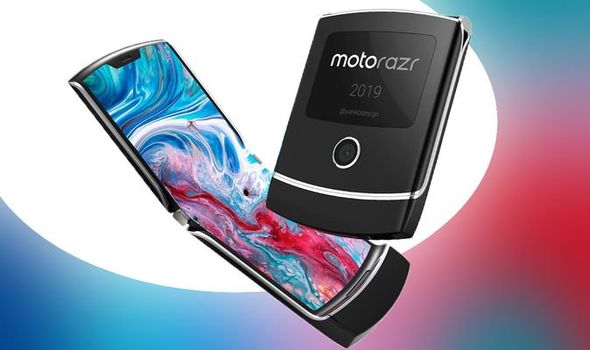
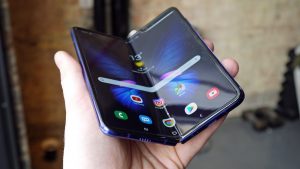
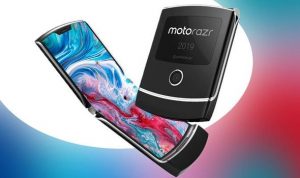
If you have been keeping up with the news, you may know that the Galaxy Z Flip by Samsung and the Razr smartphone by Motorola are both foldable smartphone models. Each is designed in an innovative manner. However, they have been priced a bit too high to warrant widespread sales. The Motorola Razr is set for a February release while the Galaxy Z Flip is scheduled to be launched sometime in March. While the name of the latter device is not yet confirmed, many sources mentioned that it could be named the Z Flip. Both of these smartphones are designed to fold along the x-axis, meaning you can fold them top to bottom.
The Galaxy Fold becomes a small tablet when you open it which is perfect for watching a movie or getting some information. You can multi-task on this easily and swap between several apps. When you close it, you will be able to use the Razr or the Z Flip as a smartphone. The idea behind this is dual functionality with a splash of swag.
Samsung Galaxy Z Flip
The first Samsung foldable device was not received very well. It was mainly due to its delicate build and crease along the fold that made up the main criticisms. The premium price tag didn’t help matters either. Regardless, Samsung managed to make nearly half-a-million in global sales – something which is surprising and almost unheard of regarding first-gen innovations. The Galaxy Z Flip is about to release next month.
Features of the Z Flip and Razr
For a brief moment, there might be some nostalgia about the Razr flip phone of the past. However, that is short-lived considering that the foldable model has priced triple the original model. The phone comes with a 2510 mAh battery which is a small battery by all means. It could be hard to power two displays with this battery. Even when completely opened up, the phone comes to only about 6.2 inches which is smaller than most of today’s flagships.
Motorola Razr
On the other hand, Samsung is said to have priced the Galaxy Z Flip quite affordably. This means it will be a far better option than the Razr if that is true. Again, the Z Flip will also have higher-end specifications when compared to Razr.
While Samsung was among the first companies to come up with foldable smartphones, others in the industry have been quick to jump on the bandwagon. Microsoft is now planning to introduce the Surface Duo sometime later in 2020. While phones that open up to offer more screen lead to better productivity and is in most cases, very useful to the users. However, some consumers also enjoy using phones that fold up to become smaller versions of themselves. One way or the other, you can be sure that the foldable display tech is here to stay. With more companies working on it, we can sure that advancements on this tech will be rapid.
Android 10 has been out for some time now. With many features, Google’s latest update has something for everyone. It could be that you are eager to see its new permission settings for apps or the sophisticated dark mode, there is much to experience. However, there is always that long waiting period between when Google releases its final build and the moment when your phone receives the update. In this post, we will be looking at the different OEMs and which devices are slated for an Android 10 update in 2020.
Google Pixel
Google’s Pixel phones will naturally be among the first models to receive the Android 10 update. The devices that will receive the update this year includes Pixel 3a, Pixel 3a XL, Pixel 3, Pixel 3 XL, Pixel 2, Pixel 2 XL, Pixel, and Pixel XL.
Google Pixel
Samsung
Samsung is one of the largest and most popular smartphone manufacturers. The Galaxy S10, S10+, S10e, Galaxy Note 10, Note 10+, and Galaxy Note 9 have all received the update. Android 10 for Galaxy S9 and S9+ is still in the works, but the company is hoping to release it soon enough. Older devices like Galaxy S8 or Note 8 are not likely to receive the update at all.
LG
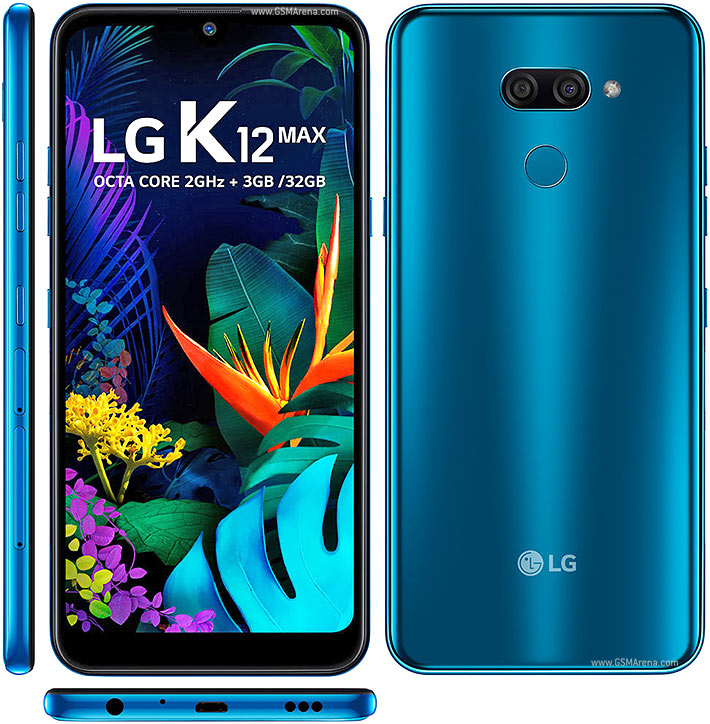
Of late, LG has become known for its slow updates. Today, only LG G8 and G7 One have received the update. However, other phones expected to receive the Android 10 update include
Huawei’s Huawei P30 series, Huawei Mate 20 series and Huawei Mate 10 series have all received the EMUI 10/Android 10 update. Other models expecting the update include the following.
Since the upcoming phones from Huawei will not have any Google services, it is not yet clear how the company plans to handle this issue.
Motorola
Motorola is a popular smartphone brand which has been lagging the past few years. However, the company still is providing the update to a decent number of devices.
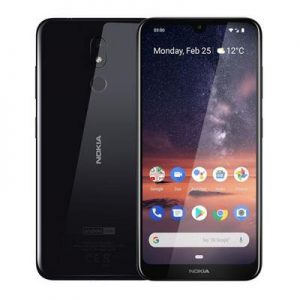
Nokia devices that are already running on Android 10 includes Nokia 6.1, Nokia 6.1 Plus, Nokia 7 Plus, Nokia 7.1, Nokia 8.1, and Nokia 9 PureView. Nokia phones slated for the update include the following devices.
OnePlus is among the manufacturers that are known to provide the fastest updates. OnePlus 5 or 5T users will receive the update in the second quarter of 2020. This is the list of OnePlus phones already running on Android 10.
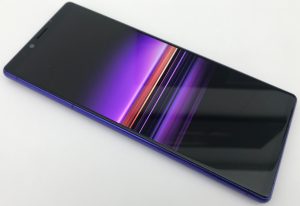
According to My Drivers, a new Sony flagship is about to be launched, most likely to be named the Xperia 2. Sony will have a press conference at the MWC. During this time, the phone could be exhibited as well. Following the trend of 2020 flagships, the Xperia 2 will probably run on Qualcomm Snapdragon 865 chip as well. The SoC will be paired with the Snapdragon X55 modem for 5G connectivity. If this happens, the Xperia 2 will be Sony’s first-ever 5G smartphone.
Sony Xperia 2
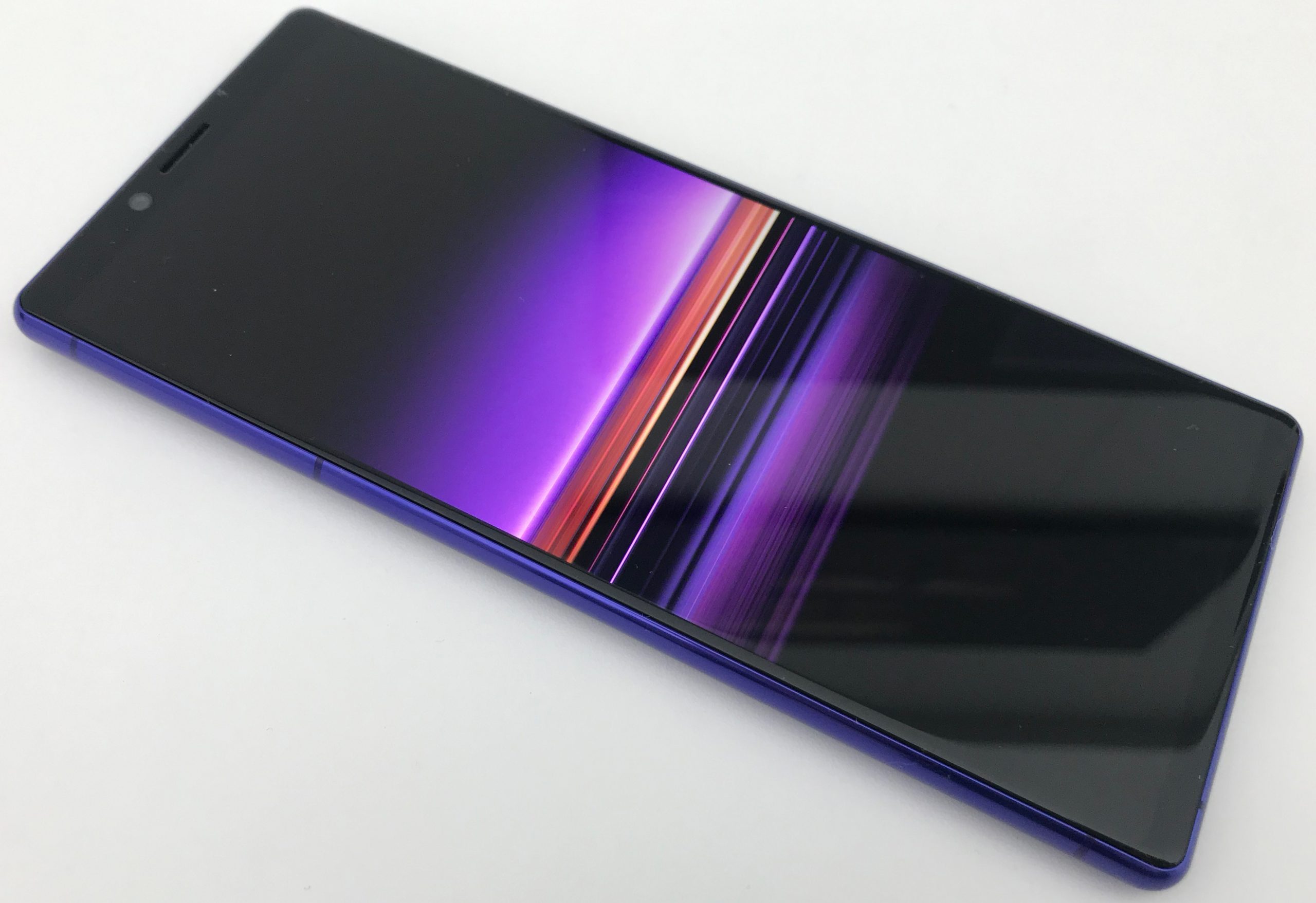
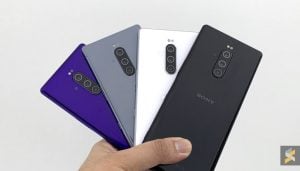
The smartphone could come with a 4K HDR OLED panel with a 21:9 aspect ratio similar to its predecessor, the Xperia 1. This will make Xperia 2 one of the first 4K phone by Sony to support the next-gen internet connectivity. The screen is believed to be quite large at 6.6-inches. With regards to the camera, the Xperia 2 will have four cameras at the rear. Rumours abound, with some claiming that the primary unit will be a 48-megapixels sensor and others believing it would be a 64-megapixels sensor.
Sony Xperia 5G
Besides the main sensor, the camera unit will have a 12-megapixels ultra-wide-angle sensor and a 12MP telephoto unit with 3x optical zoom. Sony’s 2020 flagship is also expected to feature the Time Of Flight sensor for portrait shots. The phone is also likely to have 8K video shooting capabilities.
Other features of the Xperia 2 includes IP68 protection against water and dust and fast charging. It will have also NFC, making contactless payment possible. While there is a chance that the company might name this upcoming flagship Sony Xperia 2, there is also a chance it might not. If it does not, other possible names include Xperia 1.1, Xperia 1 Premium, Xperia 0, or Xperia 5 Plus.
Sony’s 2020 flagship
According to several reports, the Xperia 2 (we will continue calling it that for now!) will have an 8-megapixels selfie shooter. With regards to speakers, it will sport dual front-firing ones. The dimensions of this smartphone are 168.2 x 71.6 x 8.1mm. The camera unit at the back does give way to a slight bump, but it is nothing very jarring. One thing that Sony has decided to retain is the physical fingerprint reader. Where most other companies have discarded the physical scanner on their flagships in favour of the in-screen fingerprint reader, Sony has decided to stick to the original option.
Sony Xperia 5G
The phone is expected to run on a near-stock version of Android 10. It will also continue to have the 3.5mm headphone jack. While the price tag is hefty which is nothing surprising. It is because it is supposed to be a high-end flagship. It is still more affordable than other 5G models that are currently in the making right now. If the phone is well received, it could gain more popularity thanks to its affordable price tag and high-end features. It would also be a huge relief to Sony which has not had a break in the smartphone market for quite some time now.
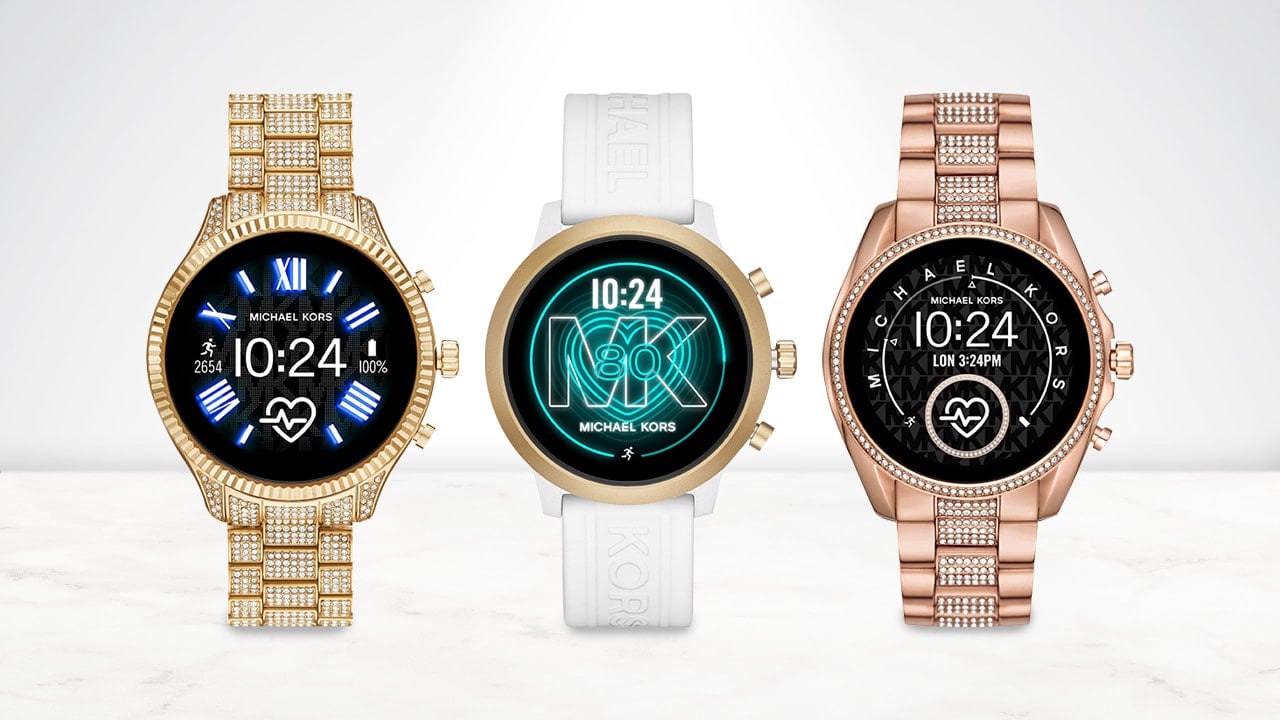
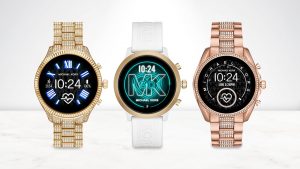
In the latest news, we see Michael Kors joining Fossil as it works to increase its smartwatch line-up for 2019. The company is now adding three new wearables, all of them working on Google’s Wear OS platform. The products include Michael Kors Access MKGO, Access Lexington 2, and Access Bradshaw 2. While the first is a fitness device, the latter two are smartwatches. The MKGO is the brand’s very first fitness device. The Access MKGO is quite similar to other sporty Wear OS watches, such as the Puma Smartwatch model. The device runs on Qualcomm Snapdragon Wear 3100 processor and it comes with 512MB of RAM. In addition to this, the fitness devices feature a heart rate monitor and built-in GPS. Enough about the Access MKGO, let’s focus on the two smartwatches – Access Lexington 2 and Access Bradshaw 2.
These smartwatches are made available on Michael Kors’ website. While the basic models are priced the same for Lexington 2 and Bradshaw 2, the price differs for different designs. While the Lexington 2 is available right away for purchase from Michael Kors’ website, you’ll have to wait for a few months if you are sure you want to get the Access Bradshaw 2. Let’s take a look at each of them and later, see how they compare against each other.
Michael Kors Access Bradshaw 2
Michael Kors Access Bradshaw 2
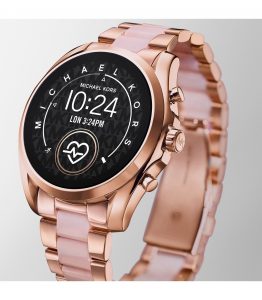
The Michael Kors Access Bradshaw 2 is the successor of the original Access Bradshaw. However, while the previous model has a flat tyre screen, this one features a fully round 1.28-inch display. To quickly run through its features, we know that it is available in six colour option, which is pretty cool. The 44mm smartwatch comes with a Stainless-Steel case with top ring. The AMOLED screen comes with 328ppi. While the stainless steel casing makes it slightly bulkier than the MKGO, it is a steady device that is built in the same way as the traditional Bradshaw watch. You may see some nice features added here to keep up with the tech.
Access Brashaw 2 vs. Lexington 2
While both the Michael Kors Access Bradshaw 2 and Lexington 2 are awesome models, there are some slight differences between them. So, what are the major points of difference? This includes storage and RAM mainly.
These two watches are quite powerful. They are designed to look elegant and not look out of place at a dinner table. The Access Lexington 2 comes with a stainless steel case and an elegant 22mm stainless steel band. This 44mm smartwatch is available in different colours, such as combinations of silver and gold, and silver stainless steel. On the other hand, Access Bradshaw 2 is available in some beautiful options as well, such as grey, gold, and a rose gold. All of them feature 22mm straps on the 44mm smartwatch.
Michael Kors Access Lexington 2
Both the model has three buttons on the right side. This comes in handy for users to control different aspects of Wear OS. These watches also feature a 1.28-inch AMOLED screen. Both the devices run on Snapdragon Wear 3100 processor. That is nothing surprising since most Wear OS smartwatch models run along the same lines. Thanks to the 1GB RAM here, you can be sure of a better performance. You will also be able to enjoy 8GB of internal storage. This comes in particularly handy if you want to listen to music or podcasts on the go.
Other Features
Other features of these smartwatches include a heart rate sensor under the hood, NFC for Google Pay, built-in GPS, and swim-proof with 3 ATM water-resistance. Comparatively speaking, the battery sizes of these models are a bit smaller at 310mAh each. You may also be aware that both of them have speakers which allow users to make and take calls directly from the watch. You will no longer have to fumble around for your smartphone.
These new smartwatches also have an extended battery life mode thanks to which they can last more than one day on a single day. However, you may have to sacrifice some functionality to achieve this. This works pretty similarly to the Fossil’s latest model. All the latest Michael Kors smartwatches come with Noonlight. This is an app that is designed to contact emergency services. Users will also be happy to note that Spotify comes pre-installed!
Michael Kors Smartwatches
In addition to this, Access Brashaw 2 and Lexington 2 have integrated Google Assistant support as well. Since both the watch run on Google’s WearOS platform, they enjoy all the features that come with the software. This includes Google Assistant as well. Other features of the smartwatches include music control and storage, smartphone notifications, and Rapid Charging for 80 per cent battery in 50 minutes. How cool is that?
Michael Kors Access Lexington 2
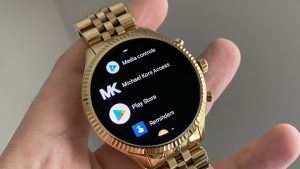
The Michael Kors Access Lexington 2 is another smartwatch released by the brand. While it is quite similar to the Bradshaw 2 model, you can be sure there are plenty of smaller differences. This is something we will cover in the next section. The Access Lexington 2 comes with a 1.28-inch fully round AMOLED display with a 328ppi. With regards to design, you will notice more details. Again, this model too features a Stainless Steel case with top ring. This 44mm smartwatch is available in five colours.
You may notice an etched ring around the Lexington 2’s display. Another matter of the difference is that the stainless steel bracelet’s links have more detailed work when compared to the other model. However, regardless of the design, it is highly functional and works excellently.
There is an etched ring around the display of the and the links in the stainless bracelet have more detail to them compared to the Bradshaw 2 – mimicking the design of the traditional Michael Kors Lexington design. Like the Bradshaw 2 though, it’s a solid device with plenty to love.
Conclusion
Both the Access Bradshaw 2 and Lexington 2 by Michael Kors are amazing smartwatches. They both have an appealing design with incredible features. These two models are specially designed for elegant dinners and parties. They suit up extremely well for a casual outing, but not so much as sportswear.